Diving in Mauritius: explore the hidden treasures of the Indian Ocean
When to go for an optimal diving experience?
Planning your diving stay in Mauritius according to the seasons guarantees ideal conditions for exploring the seabed. The timing of your trip directly influences the quality of your underwater experience.
The ideal season for exploring the seabed
The Southern summer, from November to April, is the preferred period for discovering Mauritian diving sites. During these months, the water temperature ranges between 26 and 29°C, offering optimal comfort even during extended dives. The sea is generally more lenient, with favorable surface conditions for exploring the most remote spots.
The months of November, December, March, and April are particularly distinguished. You then benefit from excellent underwater visibility, often more than 30 meters, allowing you to fully appreciate the beauty of the coral reefs and tropical fauna.
Weather conditions and underwater visibility
Maritime weather plays a crucial role in practicing scuba diving. During the cyclone season, from January to March, some diving centers may adjust their outings depending on conditions. However, Mauritius benefits from natural protection thanks to its coral barrier, which mitigates the effect of the swell.
From May to October, the Southern winter brings more sustained trade winds. Even though conditions remain practicable throughout the year, visibility might slightly decrease at some exposed sites. Our advice: favor the sheltered spots of the west coast and northern Mauritius during this period.
Contact us for more information about the best periods to go.
Where to discover the most beautiful dive sites?
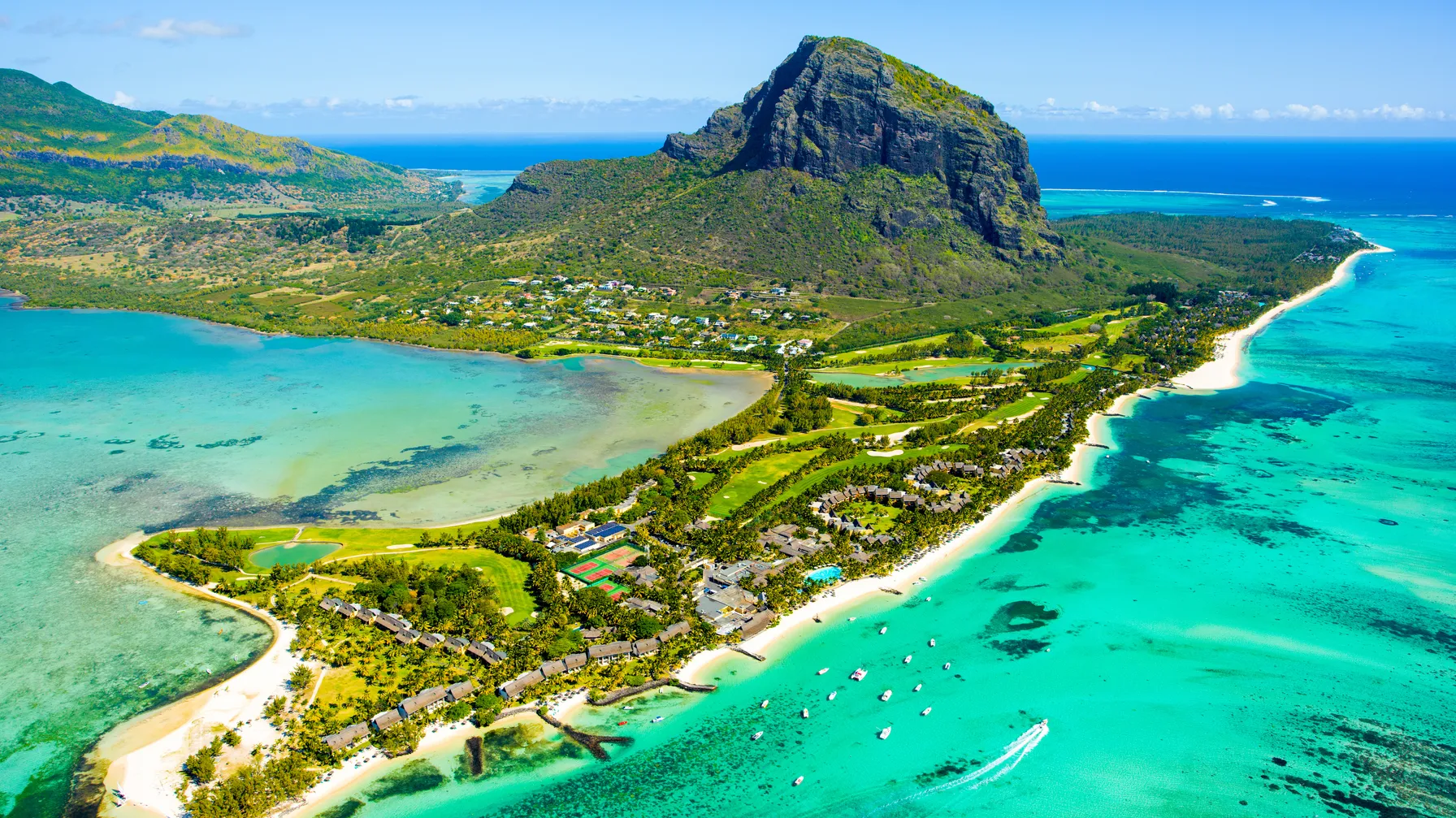
Mauritius reveals three distinct areas, each offering unique diving experiences. This geographical diversity allows you to tailor your exploration according to your preferences and experience level.
The west coast and its coral gardens
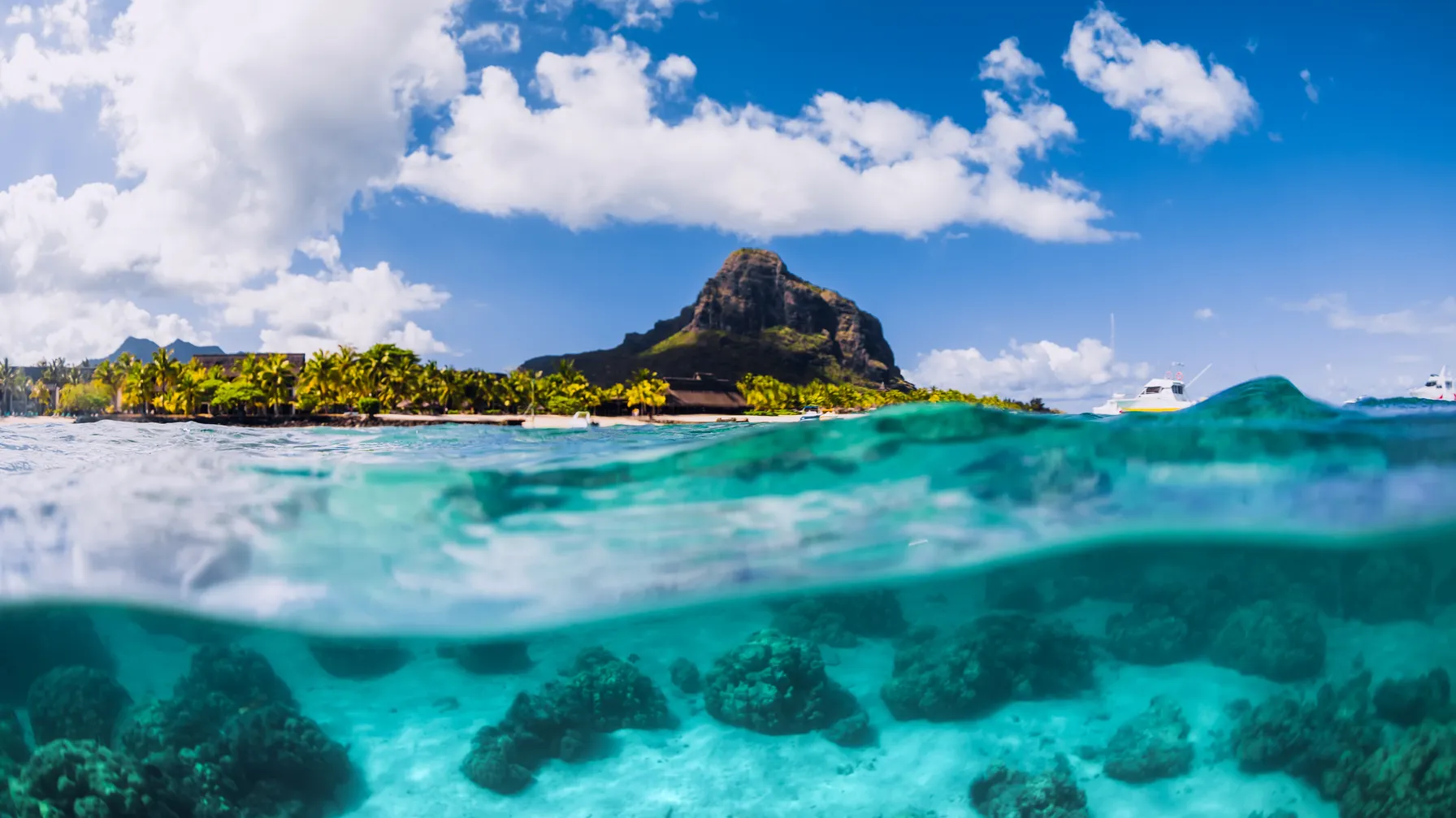
Flic en Flac represents the epicenter of diving in Mauritius. This region benefits from a favorable microclimate and protected waters all year round. The beautiful sites in this area are characterized by their spectacular coral formations: deep canyons, natural arches, and caves adorned with black and pink corals.
The uniqueness of this coast lies in its dives located beyond the coral barrier. You evolve in a preserved environment where ocean currents feed a thriving marine life. The rock walls shelter a multitude of tropical species, creating a real natural aquarium.
The north of Mauritius and its mysterious wrecks
Grand Baie and Pointe aux Canonniers offer a different approach to scuba diving. This area favors the exploration of wrecks intentionally sunk to create artificial reefs. The Stella Maru, the Water Lily, and Emily are amongst the fascinating sites for divers seeking adventure.
These wrecks, progressively colonized by marine life, offer a striking spectacle. They serve as refuges for many species and create unique ecosystems. The moderate depth of these spots, generally between 15 and 25 meters, makes them accessible to Open Water divers.
Coin de Mire, an iconic islet visible from Grand Baie, also offers memorable dives along its vertical walls. Diving clubs regularly organize outings to this volcanic formation, renowned for its encounters with pelagic species.
The east coast and its spectacular passes
Belle Mare reveals a wilder side of Mauritian diving. The Belle Mare pass, a real highway for marine fauna, offers exceptional drift dives. This site is more suitable for experienced divers, as currents can be strong.
The main attraction of this area lies in the diversity of its fauna: elegant eagle rays, white-tip sharks, schools of silver trevallies, and colorful triggerfish thrive in these nutrient-rich waters. The five main sites of the pass guarantee a variety of experiences, from contemplative diving to more dynamic adventures.
Book your trip to Mauritius now.
What to see during your scuba dives?
The waters of Mauritius harbor an ecosystem of remarkable richness. Each exploration reveals new protagonists of this aquatic symphony, creating unforgettable memories.
An exceptional tropical fauna
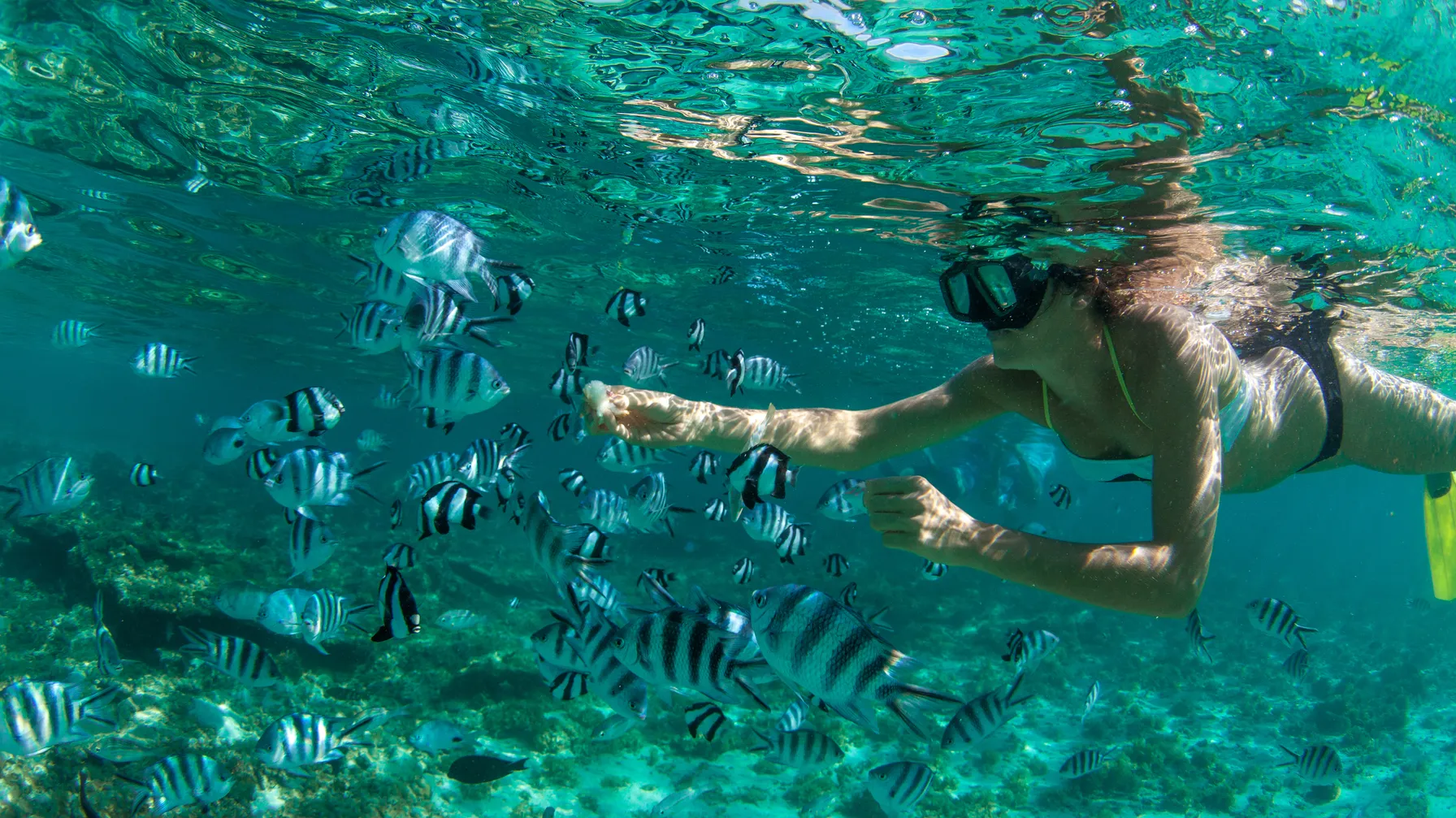
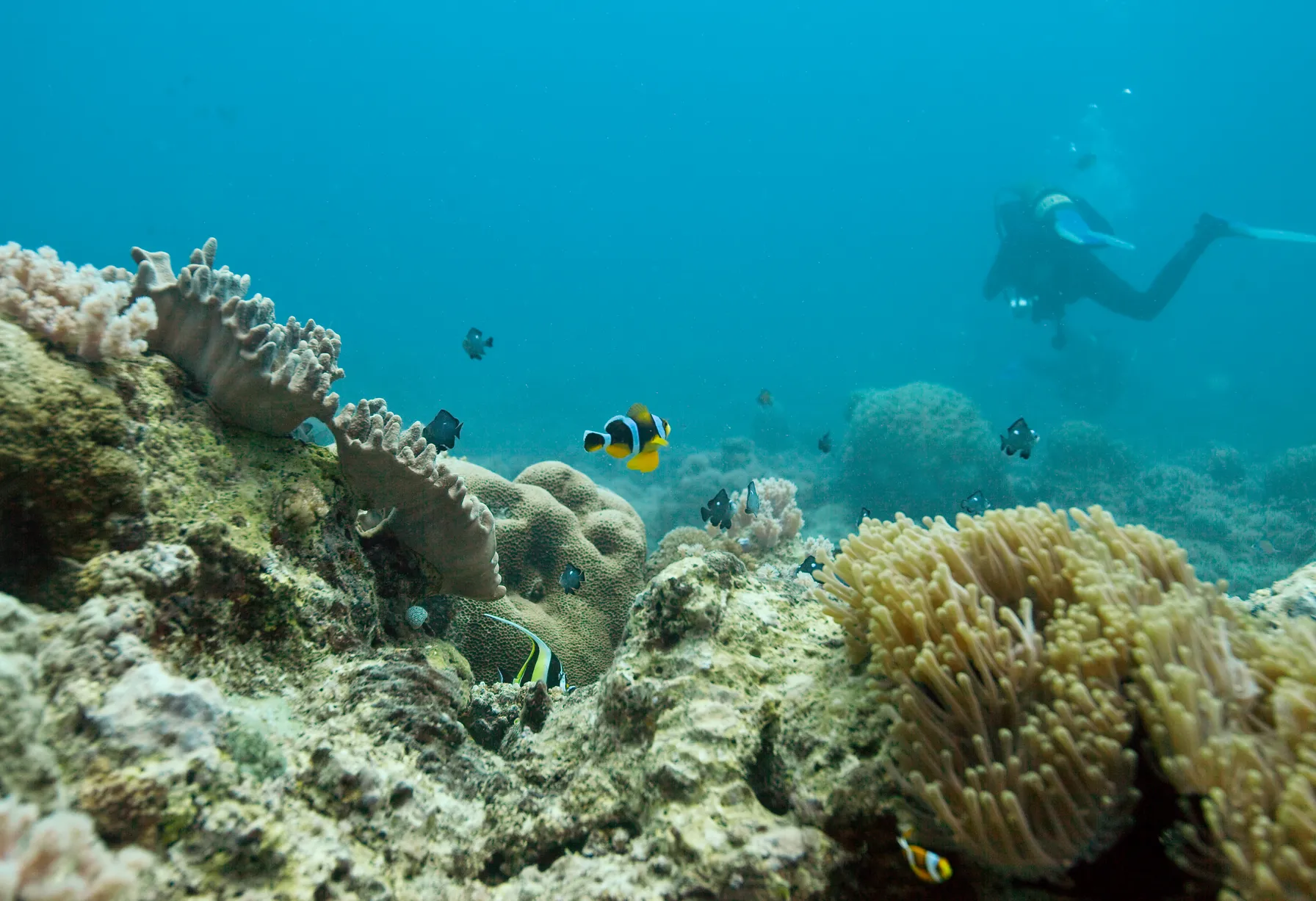
The Indian Ocean here unfolds all its biodiversity. The coral reefs of Mauritius host a myriad of colorful species: delicate butterflyfish, vibrant parrotfish, zebra-striped sergeants, and shimmering damselfish. Clownfish move among the anemones, creating scenes worthy of the most beautiful documentaries.
Predators are not left out. Giant moray eels hide in rocky crevices, while flying scorpionfish deploy their majestic fins. Stonefish, masters of camouflage, test your powers of observation.
Pelagic fauna offer extraordinary encounters. Reef gray sharks patrol along the drop-offs, blacktip sharks move near coral formations, and the lucky might observe the impressive oceanic whitetip sharks offshore. The shark pit, an exclusive outing offered by some dive centers, provides a unique experience for advanced divers.
Coral formations and underwater landscapes
The seabed of Mauritius shapes varied landscapes. Gardens of hard corals create underwater cathedrals adorned with orange gorgonians and soft corals swaying with the currents. These ancient formations are the habitat for thousands of marine organisms.
Caves and caverns add a mysterious dimension to exploration. Some, accessible to beginner divers, allow for observing enchanting light plays. Others, more technical, keep their secrets for experienced divers accompanied by experienced local guides.
Contact us for more information.