Culture in Mauritius: Immersion in an Exceptional Living Heritage
Why is Mauritian culture so fascinating to travelers?
Mauritian culture represents a true treasure for travelers seeking authenticity and enriching discoveries. This Indian Ocean island offers a unique cultural experience that transforms each stay into a memorable human adventure.
A unique melting pot at the heart of the Indian Ocean
Mauritius stands out for its exceptional ability to harmoniously coexist communities from diverse origins. This cultural diversity is expressed daily in the lives of Mauritians, creating a warm and welcoming atmosphere that you will feel upon arrival.
The official language, English, naturally coexists with French and Mauritian Creole, this Creole language that unites all the inhabitants. You will discover that this linguistic richness facilitates exchanges with locals, each conversation becoming a window open to their cultural world.
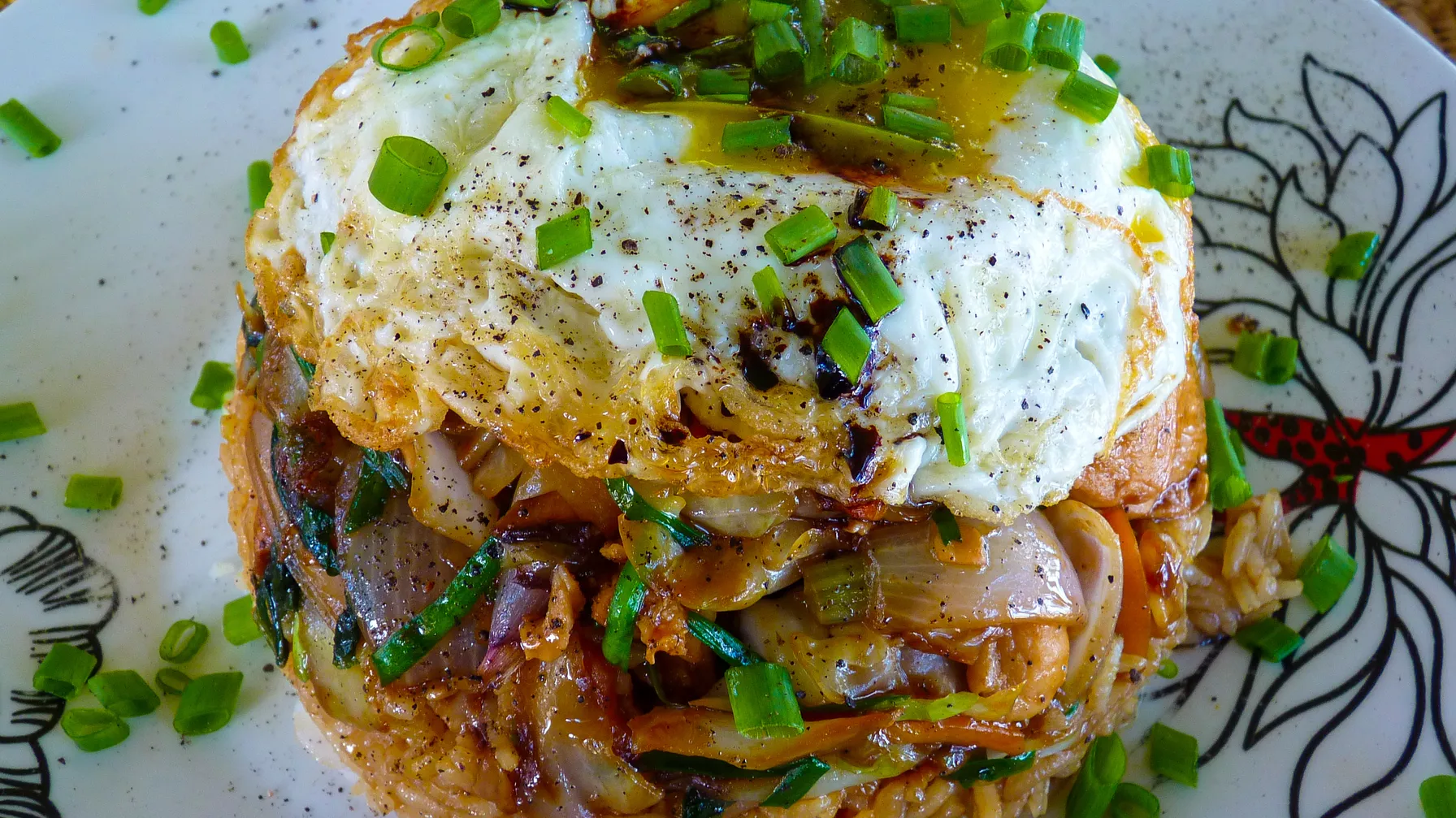
Culinary traditions perfectly illustrate this multicultural harmony. Mauritian gastronomy subtly mixes influences from Indian, Chinese, African, and European cuisines. You will savor fragrant curries, taste seafood prepared according to ancestral recipes, and discover specialties like dholl puri at local markets.
Historical influences shaping the island's identity
The history of Mauritius explains this exceptional cultural richness. Sugarcane plantations have deeply marked the economic and social landscape, attracting workers from around the world. This historical period has created the foundations of today's Mauritian society.
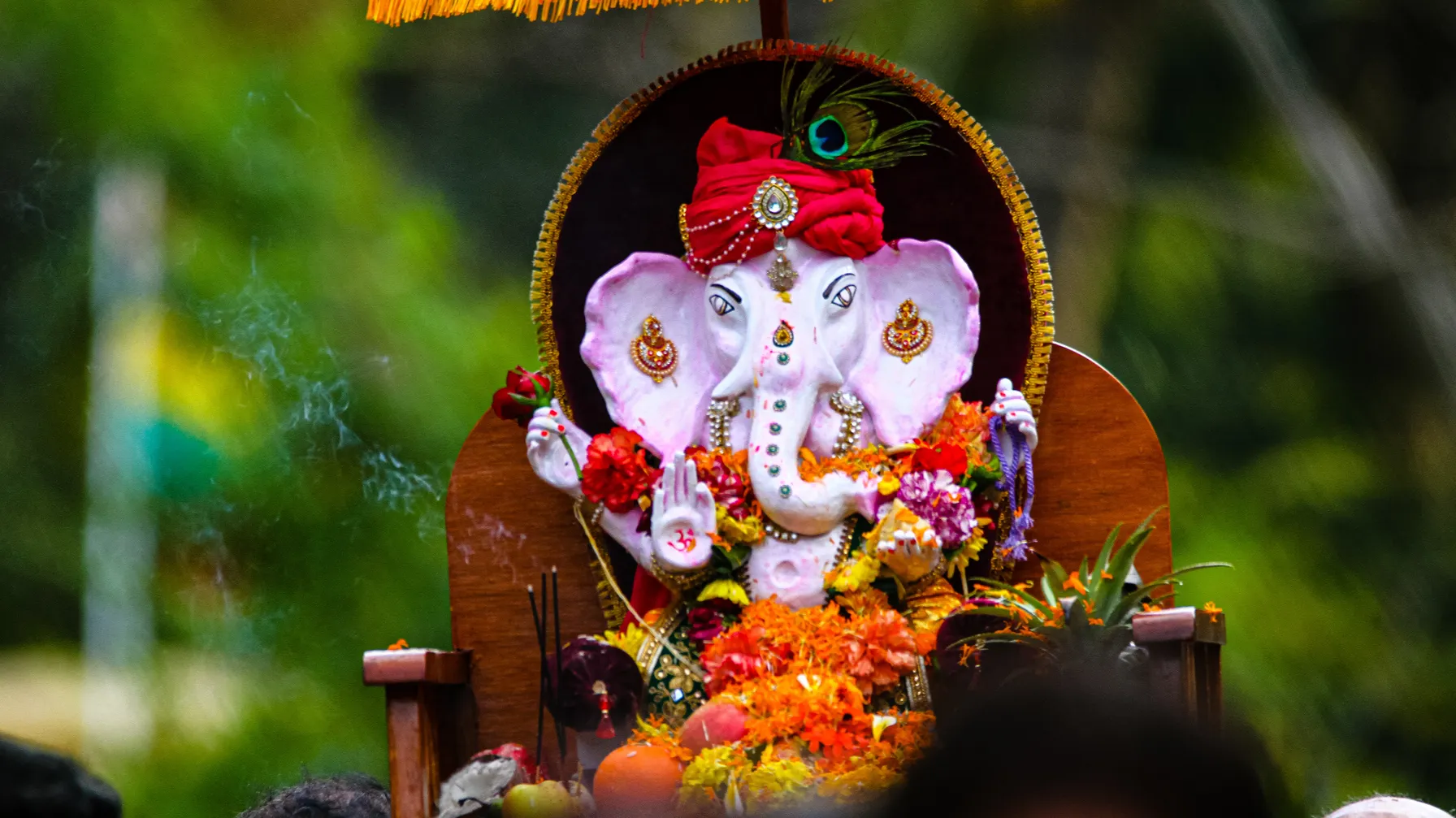
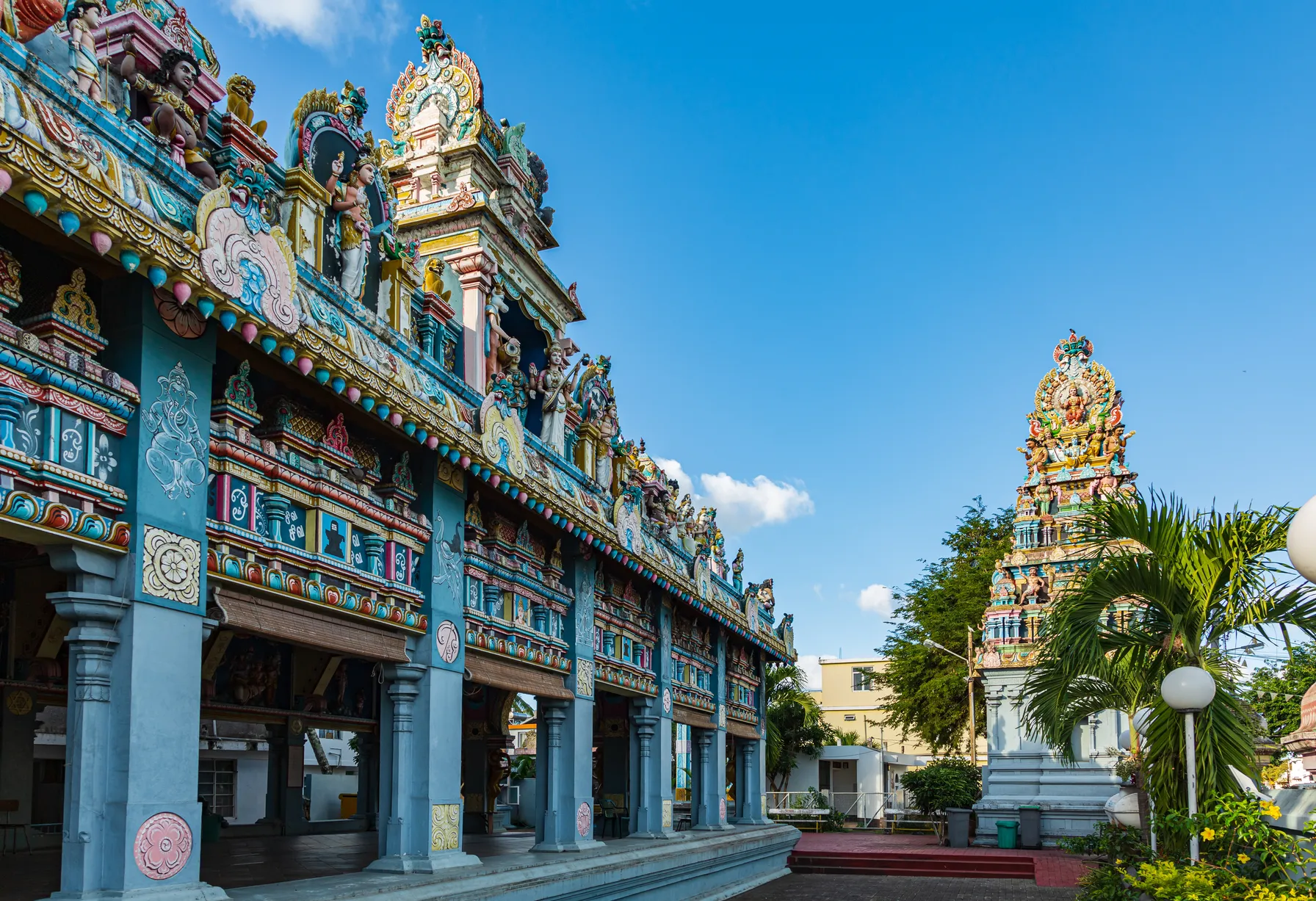
Each community brought its religious traditions, creating a remarkably diverse festive calendar. Hinduism, the majority religion, coexists peacefully with Christianity, Islam, and Buddhism. This religious tolerance is concrete: Hindu temples, churches, mosques, and pagodas are sometimes side by side, testifying to this unique harmony.
Book your trip to Mauritius now
What cultural heritage treasures to discover during your stay?
Exploring the Mauritian cultural heritage reveals unsuspected riches that go far beyond traditional beach attractions.
UNESCO sites and iconic monuments
Two UNESCO World Heritage sites deserve your special attention. Aapravasi Ghat, located in Port Louis, preserves the remains of the entry point for indentured Indian workers. This emotionally charged place tells the story of contractual immigration that shaped the Mauritian demographic.
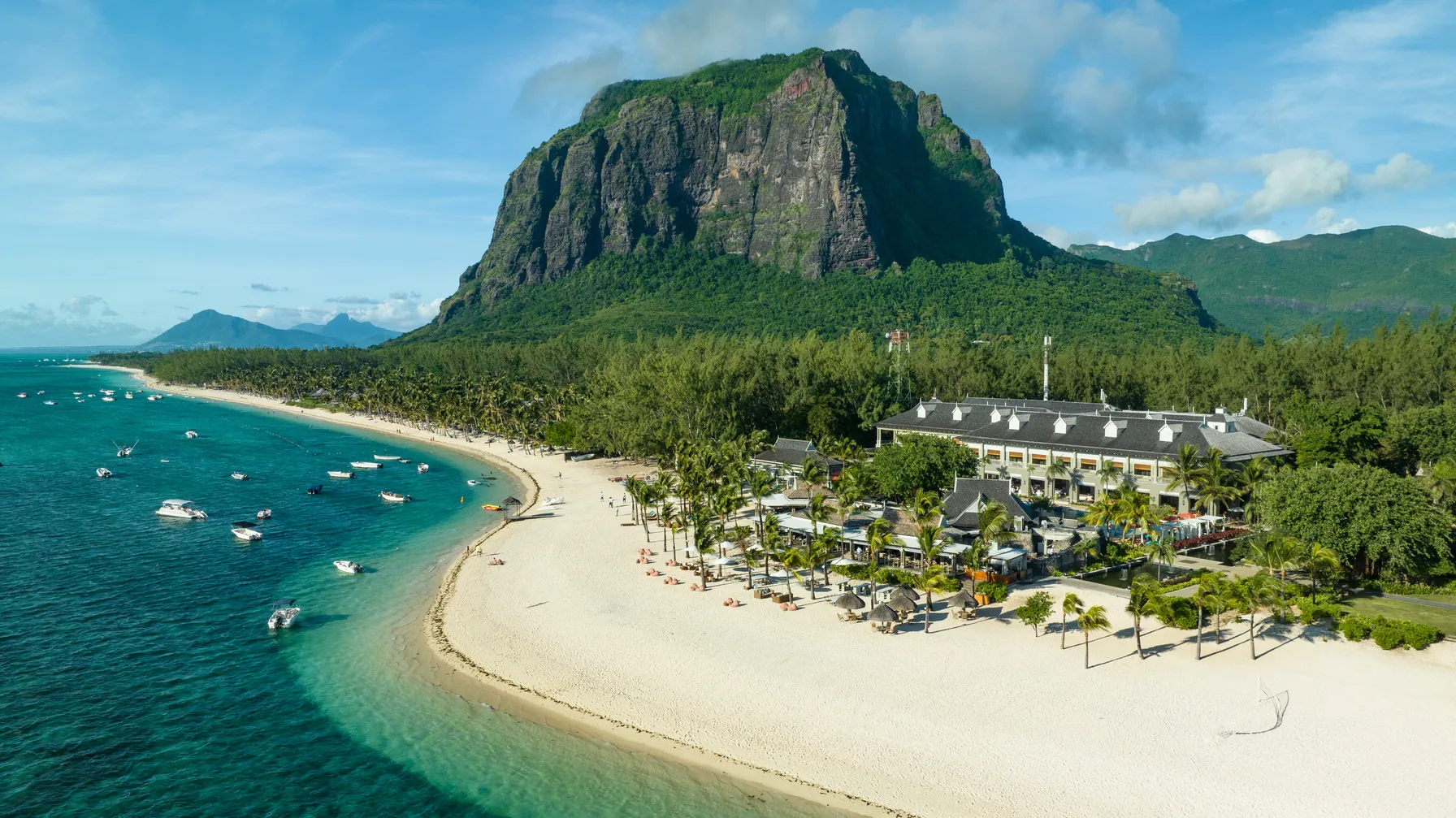
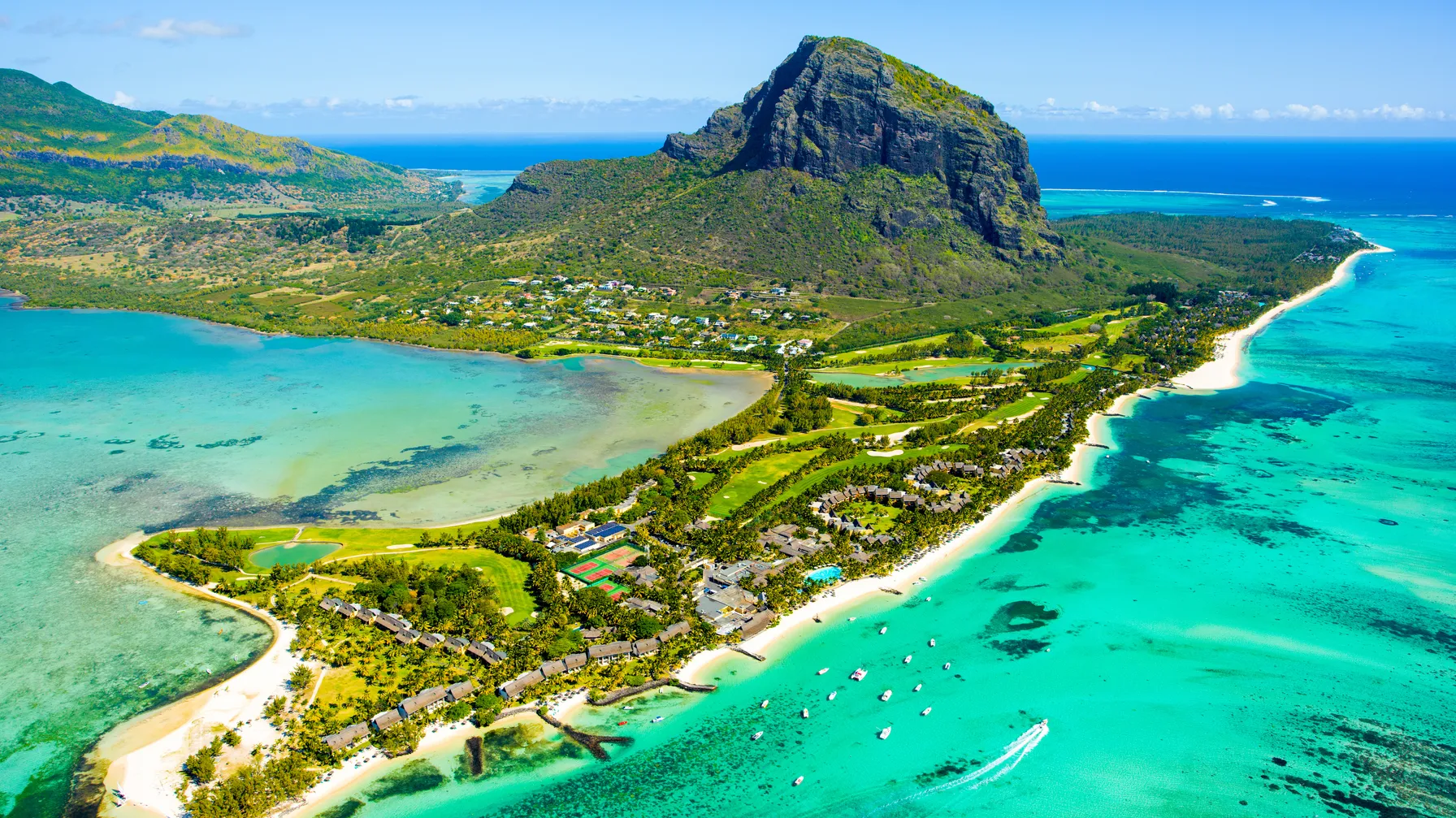
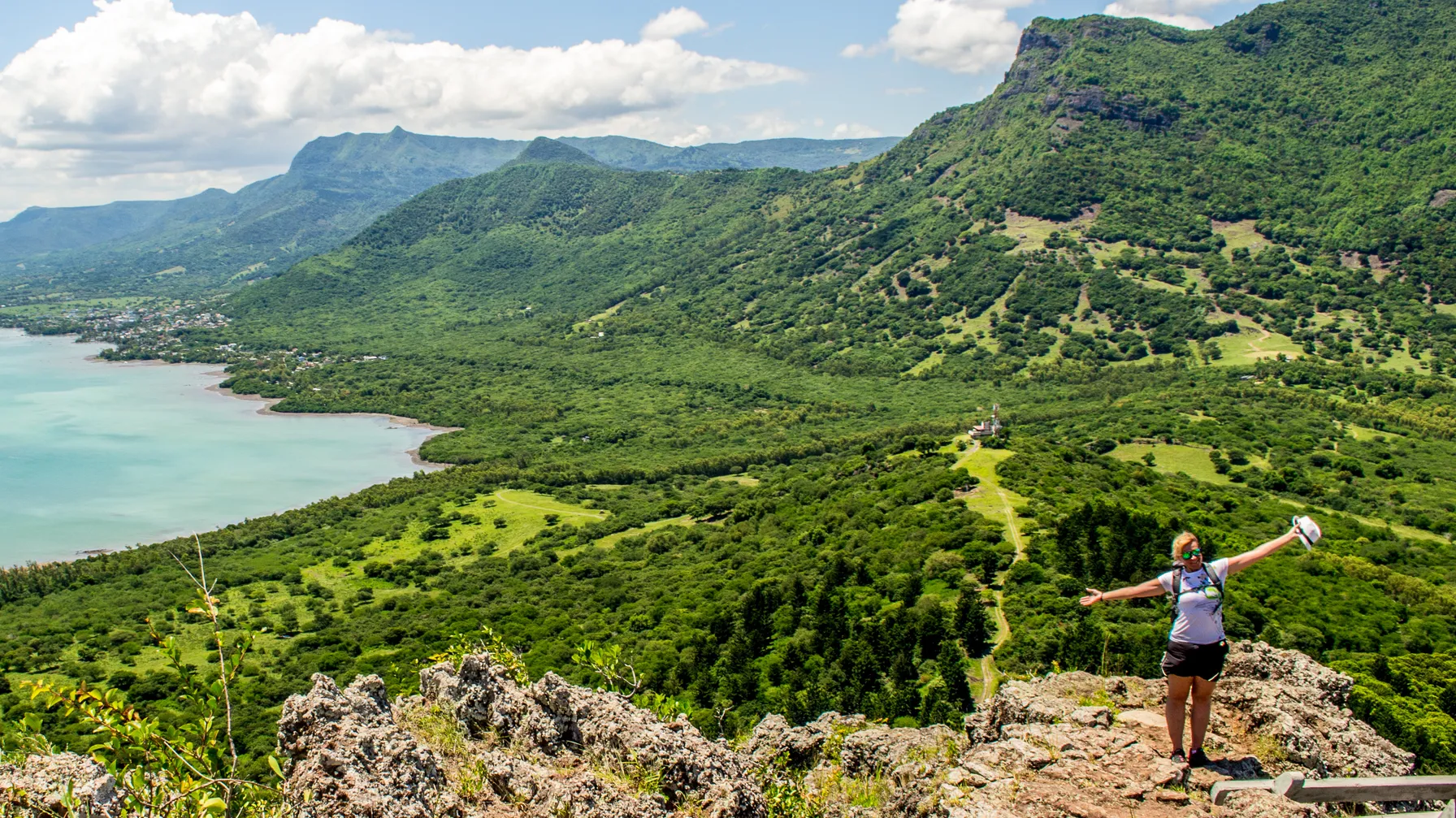
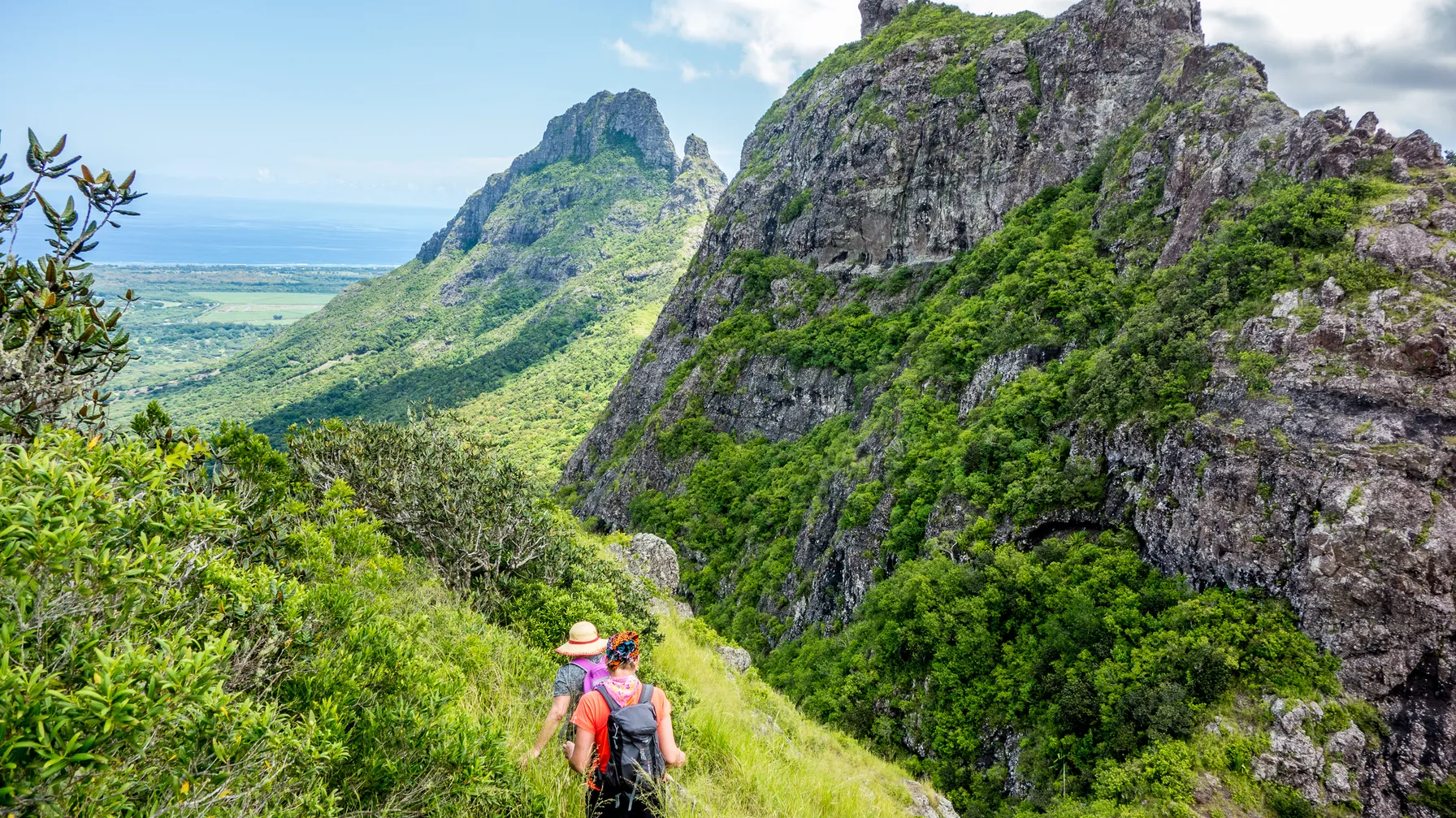
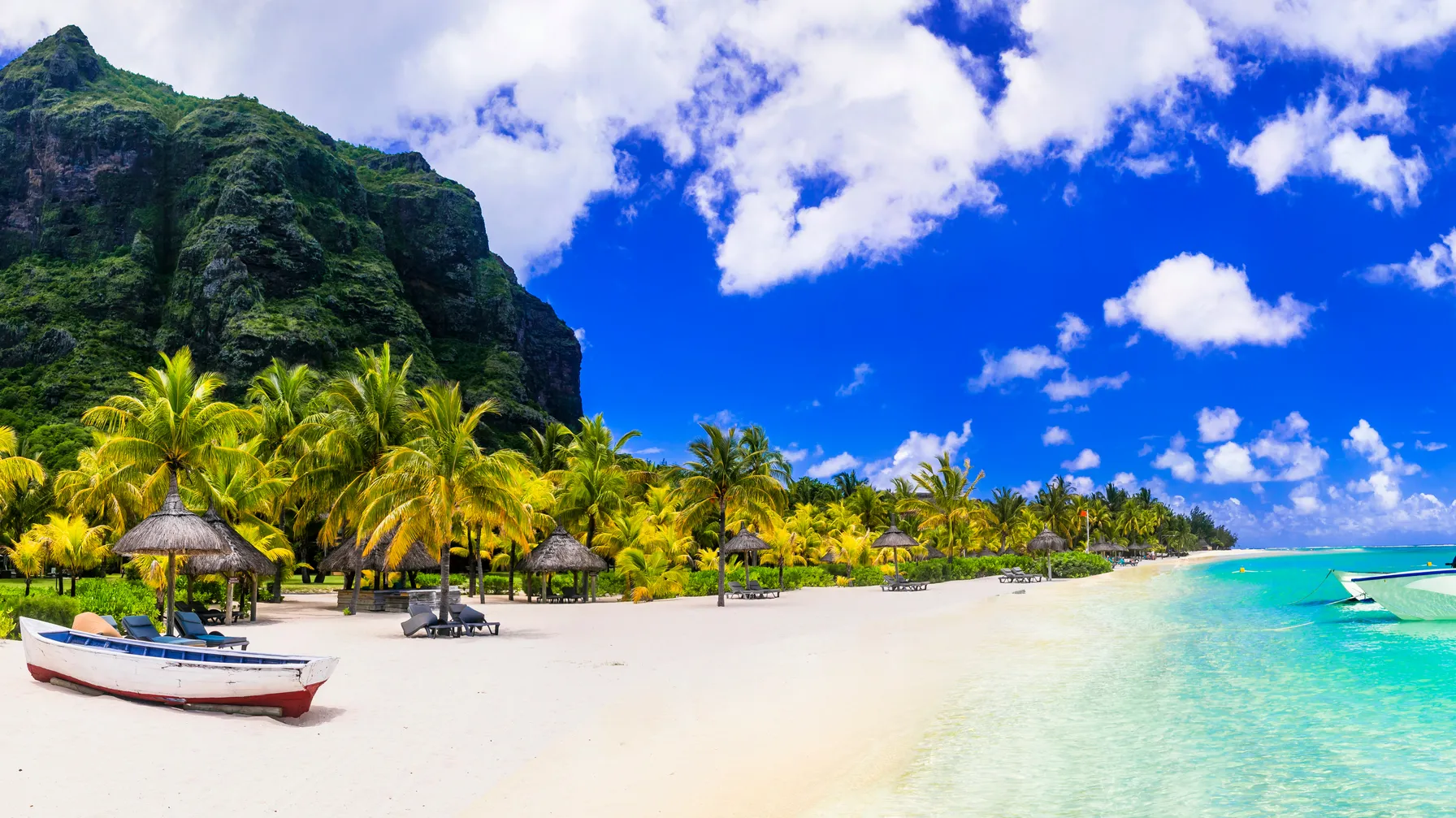
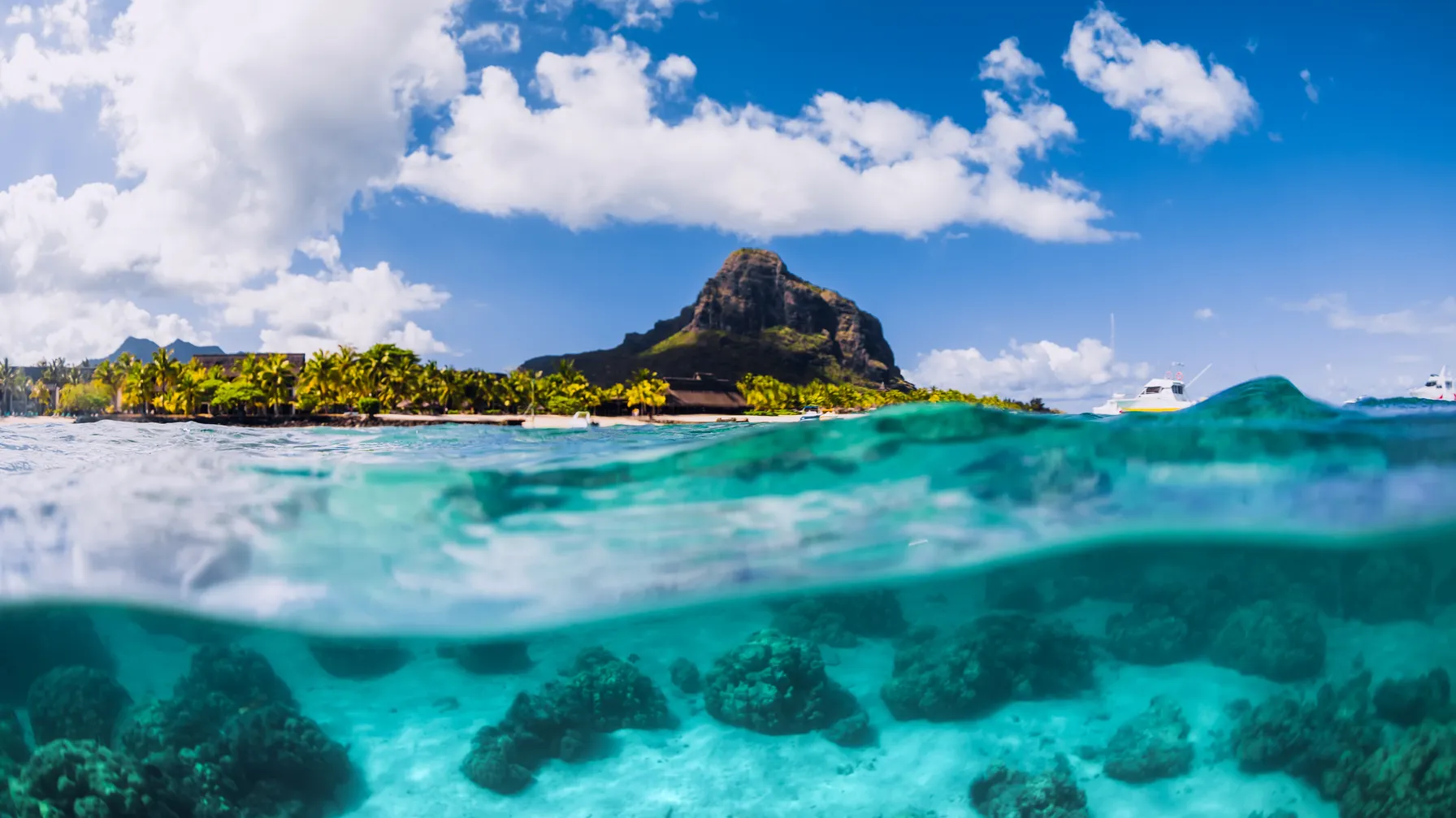
The cultural landscape of Le Morne is the second UNESCO gem. This mountain symbolizes the resistance of maroon slaves who found refuge there. Hiking to the summit offers not only spectacular views but also a poignant history lesson on the quest for freedom.
Port Louis, the capital, is home to numerous colonial buildings reflecting different periods of colonization. The Port Louis theater, despite its current state, remains an architecturally significant symbol. Central markets immerse you in the bustling local commercial scene, where a blend of colors, scents, and authentic flavors thrives.
Intangible heritage and living traditions
The intangible Mauritian heritage, recognized by UNESCO, constitutes the true soul of Mauritian culture. The traditional sega, an iconic dance of African origin, intensely expresses collective emotions. Accompanied by the ravane, a traditional percussion instrument, the sega tells of the joys and sorrows of the Mauritian people.
Local crafts perpetuate ancestral know-how. Model ships, carefully crafted, faithfully reproduce traditional Indian Ocean vessels. These artworks reflect Mauritians' special relationship with the sea.
Weaving, wood carving, and basketry transmit techniques inherited from different communities. Each object tells a story, that of a people who have preserved their traditions while adapting to modernity.
How to organize your Mauritian cultural discovery?
A successful immersion in Mauritian culture requires planning adapted to your interests and the local event calendar.
Essential festivals and celebrations
The Mauritian cultural calendar punctuates the year with exceptional festivities. Thaipoosam Cavadee, a spectacular Tamil celebration, transforms the streets into colorful processions where devotees fulfill their vows with impressive fervor. This ceremony will allow you to understand the importance of spirituality in everyday Mauritian life.
Grand Bassin, a sacred lake located in the mountains, becomes the scene of grandiose pilgrimages, especially during Maha Shivaratri. Thousands of devotees walk there, creating an atmosphere of communal reflection and sharing.
The Chinese New Year brings its flamboyant colors and festive traditions to the Sino-Mauritian quarters. Dragon parades, fireworks, and family meals create a joyful atmosphere that permeates the entire island. This period reveals the Chinese influence on Mauritian culture and traditions.
Divali, the Hindu festival of lights, literally illuminates Mauritius. Homes are adorned with thousands of small oil lamps, creating a magical spectacle visible from space. Participating in the celebrations will give you an authentic glimpse into Mauritian generosity.
Practical tips for a successful immersion
Plan your cultural stay considering the seasons and local events. The period from May to October offers an ideal climate for outdoor visits and coincides with several important festivals.
Specialized guided tours will greatly enrich your experience. Passionate local guides will share anecdotes and explanations that elude the independent visitor. Book in advance, especially for UNESCO sites where access may be limited.
The visiting hours of temples and places of worship vary by religious community. Respect dress codes: covering clothes in temples, decent attire in all sacred places. This consideration demonstrates your respect for local traditions.
Learning a few words of Mauritian Creole will facilitate your interactions with residents. "Bonzour" for hello, "Mersi" for thank you: these simple words will immediately open hearts and enrich your encounters.
Contact us for more information on the best times to go
Frequently asked questions
What is the best time to discover Mauritian culture?
The dry season, from May to October, is the ideal time to explore Mauritian cultural heritage. The mild climate facilitates movement and coincides with many important religious festivities.
How to respect local customs during cultural visits?
Adopt appropriate attire in sacred places, remove your shoes before entering temples, and ask for permission before photographing religious ceremonies. These simple gestures show your respect for Mauritian culture.
Can children participate in cultural discoveries?
Absolutely, Mauritius warmly welcomes families. Colorful festivals, craft demonstrations, and séga performances will captivate children while offering them enriching cultural exposure.