Guide to Hanoi: everything you need to know for a successful trip to the Vietnamese capital
Why choose Hanoi as a travel destination?
The Vietnamese capital offers an incomparably rich travel experience, blending cultural authenticity and refinement. Your stay in this millennial metropolis promises unique discoveries that leave a lasting impression.
A millennial capital with exceptional heritage
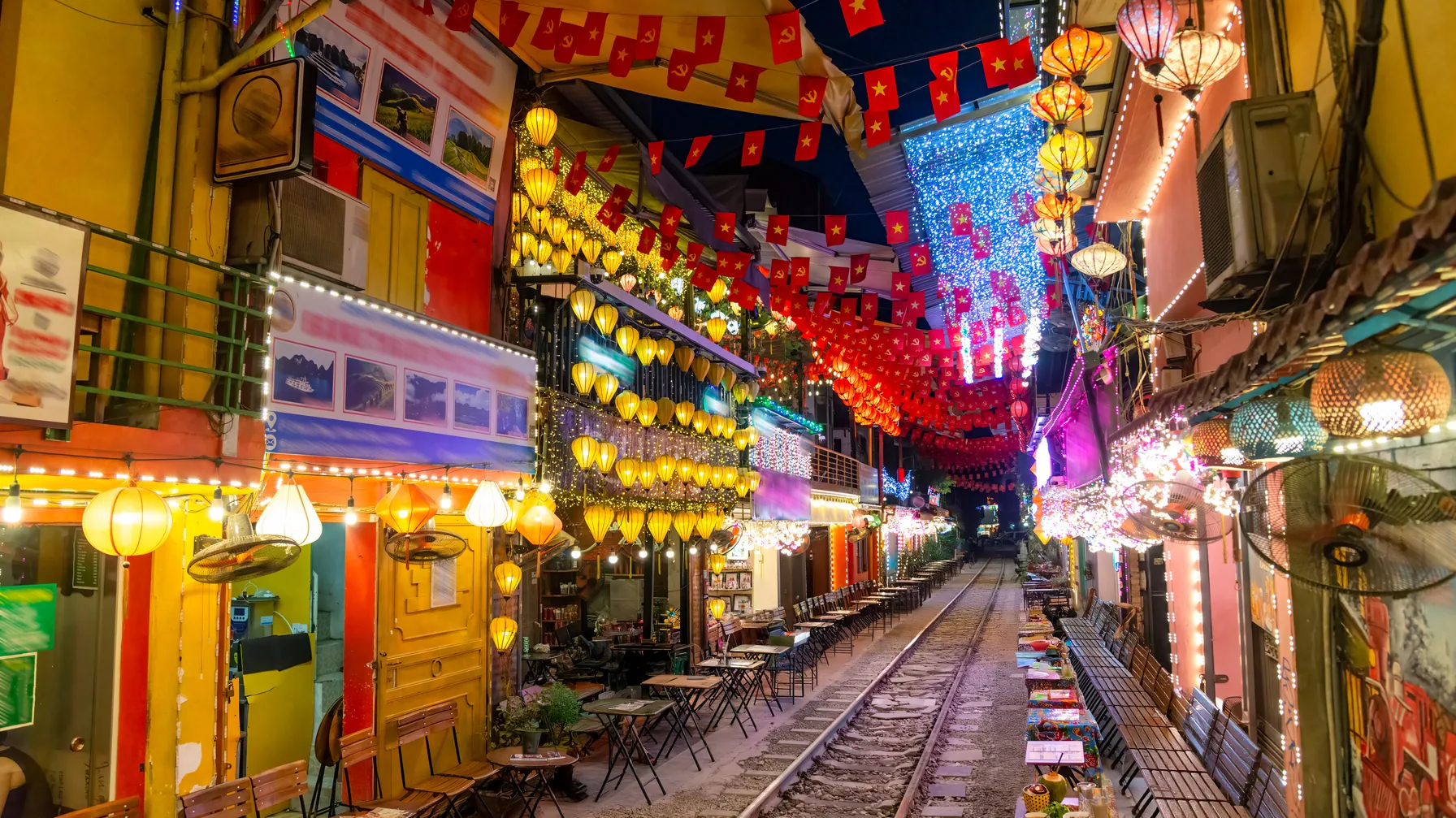
Founded under the name of Thang Long in 1010, Hanoi harbors architectural treasures that testify to its tumultuous history. The old quarter of the 36 guilds is the soul of the city, where each street still bears the name of its former guild of artisans. You will wander through this labyrinth of narrow lanes lined with traditional tube houses, true witnesses of the ancient Vietnamese architecture.
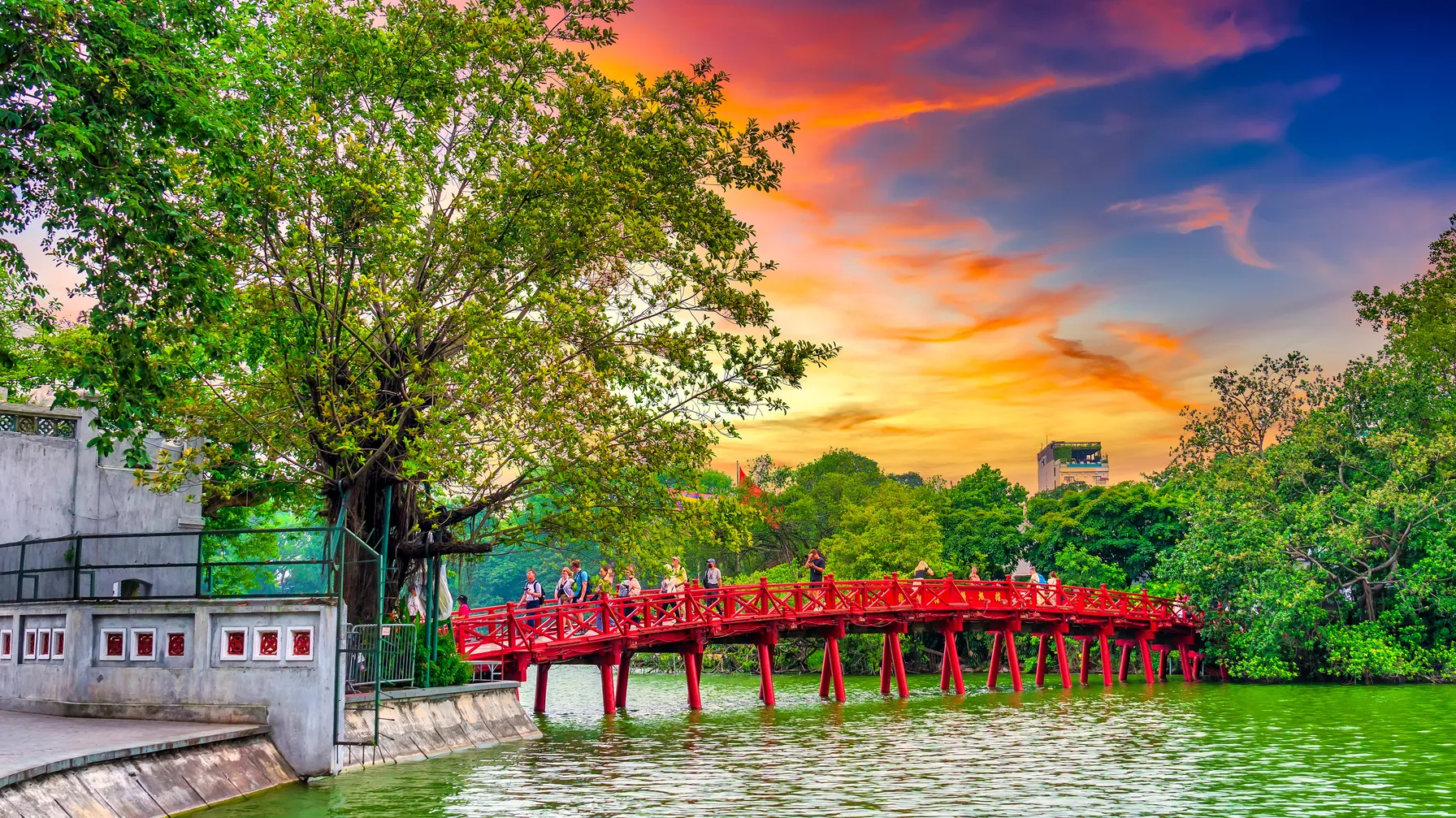
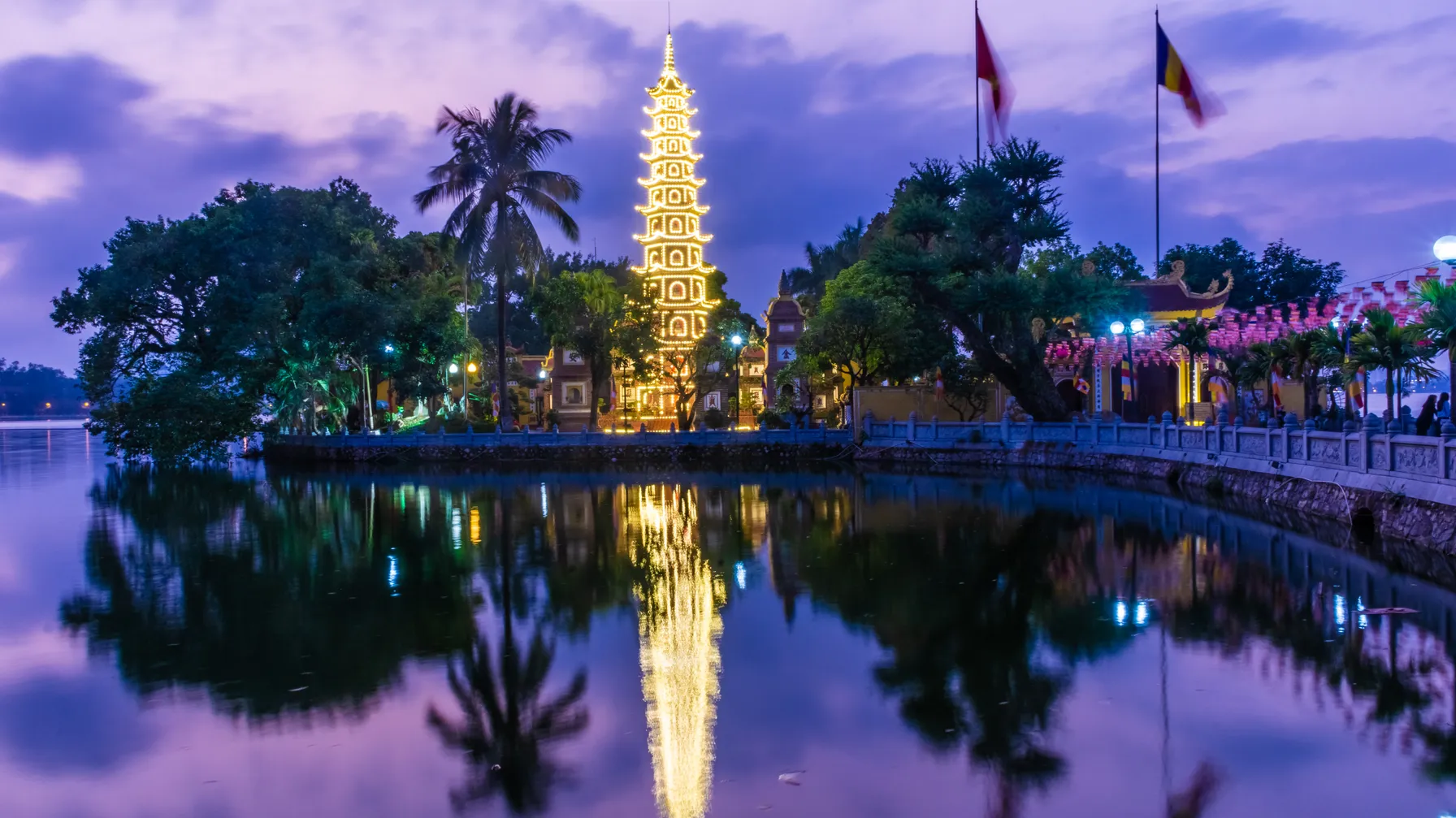
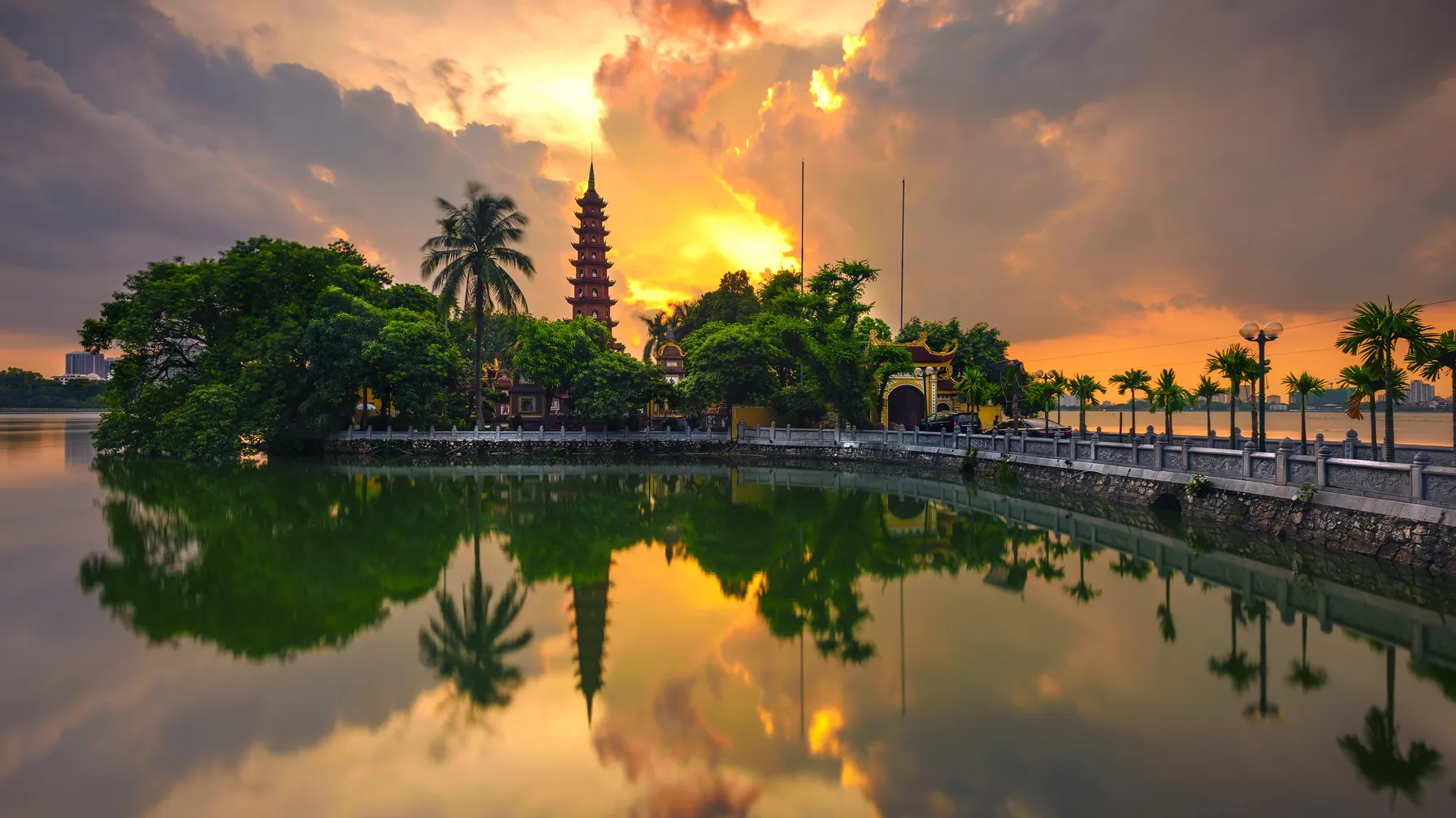
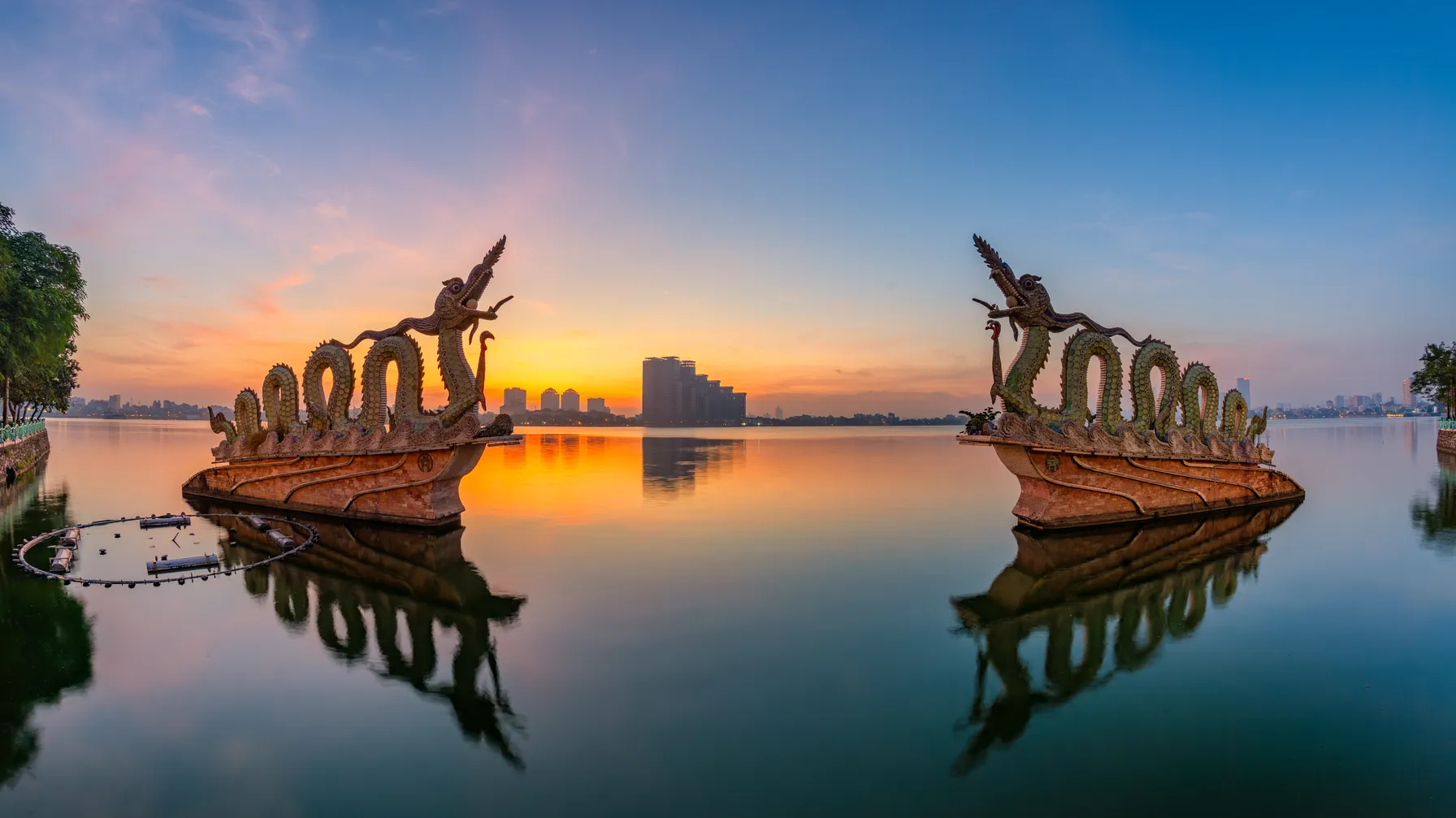
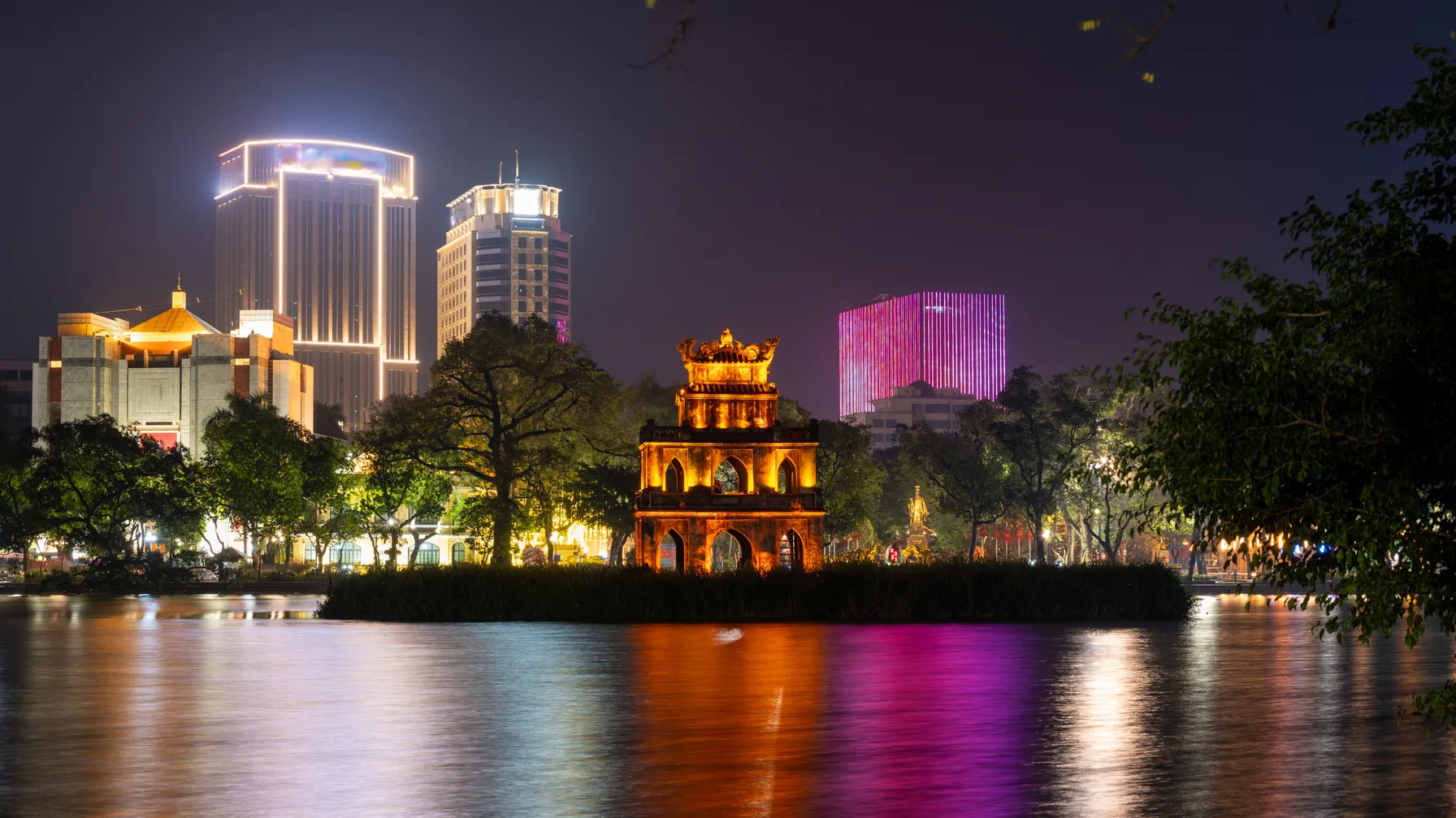
Hoan Kiem Lake, the beating heart of the capital, will captivate you with its serenity contrasting with the urban hustle and bustle. Its legend of the restored sword still permeates the atmosphere of the Hanoi neighborhood surrounding it. Nearby, Tran Quoc Pagoda, built in the 6th century, stands majestically on the shores of the West Lake, offering a perfect example of Vietnamese Buddhist art.
The French influence is evident in the colonial architecture of the Ba Dinh district, where European and Asian styles blend harmoniously. This architectural diversity makes the Vietnamese capital a true open-air museum.
A refined and authentic culinary scene
Hanoi's gastronomy represents one of the greatest pleasures of your bespoke journey. Vietnamese cuisine here reaches peaks of refinement, notably with the famous bun cha, a signature dish combining grilled pork, rice vermicelli, and fresh herbs in a harmony of subtle flavors.
Vietnamese dishes reveal their authenticity in the street food stalls of the old quarter, where you can taste the steaming morning phở, crispy nem, or bánh mì stuffed according to ancestral recipes. This street cuisine, far from ordinary, constitutes a true cultural experience where flavors tell the story of Vietnam.
Local markets are full of fresh produce and fragrant spices that make up this unique taste palette. Each tasting becomes a sensory journey that intimately connects you to the Vietnamese soul.
Contact us for more information about our bespoke culinary tours
An ideal starting point to explore the north of Vietnam
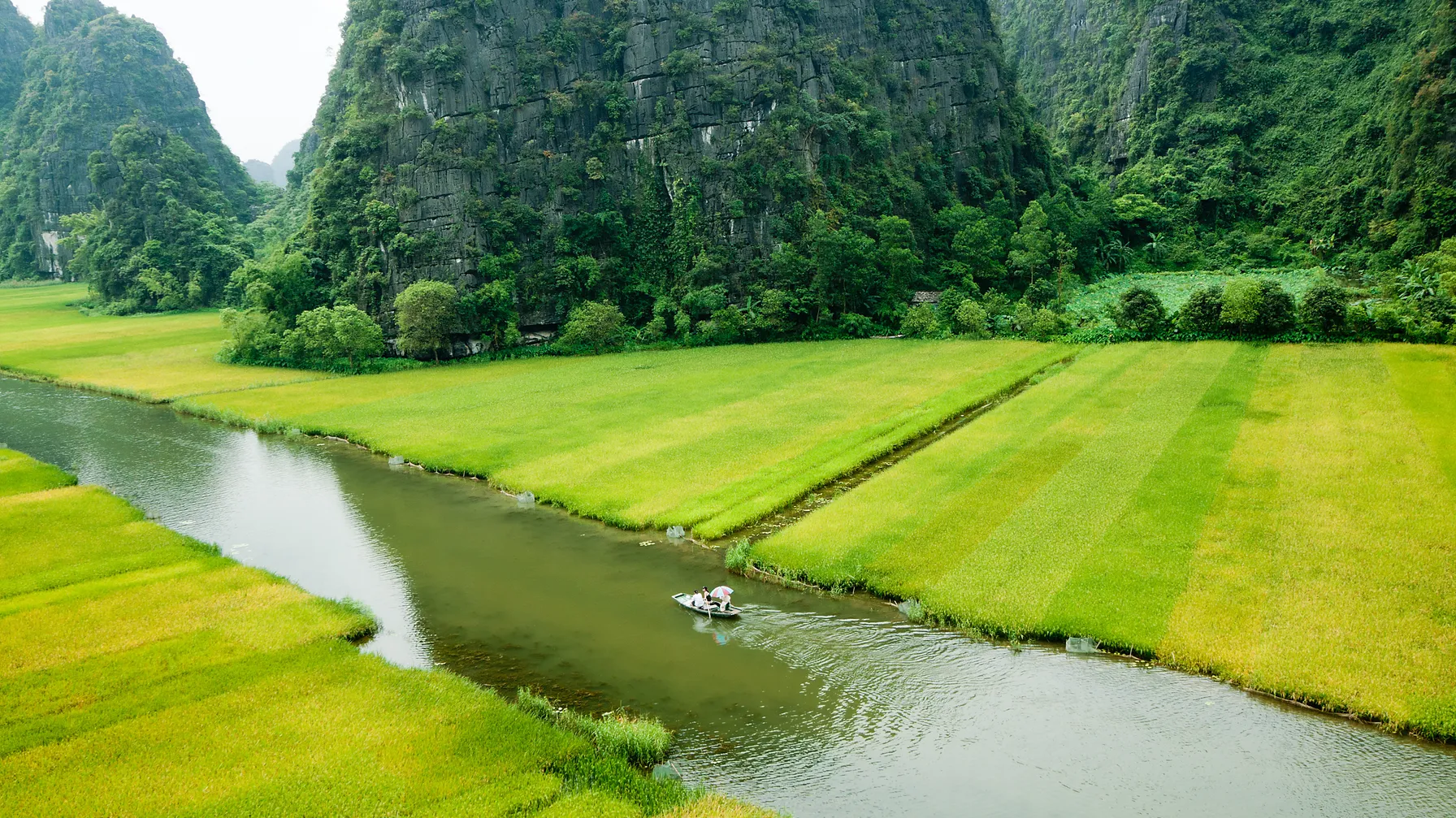
Your stay in Hanoi naturally opens the doors to the wonders of northern Vietnam. The proximity to Ninh Binh, nicknamed the "land Halong Bay," allows you to discover breathtaking karst landscapes where rivers and mysterious caves snake through.
The legendary Halong Bay is accessible for a day trip or a longer cruise depending on your preference. The mountains of Ha Giang offer spectacular panoramas for trekking enthusiasts and authentic ethnic encounters.
The Mai Chau valley charms with its terraced rice fields and traditional villages where hospitality among the locals provides unforgettable moments of sharing. This strategic position of Hanoi transforms your trip into a true odyssey through the cultural and landscape diversity of northern Vietnam.
When is the best time to visit Hanoi for an optimal stay?
The choice of travel period greatly influences the quality of your experience in the Vietnamese capital. Understanding the climatic and seasonal subtleties helps you optimize your planning.
Deciphering the tropical climate of the capital
Hanoi enjoys a humid subtropical climate marked by four distinct seasons, a rare feature in Southeast Asia. Winter, from December to February, brings cool temperatures ranging from 15°C to 20°C, with moderate humidity and often gray skies. This period requires warm clothing but remains very pleasant for visiting Hanoi without the stifling heat.
Spring (March-May) features ideal weather with mild temperatures around 25°C and beautiful blooming in parks and gardens. Summer (June-August) brings intense heat and humidity, with temperatures exceeding 35°C and frequent but short tropical showers.
Autumn (September-November) is the golden season with perfect temperatures around 26°C, bearable humidity levels, and clear skies. This period reveals Hanoi at its most beautiful, with particularly photogenic lighting.
Select the period according to your travel expectations
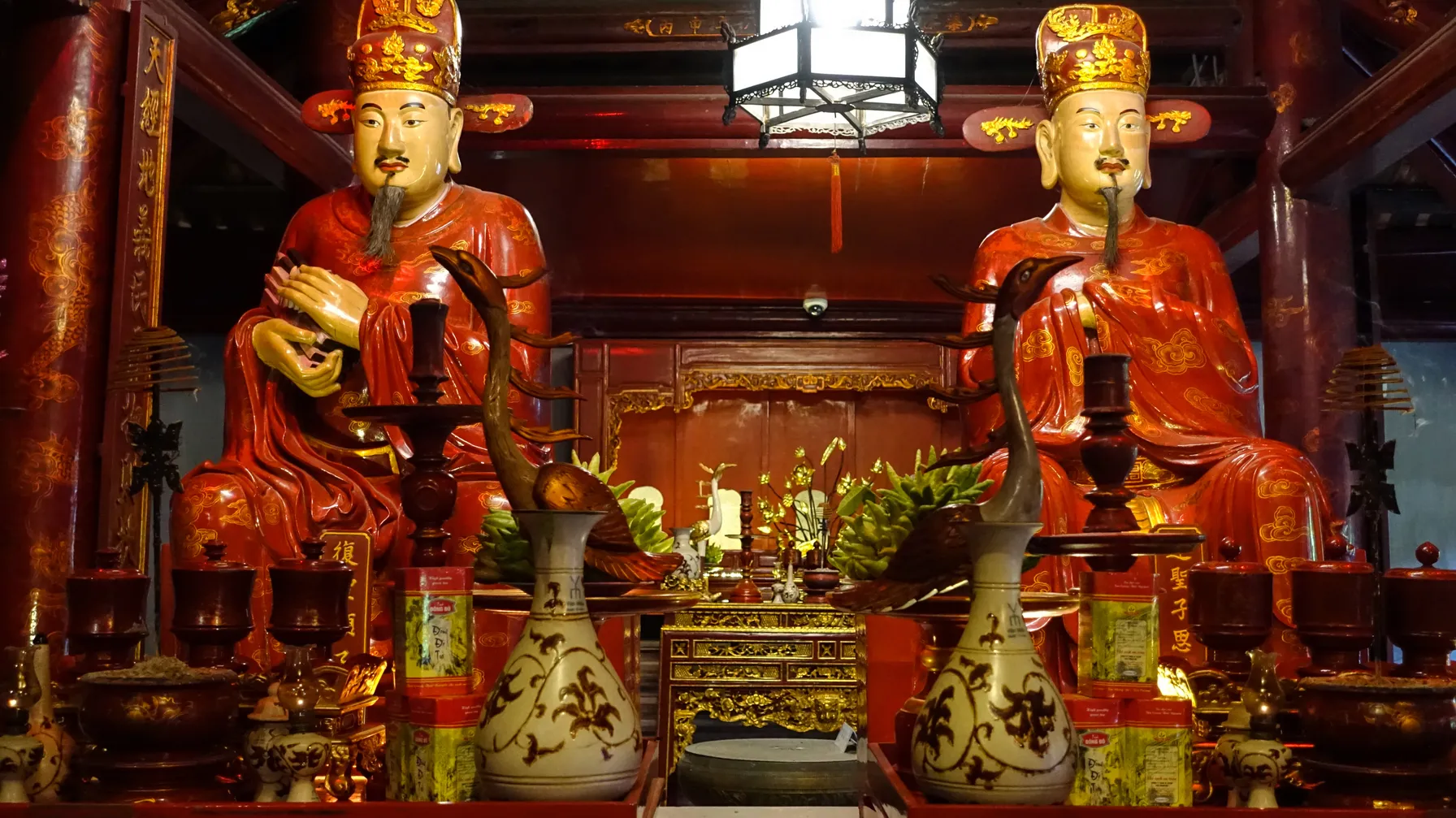
For a deep cultural discovery including museums and temples, prefer the period from October to April. The mild temperatures facilitate long walks through the old town and allow you to fully enjoy the atmosphere of the Ethnography Museum or the first Vietnamese university, the Temple of Literature.
Gastronomy enthusiasts will find their delight all year round, but fall and winter offer optimal conditions to enjoy traditional hot dishes in the cozy atmosphere of street restaurants.
Book your trip to Hanoi now to enjoy the best conditions
If your custom trip combines Hanoi with the mountainous regions of the north, avoid the rainy season (June-September) which can complicate travel. The dry season favors excursions to Ha Giang or homestays in remote valleys.
| Month | Average Temperature | Rainy Days | Crowd Level | Ideal for |
|---|---|---|---|---|
| Oct-Nov | 24-26°C | 3-5 days | High | Culture, gastronomy |
| Dec-Feb | 15-18°C | 2-3 days | Moderate | Visits, authenticity |
| Mar-May | 20-25°C | 5-8 days | Moderate | Complete discovery |
What should you know before heading to Hanoi?
Thorough preparation ensures the success of your Vietnamese getaway. Certain practical and cultural aspects deserve your attention in order to immerse yourself serenely in the Hanoi universe.
Essential preparations and formalities
French nationals benefit from a visa exemption for a tourist stay not exceeding 45 days, provided they have a passport valid six months after the return date. This administrative convenience greatly simplifies the organization of your custom trip.
The local currency, the Vietnamese dong (VND), is easily exchanged in the exchange offices of the old quarter. Plan to have cash on hand for small shops and street food, although credit cards are accepted in tourist establishments.
No vaccinations are required, but keeping up to date with universal vaccinations (tetanus, diphtheria, polio) is still recommended. A first aid kit and sun protection are wise additions to your luggage.
Cultural codes and practical tips on site
Vietnamese etiquette values discretion and respect for elders. During your visits to Ngoc Son Temple or the pagodas, adopt a covering outfit and remove your shoes before entering sacred places. These marks of respect facilitate exchanges with the local population.
The dense flow of motorbikes characterizes the urban identity of Hanoi. Crossing the streets requires patience and steady progression without sudden movements - drivers will naturally avoid you. This urban dance is an integral part of the cultural experience.
The art of bargaining in markets is part of the joys of travel. Start discussions with a smile and don't hesitate to bargain respectfully - it's often expected and appreciated. These interactions create authentic moments of sharing that enrich your stay.
Learning a few Vietnamese words ("xin chào" for hello, "cám ơn" for thank you) demonstrates your interest in the local culture and greatly facilitates encounters. This openness transforms your travel guide into a true cultural passport.
Contact us for more information
Demandez votre devis Hanoi sur-mesure 100% gratuit
 4.8
4.8+3.000 travelers satisfied