Gastronomy in Cape Verde: must-try flavors to discover
What makes Cape Verdean cuisine so unique?
The Cape Verdean cuisine resembles no other. Shaped by centuries of cultural mixing, it carries within it the influences of all the peoples who have crossed or inhabited the archipelago, making each meal a true moment of sharing.
A culinary heritage shaped by several cultures
From the early Portuguese colonizations in the 15th century, the Cape Verde islands became a crossroads between Africa, Europe and South America. This history is read directly in the dishes. The Portuguese colonists introduced rice, olives and certain preparation techniques, while African populations, notably Senegalese, transmitted their own culinary knowledge from generation to generation. Feijoada, a bean stew of Lusophone-Brazilian origins, perfectly illustrates this dialogue between cultures. Today, Cape Verdean cuisine relies on a base of corn and legumes, augmented on the islands by local meats, fish and mild spices.
Locally sourced products of remarkable diversity
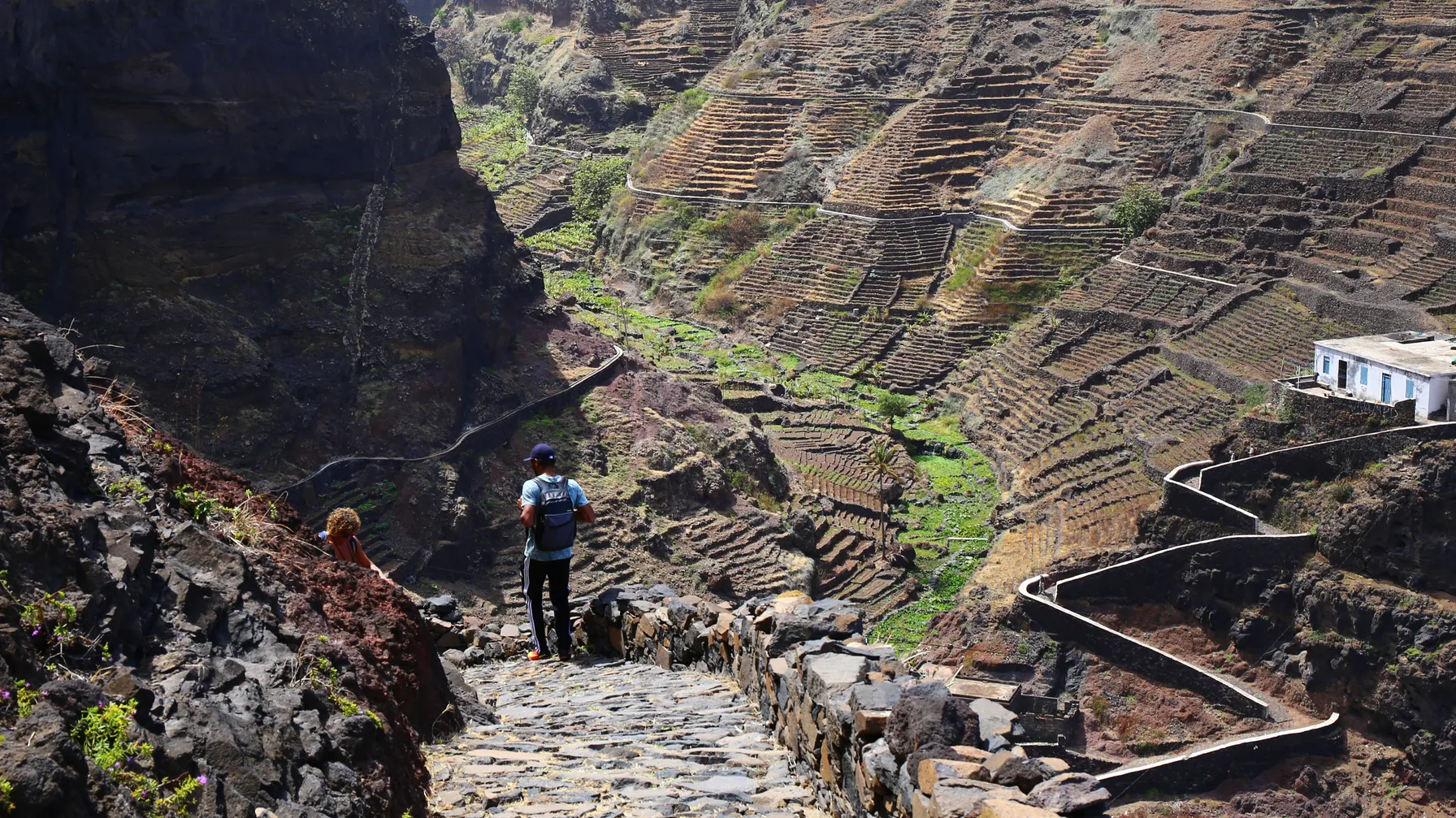
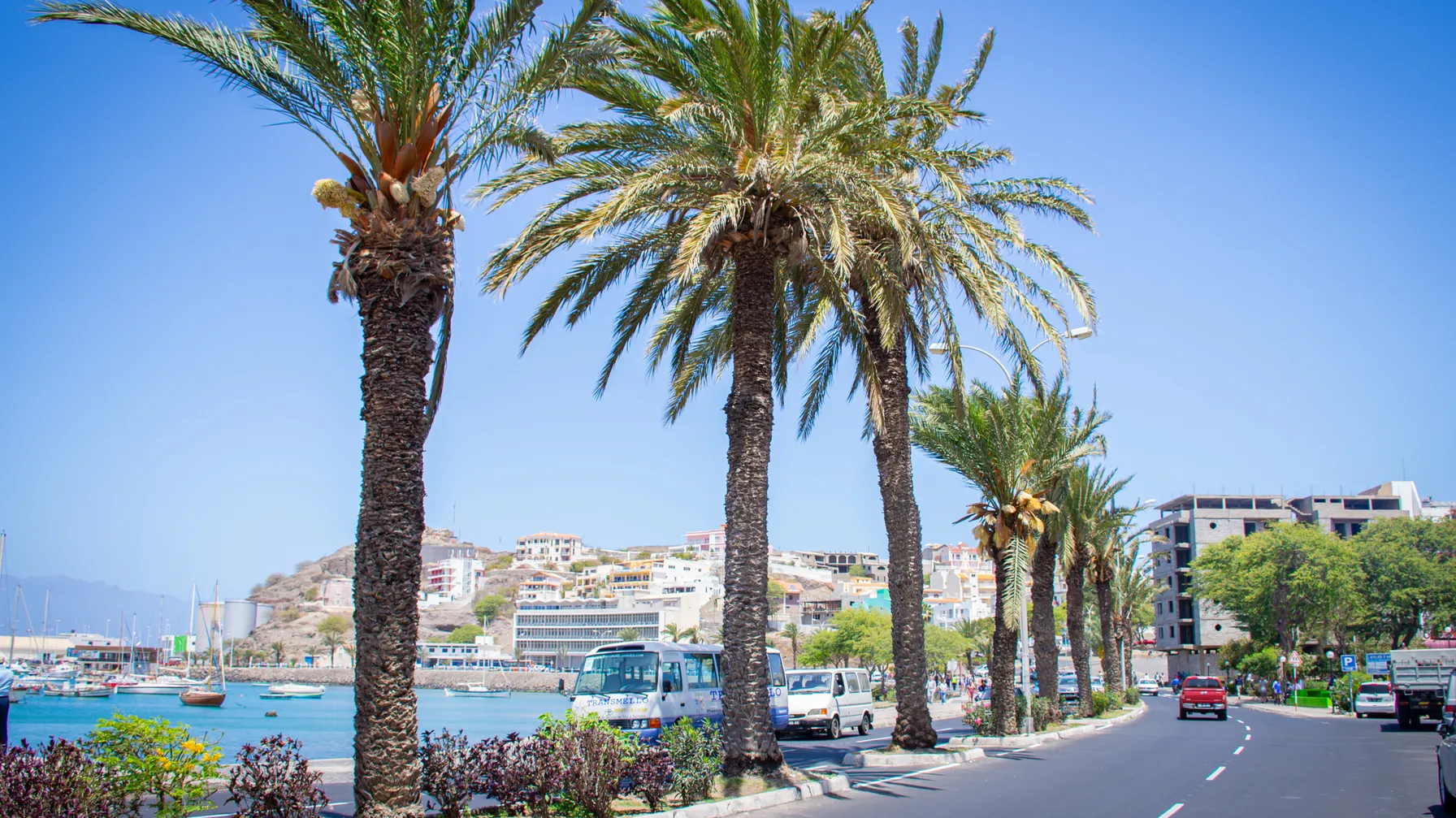
What also distinguishes Cape Verdean cuisine is the quality of its ingredients. Seafood plays a central role there: tuna, octopus, lobster, grouper and moray eel are found on almost every archipelago table. On the land side, sweet potatoes, potatoes, cassava and pumpkin make flavorful and nourishing accompaniments. On islands such as São Vicente or Boa Vista, the tropical fruits abound: mangoes, papayas, coconuts and green bananas bring freshness and color to everyday dishes. The island of Fogo, for its part, is renowned for its coffee with chocolatey notes and its red wine produced on unique volcanic soils.
Contact us for more information about our trips to Cape Verde and to tailor your stay to your needs.
Demandez votre devis Cape Verde sur-mesure 100% gratuit
 4.8
4.8+3.000 travelers satisfied
What are the essential Cape Verdean culinary specialties?
Immersing yourself in Cape Verdean cuisine is, above all, about letting yourself be guided by the dishes that shape the daily lives of the inhabitants. Each island has its own culinary accents, but some flavors stand out as absolute essentials.
Cachupa and the great classics of Cape Verdean cuisine
The national dish par excellence is cachupa. This stew simmered for several hours combines corn, beans, vegetables and, depending on the occasion, meat or fish. There are two versions: cachupa pobre, vegetarian and simpler, and cachupa rica, enriched with pork, chorizo or tuna. The next morning, leftovers reheated in a pan with a fried egg give rise to cachupa refogada, a breakfast as rustic as it is appetizing.
Beyond cachupa, Cape Verdean culinary specialties deserve all the attention:
- Moray eel: marinated, floured and fried moray eel, served on special occasions, notably on the island of Santiago ;
- Pastel: a crispy fritter filled with tuna or meat, ideal for an authentic street-food break ;
- Jagacida: a rice-and-bean stew, often served as an accompaniment to grilled fish ;
- Cape Verdean couscous: made from ground maize steamed, it can be enjoyed both in sweet and in savory versions.
Drinks, desserts and small island treats
Cape Verdean gastronomy doesn't stop at dishes. Artisanal beverages occupy a strong symbolic place in the local culture. Grogue, distilled from sugarcane, notably on Santo Antão, is the archipelago's emblematic agricultural rum. Sweetened with honey and lime, it becomes ponche, a soft and fragrant digestif that is gladly shared at the end of a meal. For wine lovers, the island of Fogo produces a powerful and mineral red from exceptional volcanic soils.
On the dessert side, goat cheese flan attracts with its dense and caramelized texture. It is often served with a doce de papaya, a homemade jam made from ripe papaya and lime, a true signature of Cape Verdean tables.
How to fully experience Cape Verdean cuisine during your trip?
Discovering a destination's cuisine is meeting its people, their habits, and daily life. In Cape Verde, there are plenty of opportunities to experience this sensory journey in depth.
<p>Markets, local addresses and island-to-island flavors</p>
The local markets are the first instinct to adopt. In Mindelo on the island of São Vicente or at the bustling stalls on the island of Santiago, you will find the fresh catch of the morning, shellfish, tropical fruits and artisanal goat cheeses. It is also there that culinary transmission is perpetuated, in simple gestures and jealously guarded family recipes.
Local neighborhood eateries often offer the best meals. The advice from our Travel Planners: always ask for prato do dia, the dish of the day prepared with morning ingredients. It's often the most authentic way to taste Cape Verdean cuisine, without frills. For a more structured experience, some local providers organize food tours or cooking classes, allowing you to learn how to prepare cachupa or Cape Verdean couscous alongside passionate locals.
<p>Which period should you choose to enjoy Cape Verdean flavors?</p>
Cape Verde enjoys a stable climate year-round, which guarantees a constant availability of local products. Some periods, however, offer a more intense culinary experience:
| Period | \nWhat you find | \n
|---|---|
| November to January | \nAbundant tropical fruits, seasonal lobsters | \n
| February to April | \nLocal festivals, festive atmosphere in Santiago | \n
| May to July | \nPelagic fish in peak season | \n
| August to October | \nBustling markets, products of artisanal fishing | \n
Book your trip to Cape Verde and enjoy a tailor-made gastronomic experience crafted down to the last detail.
Frequently asked questions
Is Cape Verdean cuisine spicy?
Unlike other West African cuisines, Cape Verdean cuisine is relatively mild. The local pepper, called malagueta, is almost always served on the side, which lets you adjust the heat to your preference.
Can you follow a gluten-free diet in Cape Verde?
A large part of typical dishes relies on corn and legumes, naturally gluten-free. Cachupa, jagacida, and grilled fish are suitable options. In tourist establishments, especially in Boa Vista or Santiago, staff are generally attentive to specific requests.
Where to buy Cape Verdean handicrafts to take home?
Grogue, ponche, and tropical fruit jams are easily found in local markets and artisanal shops, notably in Santo Antão and São Vicente. These flavorful souvenirs are a wonderful way to prolong the Cape Verdean experience once you return home.