Cape Verde culture: history, traditions and heritage to discover
What is the history of Cape Verde and how did it forge its cultural identity?
The history of Cape Verde is inseparable from the culture that emerged there. To grasp what makes the Cape Verde Islands so singular, one must go back to the origins of their settlement and the multiple waves of influence that shaped a unique identity in the world.
An archipelago born of the mixing of peoples
Uninhabited before their discovery in the 15th century, the Cape Verde islands were colonized by the Portuguese from 1462. The island of Santiago then welcomed the first European city under the tropics: Ribeira Grande, today a UNESCO World Heritage Site. Rapidly, the archipelago became a strategic crossroads of the triangular trade, a meeting place and mixing among African, European and Brazilian populations. From this complex and painful history, the Cape Verdean Creole society was born, a civilization in its own right, forged in diversity. The country gained independence on July 5, 1975, a date celebrated each year with pride across the entire archipelago.
Walking through the ruins of Cidade Velha, on the island of Santiago, is to grant oneself a rare moment: the moment of touching several centuries of history condensed into a few cobbled streets and colonial buildings. Every detail of this site bears witness to a pivotal era in the history of Cape Verde.
Creole, a reflection of a living identity
If Portuguese remains the official language, it is Creole, a Portuguese-based creole enriched with African influences, which constitutes the true cornerstone of the Cape Verdean identity. This language, spoken on each of the Cape Verde Islands, testifies to the deep blending of this society. It is the vehicle for engaged literature, for popular poetry, and for a strong orality that perpetuates the collective memory across generations.
What cultural traditions and what heritage to discover in Cape Verde?
Cape Verdean culture expresses itself through a multitude of forms: music, gastronomy, crafts and festivities. Each island has its own expressions, but all share this same creative energy and this sense of hospitality that define the Cape Verdean soul.
Music, the soul of the islands
In Cape Verde, music is not a mere entertainment: it is a way of being in the world. Morna, a melancholic and deeply poetic musical genre, is inscribed on UNESCO's intangible cultural heritage list. It expresses sodade, that distinctly Cape Verdean sentiment of nostalgia tinged with hope. Cesária Évora, from São Vicente, was its most famous ambassador on the international stage. Nicknamed "the Barefoot Diva", she carried Cape Verdean culture far beyond the archipelago's borders. Alongside her, artists such as Mayra Andrade or Elida Almeida perpetuate this heritage with an assured modernity.
Coladeira, with livelier and more playful rhythms, and funaná, born in the countryside of Santiago, complete a musical landscape of rare richness. Traditional instruments such as the cavaquinho or the ferrinho resonate at village celebrations, carnivals, and national festivities.
Festivals, crafts and local flavors
Cultural events punctuate island life throughout the year. The Baia das Gatas festival, held every summer on the island of São Vicente, has been one of the archipelago's most anticipated musical events since 1984. The Mindelo Carnival, for its part, ranks among the most colorful in Africa. On the islands of Santiago and Fogo, Tabanka, a ceremony that is both musical and spiritual, brings communities together for a week of intense sharing.
Local crafts deserve special attention. Pottery, sculptures in volcanic stone, basketry and batik, an artisanal dyeing technique emblematic of the archipelago, count among the most authentic souvenirs to take back. On the gastronomy side, cachupa, a maize and black bean stew enriched with meat or fish, is the indispensable national dish. Grogue, a sugarcane spirit, and the coffee from the island of Fogo, with its intense aromas, complete a memorable tasting experience.
How to organize a tailor-made cultural trip to Cape Verde?
Each island of Cape Verde offers a different cultural experience. To get the most out of it, thoughtful planning is essential, ideally with the help of a Travel Planner who knows the rare gems of each destination.
Islands with many faces
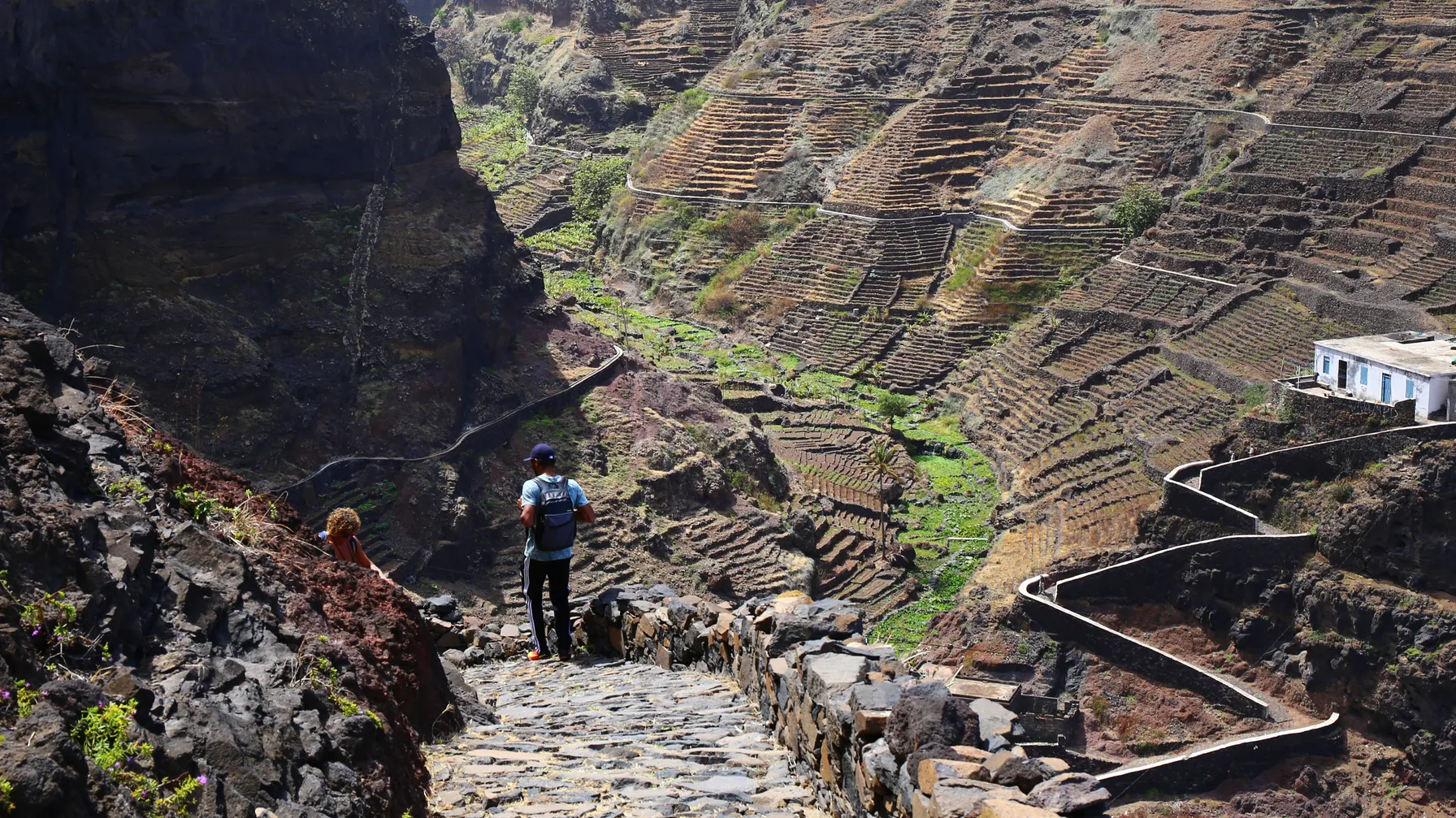
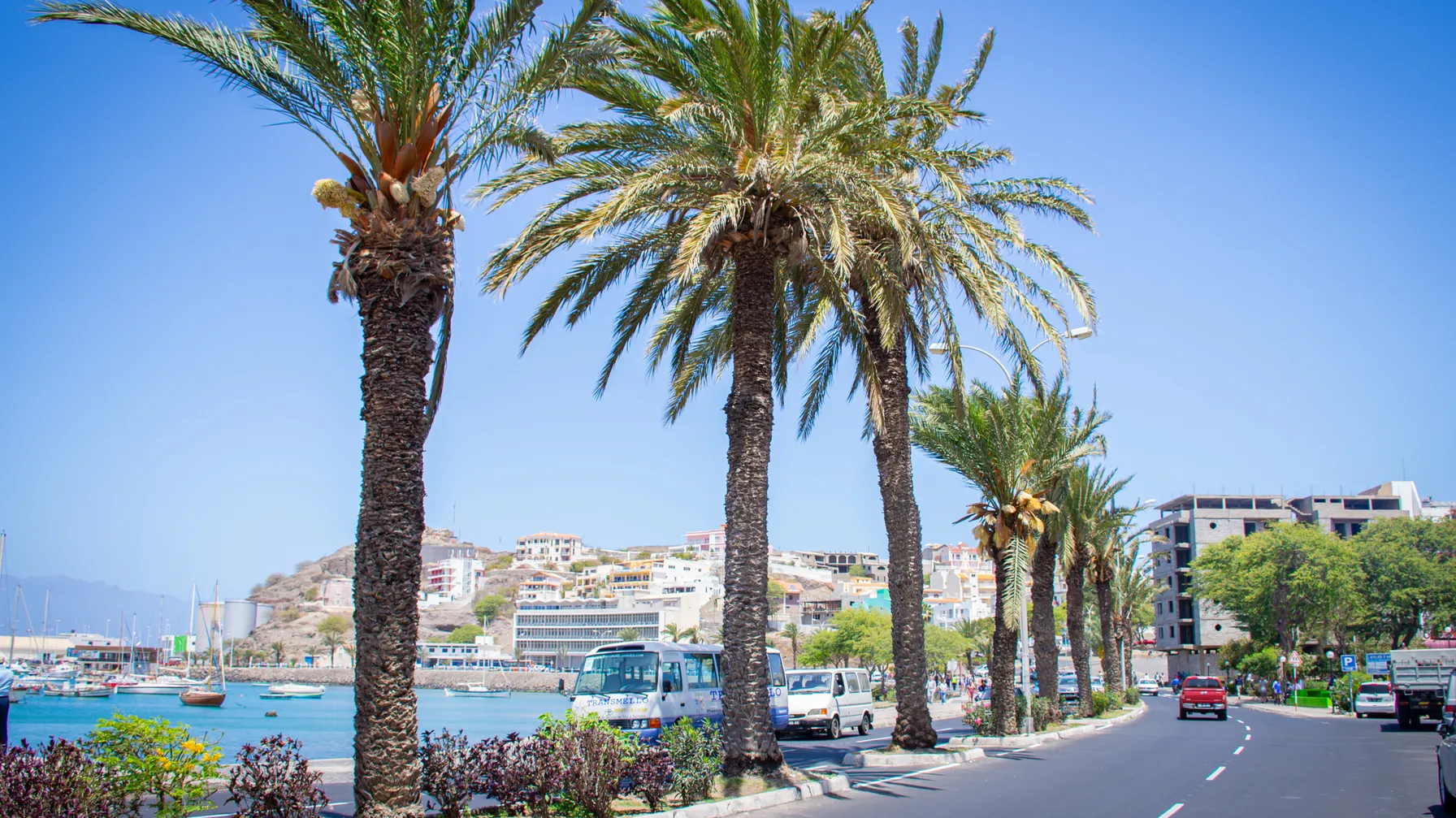
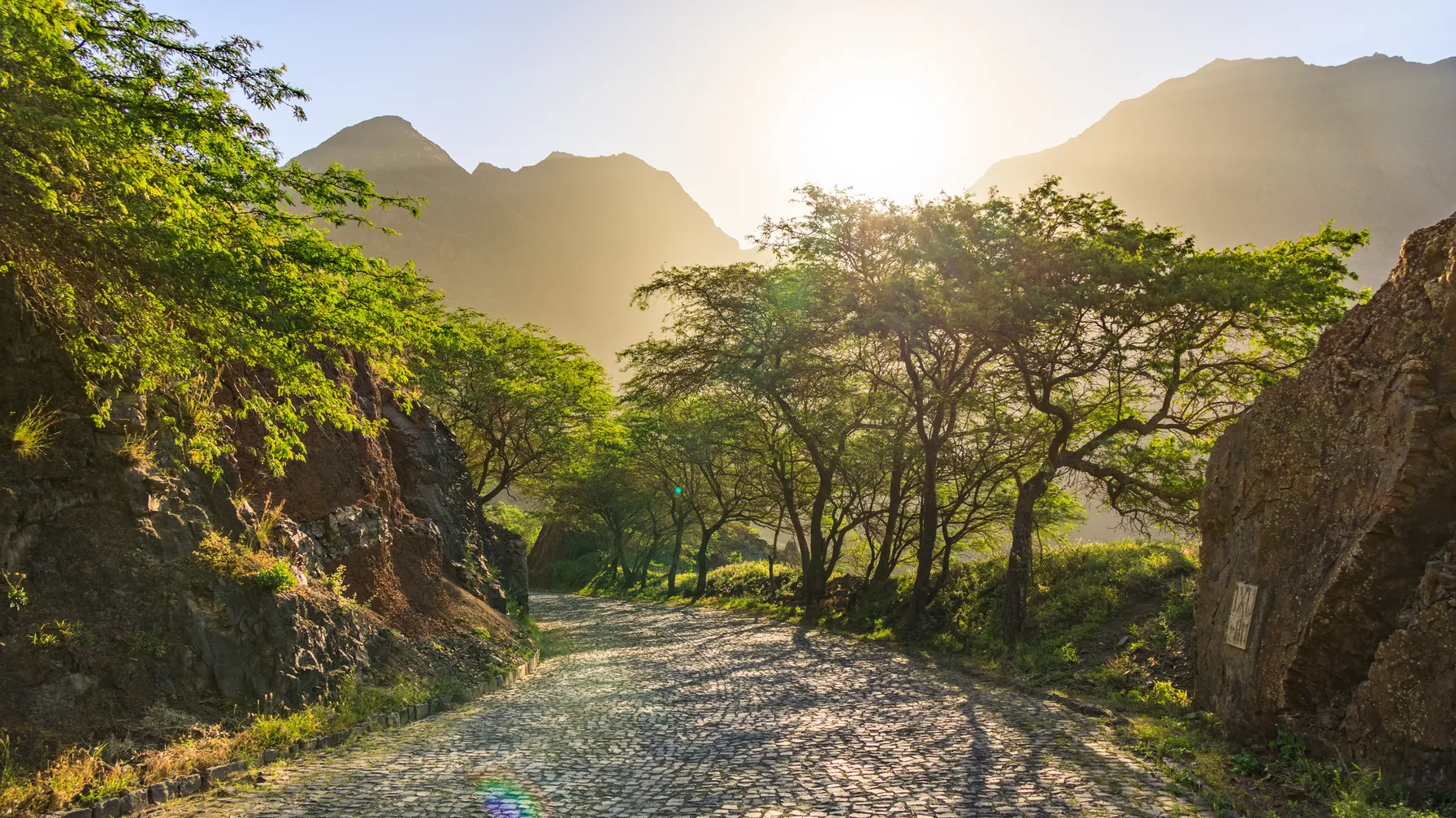
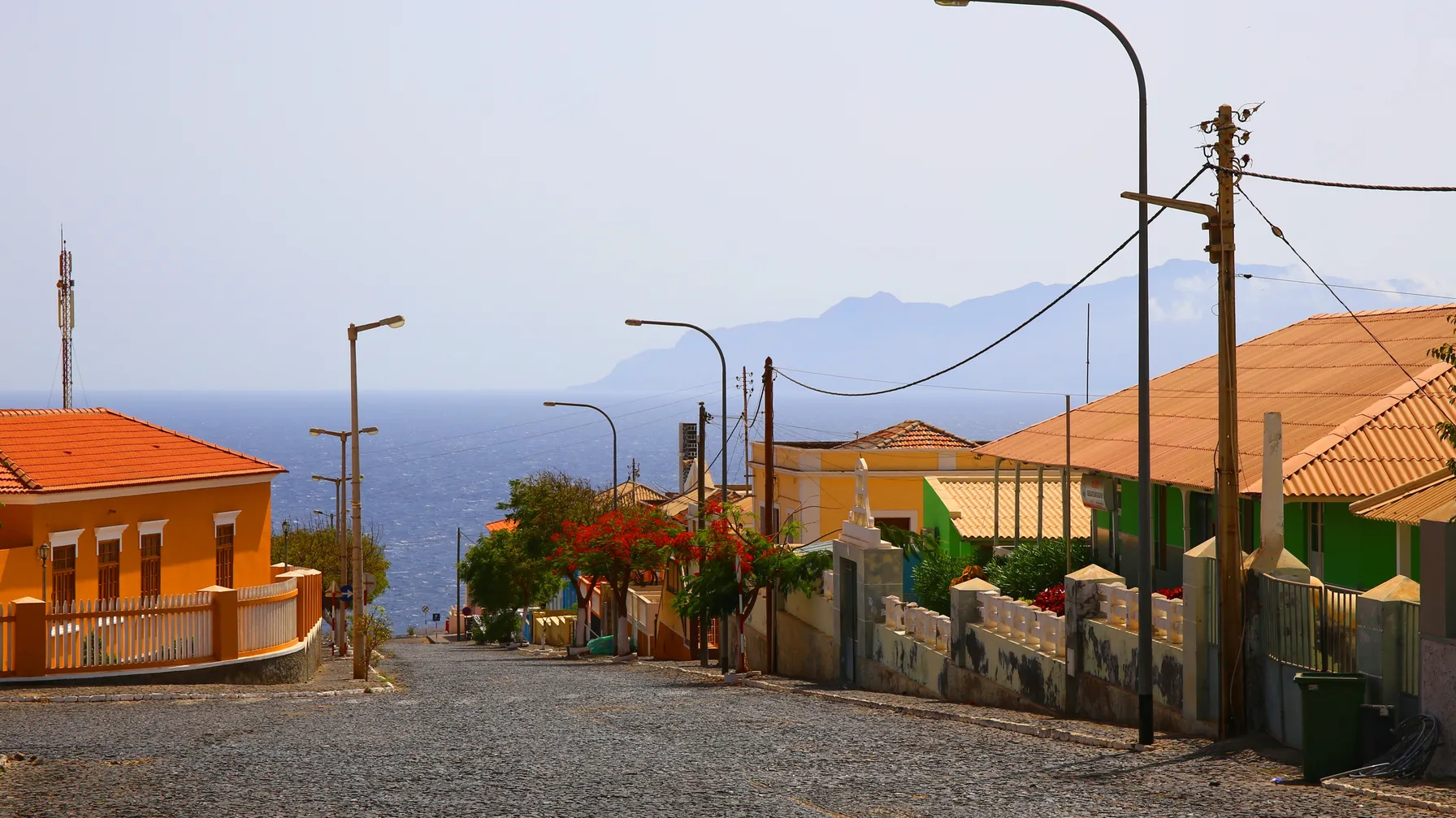
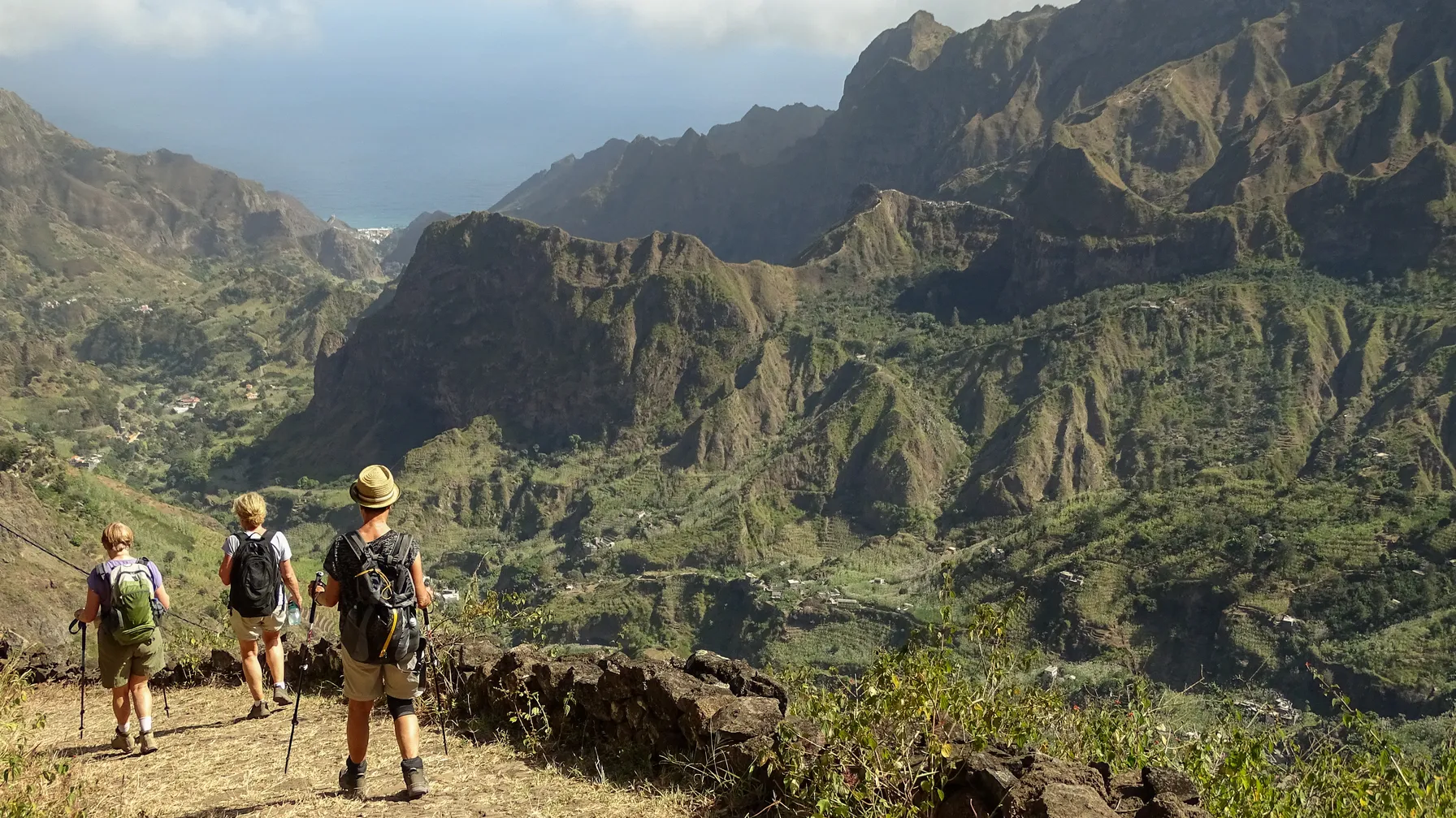
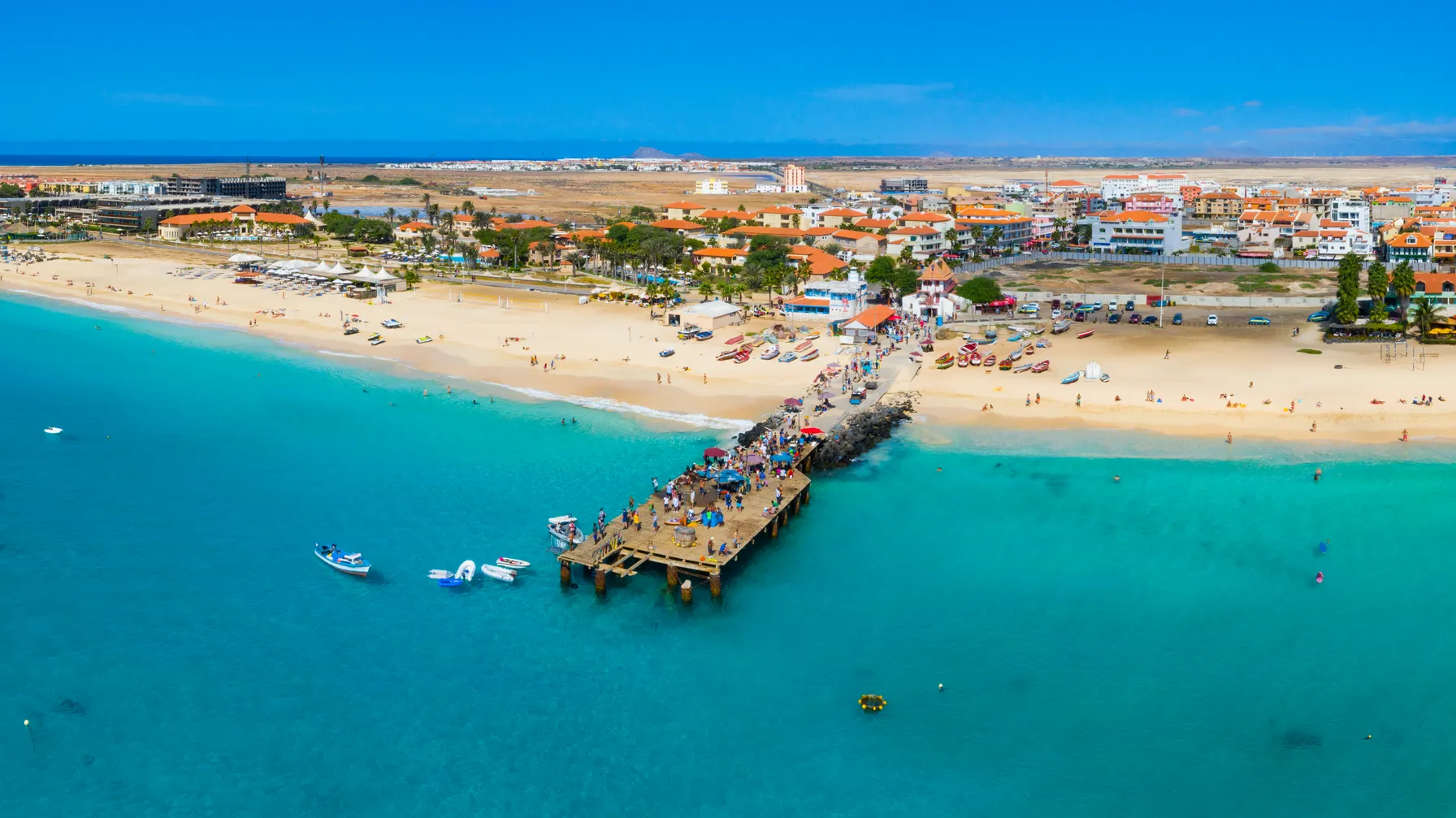
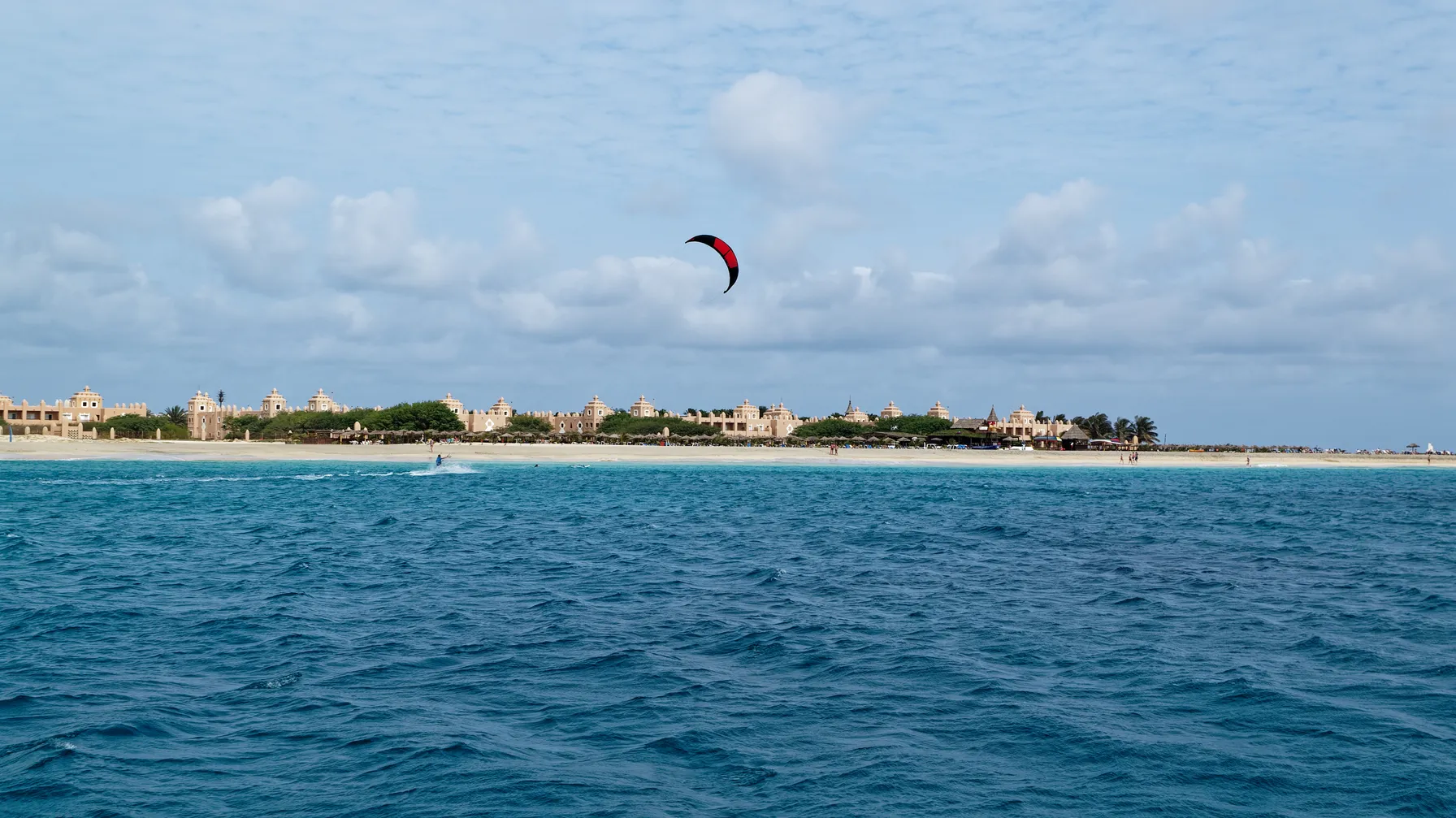
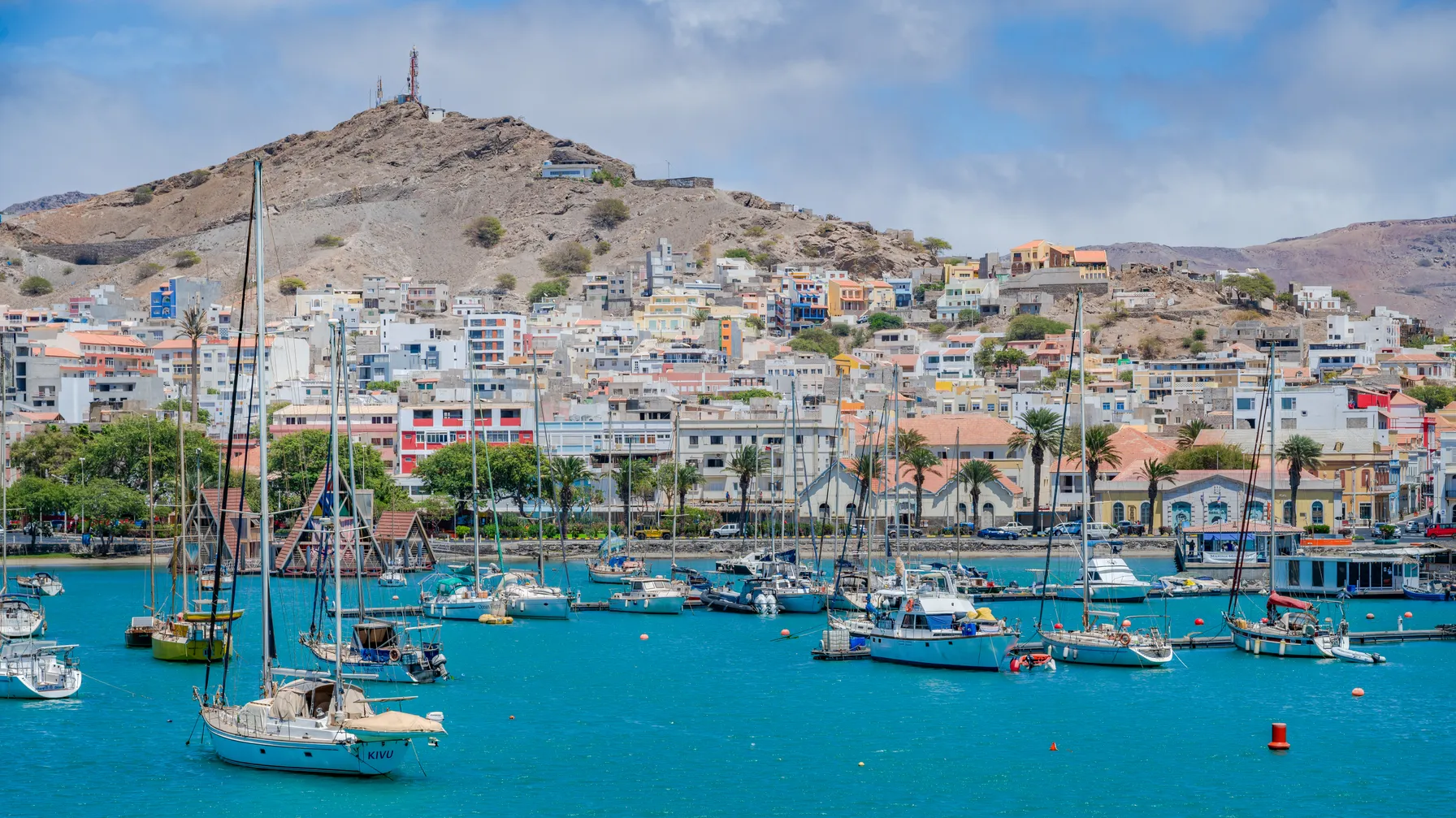
São Vicente and its capital Mindelo are must-sees for music lovers and colonial architecture. Praia, on Santiago, invites you to explore the ethnographic museum and the ruins of Cidade Velha. The island of Santo Antão, accessible by ferry from São Vicente, captivates with its green valleys and preserved villages, where agricultural traditions are still vibrant. For a getaway combining culture and serenity, Boa Vista offers a soothing atmosphere with its ochre dune landscapes and its small fishing villages with vivid colors.
Practical tips to fully enjoy Cape Verdean heritage
A tailor-made trip to the Cape Verde islands is prepared with care to ensure you don't miss any key moments. Here are some useful guidelines:
- Visit Cidade Velha preferably in the morning to enjoy the soft lighting on the historical ruins;
- Consult the local festival calendar before you depart; some festivals take place over very short periods;
- Hire a local guide for a deeper immersion in Cape Verdean culture and history.
A tailor-made trip allows you to adapt each step to your desires, whether you prioritize heritage sites, human encounters, or musical experiences. Vialala helps travelers design itineraries thought through in every detail, so that every memory counts.
Demandez votre devis Cape Verde sur-mesure 100% gratuit
 4.8
4.8+3.000 travelers satisfied
Frequently asked questions
What religion is practiced in Cape Verde?
The vast majority of Cape Verdeans are Catholic, a direct heritage of Portuguese colonization. This influence is evident in the architecture of churches, the patron saint festivals organized island by island, and the rituals that punctuate daily life. Practices of African origin also coexist with this Catholic tradition, once again bearing witness to the richness of cultural blending.
What languages are spoken in Cape Verde?
Portuguese is the official language, but Creole, a Portuguese-based creole influenced by African languages, is the everyday language for the vast majority of inhabitants. In tourist areas, English and French are often understood, particularly in accommodations and restaurants.
What cultural souvenirs should you bring back from a trip to Cape Verde?
Morna music albums, handcrafted batik, sugarcane grogue, and coffee from Fogo Island are among the most representative souvenirs. Stone carvings and local wickerwork are also highly appreciated for their authenticity.