Gastronomy in Brazil: the must-try flavors of an exceptional journey
What makes Brazilian gastronomy so unique?
Brazilian cuisine draws its richness from a diversity of influences that, over the centuries, have forged a taste identity like no other. To understand what you have on your plate, you need to go back to the origins.
A heritage shaped by encounters
Manioc, heritage of indigenous peoples, appears in almost every plate, in the form of manioc flour, tapioca, or pão de queijo, the famous cheese bread originating from Minas Gerais. African influences, for their part, introduced palm oil, coconut, and cooking techniques that endure today in Brazilian recipes from Salvador de Bahia. Portuguese, Italian and Japanese immigrants then enriched this mosaic by bringing their own traditions, to culminate in Brazilian gastronomy of rare generosity.
Regions with distinctly different characters
Brazilian cuisine varies considerably from region to region. In Salvador da Bahia, flavors are intense, carried by coconut milk, palm oil and spices from Africa. In Minas Gerais, the tables are rustic and comforting, with a pronounced liking for local cheese and slow-cooked dishes. São Paulo, a cosmopolitan city par excellence, offers a culinary scene where influences cross at every street corner. In southern Brazil, it is the churrasco culture, this meat grilled over embers, that dominates convivial meals.
Le saviez-vous ? La gastronomie au Brésil est inscrite comme patrimoine culturel immatériel dans plusieurs États du pays, tant elle reflète l'identité profonde de ses habitants.
Which Brazilian culinary specialties should you absolutely try?
Le voyage au Brésil se savoure aussi dans l'assiette. Chaque plat typique est un moment de partage, un rendez-vous avec une tradition culinaire vivante et généreuse. Voici les incontournables à mettre dans votre carnet de voyage :
- Feijoada: the quintessential national dish, this stew made with black beans and pork meat simmers slowly before being served with white rice, cassava flour, and orange slices ;
- Bobó de camarão: originally from Bahia, this creamy blend combines shrimp, cassava, coconut milk, and palm oil for a rich and aromatic result ;
- Pão de queijo: this cheese bread made from cassava starch, born in Minas Gerais, can be enjoyed at any time of day ;
- Brigadeiro: a chocolate truffle made with sweetened condensed milk and grated coconut, this iconic dessert embodies the sweetness of Brazilian culinary specialties ;
- Caipirinha: the national cocktail made with sugarcane spirit, lime and sugar, which perfectly accompanies every moment of conviviality.
Contact us to tailor your gastronomic itinerary in Brazil.
What culinary experiences should you have on your trip to Brazil?
Beyond tables and restaurants, Brazilian gastronomy is also experienced on the street, in markets and at festive events. It is precisely there that every detail of the experience truly comes to life.
Markets, food tours and cooking classes
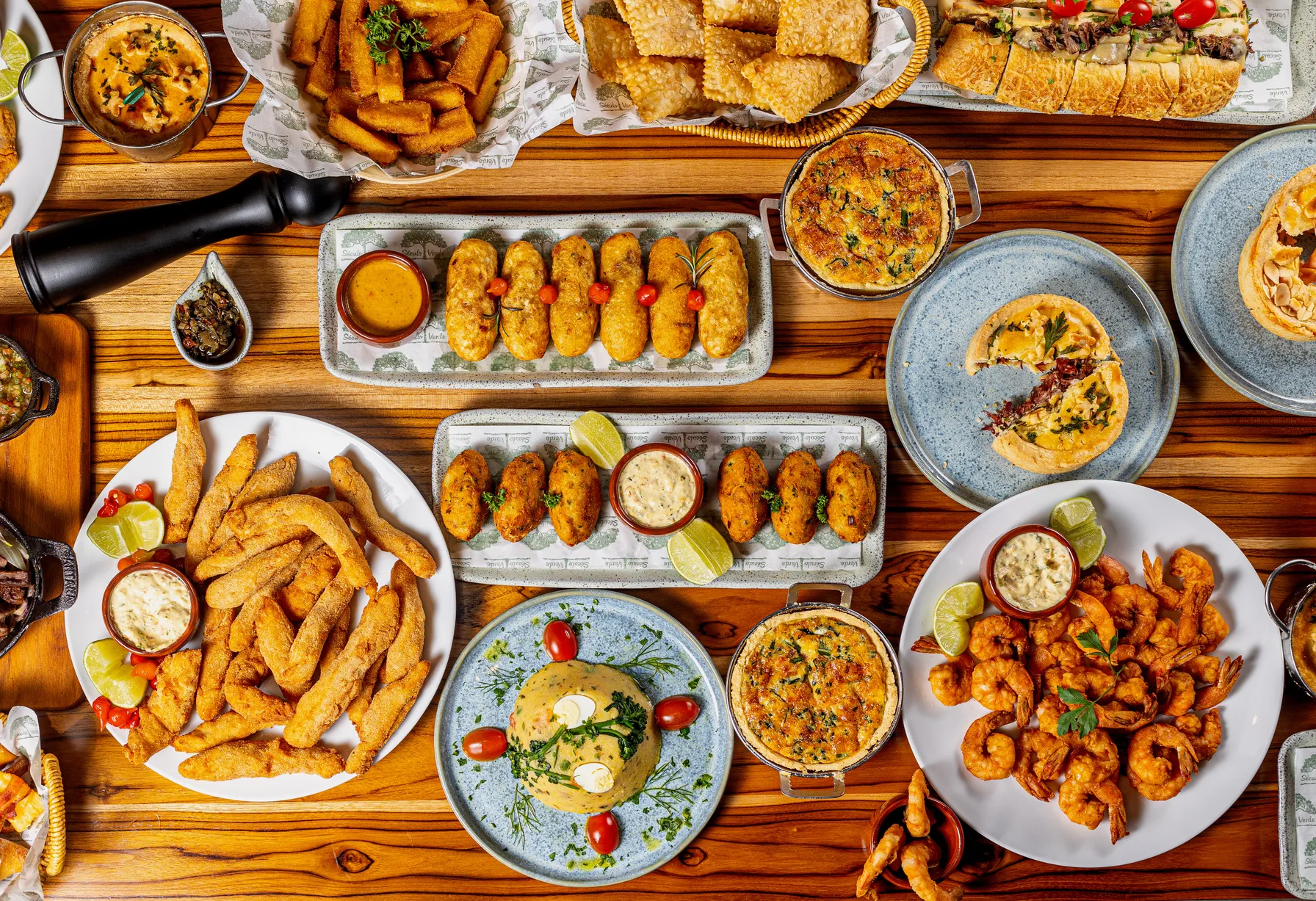
Rio de Janeiro and São Paulo abound with markets where stalls offer coxinhas, empadas and fresh fruit juices. A food tour through the streets of Rio de Janeiro lets you grasp the essence of the local cuisine, between colorful stalls and passionate street vendors. To go further, cooking classes held in Salvador de Bahia provide the opportunity to learn the most emblematic Brazilian recipes, such as moqueca or bobó de camarão, guided by local chefs.
Our tip: opt for a market experience on your very first morning. It is the best way to understand Brazilian gastronomy in its living context, even before sitting down at a restaurant.
Festivals and gastronomic seasons
The Festa Junina, celebrated in June across the country, is an opportunity to taste sweet specialties such as canjica, prepared with corn, condensed milk and coconut. Each region adds its own touch, especially in the Northeast where the atmosphere is particularly festive. If you want to fully enjoy local products at their peak, the period from April to September remains ideal for exploring markets and tasting tropical fruits in all their freshness.
Book your trip to Brazil now to enjoy the best gastronomic moments of the year.
What practical tips should you keep in mind before heading off to explore Brazil's gastronomy?
Our Travel Planners' tips: to design a gastronomic stay that combines markets, exceptional dinners and cooking classes, every detail of your trip to Brazil can be tailored to your wishes, with assistance available at any time.
Contact us for more information about the best culinary experiences in Brazil.

Demandez votre devis Brazil sur-mesure 100% gratuit
 4.8
4.8+3.000 travelers satisfied
Frequently asked questions
Is Brazilian cuisine suitable for children?
Yes, Brazilian cuisine offers many dishes accessible to younger palates. Pão de queijo, brigadeiros made with sweetened condensed milk, white rice served with a bean-based sauce, and a wide variety of fresh fruit juices are all options enjoyed by children. Generous portions and the mild flavors of many traditional dishes make it a family-friendly cuisine by nature.
Can you eat vegetarian in Brazil?
Absolutely. Even though pork and churrasco occupy an important place, Brazilian cuisine offers many tasty alternatives: tapioca, empadas with hearts of palm, açaí bowls, pão de queijo, and a great variety of tropical fruit juices. In large cities like São Paulo, vegetarian and vegan restaurants are particularly well represented.
What is cachaça and how does it differ from rum?
Cachaça is a sugarcane-based alcohol produced exclusively in Brazil. Unlike rum, it is distilled directly from fresh sugarcane juice and not from molasses. Lighter and more straightforward on the palate, it is the base ingredient of caipirinha and many batidas, these fruity cocktails that give Brazilian bars their reputation.