Bali in March: everything you need to know before you go.
Known as the Island of the Gods, Bali holds a particular fascination for travelers from around the world. Its Hindu culture is deeply alive, its terraced rice fields in vivid green, its temples facing the ocean and its beautiful beaches make it a destination in its own right. Traveling to Bali in March is choosing a transition month between the rainy season and the dry season: the rains gradually ease, nature displays its most intense colors and tourist traffic remains well below the summer peaks. This might not be the ideal time for a cloudless sky, but it is a month that offers memorable experiences to those who know how to appreciate its assets. Here is everything you need to know to plan your trip to Bali in March.
What is the weather like in Bali in March?
Bali enjoys a hot and humid tropical climate year-round, paced by two distinct seasons. March lies at the transition between the rainy season and the dry season, giving it a very particular character: that of an island still lush, but which is slowly starting to regain the calm of blue skies.
Warm temperatures and persistent sunshine
In Denpasar, temperatures range from 25 to 31 °C during the day, with mild nights around 24 °C. The sea is about 29 °C, a natural invitation to swim. With nearly 9 hours of daily sunshine, days stay bright despite a few clouds. Precipitation, which peaked at around 190 mm in January, drops to 101 mm in March: a clear sign that the dry season is approaching. Humidity gradually decreases, making the atmosphere much more comfortable than in the previous weeks.
To better visualize the conditions to expect, here is a quick overview of the key indicators:
| Indicator | March in Bali |
|---|---|
| Minimum temperature | 25 °C |
| Maximum temperature | 31 °C |
| Sea temperature | 29 °C |
| Sunshine | 9 hours / day |
| Precipitation | 101 mm |
Regional variations to consider
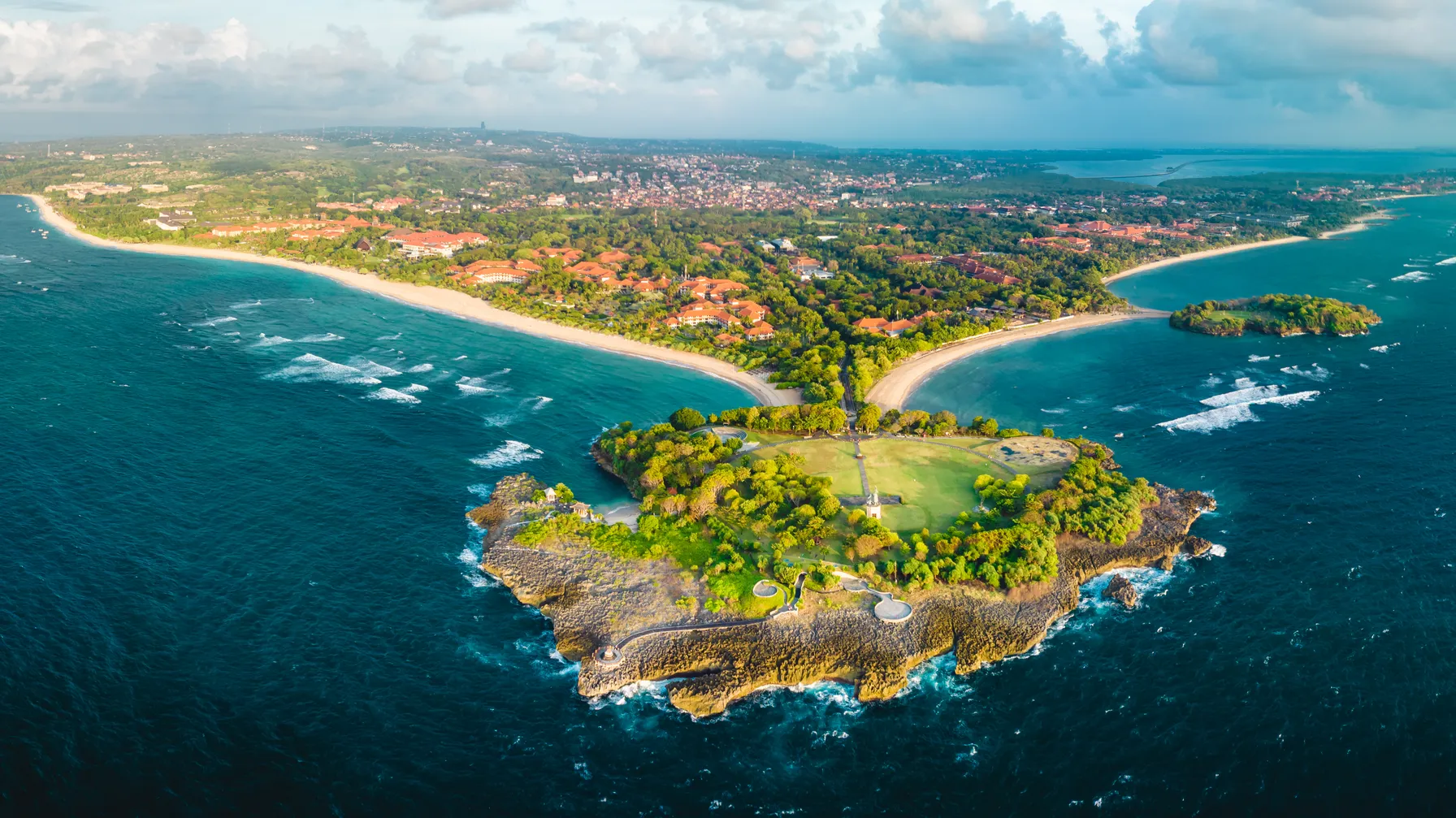
L'île n'est pas uniforme face aux pluies. Le sud de Bali, notamment les zones côtières de Nusa Dua et de Sanur, enregistre généralement moins de jours de pluie que le centre ou le nord. Pour maximiser votre temps en plein air, orienter votre séjour vers cette partie de l'île s'avère une stratégie judicieuse. Les régions de montagne, comme les alentours du mont Agung, restent plus fraîches et plus humides, avec des températures qui peuvent descendre à 20-22 °C. Cette fraîcheur relative rend les randonnées bien plus agréables. Les averses sont en général courtes et surviennent en fin d'après-midi, laissant les matinées pleinement exploitables pour les excursions et les visites.
Le bon plan : prévoyez vos sorties culturelles et vos randonnées en début de journée pour profiter des meilleures conditions, et réservez les après-midis aux activités en intérieur ou aux moments de détente.
Is March a good month to visit Bali?
La réponse dépend largement de vos attentes. Visiter Bali en mars, c'est accepter un ciel parfois nuageux en échange d'une île plus tranquille, de paysages d'un vert saisissant et d'une atmosphère authentique. Pour les voyageurs qui fuient les foules et cherchent une immersion sincère dans la culture balinaise, ce mois constitue une fenêtre précieuse.
The Balinese New Year, a rare and unforgettable celebration
L'un des moments les plus singuliers d'un séjour Bali en mars est la célébration du Nouvel An balinais, ou Nyepi. Cette fête du calendrier hindou Saka transforme littéralement l'île pendant 24 heures : aucune lumière, aucun bruit, aucun déplacement n'est autorisé. L'aéroport ferme et les rues se vident totalement. Une expérience rare, au bord du monde, que peu de voyageurs ont l'occasion de vivre.
La veille du Nyepi, les villages organisent les parades d'Ogoh-Ogoh, ces imposantes statues de démons portées en procession dans les rues au son de la musique, avant d'être brûlées pour chasser les mauvais esprits. Quelques jours auparavant, la cérémonie de Melasti rassemble des milliers de Balinais vêtus de blanc en procession vers la mer pour purifier les objets sacrés des temples. Si vous avez la chance d'être sur l'île durant cette période, planifiez votre journée du Nyepi à l'avance, notamment pour les repas et les activités, car aucun service extérieur n'est disponible.
Our advice: find out the exact Nyepi date before your departure, as it varies each year according to the lunar calendar.
Low season: a quieter island, landscapes enhanced.
In practical terms, March is Bali's off-season. This translates to fewer people at tourist sites, more serene beaches and a relaxed atmosphere in restaurants and markets. For families, couples or solo travelers who appreciate a laid-back pace, it is a considerable advantage. The queues in front of temples shorten, beaches regain their tranquility and every detail of the trip takes on a completely different flavor.
Practically speaking, accommodations offer more affordable rates than in peak season, allowing you to stay in a quality property within a manageable budget. If you are seeking optimal weather and the fewest rainy days, the months of May, June, or September remain the best time to visit Bali. But if culture, lush nature and tranquillity are priorities for your stay, March proves to be a particularly interesting period to travel.
Contact us for more information on the best times to travel to Bali.
<p>What to do in Bali in March?</p>
Far from being limited to its beautiful beaches, the island of the gods offers a multitude of experiences throughout the year. In March, nature is at its peak of lush greenery and cultural sites can be visited in a peaceful atmosphere. Whether you are with family, as a couple, or solo, here are the activities not to be missed to get the most out of your trip to Bali.
<p>Temples, rice terraces and waterfalls at the heart of the island</p>
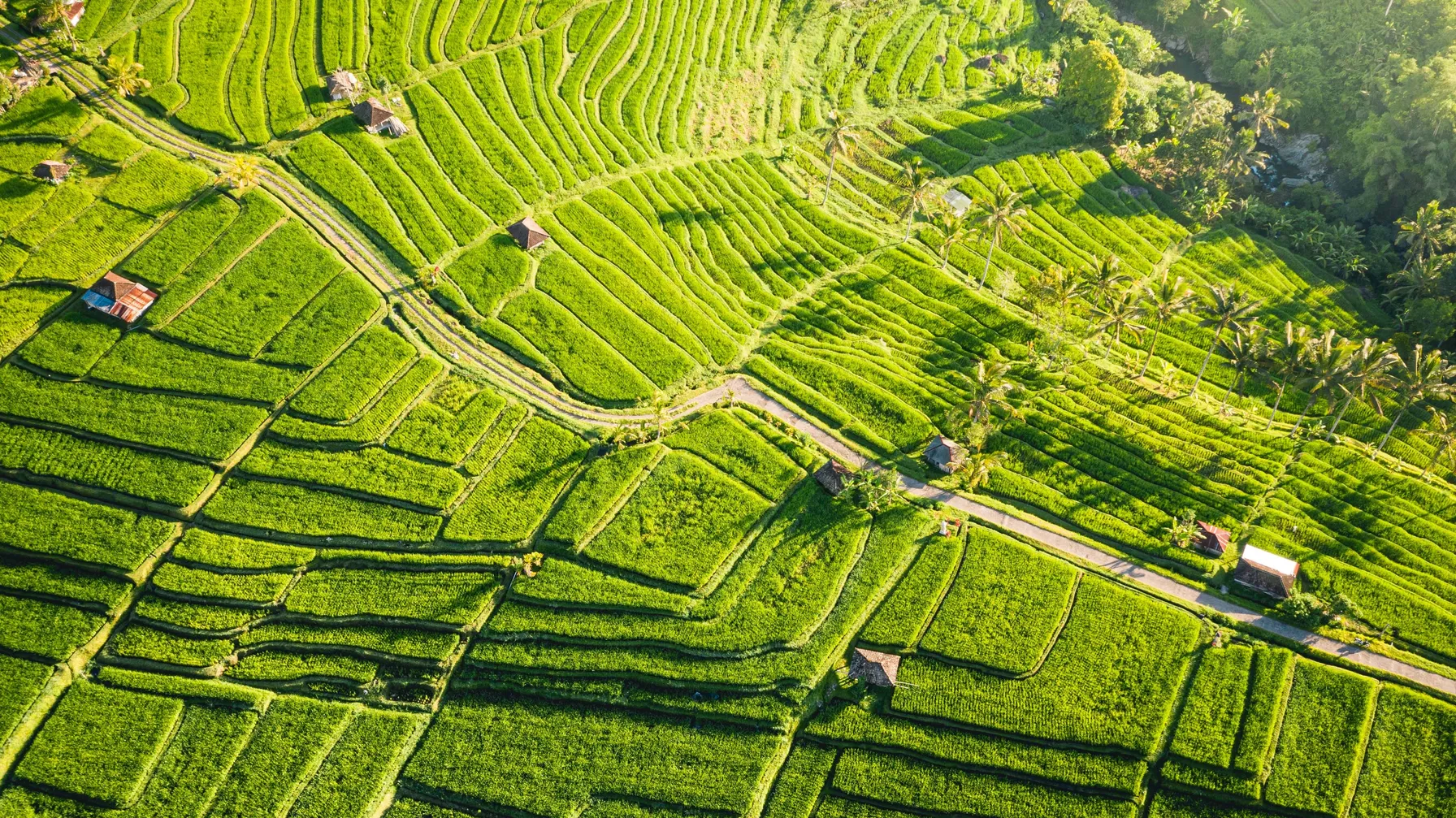
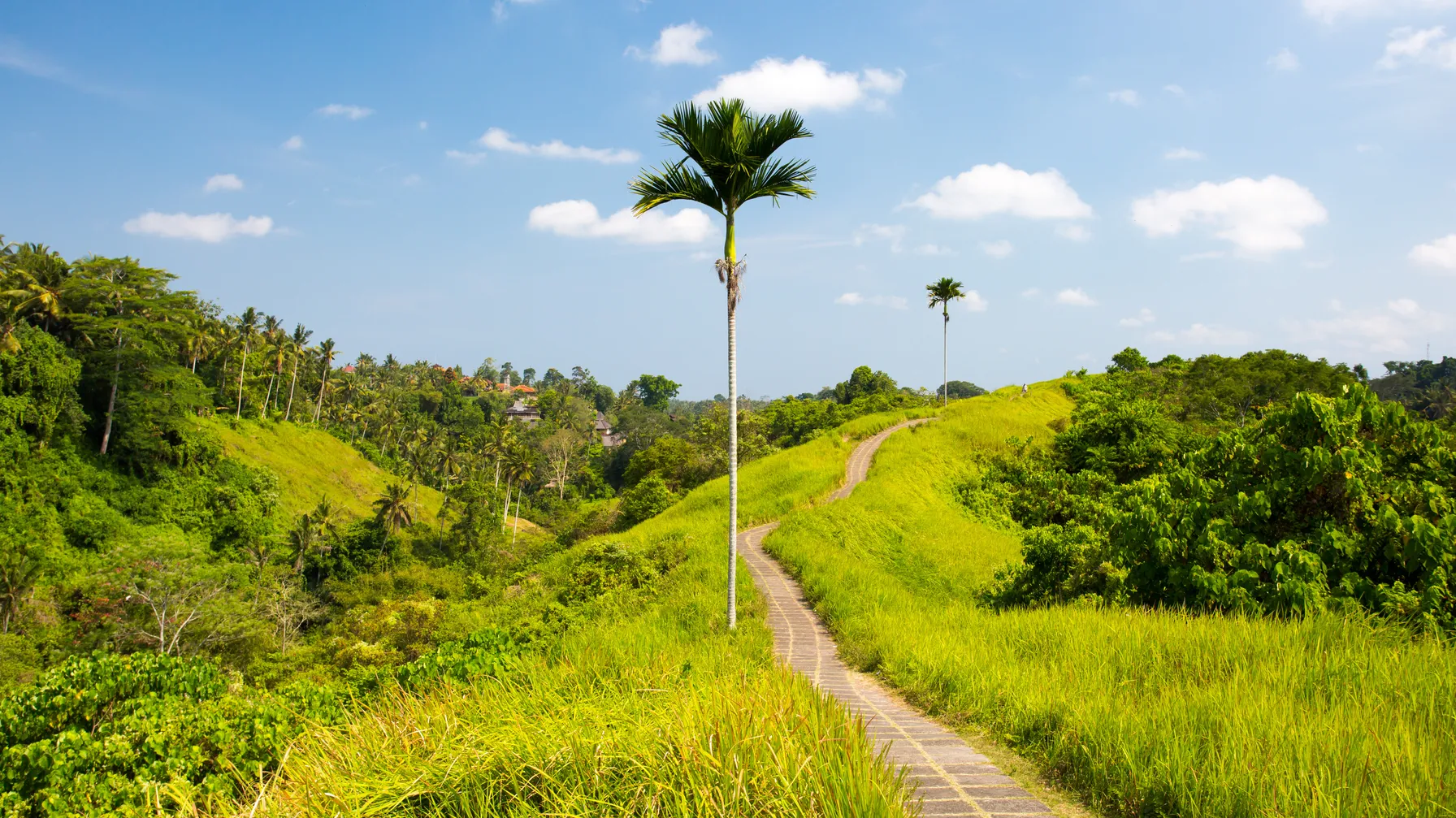
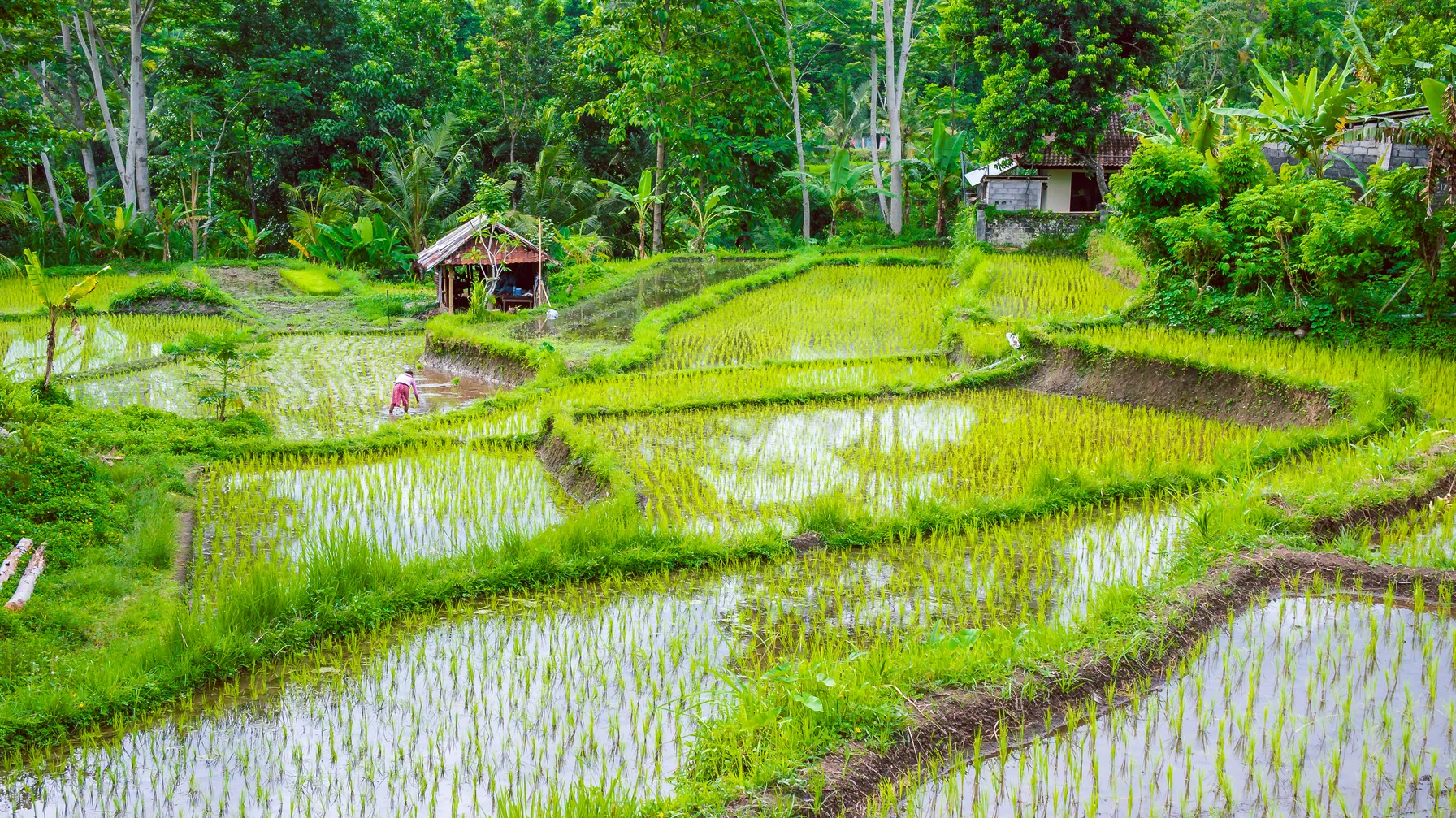
The terraced rice fields are one of Bali's most iconic images, and they reach their brightest glow in March thanks to recent rains. The Tegalalang terraces, about ten kilometres from Ubud, offer breathtaking panoramas of crops in a vivid green. For a more intimate experience, the Jatiluwih rice terraces, UNESCO World Heritage-listed, span over 300 hectares in a preserved atmosphere, far from the tourist bustle.
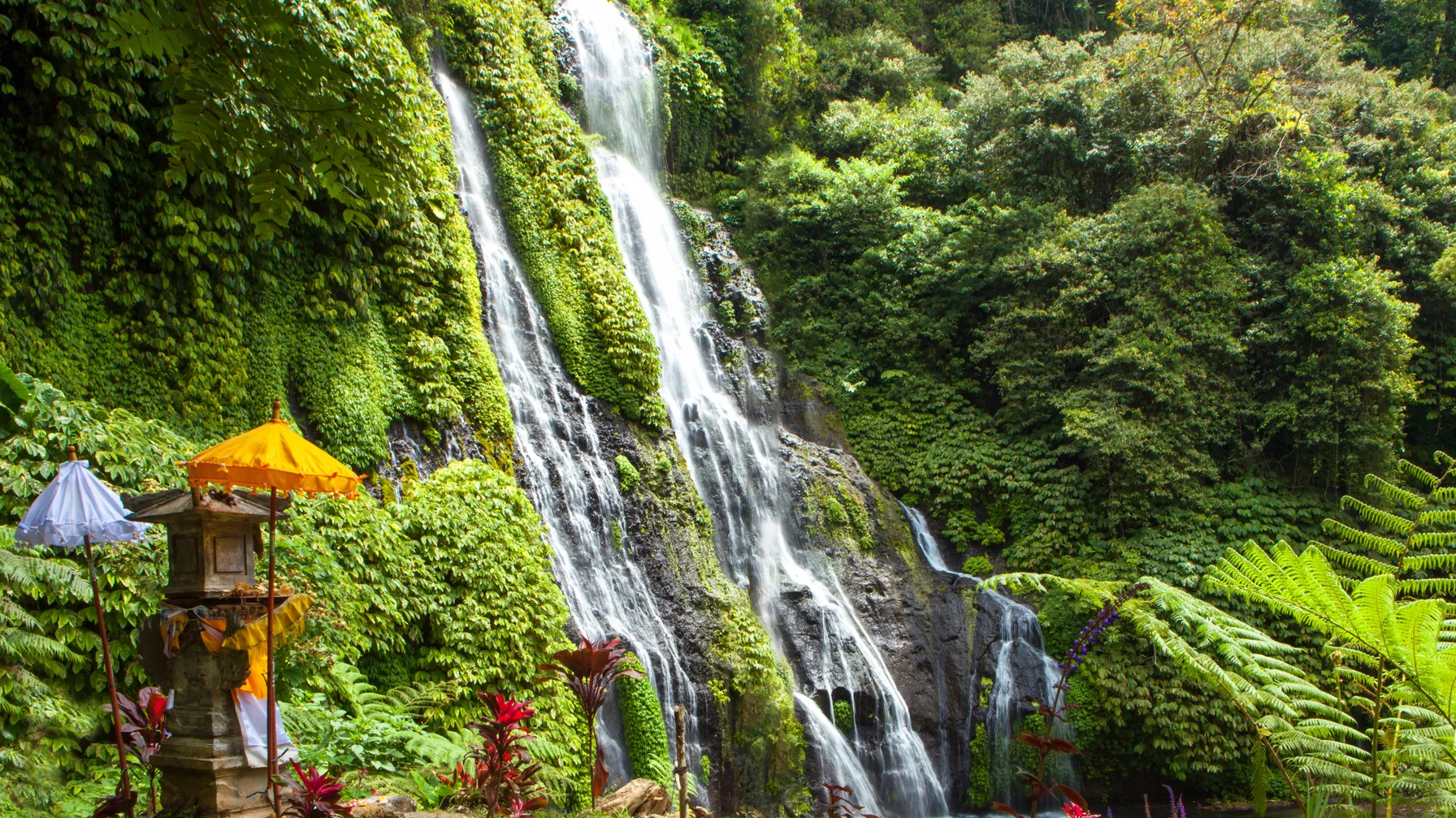
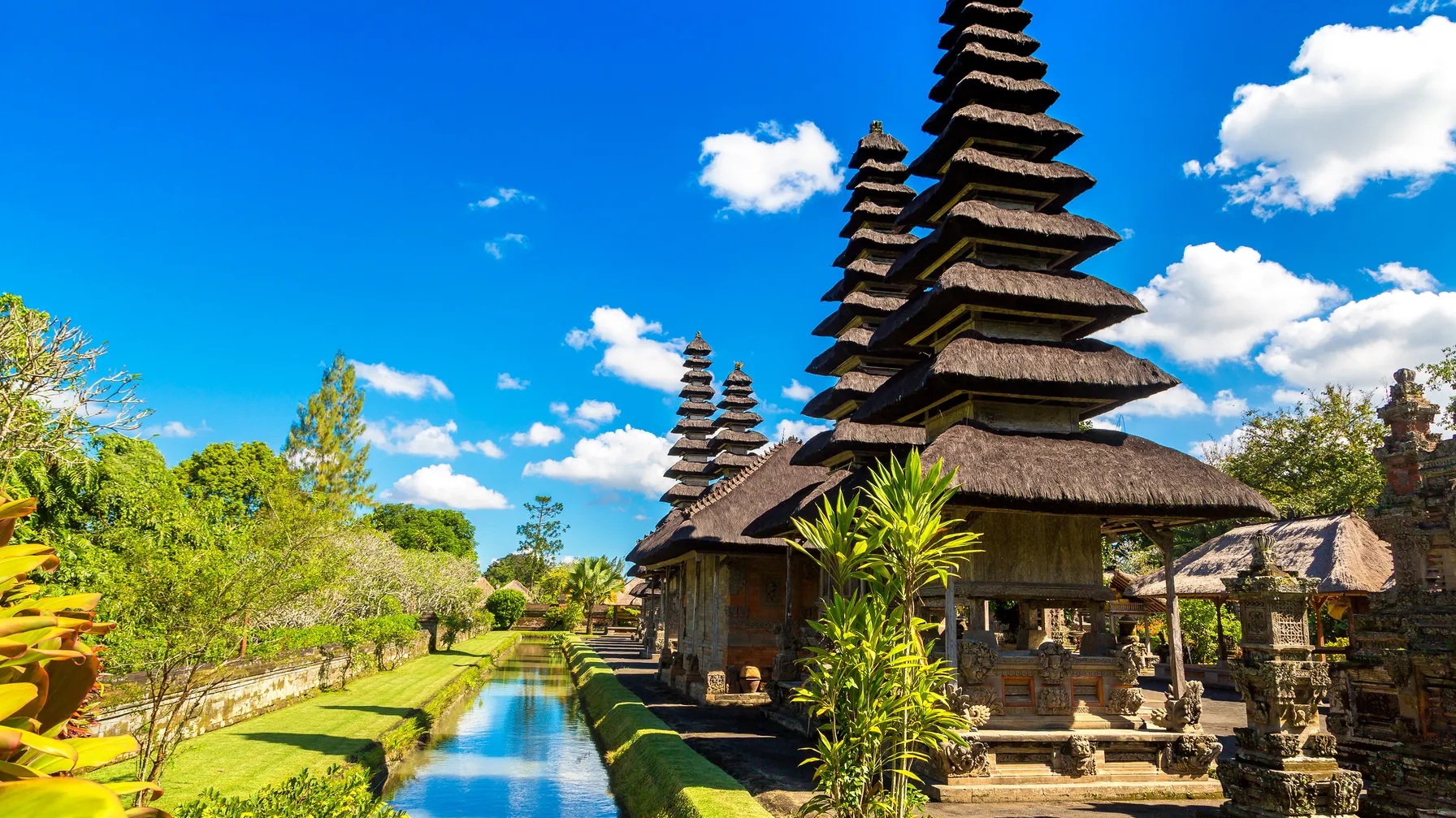
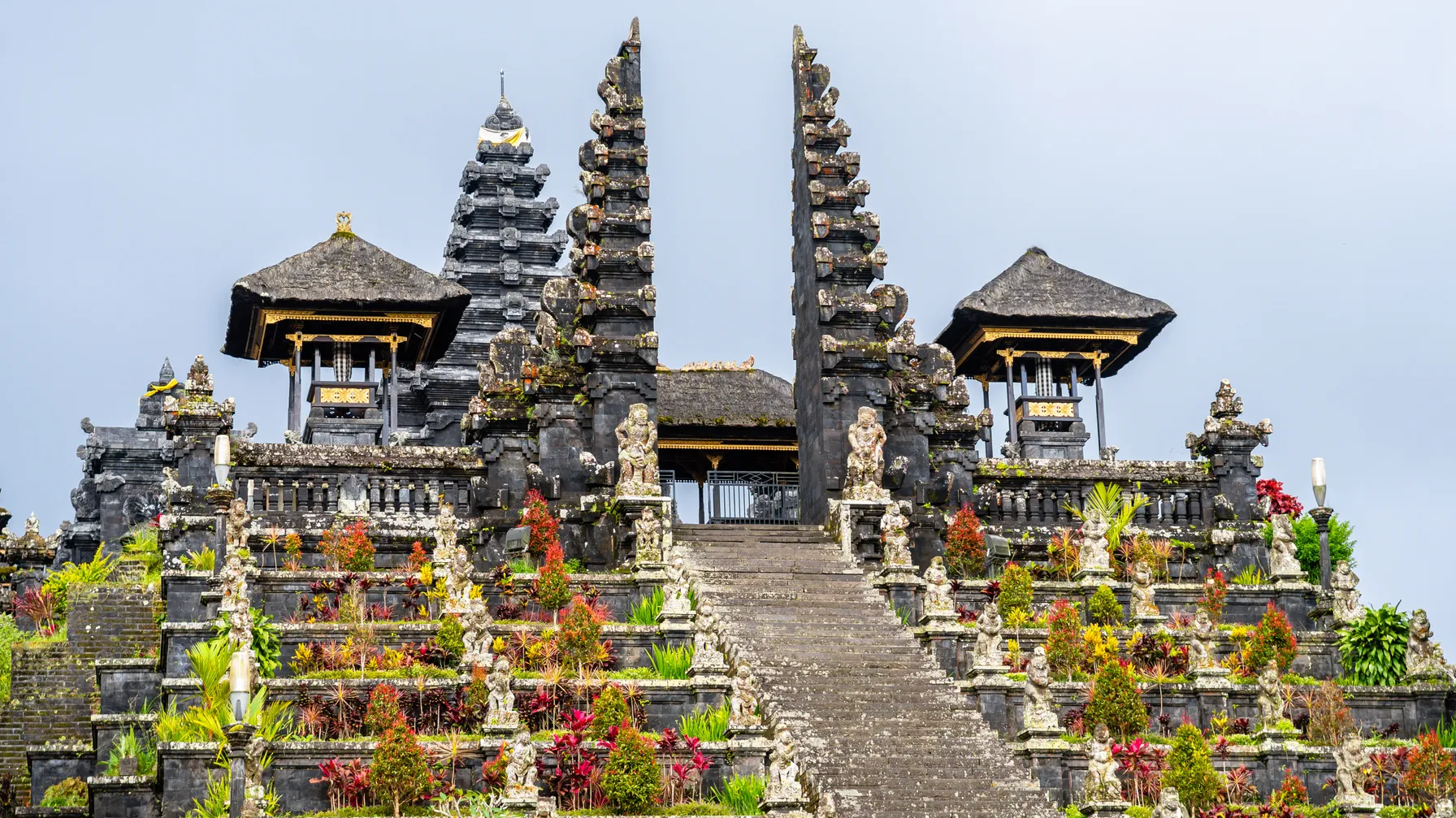
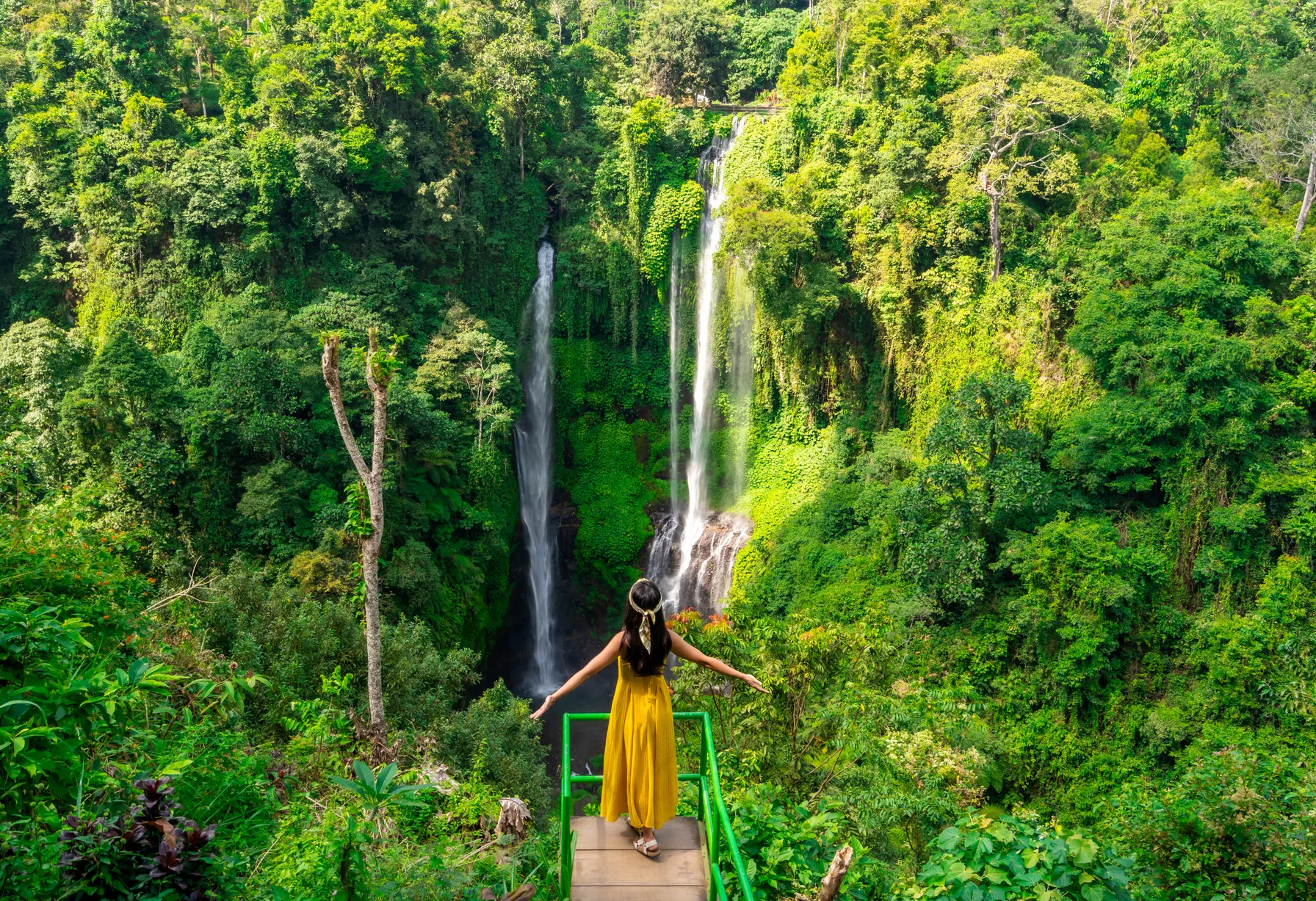
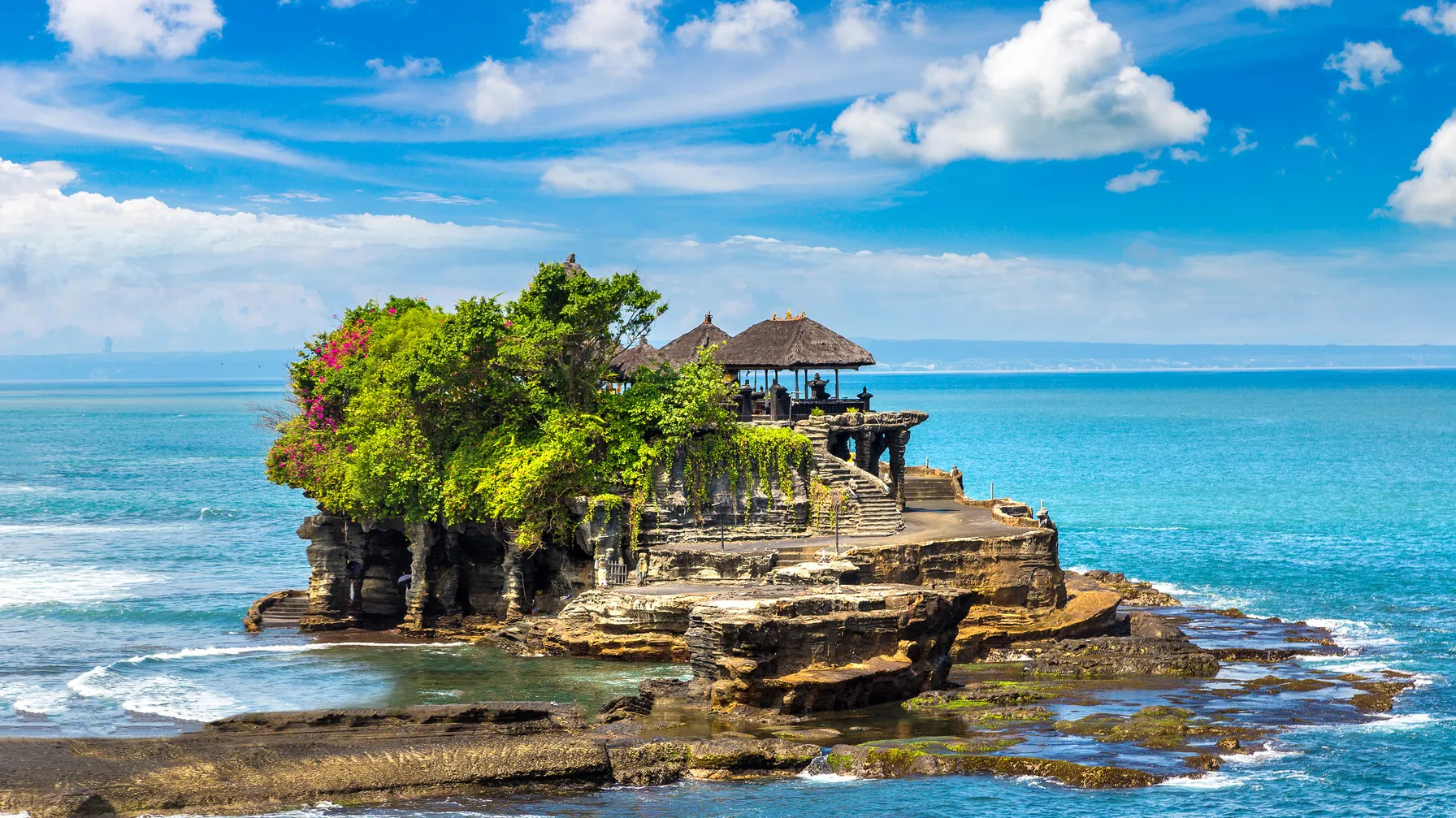
It's also the ideal season to admire the island's waterfalls in all their power. The Sekumpul waterfall, in the north, rewards hikers with about 45 minutes of walking through the tropical forest with an impressive spectacle. The temples deserve, for their part, a particular attention. Tanah Lot, perched on its rock facing the ocean, offers a striking spectacle at sunset, especially in the absence of the large crowds of peak season. Pura Besakih, Bali's mother temple, whose access on the slopes of Mount Agung reveals majestic views, constitutes a must-see stop for anyone wishing to soak up the spiritual dimension of the island.
To best prepare your cultural visits, think about:
- Wear a sarong or an outfit that covers the shoulders and legs for entry into the temples;
- Arrive early in the morning to enjoy the light and a quieter crowd;
- Plan for a light raincoat in case of rain during the visit.
<p>Beaches, diving and wellness moments</p>
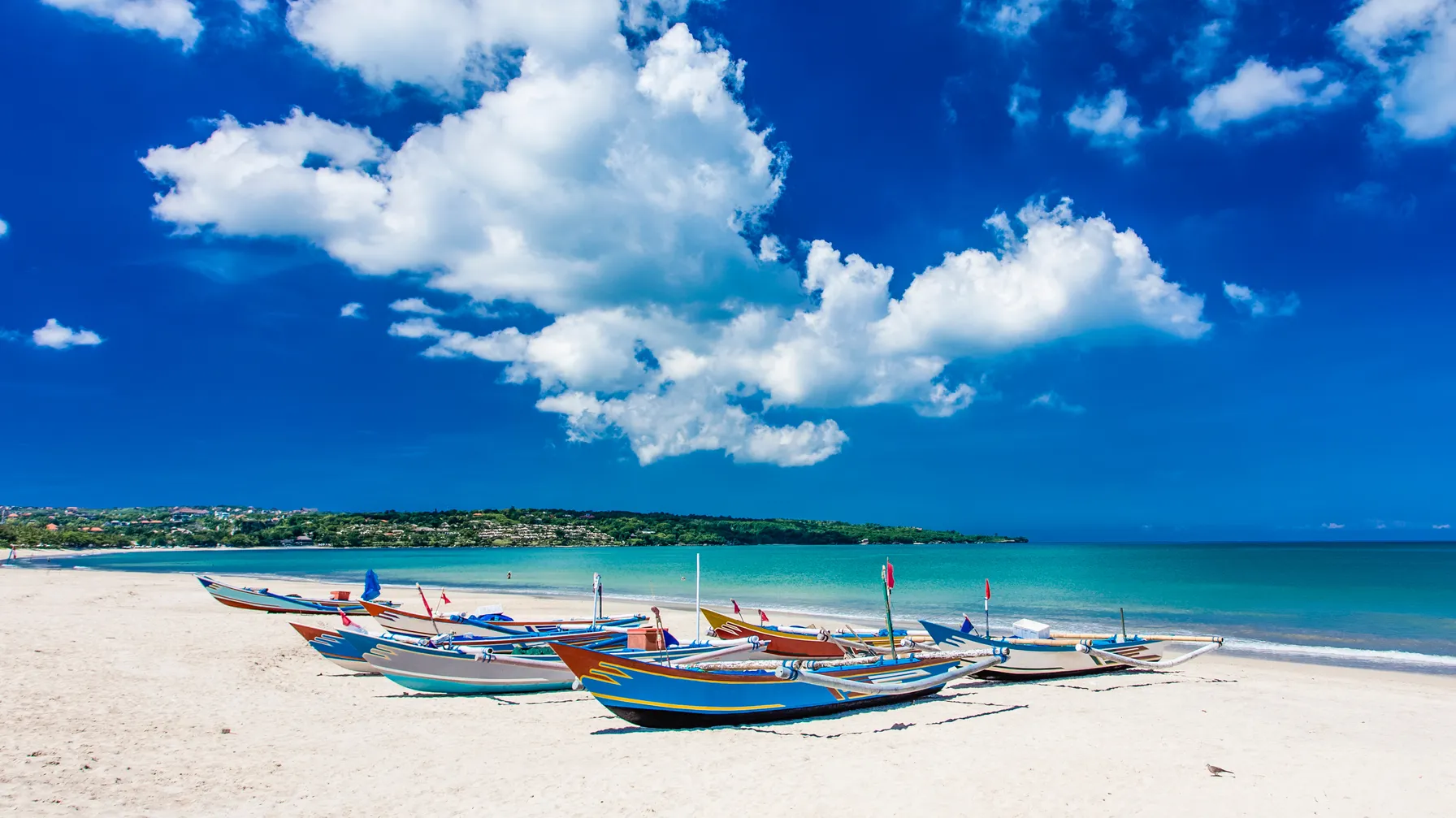
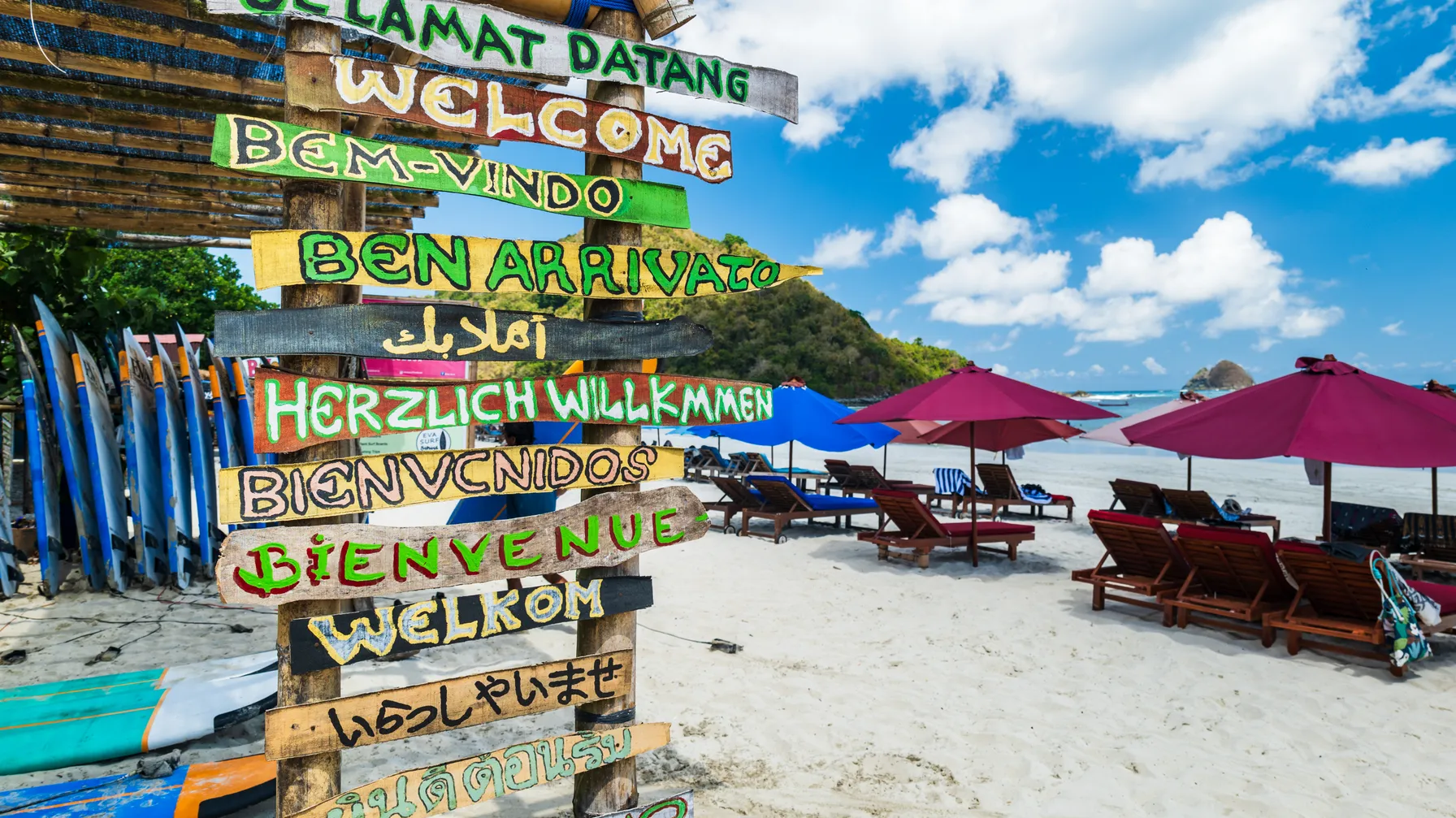
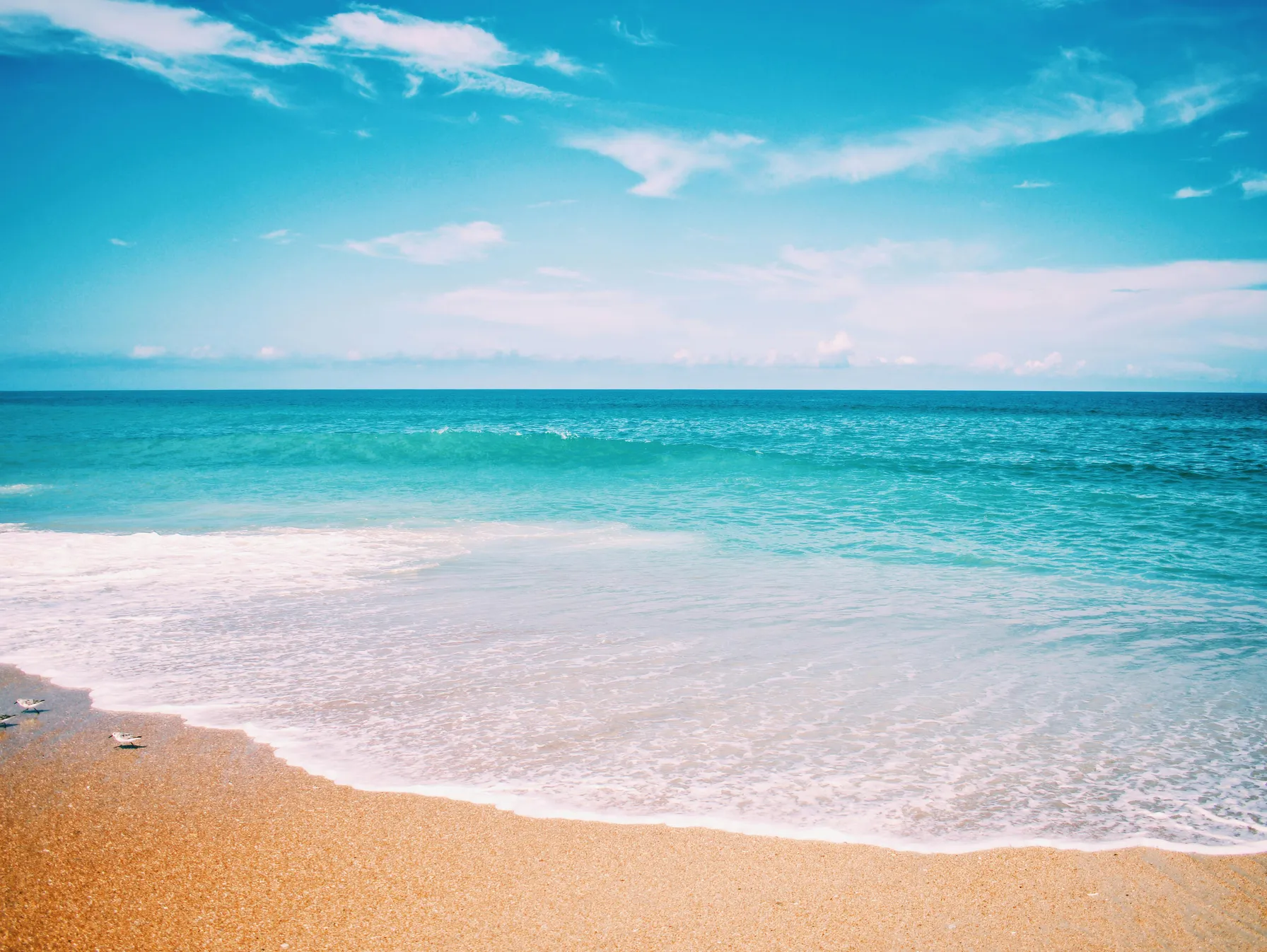
Même en fin de saison humide, les belles plages de Bali restent accessibles et agréables. Nusa Dua, sur la côte sud, bénéficie de conditions plus clémentes grâce à son exposition abritée. Les eaux y sont calmes et particulièrement adaptées aux familles avec de jeunes enfants. Pour les amateurs de sensations, les spots de surf de Seminyak et de Canggu continuent d'accueillir les glisseurs de tous niveaux.
Pour la plongée et le snorkeling, Nusa Penida s'impose comme une destination incontournable. Manta Point permet d'évoluer aux côtés de raies manta géantes, tandis que les fonds d'Amed révèlent une biodiversité marine exceptionnelle, avec notamment l'épave du Liberty colonisée par les coraux. La visibilité peut varier selon les journées, mais les conditions restent globalement satisfaisantes pour ces activités.
S'accorder un peu de sérénité fait pleinement partie de l'expérience balinaise. The Balinese massage, with its ancient pressure techniques and stretches, offers a moment of sharing with the local culture in a setting that transports you. À Ubud, yoga studios and wellness retreats allow you to experience the island of the gods with particular depth, between meditation, plant-based treatments and immersion in tropical nature. Whether you're traveling to Bali for the first time or you're returning, these moments of serenity are part of the memories you carry with you long after your return.
Book your Bali trip now and let our Travel Planners craft a tailored itinerary for you, designed down to the finest details.
Demandez votre devis Bali sur-mesure 100% gratuit
 4.8
4.8+3.000 travelers satisfied