Bali in January: everything you need to know before you go
What climate should you expect to find in Bali in January?
Bali has a tropical climate structured around two seasons: the dry season, from May to October, and the rainy season, from November to April. In January, the island sits at the heart of the latter, with rainfall reaching its highest level of the year. This context should not, however, discourage you, because Balinese showers have a well-known characteristic: they are intense but brief, usually occurring in the late afternoon or evening, leaving the mornings sunny and fully exploitable.
Temperatures, humidity and sunshine: the key figures for the month
Temperatures in Bali in January range from 25°C to 31°C in coastal areas, with the sea around 29°C. Humidity can exceed 85%, which makes the atmosphere sometimes heavy before a shower, but the sea breeze regularly softens the sensation of heat. Sunshine remains present, with 6 to 8 hours per day depending on the area, allowing for well-filled days.
The smart plan: wake up early. In Bali, the sun rises at 6 a.m., and the early hours of the day often offer the best conditions to explore the island outdoors.
| Climate indicator | \nJanuary average data | \n
|---|---|
| Minimum temperature | \n25 °C | \n
| Maximum temperature | \n31 °C | \n
| Sea temperature | \n29 °C | \n
| Average precipitation | \n190 to 400 mm depending on the regions | \n
| Daily sunshine | \n6 to 8 hours | \n
| Estimated rainy days | \n15 to 21 days | \n
Conditions vary from one region to another.
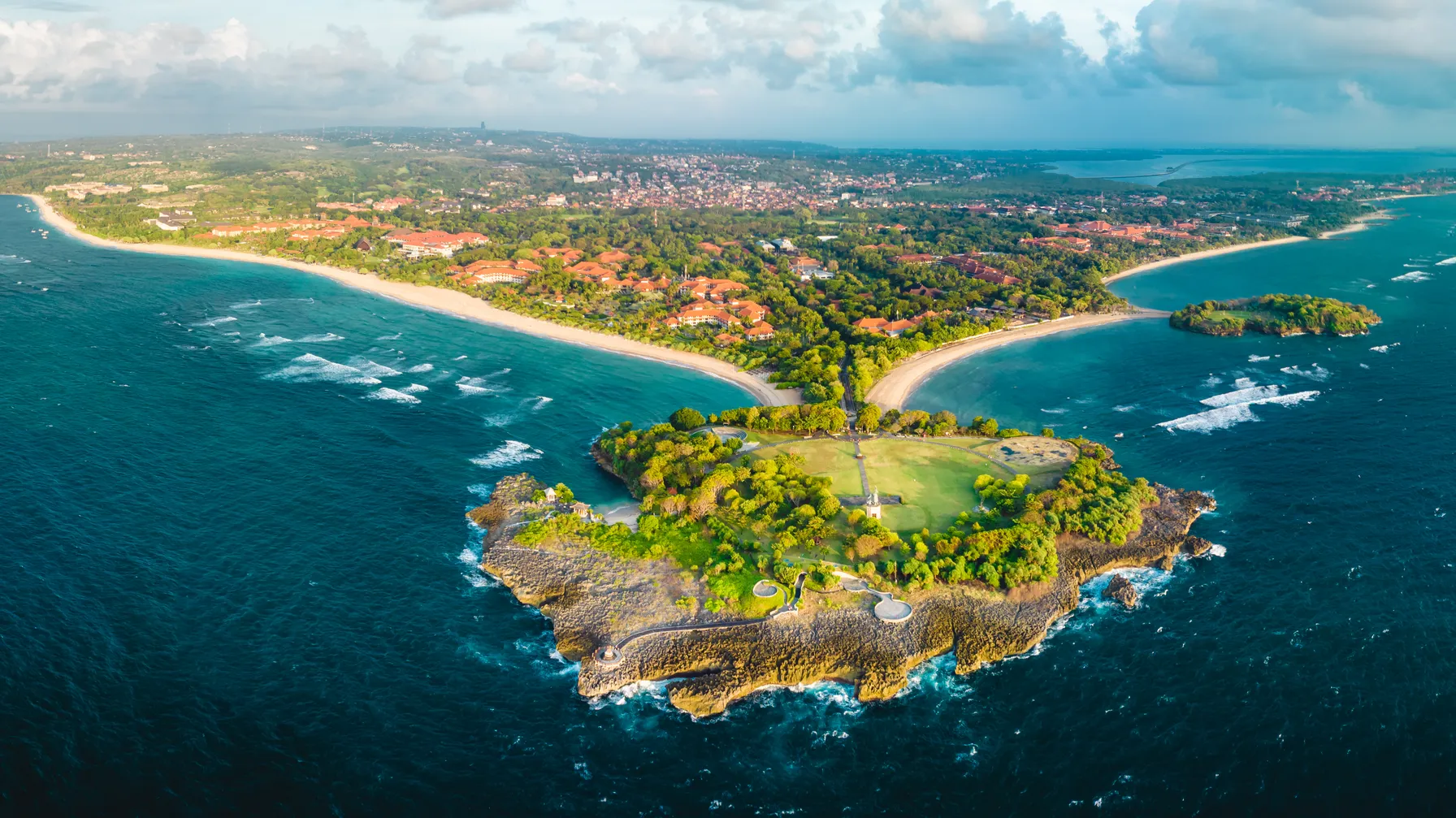
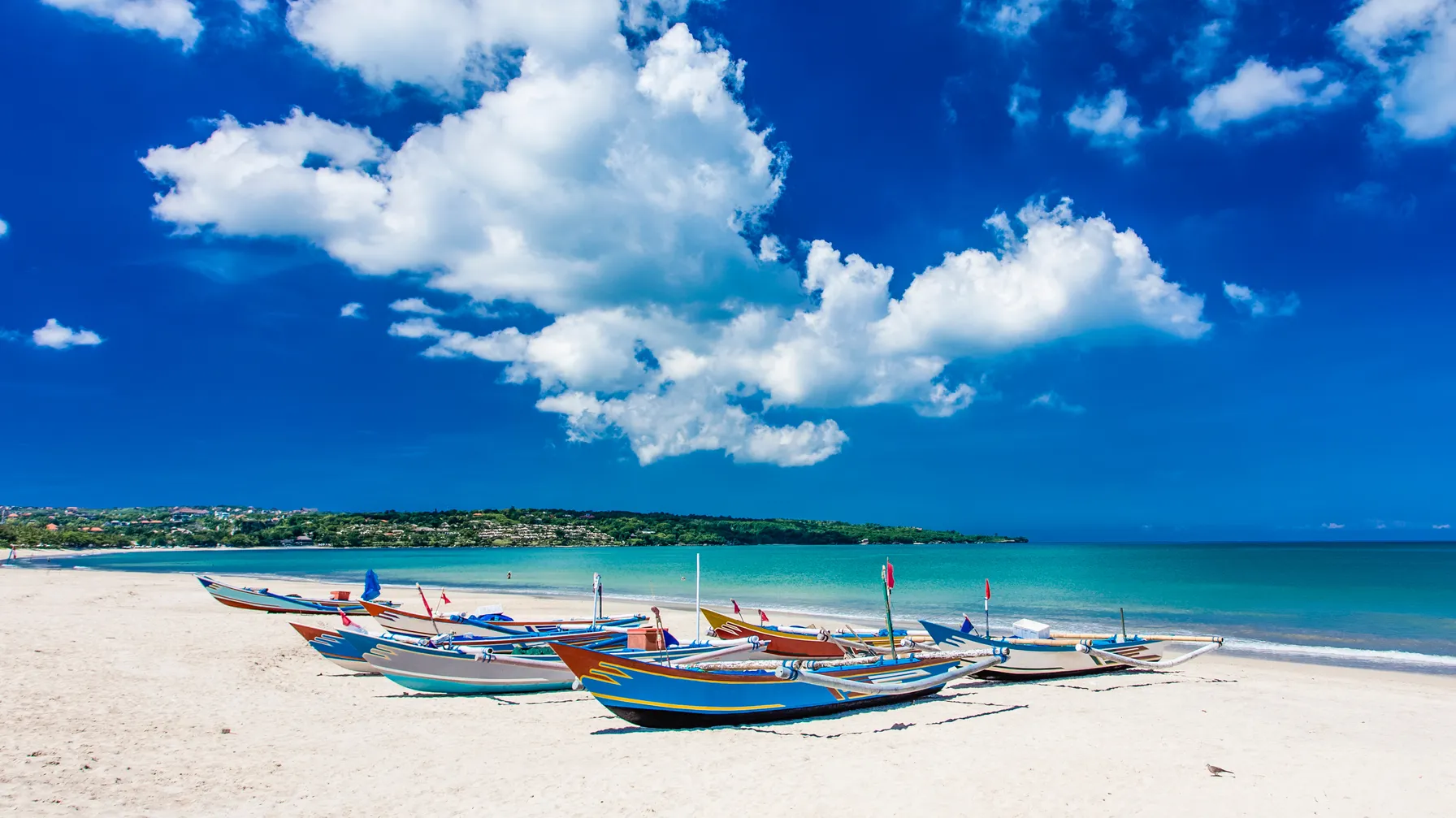
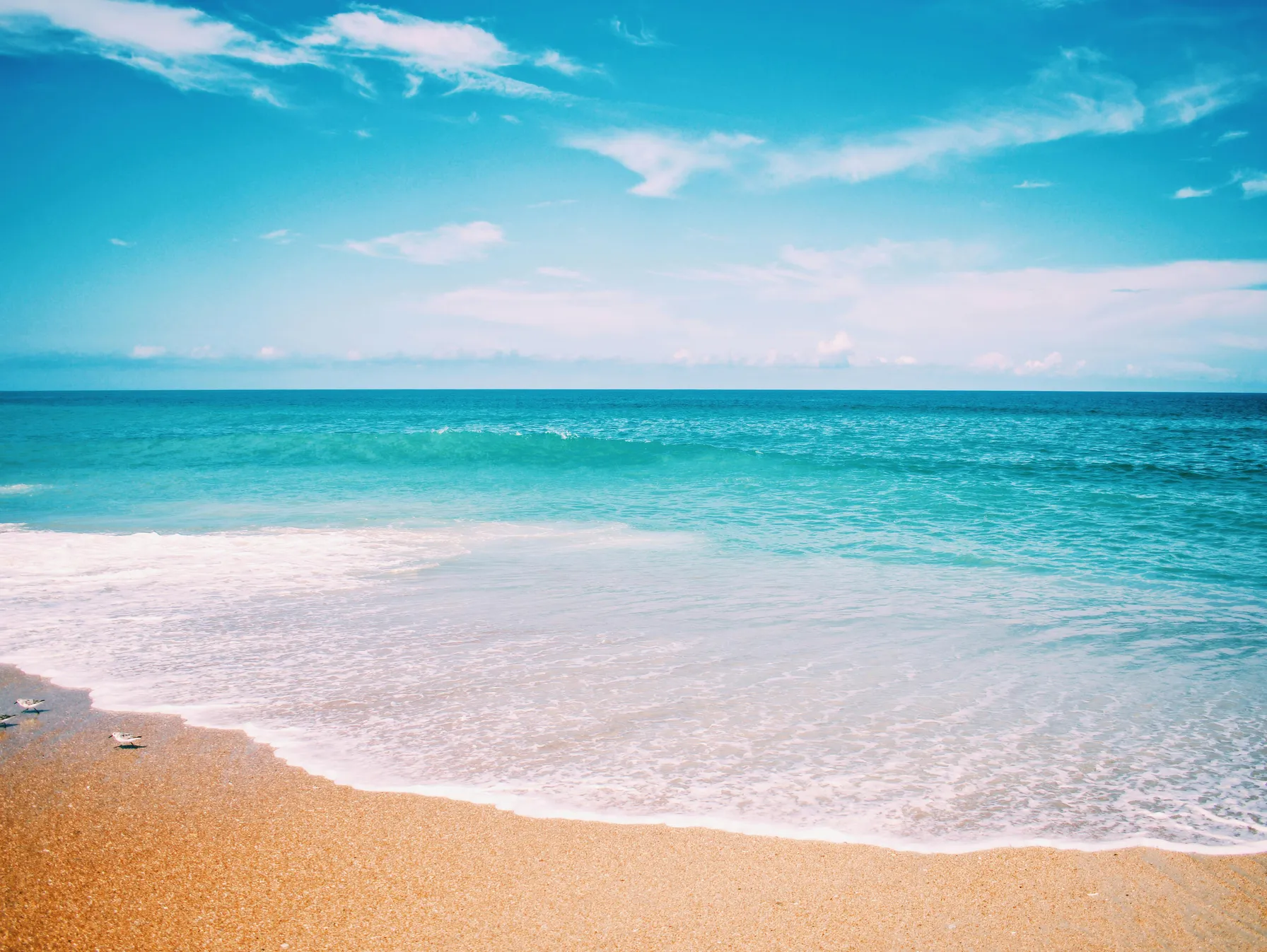
Visiting Bali in January does not mean experiencing the same conditions everywhere on the island. The south, notably around Nusa Dua, Seminyak and Jimbaran, experiences significantly less rainfall than the center or the north. It is in this area that conditions remain the most favorable for Bali beachgoers and for water-side relaxation.
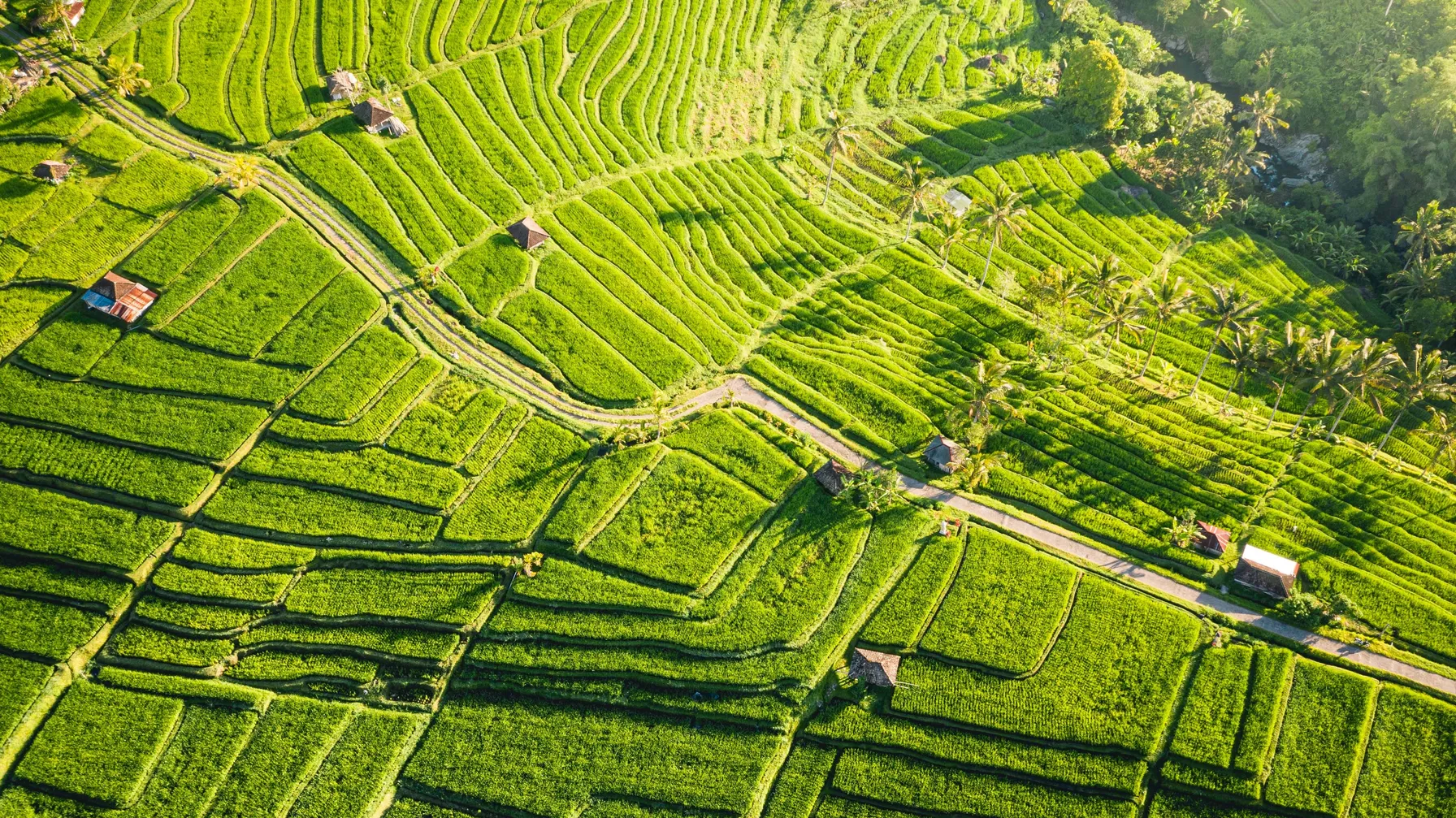
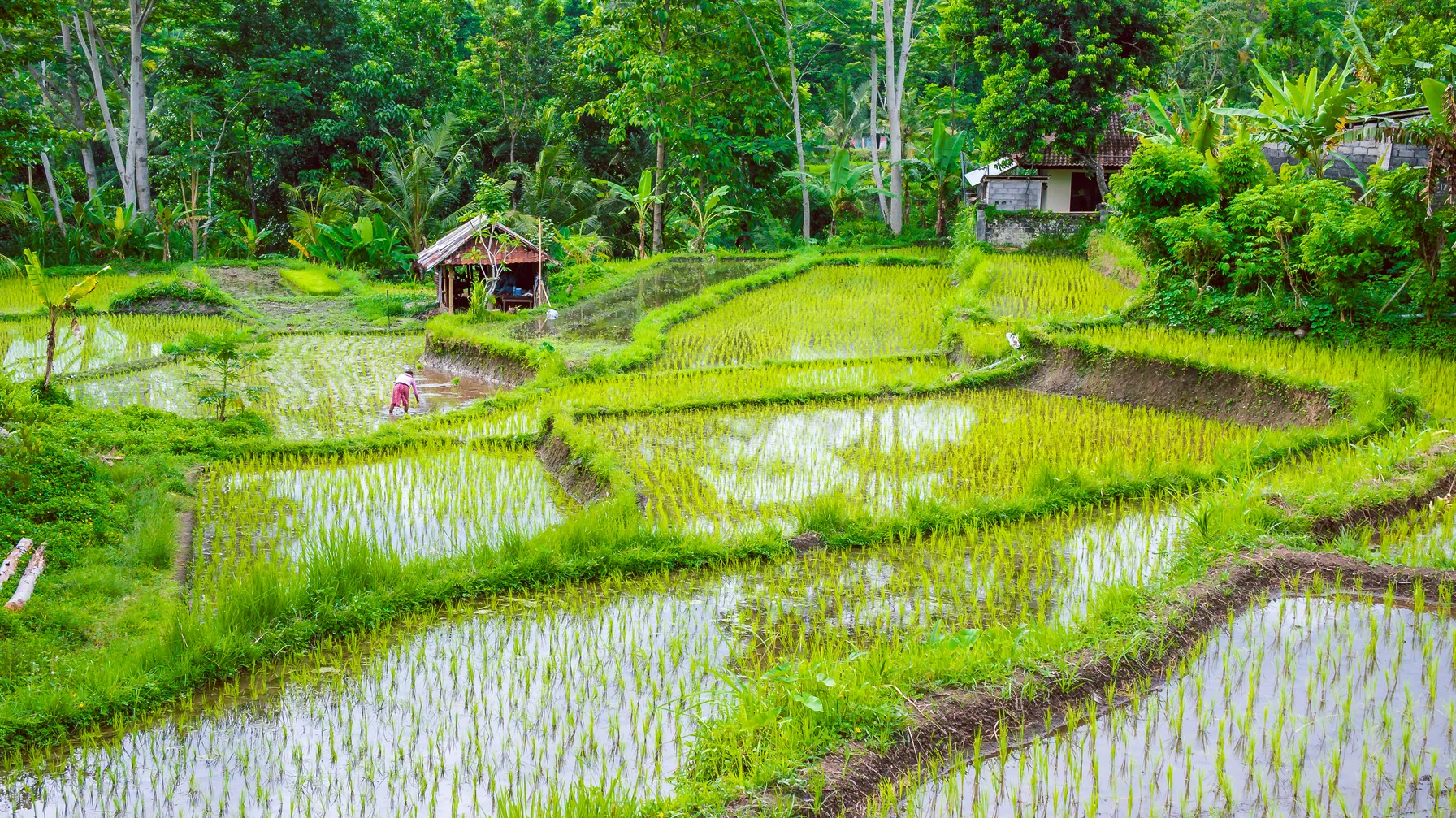
Conversely, the highland regions such as Ubud or Munduk receive more rainfall, offset by landscapes of terraced rice fields whose lushness is absolutely breathtaking at this time of year. The Bukit Peninsula, in the southwest, enjoys a comparatively favorable microclimate, while Nusa Penida, accessible by boat from Sanur, can be more exposed to inclement weather in January and warrants particular vigilance before planning an excursion.
Contactez-nous pour plus d'informations sur les meilleures périodes pour partir à Bali et composer un itinéraire sur mesure, parfaitement ajusté à vos attentes.
What activities are possible during a stay in Bali in January?
Far from limiting possibilities, January in Bali invites a deeper and more authentic exploration of the island. The low season reveals a side that the summer crowds don't always allow you to experience. Between culture, gastronomy, and well-being, there are many activities available and they can easily be organized by taking into account the natural rhythm of the rains.
Spiritual immersion, rice terraces and cultural discoveries.
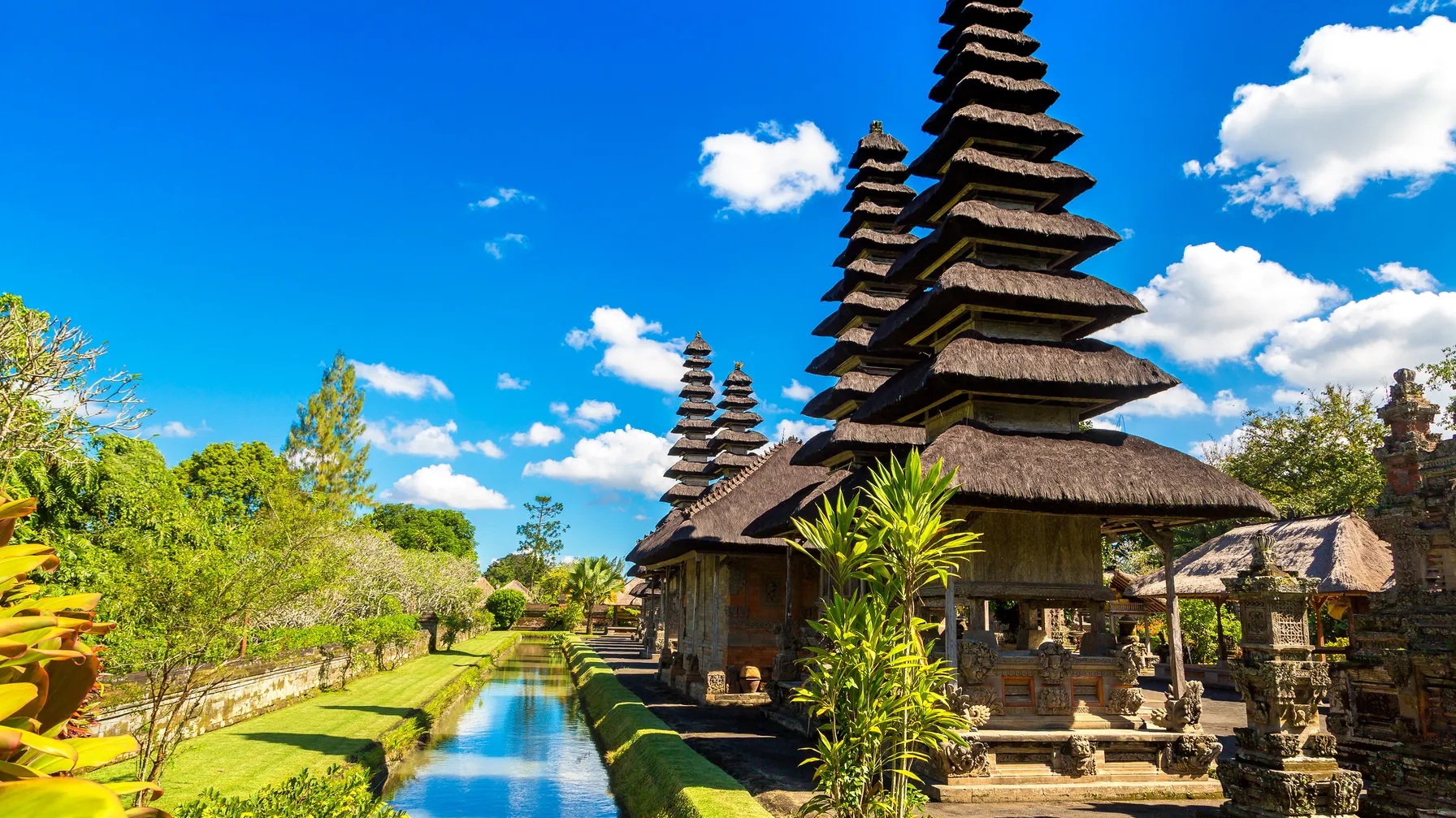
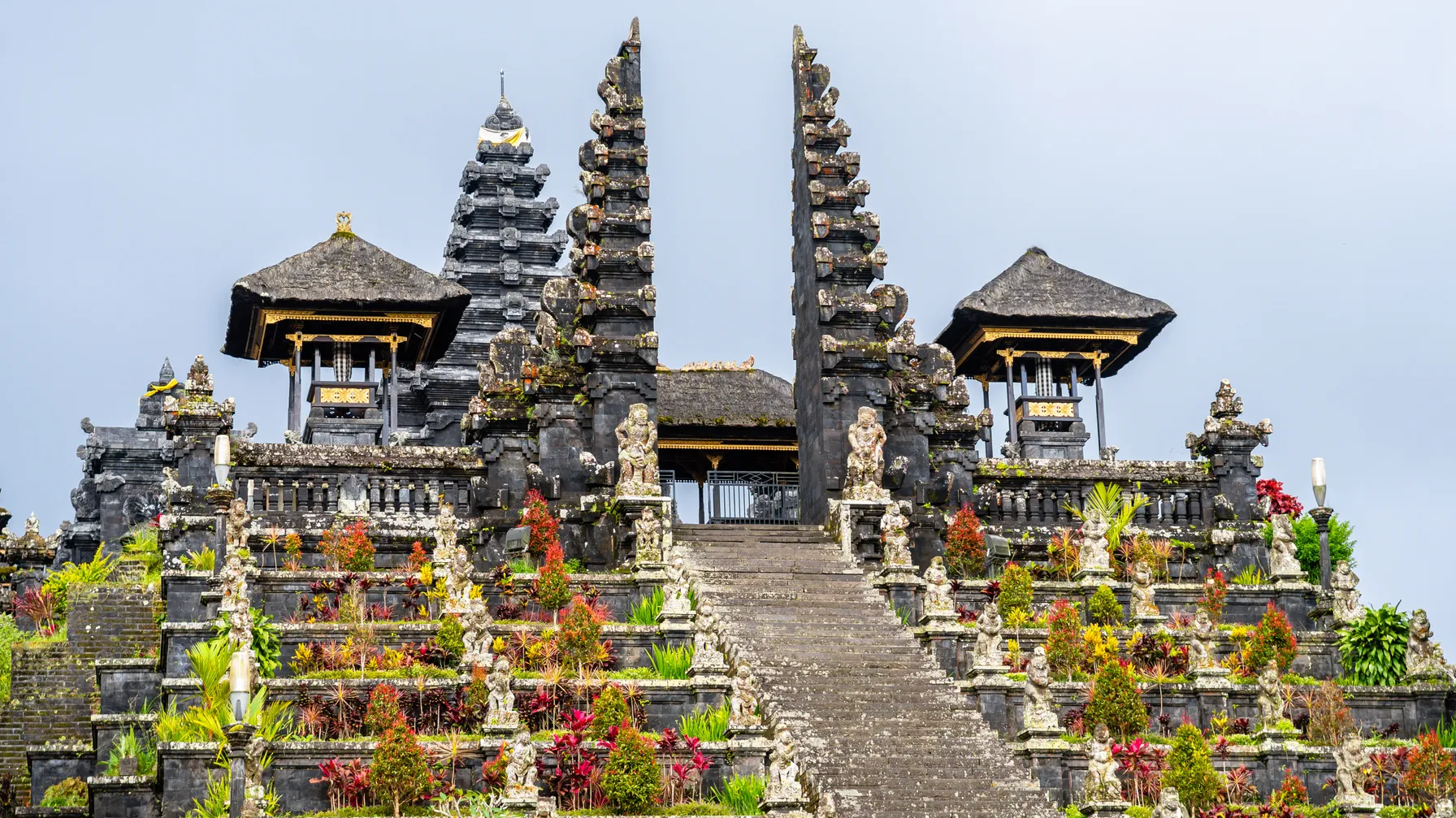
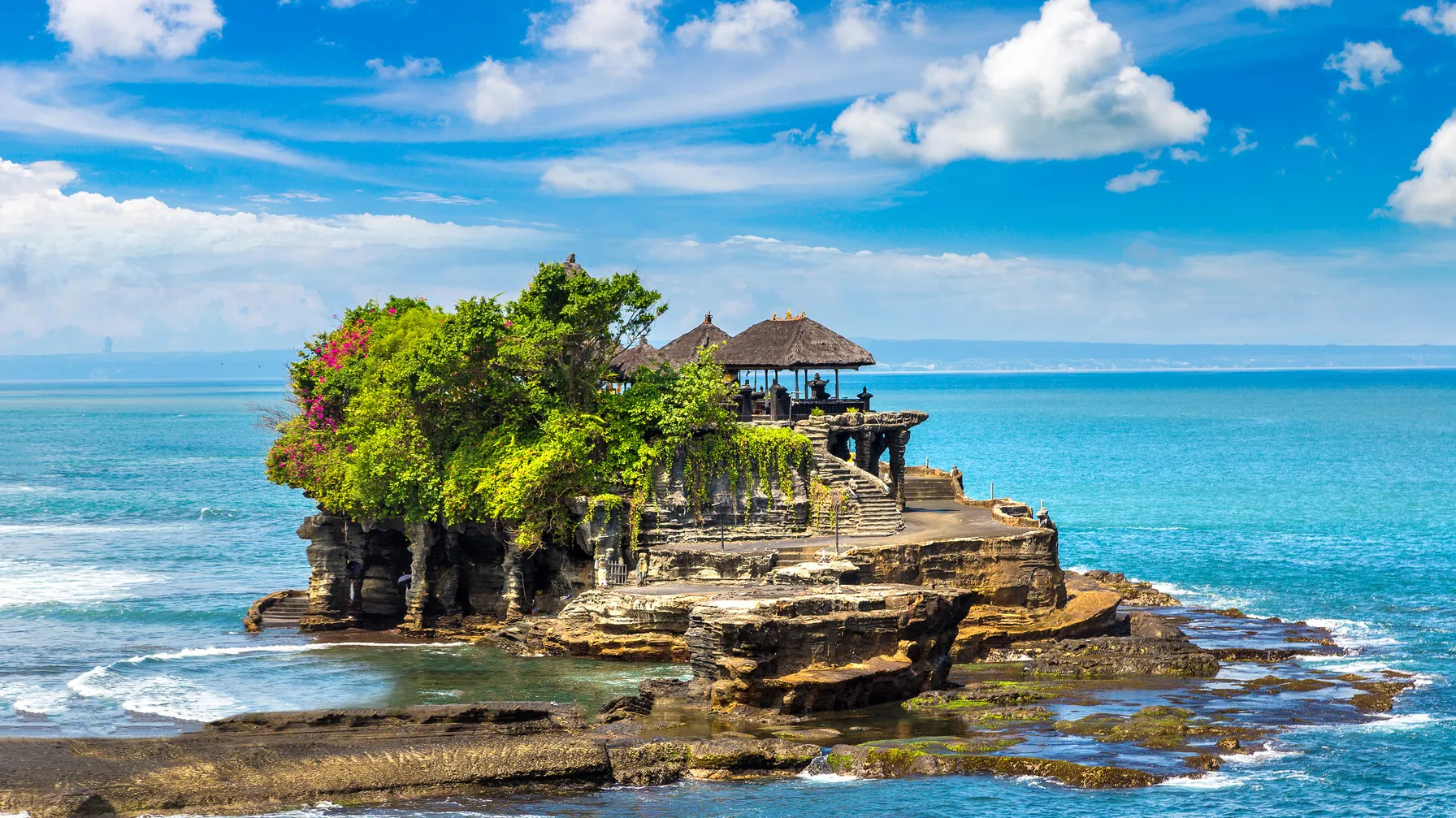
Les sites emblématiques de l'île des dieux – le temple d'Uluwatu sur sa falaise, Tanah Lot face à l'océan, Tirta Empul et ses bassins de purification – se visitent en janvier dans une atmosphère incomparablement plus sereine qu'en haute saison. L'authenticité des cérémonies religieuses, encore très présentes à cette période, offre un moment de partage rare avec la culture balinaise.
Du côté des événements, le mois de janvier marque bien sûr la période du nouvel an occidental, fêté dans les zones touristiques de l'île. Selon le calendrier lunaire, le nouvel an chinois peut également tomber en fin de mois ou début février, apportant une atmosphère festive dans plusieurs établissements. La cérémonie du Melasti, procession de purification collective vers la mer, peut aussi avoir lieu selon le calendrier balinais, offrant un spectacle spirituel d'une grande intensité.
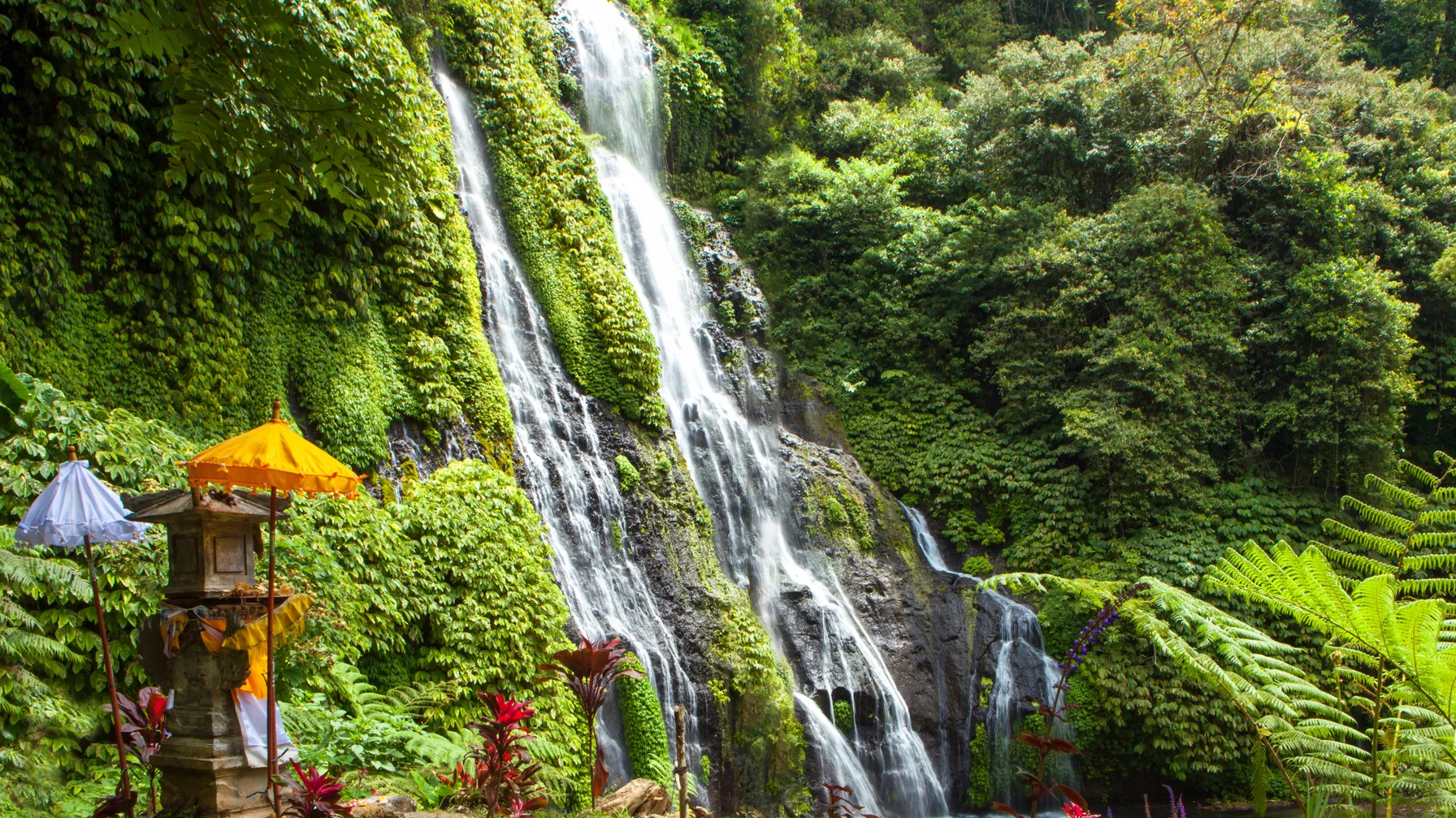
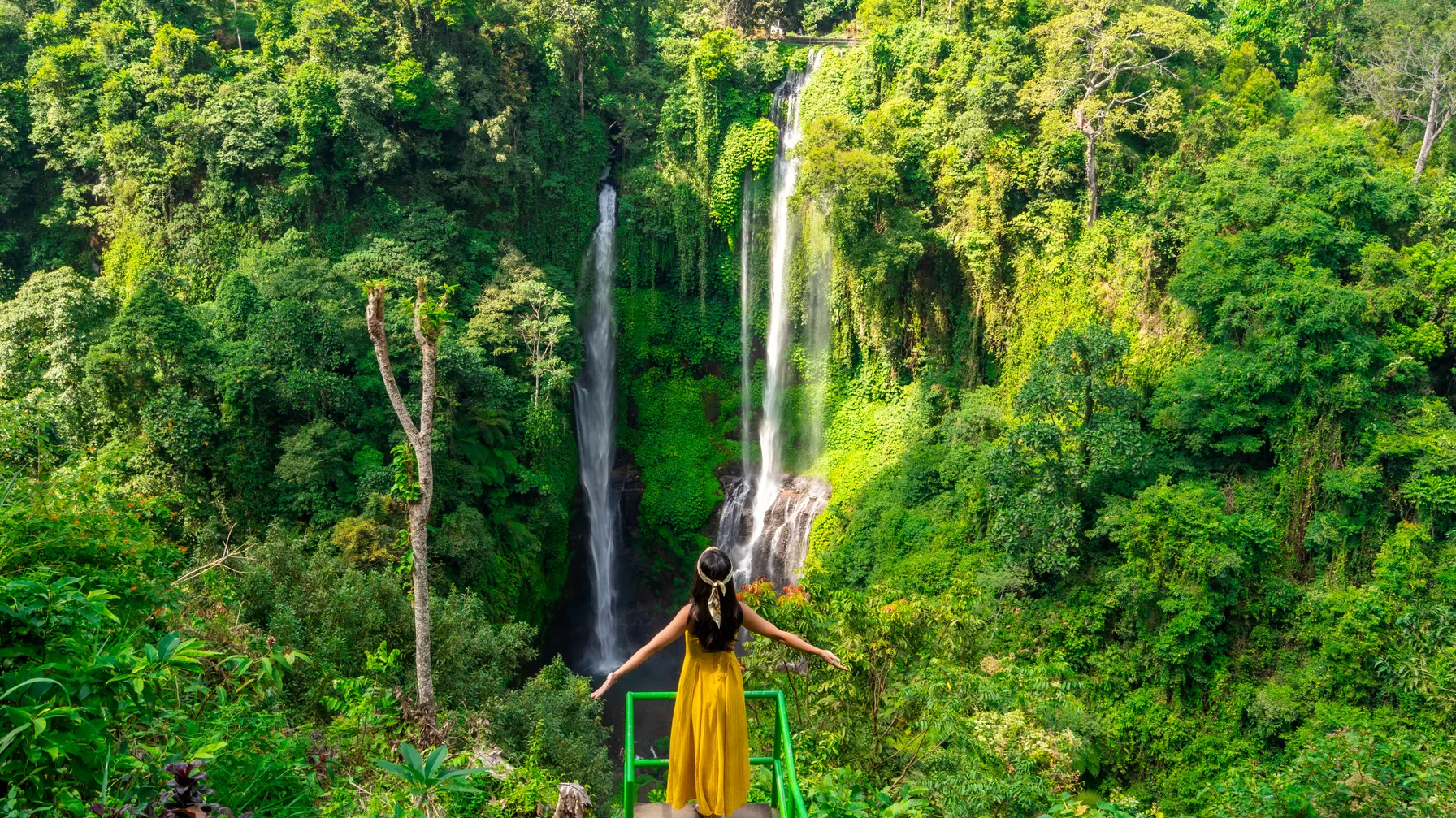
For nature lovers, the terraced rice fields of Jatiluwih or Tegallalang reach in this month their most beautiful expression, bathed in an intense green after the rains. Waterfalls, such as Sekumpul in the north or Tegenungan near Ubud, experience their most impressive flow of the year. So many landscapes that make January in Bali an ideal moment for photography and exploration.
Balinese gastronomy, well-being and crafts: the art of making the most of the rain showers
When afternoon showers appear in mid-afternoon, the island offers many enriching alternatives. Participating in a cooking class is a must-do experience: learning to prepare a sate lilit, nasi goreng or a lawar in a traditional kitchen, surrounded by local flavors, is a memory that leaves a lasting impression. Balinese cuisine, rich in spices and fresh herbs, reveals itself to be much more complex and subtle than it might seem at first glance.
During the off-season the island's spas and wellness centers offer particularly attentive hospitality. A traditional Balinese massage after a morning of exploration, or a yoga session in the heart of Ubud's greenery, fits perfectly with the spirit of this Bali journey off the beaten track. Craft workshops – batik, wood carving, pottery – allow for wonderful hours discovering local know-how, sheltered from the weather.
Book your Bali trip now and let a Travel Planner craft for you a tailor-made itinerary, perfectly aligned with the season's rhythm.
Is this the right time to visit Bali, and what type of traveler will find themselves here?
January is objectively not the best period to visit Bali if you are looking for guaranteed sunshine and optimal beach conditions. However, this month very well meets the expectations of certain traveler profiles. Treating yourself to a bit of serenity away from the crowds, exploring the island with an authentic vibe, or taking advantage of favorable pricing: these motivations find January to be a particularly favorable time.
The off-season, an opportunity for those who know how to make the most of it
The traveler comfortable with flexibility and advance planning will find in this month a rare freedom of movement. Premium accommodations, often full in the high season, become more accessible, including in higher categories. Villas with private pools, boutique hotels or eco-lodges nestled in the greenery offer experiences of remarkable quality, with special attention given to every detail of the stay.
Couples seeking intimacy, solo travelers eager for a deep cultural immersion, or families who want to enjoy premium services without the crowds' pressure, will find in a January Bali trip a real added value. Here are the profiles that particularly appreciate this period:
- \n
- Culture and temple enthusiasts who enjoy open sites and authentic ceremonies. \n
- Nature-loving travelers, drawn to lush landscapes and waterfalls at full flow. \n
- Wellness and gastronomy enthusiasts seeking refined experiences in a soothing setting. \n
When to go if you prefer milder weather?
If the rainy season seems incompatible with your expectations, the best time to visit Bali is between May and October, during the dry season. May, June and September constitute an excellent compromise: weather conditions are optimal, vegetation remains lush after the monsoon, and tourist traffic is slightly lower than that of July and August, which correspond to the European high season.
For those whose constraints require departing in January, careful itinerary planning, designed to alternate outdoor activities in the morning with cultural discoveries in the afternoon, allows you to make the most of this unique month. The south of the island remains the base to favor in this case, with Nusa Dua or Seminyak as ideal anchor points to explore the entire island with complete serenity.
Contact us for more information and benefit from the guidance of a dedicated Travel Planner to organize your Bali stay, whatever period you choose.
Demandez votre devis Bali sur-mesure 100% gratuit
 4.8
4.8+3.000 travelers satisfied