Why choose Tenerife for your road trip in the Canaries?
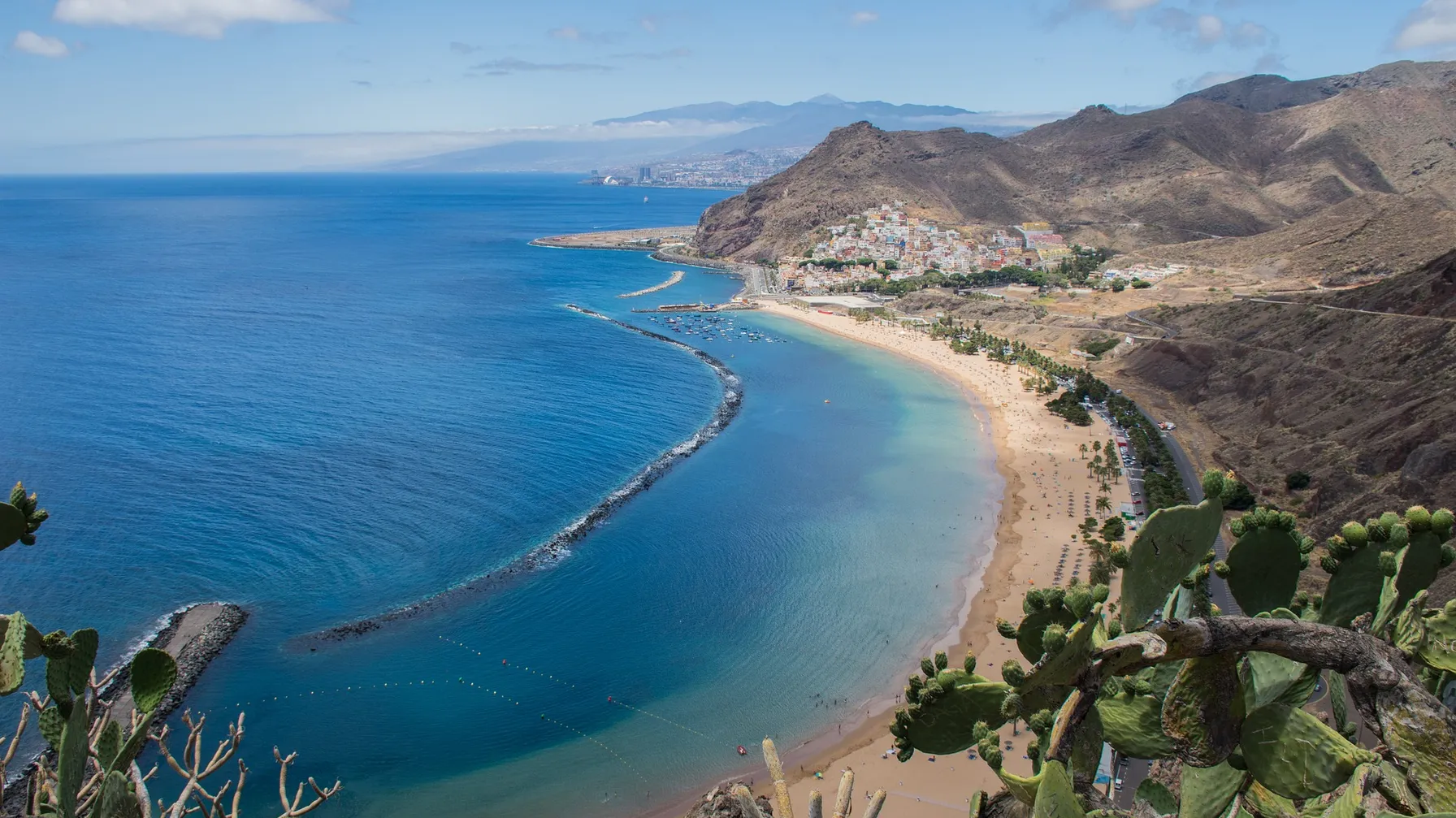
Tenerife stands out as the perfect destination for your road trip in the Canary archipelago. This volcanic island of 2,034 km² offers a remarkable diversity of landscapes, from the summit of Teide at 3,715 meters above sea level to the black sand beaches of the Atlantic coast. Your days will revolve around contrasting discoveries: natural pools sculpted by lava, viewpoints offering breathtaking panoramas, and authentic villages preserved from mass tourism.
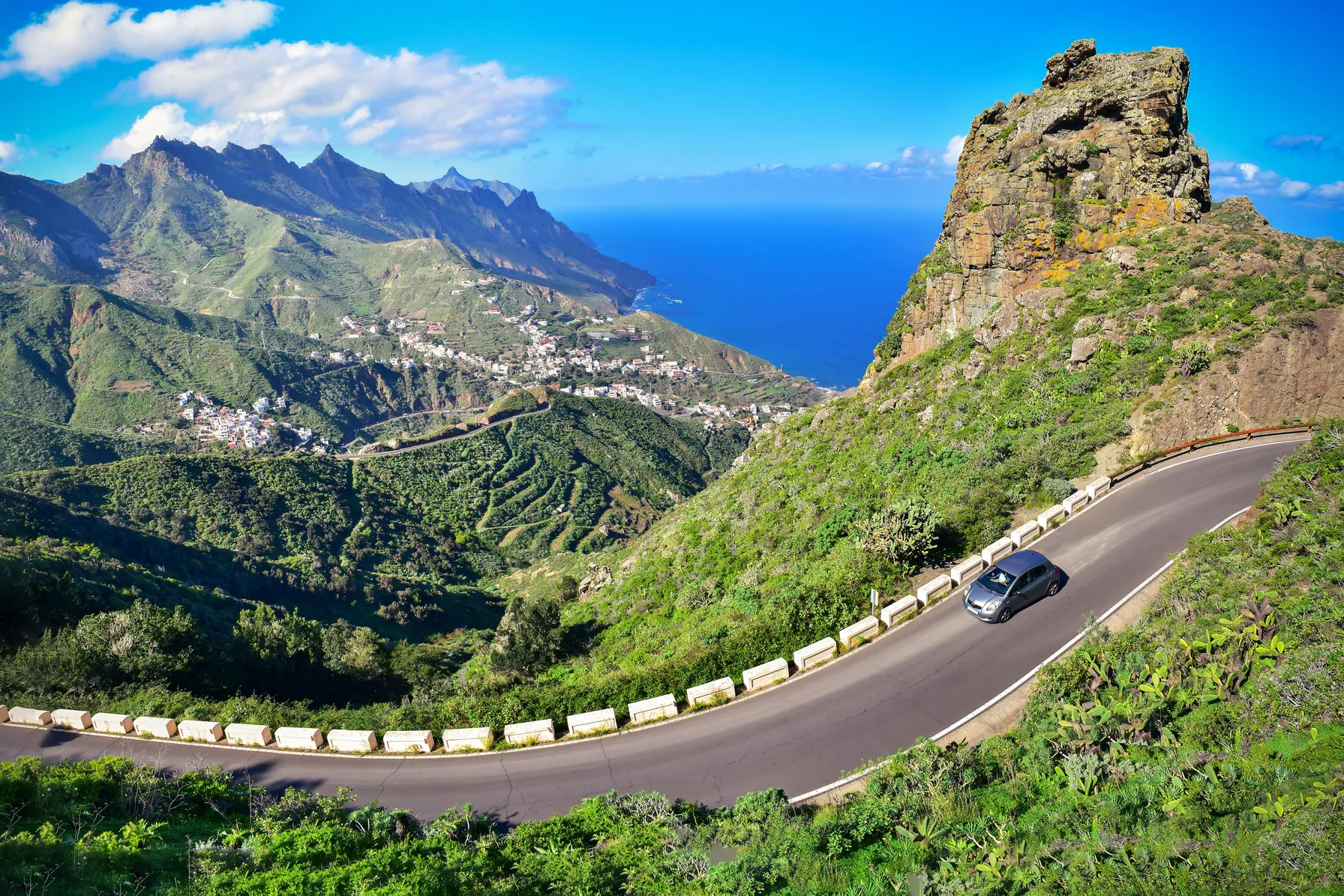
The island's subtropical climate guarantees pleasant temperatures all year round, ranging from 18°C in winter to 28°C in summer. This weather stability makes Tenerife an ideal destination for a trip with family or friends, no matter the season chosen. Well-maintained roads facilitate your travel, although some routes to perched villages like Masca require careful driving on mountain roads.
Our Travel Planners are well-acquainted with each area's peculiarities on the island. They assist you in creating a customized itinerary that matches your desires, whether you prefer hiking in Anaga Rural Park, watching whales off the coast of Los Gigantes, or exploring the architectural heritage of La Orotava.
Your personalized road trip itinerary in Tenerife
A successful road trip in Tenerife requires thoughtful organization to optimize your travel and discover the most spectacular spots on the island. Your itinerary adapts according to your interests and the duration of your stay.
North of Tenerife: authenticity and wild nature (3-4 days)
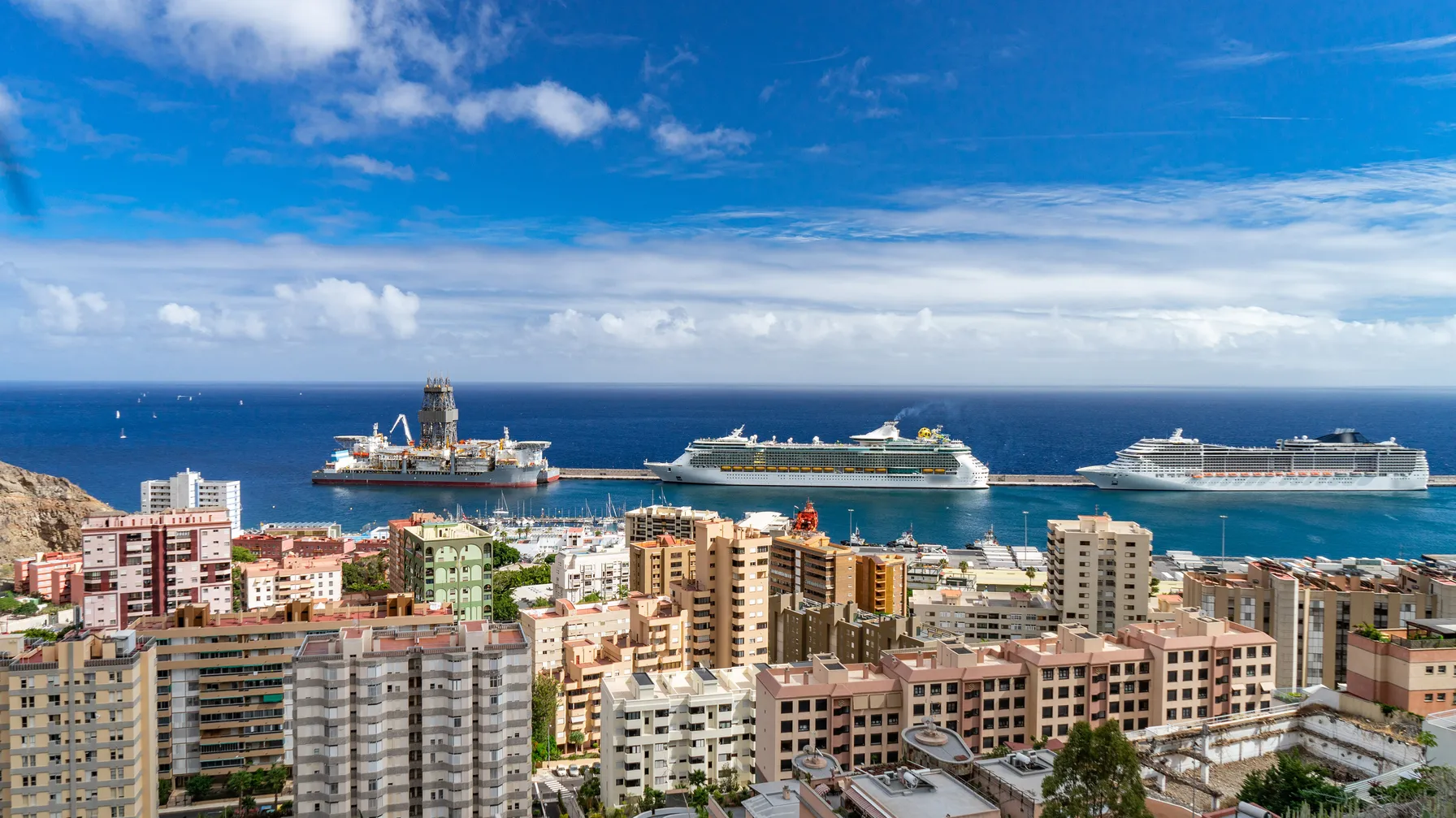
The north of the island reveals the most authentic face of Tenerife, away from the southern resort areas. Your discovery begins in Santa Cruz de Tenerife, a dynamic capital where colonial architecture meets contemporary creations. The historic city center deserves a morning walk before heading to La Laguna, a UNESCO World Heritage site for its colorful facades and paved streets.
The Anaga Rural Park is one of the natural jewels of your road trip. This biosphere reserve houses the oldest laurel forest in the Canaries, a relic of subtropical vegetation that covered Europe millions of years ago. The hiking trails lead you to exceptional viewpoints like Pico del Inglés, from which your gaze embraces the entire mountain range.
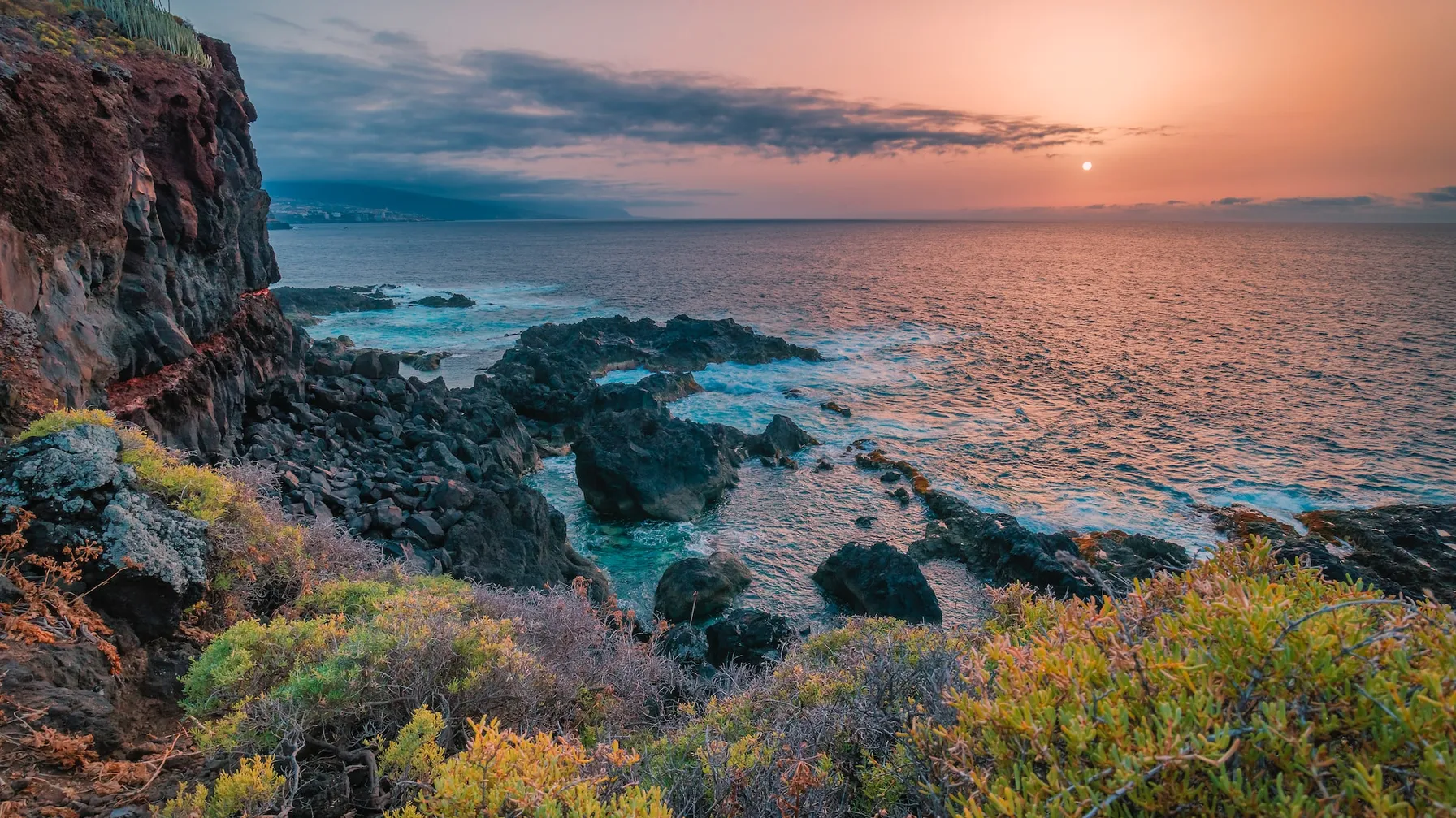
Benijo Beach offers a stunning spectacle with its volcanic rock formations emerging from the Atlantic Ocean. This photographic spot becomes magical at the end of the day when the last rays of the sun set the cliffs aflame. For a more intimate experience, the Sendero de los Sentidos immerses you in the heart of the primitive forest on an accessible path for everyone.
Puerto de la Cruz is worth spending a night to discover its architectural heritage and botanical gardens. The Rambla de Castro promenade offers a coastal walk of 4 kilometers, punctuated by viewpoints and small wild coves. This ancient royal road unveils postcard landscapes between cliffs and lush vegetation.
Center and Teide National Park (2 days)
The Teide National Park is the main attraction of your road trip in Tenerife. This World Heritage site spans 18,990 hectares around the Teide volcano, Spain's highest peak. Your two days in this volcanic region allow you to explore unique lunar landscapes in Europe.
Climbing Teide is a highlight of your stay. Several options are available depending on your physical fitness and desires. The Teide cable car lifts you to 3,555 meters altitude in eight minutes, offering unbeatable views over the Canary archipelago. To reach the summit of the volcano, prior authorization is necessary, which our Travel Planners can organize for you.
The hike around Roques de García introduces you to these spectacular rock formations sculpted by erosion. This 3.5-kilometer loop trail is suitable for all levels and offers changing perspectives on the volcanic landscape. The ochre and red colors of the rocks contrast with the deep blue of the Canarian sky.
Samara viewpoint reveals an exceptional panorama over the Canarian pine forests encircling the volcano. This 5-kilometer hike immerses you in a unique ecosystem where century-old pines withstand the extreme conditions of altitude. In the evening, the Chipeque viewpoint becomes the theater of an unforgettable sunset, with Teide standing out against a sea of golden clouds.
West coast and picturesque villages (2-3 days)
The west ctiatestinalformatost eastegionspot airplane'sent countriesfamilyg doctorssoftwarefamiliaryof Tenerife concentrates some of the most beautiful villages on the island, nestled between sea and mountain. Masca holds a particular place in the hearts of travelers with its traditional houses clinging to the sides of the barranco. This small village of 90 inhabitants offers an exceptional setting for a lunch break before possibly embarking on the descent to Masca Beach via a spectacular trail.
Garachico tells the eventful history of Tenerife through its paved streets and natural swimming pools. This former prosperous port, destroyed by the volcanic eruption of 1706, has managed to rise from its ashes. Its natural basins carved into volcanic rock offer a refreshing swim facing the Atlantic Ocean. The historic center unveils magnificent examples of Canarian architecture, with its carved wooden balconies and flowered patios.
Los Gigantes impresses with its basalt cliffs plunging steeply into the ocean to a depth of 600 meters. This seaside resort is the ideal starting point for a boat excursion dedicated to observing whales and dolphins. The waters surrounding Tenerife harbor a permanent population of cetaceans, making the island one of Europe's best spots for this activity.
La Orotava deserves an in-depth visit for its exceptional architectural heritage. This steep town retains one of the best-preserved historic centers in the Canaries, with its lordly houses and ornate balconies. The botanical garden, created in 1788, gathers over 4,000 tropical and subtropical plant species across 2.5 hectares.
South of Tenerife: relaxation and water activities (1-2 days)
The south of the island presents a more modern face with its seaside resorts developed for international tourism. This region benefits from a particularly dry and sunny microclimate, ideal for enjoying beaches and water activities. Los Cristianos and Costa Adeje concentrate the bulk of the hotel offerings and tourist infrastructure.
Despite its tourist development, the south conceals lesser-known natural treasures. The Tajao Arch forms a spectacular natural arch in a desert landscape dotted with cacti. This geological formation bears witness to the island's past volcanic activity and offers a striking contrast with the verdant landscapes of the north.
Montaña Roja dominates La Tejita Beach from an altitude of 171 meters. This easy 30-minute climb rewards your efforts with a panoramic view of the southern coast and the neighboring islands of La Gomera and El Hierro. At the end of the day, this spot becomes magical for watching the sunset over the Atlantic Ocean.
Practical tips for a successful road trip in Tenerife
The success of your road trip in Tenerife relies on meticulous preparation, tailored to the island's specifics. Our Travel Planners assist you in all practical aspects to optimize your experience.
Renting a car is the most convenient way to explore Tenerife independently. The island has two airports: Tenerife South (Reina Sofía) and Tenerife North (Los Rodeos). The former accommodates most international flights and is located near major seaside resorts. Opt for a vehicle with good ground clearance to access perched villages and hiking trails comfortably.
The following table summarizes essential information to plan your stay:
| Aspect |
Recommendations |
Details |
| Optimal Duration |
8 to 10 days |
Allows you to discover the entire island without rushing |
| Best Time |
March-May, September-November |
Pleasant temperatures, fewer tourists |
| Car Rental Budget |
200-350€\/week |
Varies by season and vehicle type |
| Gasoline |
1.30€\/liter |
Stable price throughout the year |
| Accommodations |
60-120€\/night |
Varying range according to location and standard |
Your itinerary can stretch over fifteen days in Spain by combining Tenerife with other Canary Islands. La Gomera, accessible by ferry from Los Cristianos, offers complementary landscapes with its laurel forests and traditional villages. This extension allows for a deeper exploration of the Canary archipelago.
For a two-week stay in Spain, consider including a getaway on the Iberian Peninsula. Madrid or Seville are enriching cultural steps, creating a stark contrast with the insular ambiance of the Canaries. Our Travel Planners design these combined circuits based on your interests.
The roads of Tenerife have particular features to know. The main arteries are in excellent condition, but some access to isolated villages involve narrow and winding roads. The TF-436 to Masca and the roads of Anaga Rural Park require careful driving. Plan for longer travel times than indicated by your GPS, especially for the first few routes.
Parking can be problematic at popular tourist sites. Arrive early in the morning at major viewpoints and beaches to ensure a parking spot. Some sites like Punta de Teno limit access of private vehicles in high season, imposing the use of public shuttles.
Accommodation deserves special attention to optimize your trips. Rather than changing hotels every night, prefer three or four strategic bases: one in the north (La Laguna or Puerto de la Cruz), one near Teide, one on the west coast (Los Gigantes), and possibly one in the south. This organization limits trips with luggage while allowing you to effectively radiate.