Why Choose Spain for Your Two-Week Road Trip?
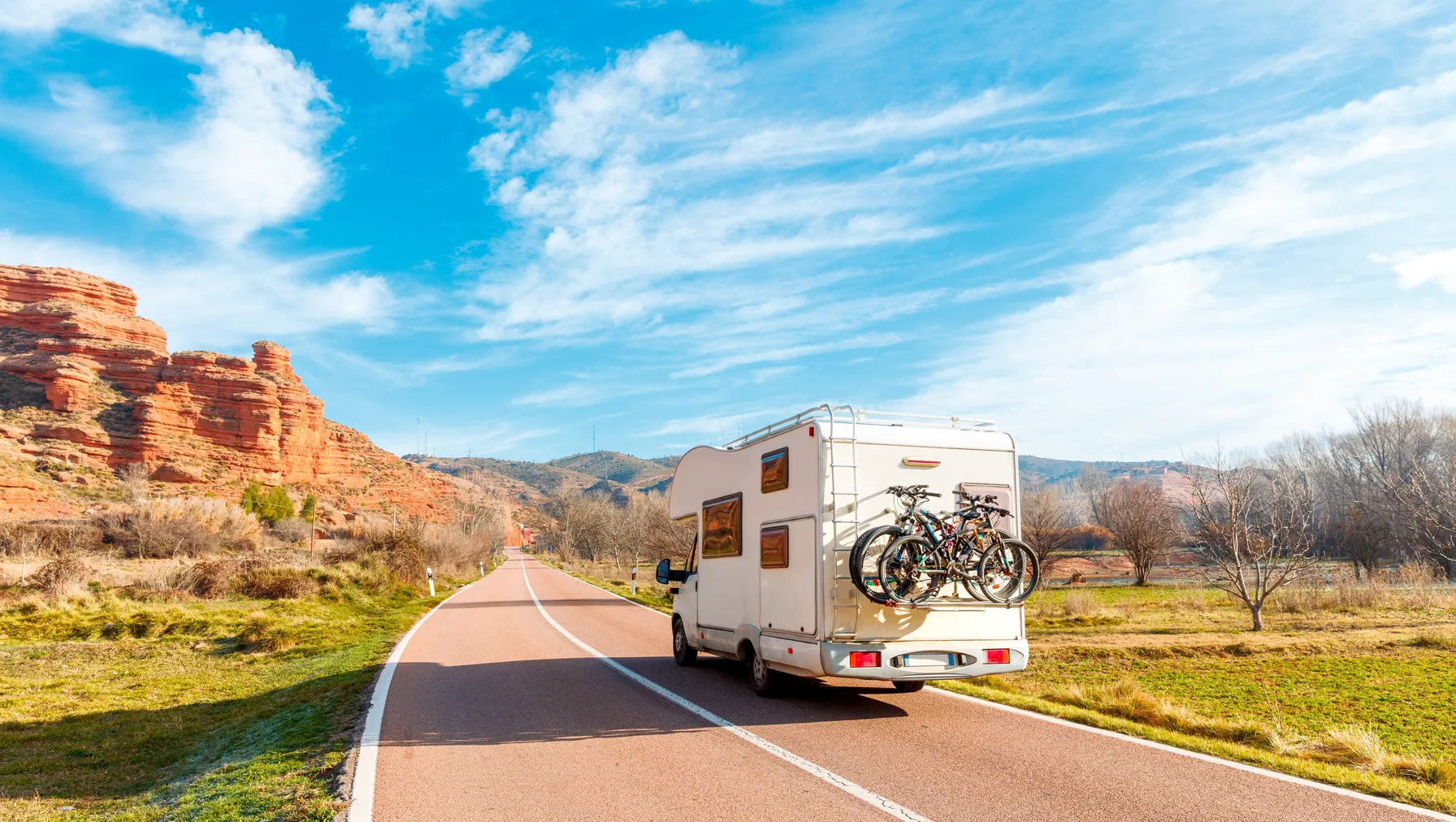
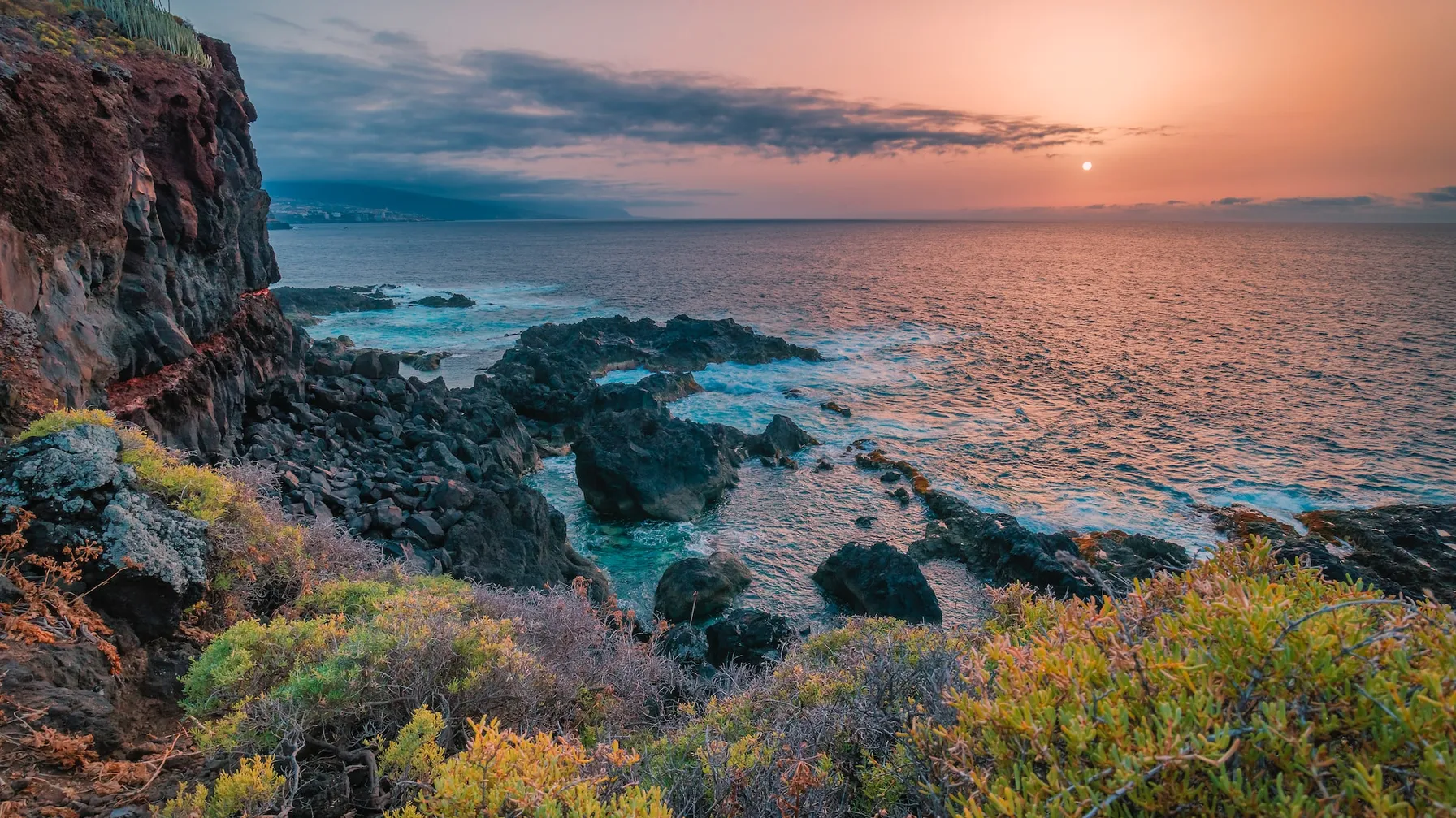
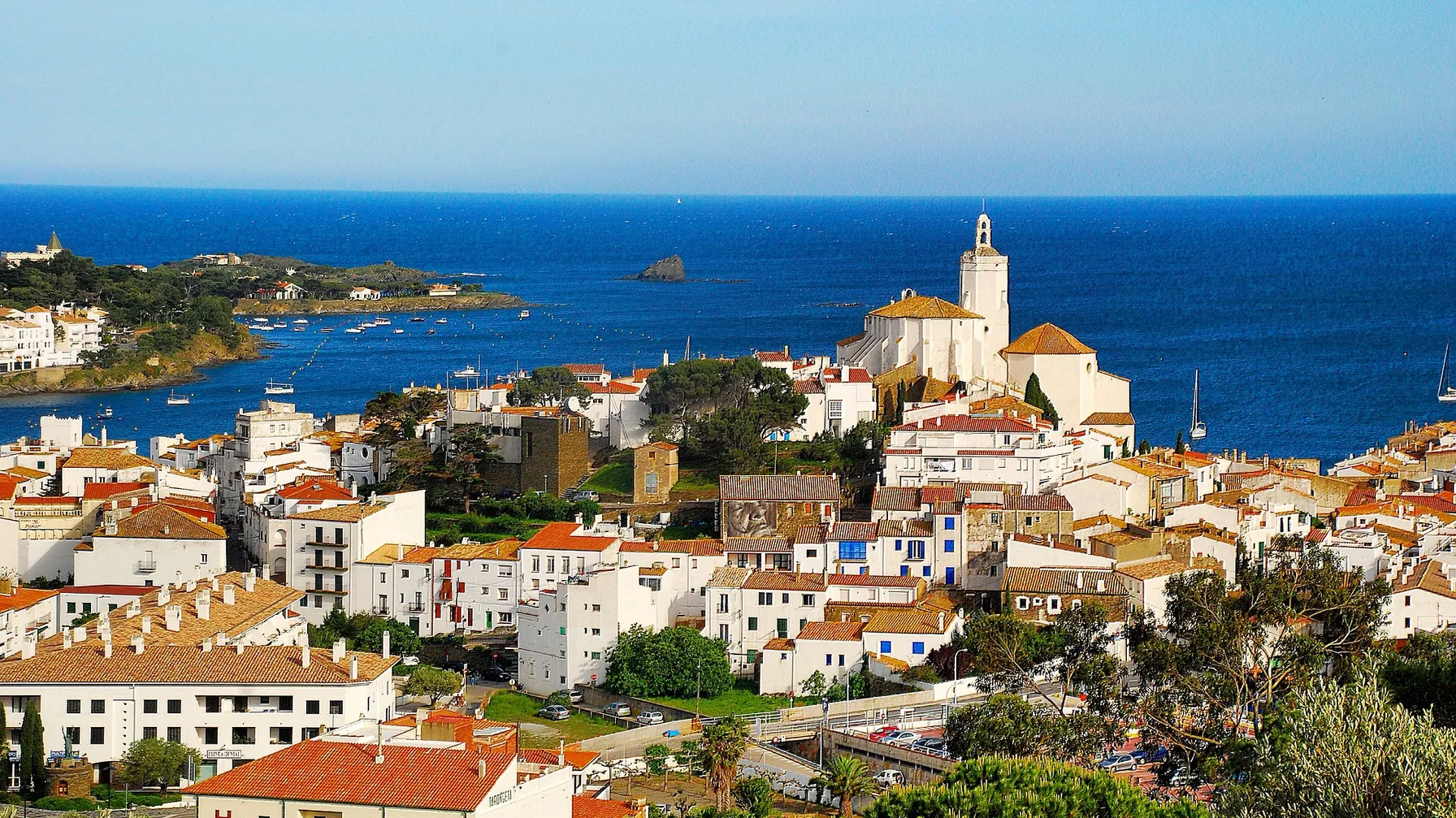
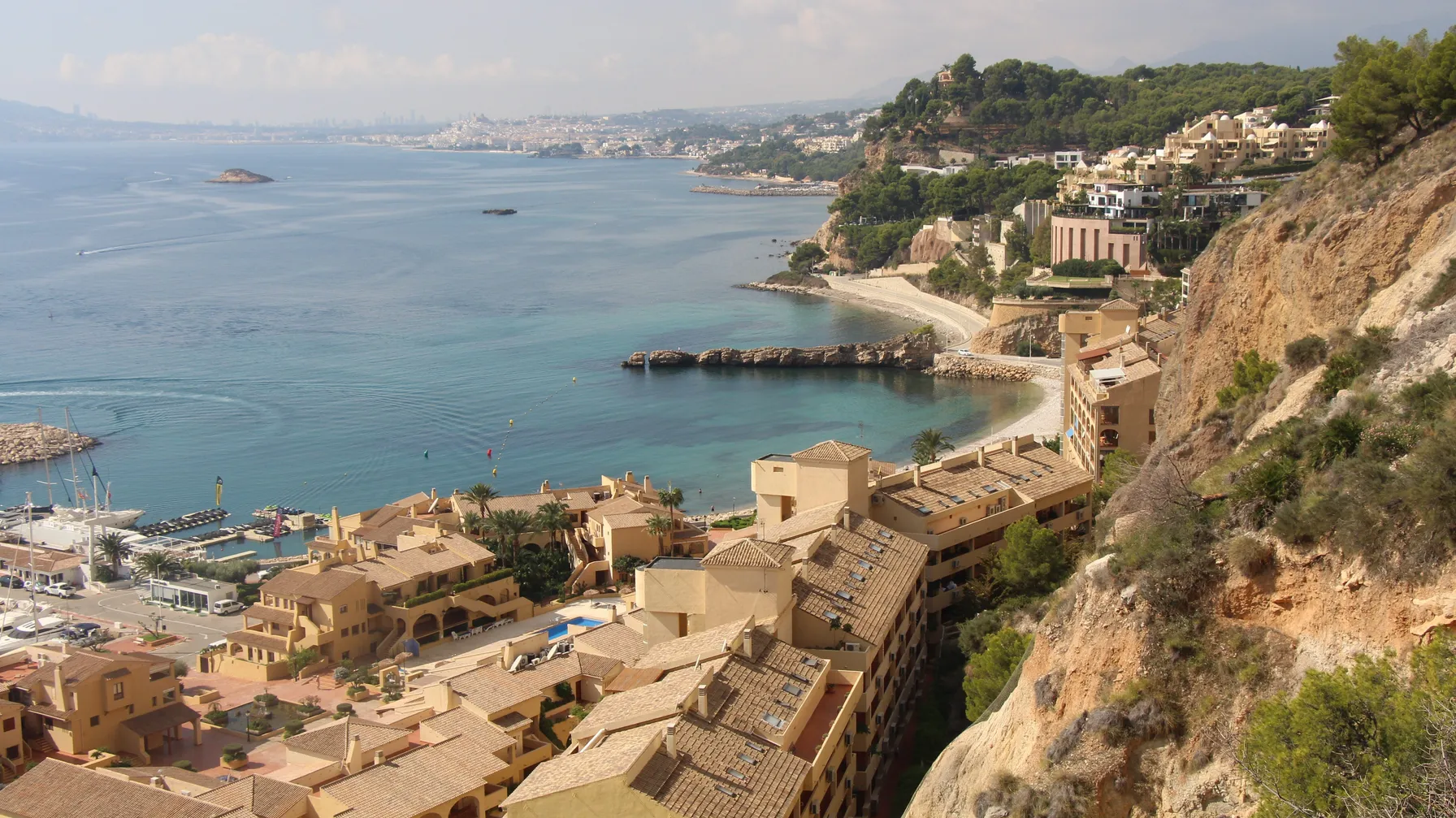
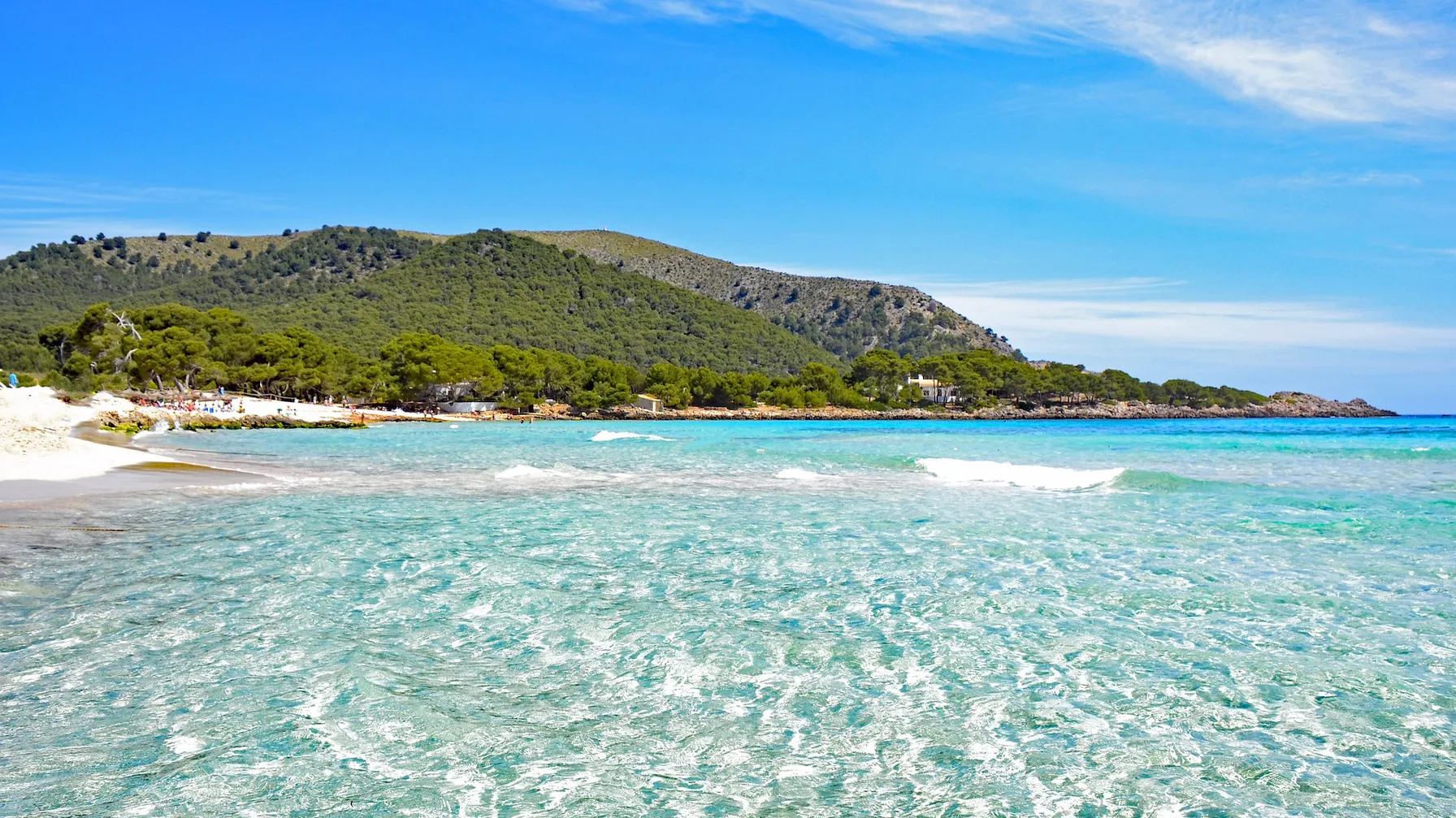
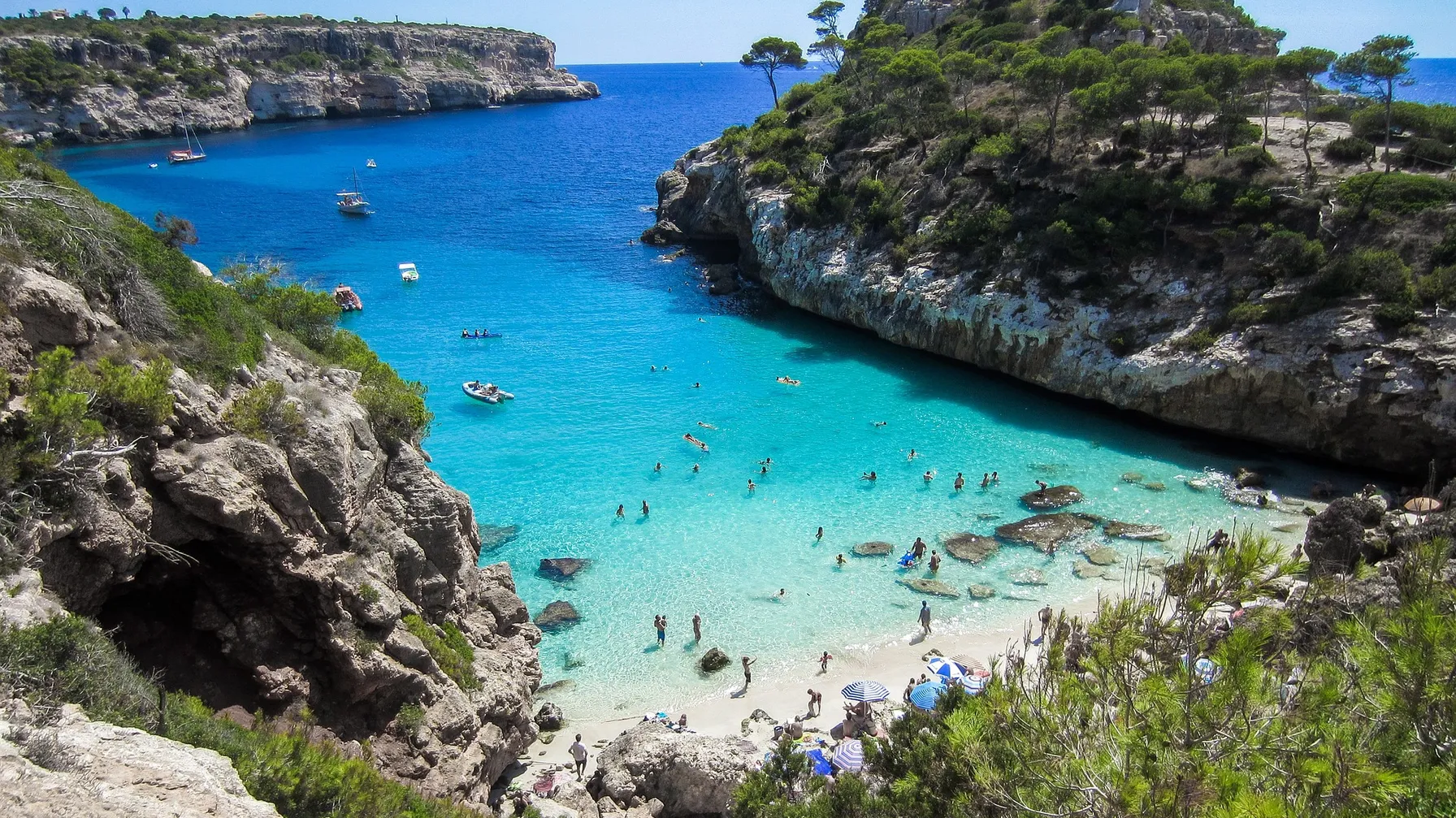
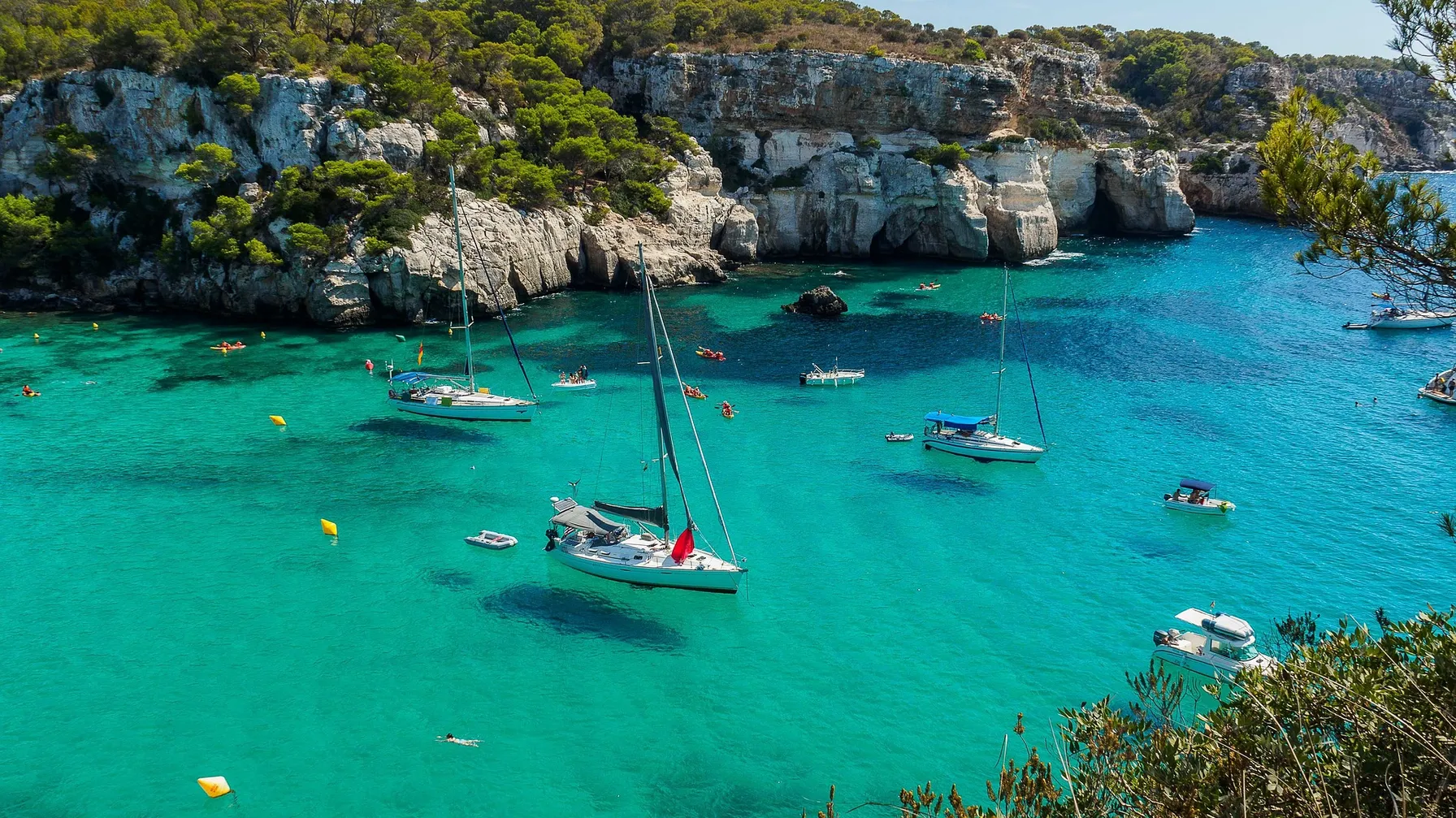
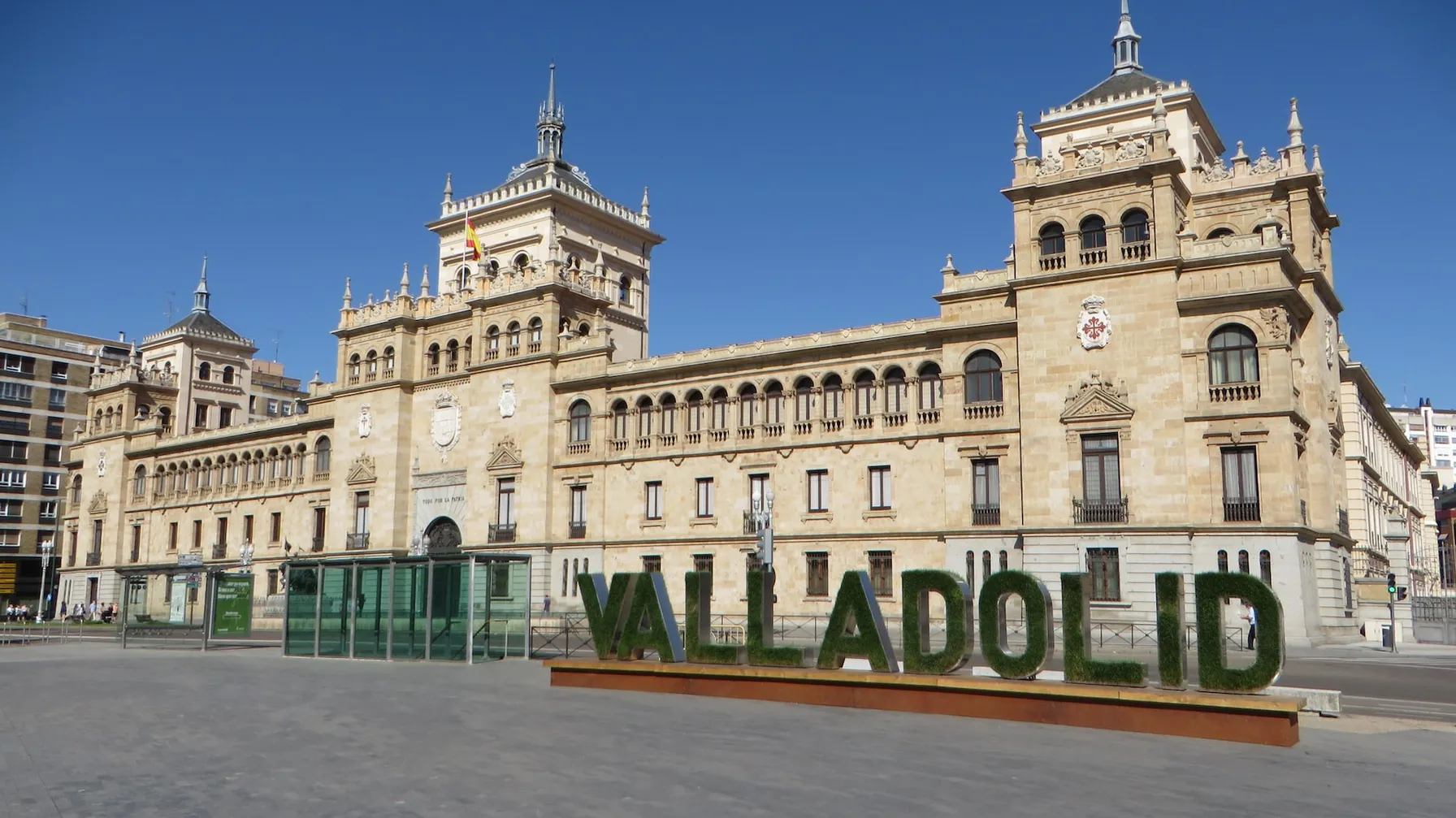
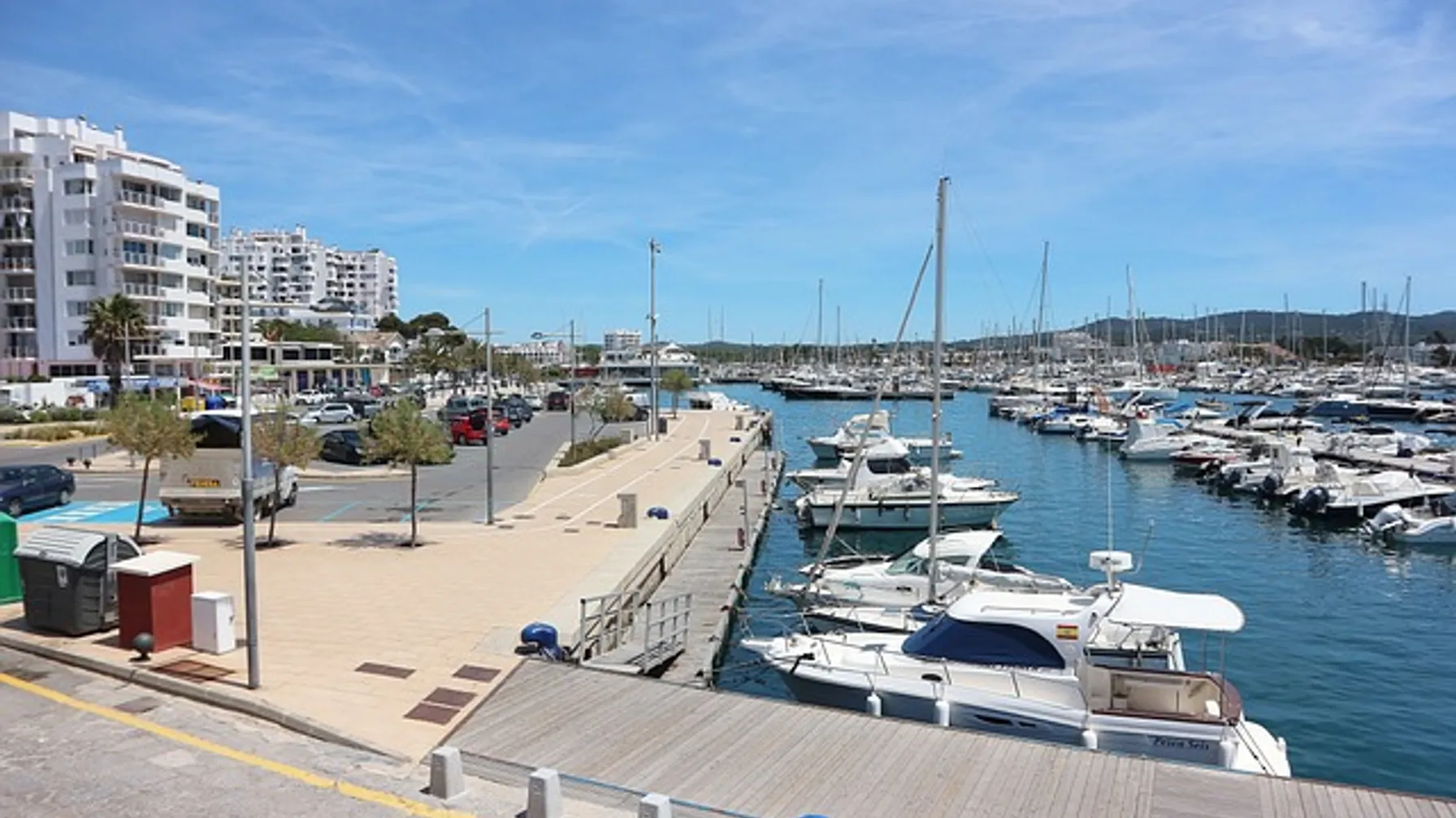
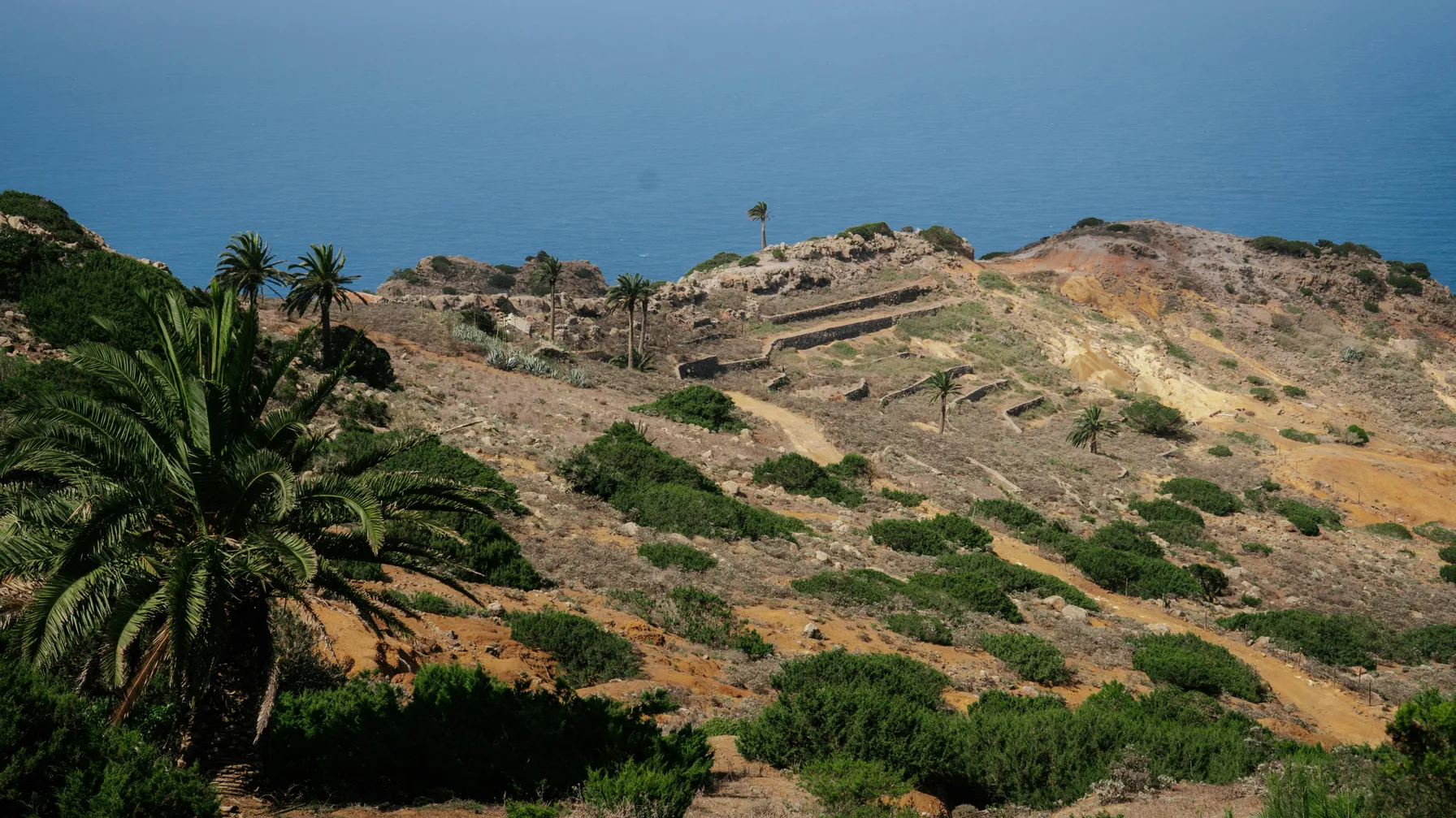
Setting off on a road trip in Spain is among the most enriching experiences you can have on the Iberian Peninsula. This country of a thousand faces offers extraordinary geographical and cultural diversity, perfectly suited for a 15-day car journey. You will discover stunning contrasts between the golden beaches of the Costa Brava and the snow-capped peaks of the Sierra Nevada, between the bustle of major cities like Madrid or Barcelona and the serenity of the small hilltop villages of Andalusia.
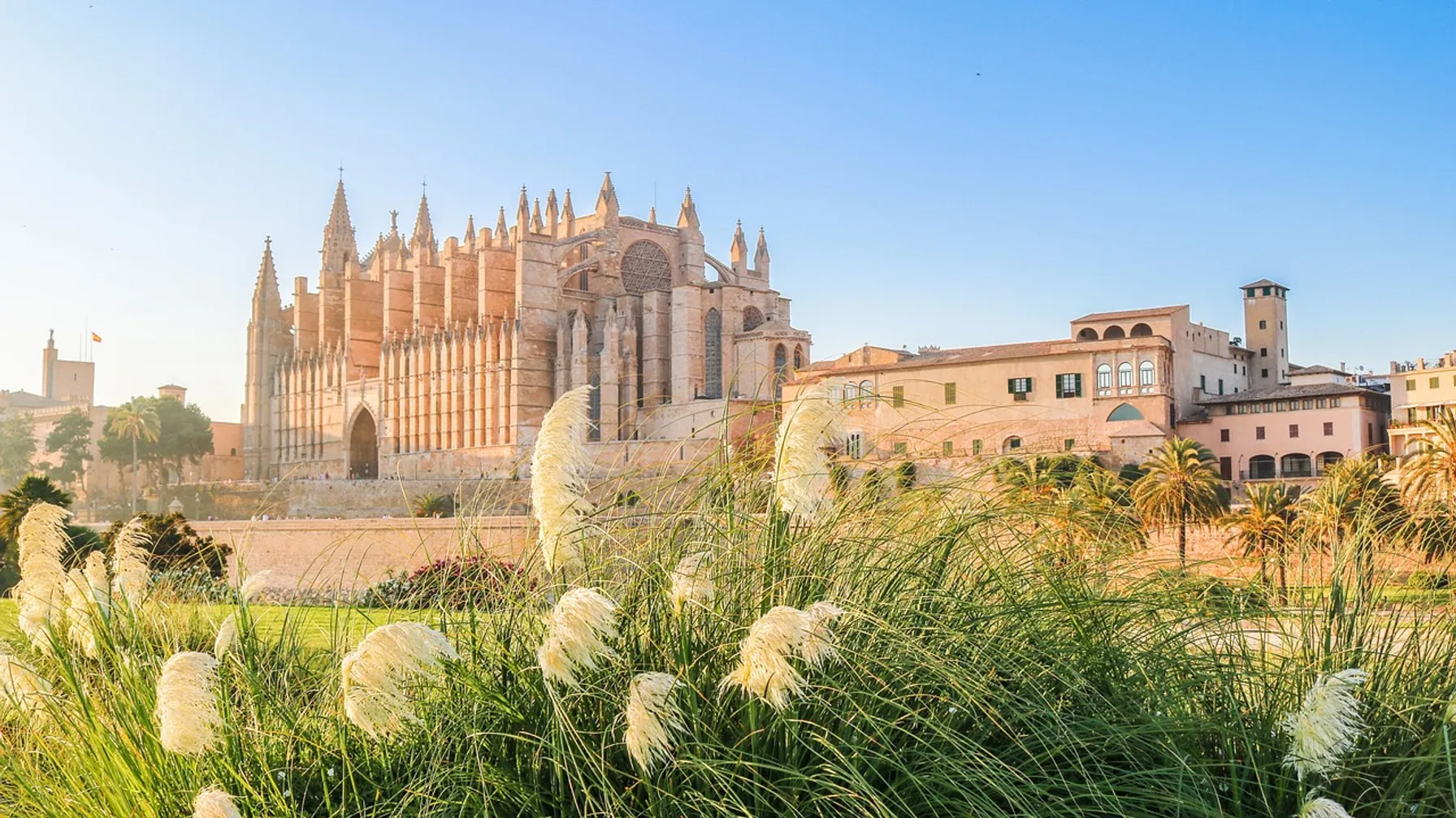
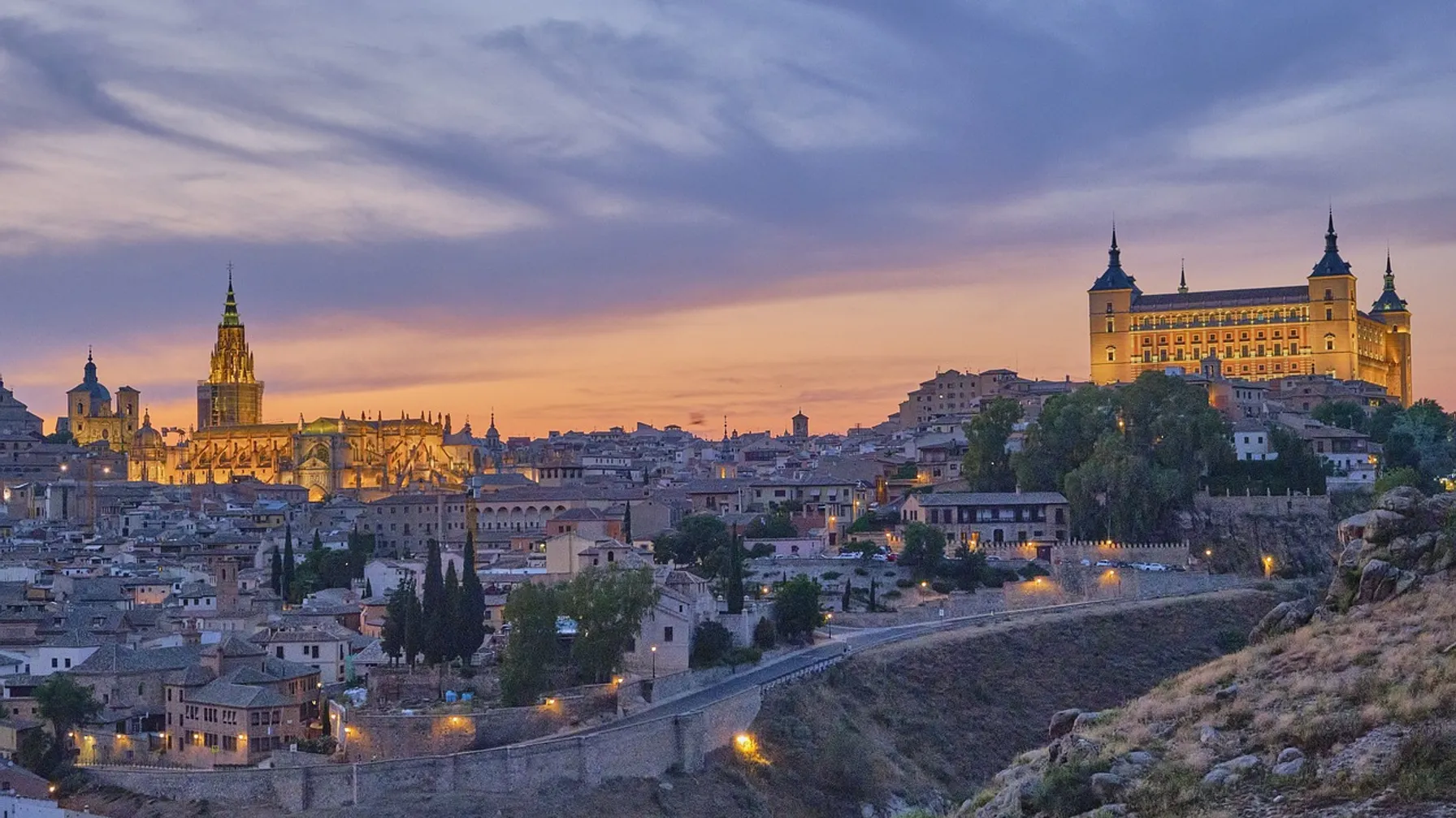
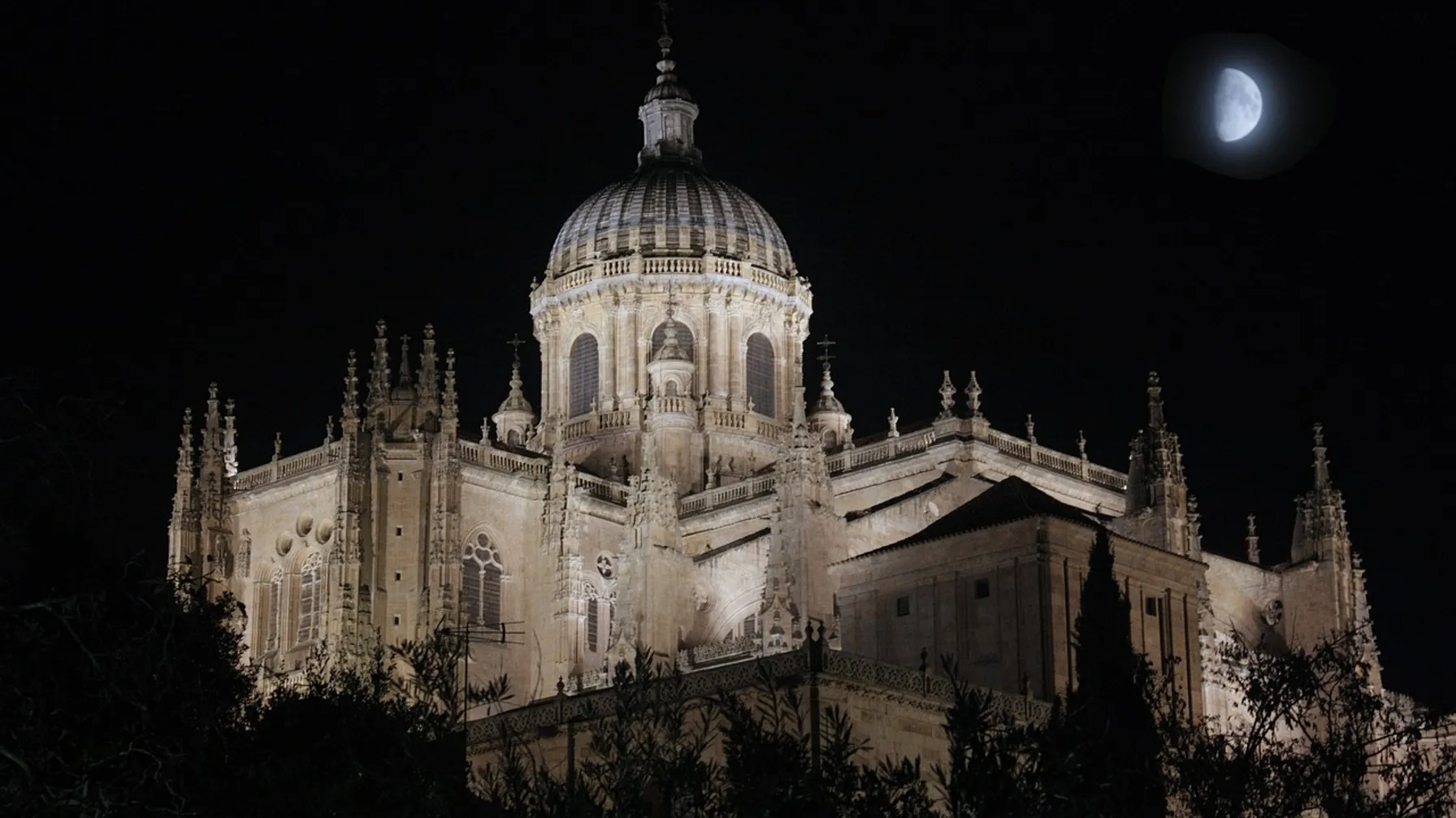
The richness of Spanish heritage is a true open-air history book. Each region tells its own story: the Moorish legacy unfolds in the palaces of Granada, Gothic architecture flourishes in the cathedrals of Toledo, while Gaudí's contemporary art transforms Barcelona into a living museum. This cultural diversity is accompanied by a unique regional gastronomy, from Andalusian tapas to Basque pintxos, through Valencian paella.
Spanish road infrastructure greatly facilitates your journey. Modern highways effectively connect major destinations, while secondary roads lead you to authentic places preserved from mass tourism. Clear signage and regular highway services make driving enjoyable, even for less experienced travelers.
Our Travel Planners are well aware of these advantages and know how to optimize your itinerary according to your desires. They guide you to the most striking experiences while respecting your travel pace, thus creating a unique stay that resembles you.
The Most Beautiful Itineraries for Your Spanish Road Trip
Planning a 15-day trip in Spain requires making strategic choices to fully enjoy each visited region. Our local experts have selected three emblematic itineraries that reveal the very essence of this fascinating country.
Authentic Andalusia: from Seville to Granada
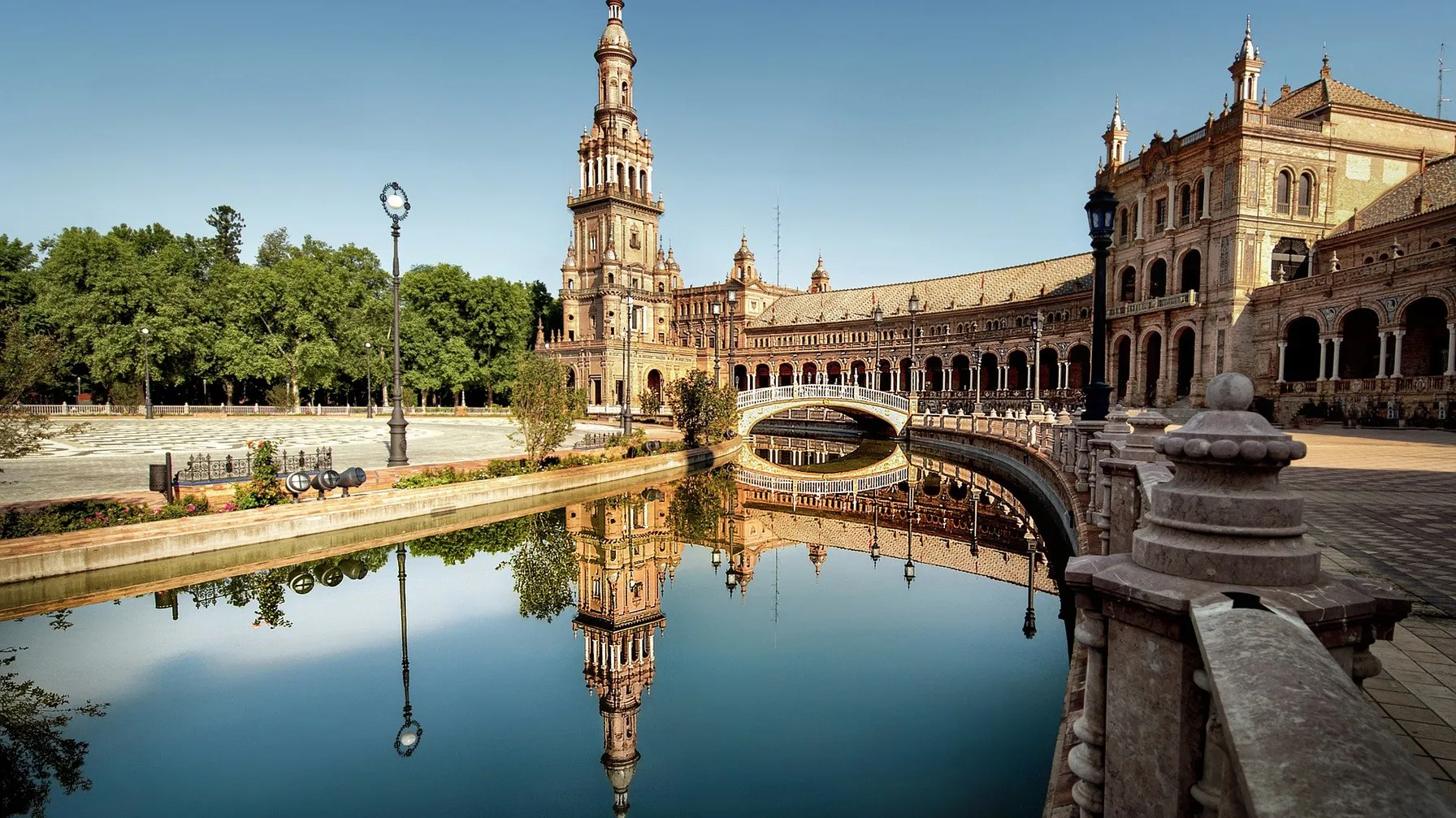
Your Andalusian adventure starts in Seville, a vibrant capital where the echoes of flamenco still resonate in the alleys of the Triana district. The Seville Cathedral, the largest Gothic cathedral in the world with its 11,520 square meters, will impress you with its majesty. The Alcazar of Seville, a UNESCO World Heritage site, reveals its secret gardens and patios decorated with colorful azulejos.
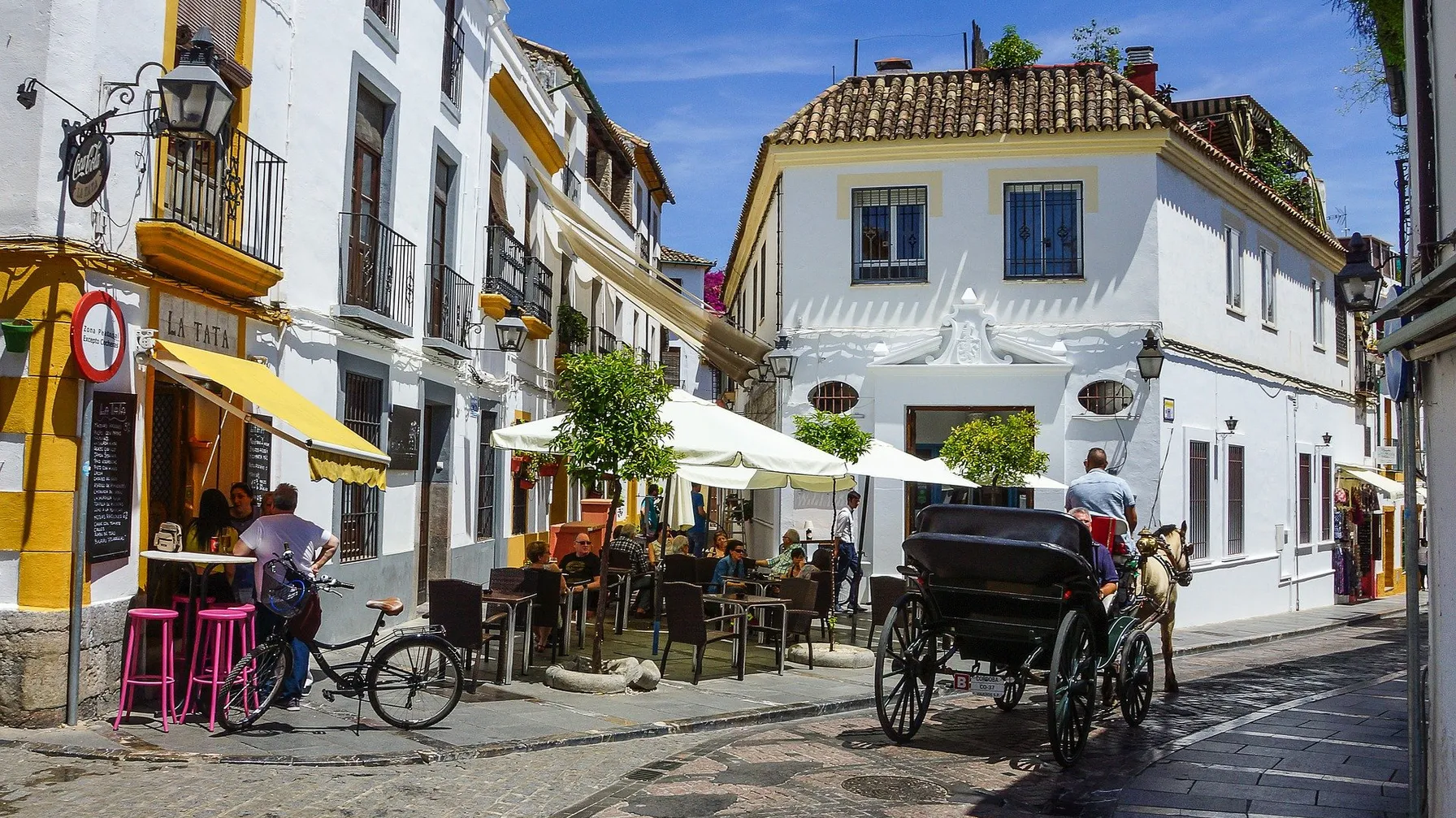
The journey to Cordoba takes you through endless stretches of olive groves, a landscape emblematic of this region of Spain. The Mezquita of Cordoba, an ancient mosque turned cathedral, stands as a unique testimony to the coexistence of cultures. Its 856 columns of marble and jasper create a stone forest of breathtaking beauty.
Granada marks the climax of your Andalusian journey with the Alhambra, a jewel of Nasrid architecture. This palatial complex spreads over 142,000 square meters and welcomes more than 2.7 million visitors annually. The Generalife gardens offer a refreshing break with their fountains and flowering beds.
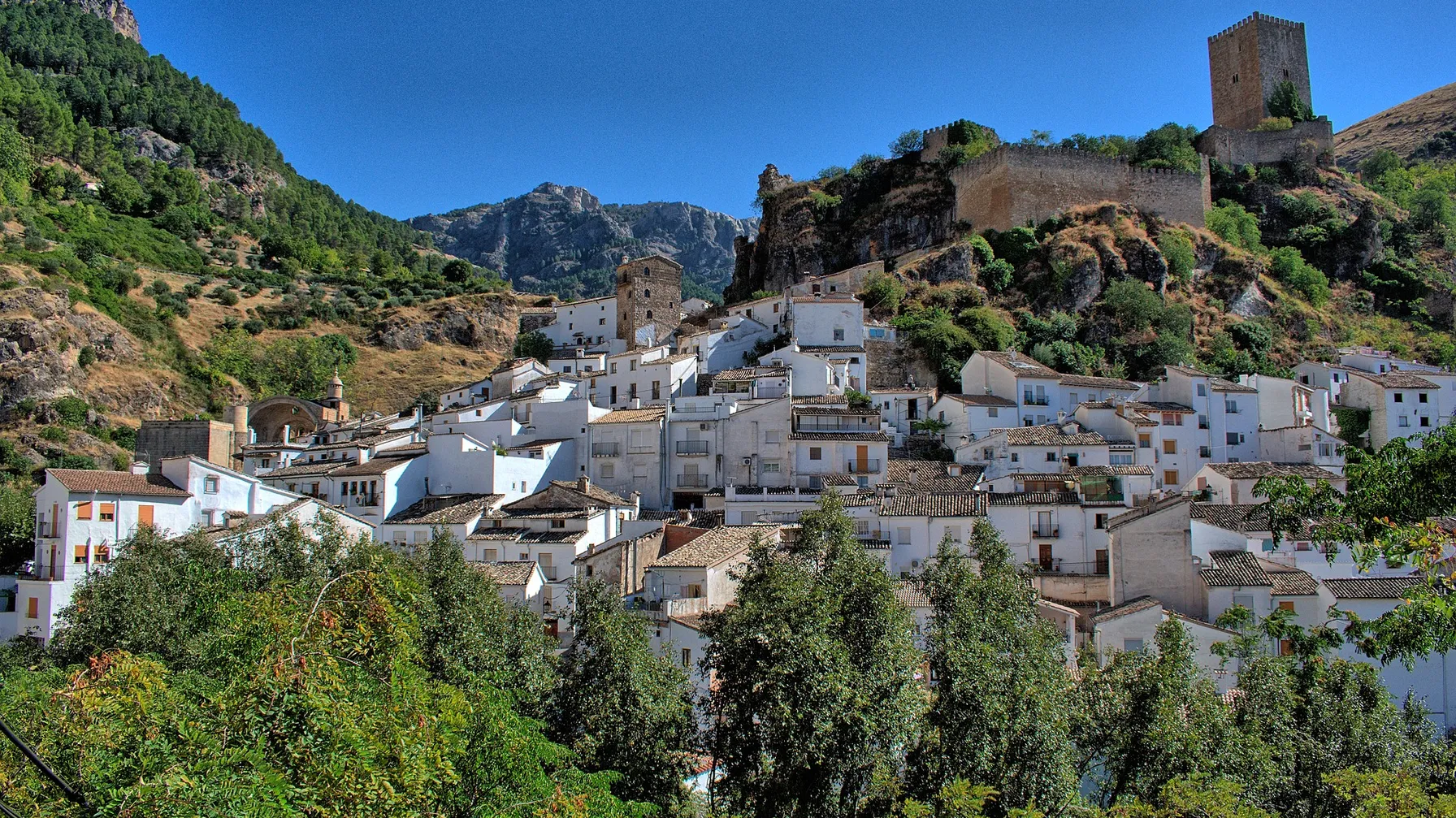
Between these main stages, the white villages like Ronda will charm you with their authenticity. Perched at 750 meters altitude, this pueblo blanco overlooks the Tajo gorges in a spectacular setting. Our Travel Planners reveal the best viewpoints to admire the sunset over this architectural marvel.
The Mediterranean Coast: from Barcelona to Valencia
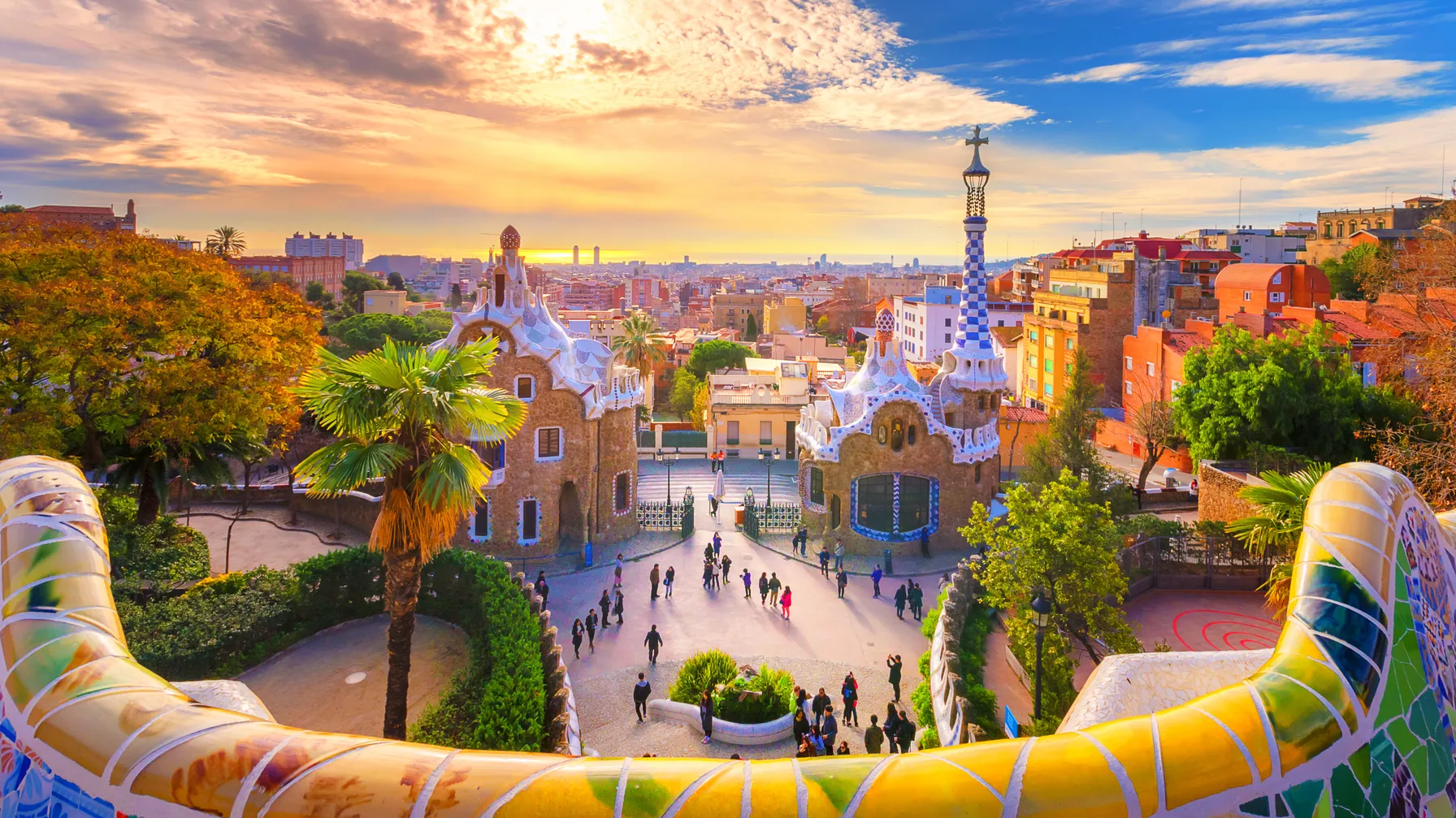
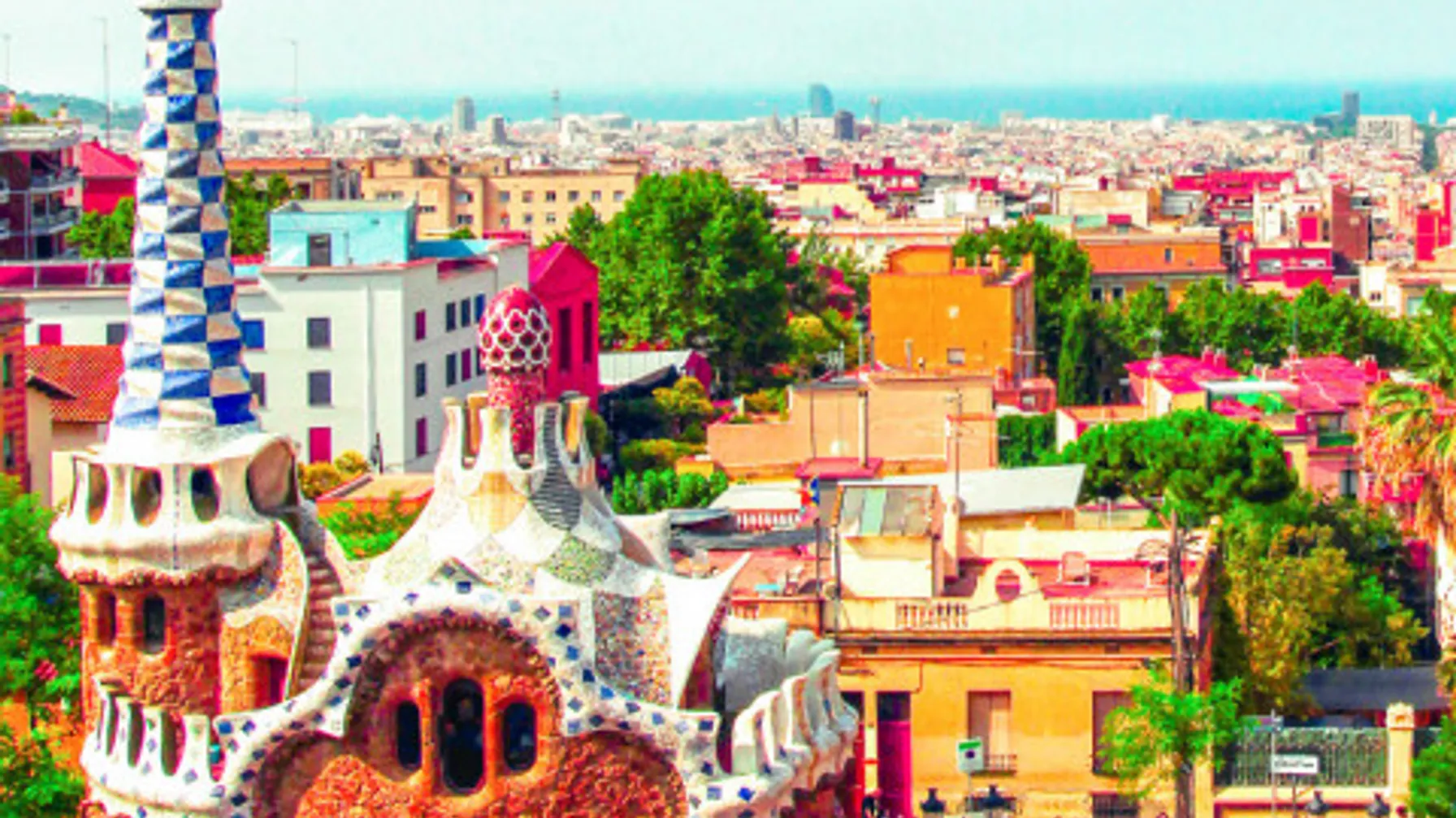
Barcelona is an ideal starting point to explore the east coast of Spain. The Sagrada Familia, Gaudí's unfinished masterpiece, rises to 172 meters and fascinates with its sculpted details. Park Güell offers a panoramic view of the city and the Mediterranean Sea, creating unforgettable memories.
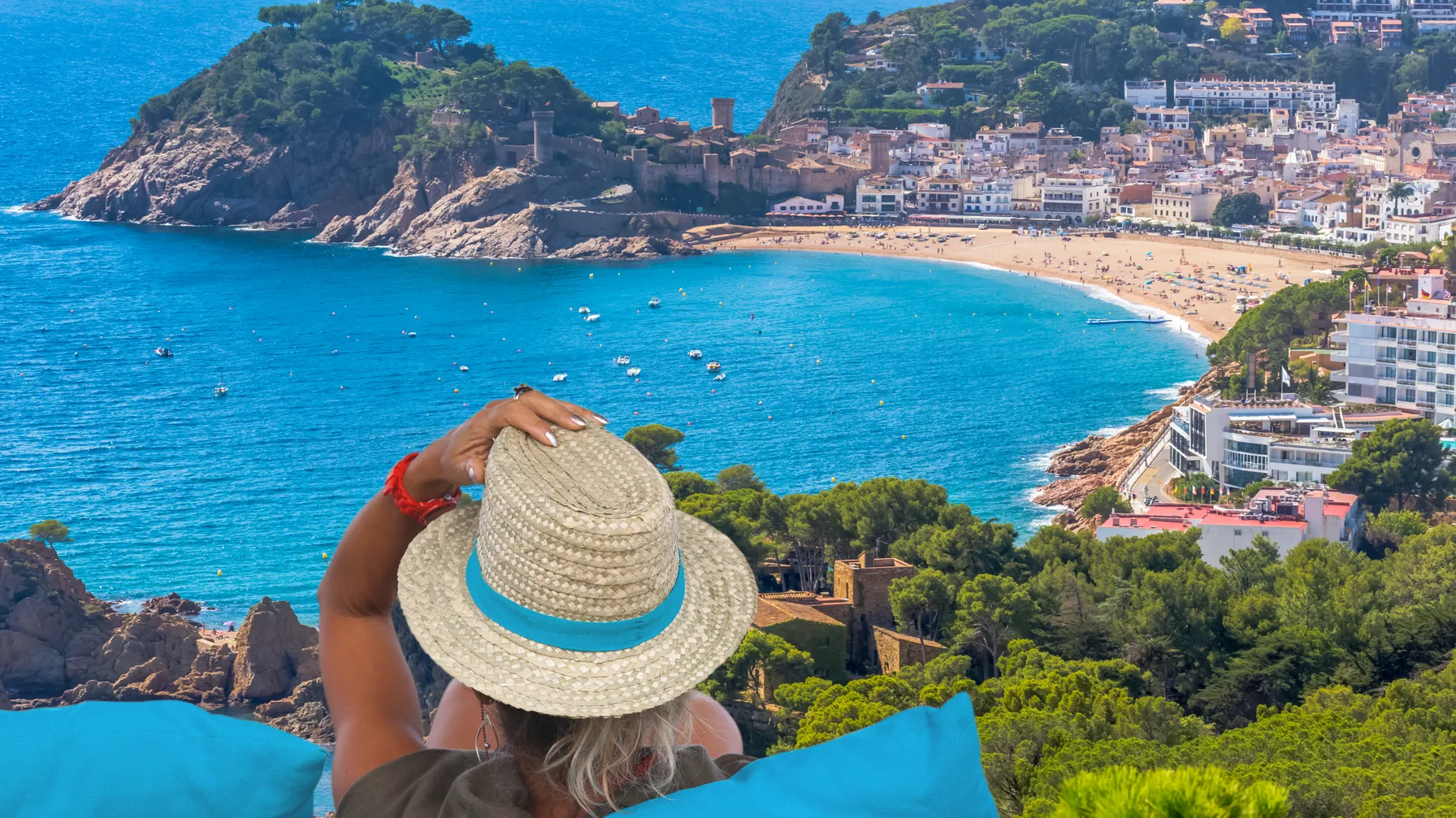
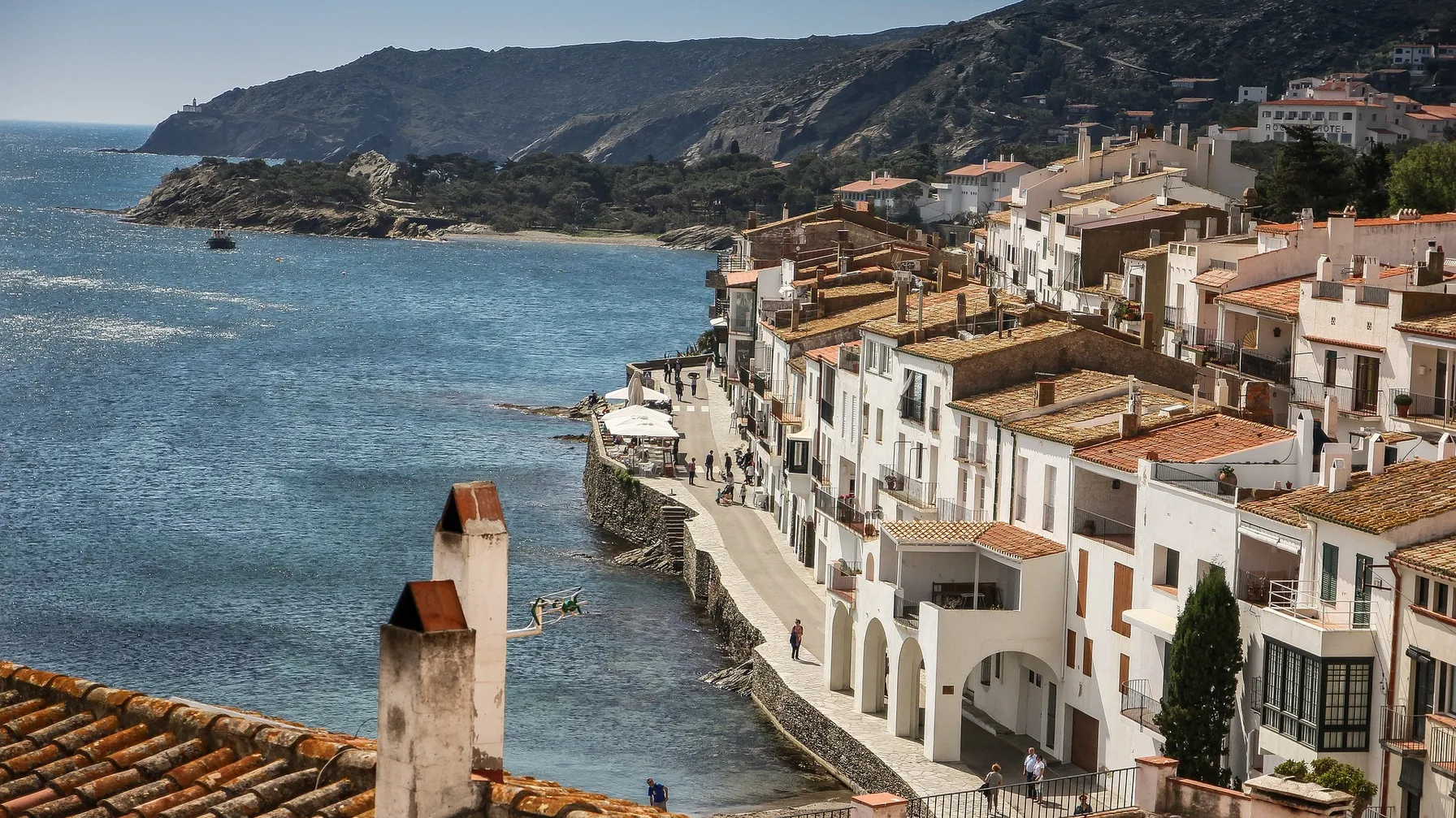
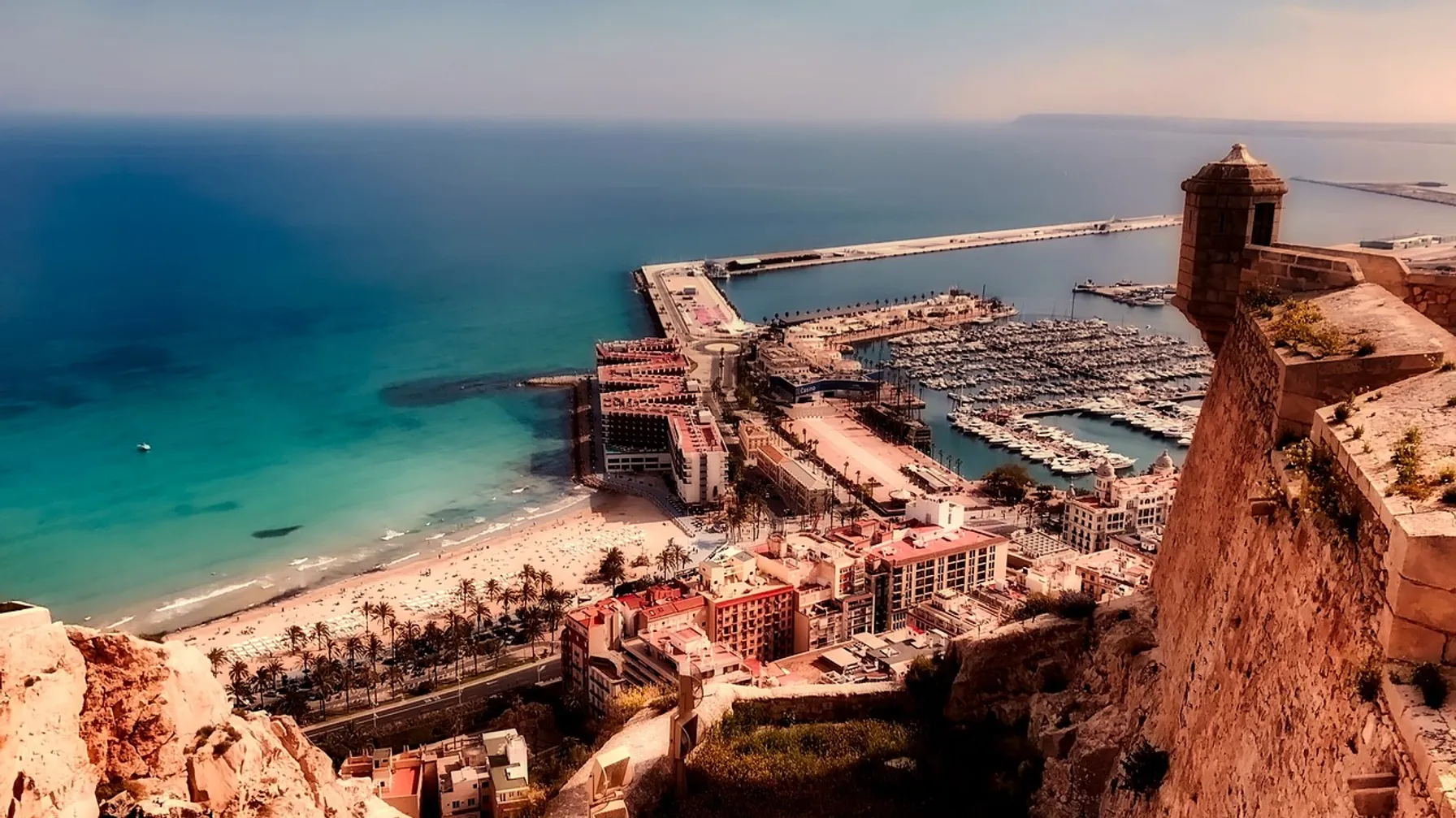
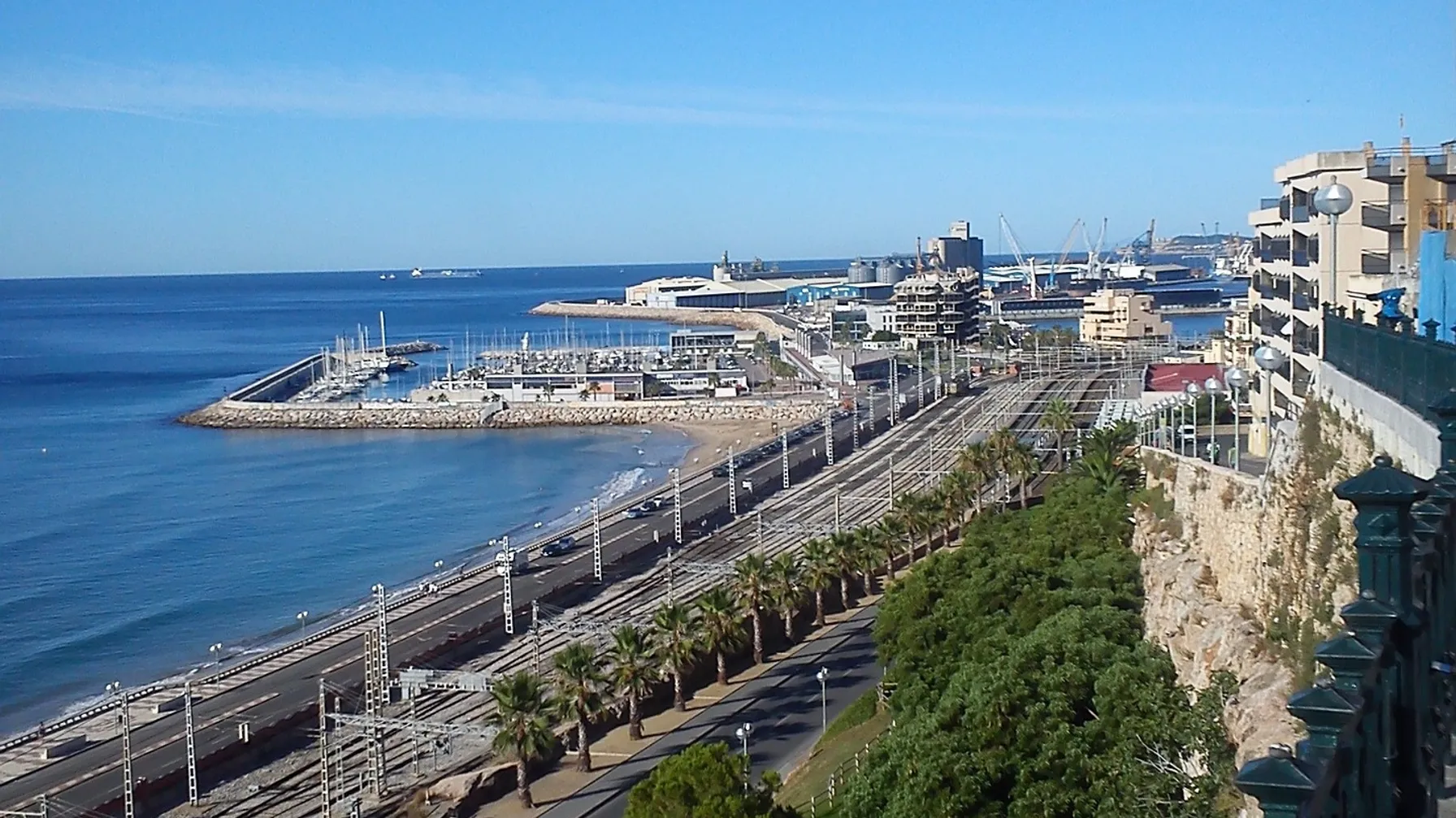
Your route south follows the Costa Brava then the Costa Dorada, revealing charming beach resorts with preserved appeal. Tarragona will surprise you with its Roman amphitheater facing the sea, a testament to 2000 years of history. The 218 kilometers separating Barcelona from Valencia are pleasantly covered alternating between fast highways and scenic coastal roads.
Valencia, the cradle of paella, deserves a stop of several days. The City of Arts and Sciences, a futuristic complex of 350,000 square meters, contrasts with the historic old town. The Oceanogràfic, Europe's largest aquarium, houses 45,000 marine animals in its spectacular tanks.
The beaches of Valencia stretch over 20 kilometers, offering spaces for relaxation after your cultural visits. La Malvarrosa, the most famous urban beach, invites you to savor an authentic paella facing the Mediterranean.
The Wild North: from the Basque Country to Galicia
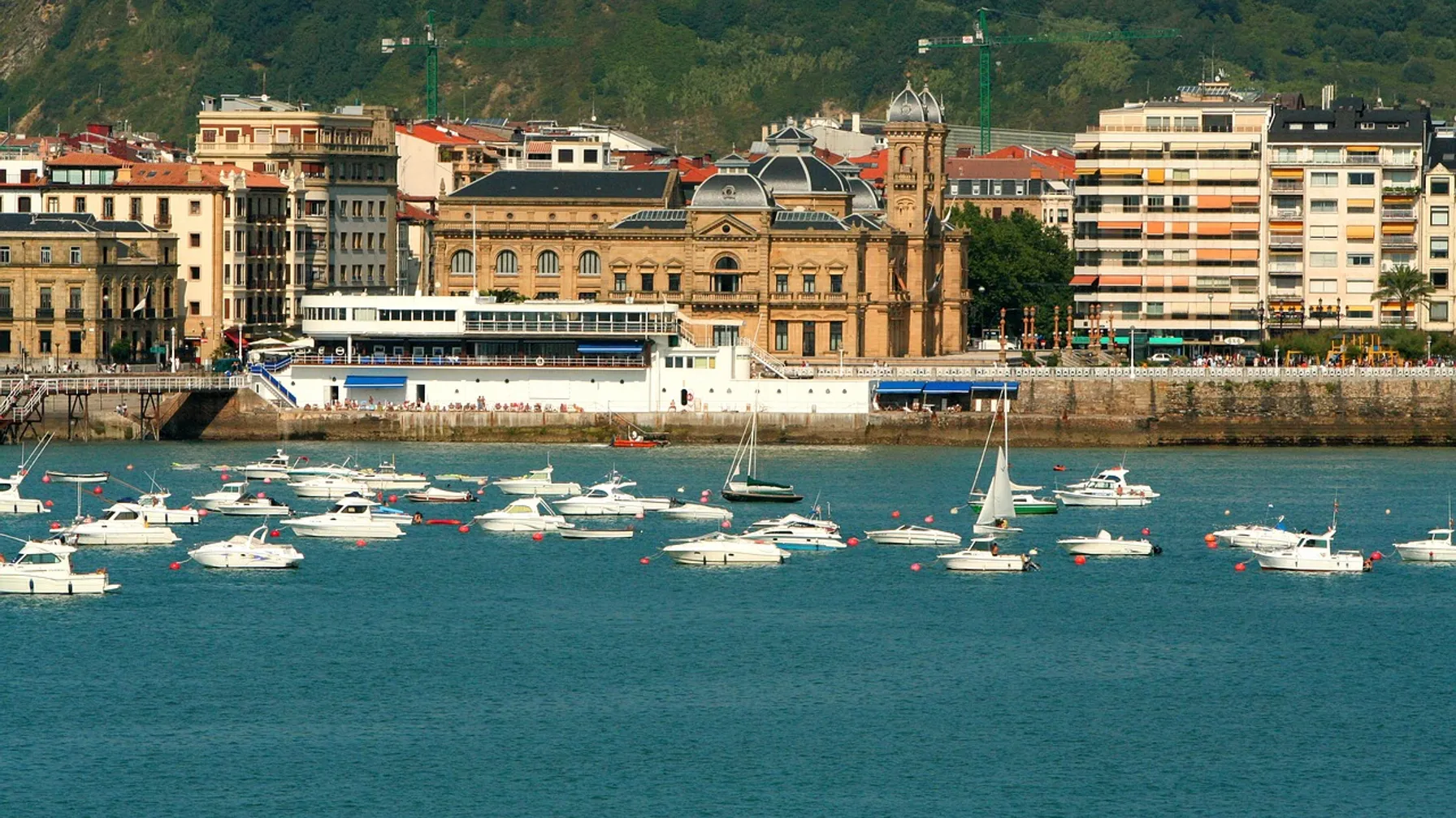
The Spanish Basque Country reveals an unknown side of Spain, where ancient traditions persist in an unspoiled natural setting. San Sebastián captivates with its La Concha Bay, considered one of the most beautiful bays in the world. Its 1,350 meters of fine sand framed by Urgull and Igueldo mountains create a striking natural amphitheater.
Bilbao is a must-visit with the Guggenheim Museum, an architectural work by Frank Gehry that revolutionized the city's urban planning. This titanic building of 24,000 square meters houses world-renowned collections of contemporary art.
Your journey continues to Asturias, a mountainous region where the Picos de Europa reach more than 2,600 meters altitude. Fishing villages like Cudillero cling to cliffs in postcard-worthy settings. The Asturian coast alternates between wild beaches and hidden coves along 345 kilometers of preserved coastline.
Galicia majestically concludes your northern journey. Santiago de Compostela, the final destination of the famous pilgrimage, welcomes you with its millennium cathedral. The Galician coast, nicknamed "coast of death" for its sometimes difficult maritime conditions, unveils landscapes of incomparable raw beauty.
Practical Tips for a Successful 15-Day Trip in Spain
Organizing a two-week road trip in Spain requires careful preparation to fully enjoy your experience. Our Travel Planners share their expert tips to optimize every aspect of your journey.
Car Rental and Driving
Renting a car in Spain is simple and economical, with average rates ranging from 25 to 45 euros per day depending on the season and the type of vehicle. Major international companies have agencies in all airports and city centers. Opt for an early reservation to benefit from the best rates and guarantee the availability of your preferred category.
A French driver's license is sufficient to drive in Spain, accompanied by a valid ID. The minimum required age varies among rental companies, typically set at 21 years with sometimes a "young driver" surcharge up to 25 years. A credit card in the name of the main driver remains essential for the deposit.
Spanish traffic rules are similar to those in France. Speed limits are set at 50 km/h in urban areas, 90 km/h on national roads, and 120 km/h on highways. The authorized blood alcohol content does not exceed 0.5 g/L, with frequent checks, especially in the evening and on weekends.
Spanish highways, known as "autopistas," are generally tolled with tolls calculated based on the distance traveled. Expect to pay about 0.08 euro per kilometer on average. The "autovías" provide a free alternative, offering similar driving comfort but sometimes with slightly longer travel times.
Budget and Accommodations
Estimating the budget for a 15-day road trip in Spain largely depends on your choices of accommodation and dining. For a comfortable stay as a couple, plan between 100 and 150 euros per day, including lodging, meals, fuel, and activities.
| Item of Expense |
Budget-friendly |
Comfort Budget |
Luxury Budget |
| Accommodation/night |
40-60€ |
80-120€ |
150-300€ |
| Meals/day |
25-35€ |
45-65€ |
80-120€ |
| Fuel/day |
15-25€ |
15-25€ |
15-25€ |
| Activities/day |
10-20€ |
25-40€ |
50-100€ |
Paradores, state hotels set up in historical monuments, offer a unique experience combining modern comfort and exceptional heritage. These establishments propose attractive rates, generally between 90 and 180 euros per night depending on the season and location.
Booking your accommodations in advance becomes essential during the high season (July-August) and during local festivals. Our Travel Planners are well aware of peak periods and guide you to the best options according to your travel dates.
When to Go and What to Bring
Spain enjoys a Mediterranean climate favorable for road trips almost all year round. However, certain periods are more suitable depending on the regions visited and your weather preferences.
Spring (April-May) and autumn (September-October) are the ideal seasons to discover the entire country. Temperatures range from 18 to 25°C, perfect for alternating cultural visits and relaxation moments. Tourist affluence remains moderate, facilitating access to major sites and reducing accommodation costs.
Summer is perfect for beach and festival enthusiasts, but temperatures may exceed 40°C in Andalusia and the central region. Then prefer the northern regions or coastal areas, more temperate due to maritime influence.
Winter reveals an authentic Spain, particularly attractive in the south where temperatures remain mild. This is the ideal time to explore Andalusia without the summer crowd, with sunny days around 15-20°C.
Prepare a wardrobe suited to the climatic diversity of Spanish weather. Bring light clothing for sunny days, a jacket for cool evenings, and comfortable shoes for extended visits. Don't forget sunscreen, a hat, and sunglasses, essentials under the Iberian sun.
Our Travel Planners customize each itinerary according to the time of your trip, optimizing your schedule to avoid climatic inconveniences and enjoy local events. They reveal the secrets of each destination, turning your road trip in Spain into an unforgettable tailor-made adventure.