Why choose a Panama cruise?
The Panama Canal stretches 81 kilometers, connecting two oceans which, without it, would require thousands of kilometers of detours. Inaugurated in 1914 after a decade of titanic work, it remains today one of the most impressive engineering feats in the world. Navigating through it is to witness history at a reduced pace, watch the locks open and close around your vessel, and tangibly measure the scale of the canal's construction.
But a Panama cruise is not just about this iconic passage. The country is a gateway to Central America, a region of extraordinary richness where tropical forests rub shoulders with pristine beaches, colonial towns and indigenous communities that are still very much alive. At each port of call, the sense of being in a new place is renewed. It is precisely for this reason that canal cruises attract travelers from around the world each year, in search of an experience that goes beyond the confines of a classic beach stay.
At Vialala, our Travel Planners specialized in the region help you build an itinerary that truly matches your desires, far from standardized formulas. A Panama Canal cruise can thus become the thread running through a broader journey, enriched with carefully chosen overland stops.
What are the must-see highlights of a Panama cruise?
A Panama cruise offers a succession of stops and experiences hard to match elsewhere. Here are the key moments not to miss, whether you depart from Fort Lauderdale, Los Angeles or San Diego.
The crossing of the Panama Canal
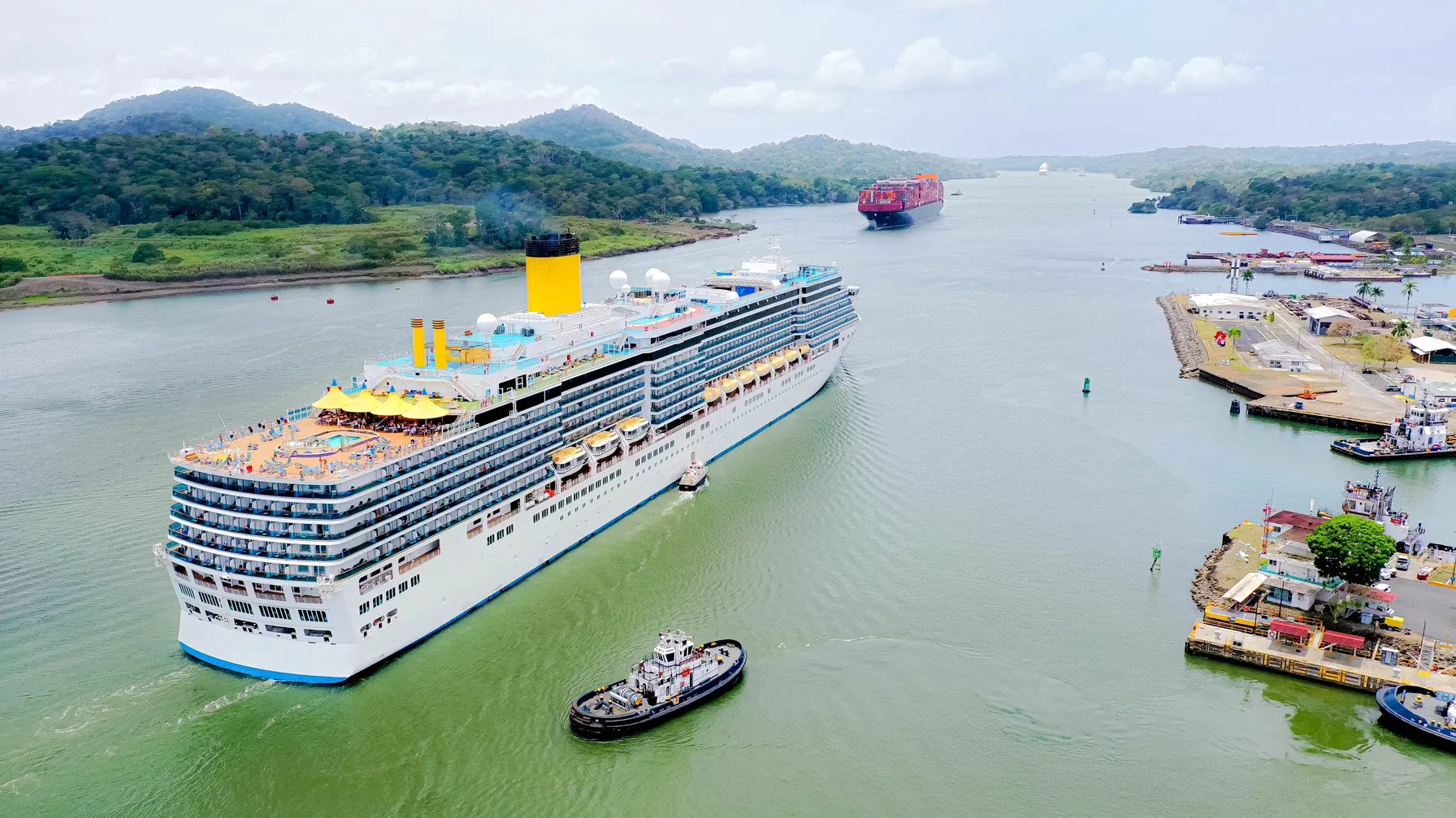
It is obviously the highlight of any itinerary in this region. Crossing the Panama Canal aboard a ship is to witness firsthand the operation of a hydraulic system over a century old. The Miraflores locks, on the Pacific side, and the Gatún locks, on the Atlantic side, raise or lower ships by several meters in a few minutes. Gatún Lake, formed during the canal's construction by damming the Chagres River, spans more than 425 square kilometers in the heart of the jungle.
The full passage lasts between 8 and 10 hours, and every minute deserves to be savored from the bow. Around you, the dense tropical vegetation contrasts with the metallic structures of the locks, and giant cargo ships sometimes pass by just a few meters away.
Panama City and its contrasts
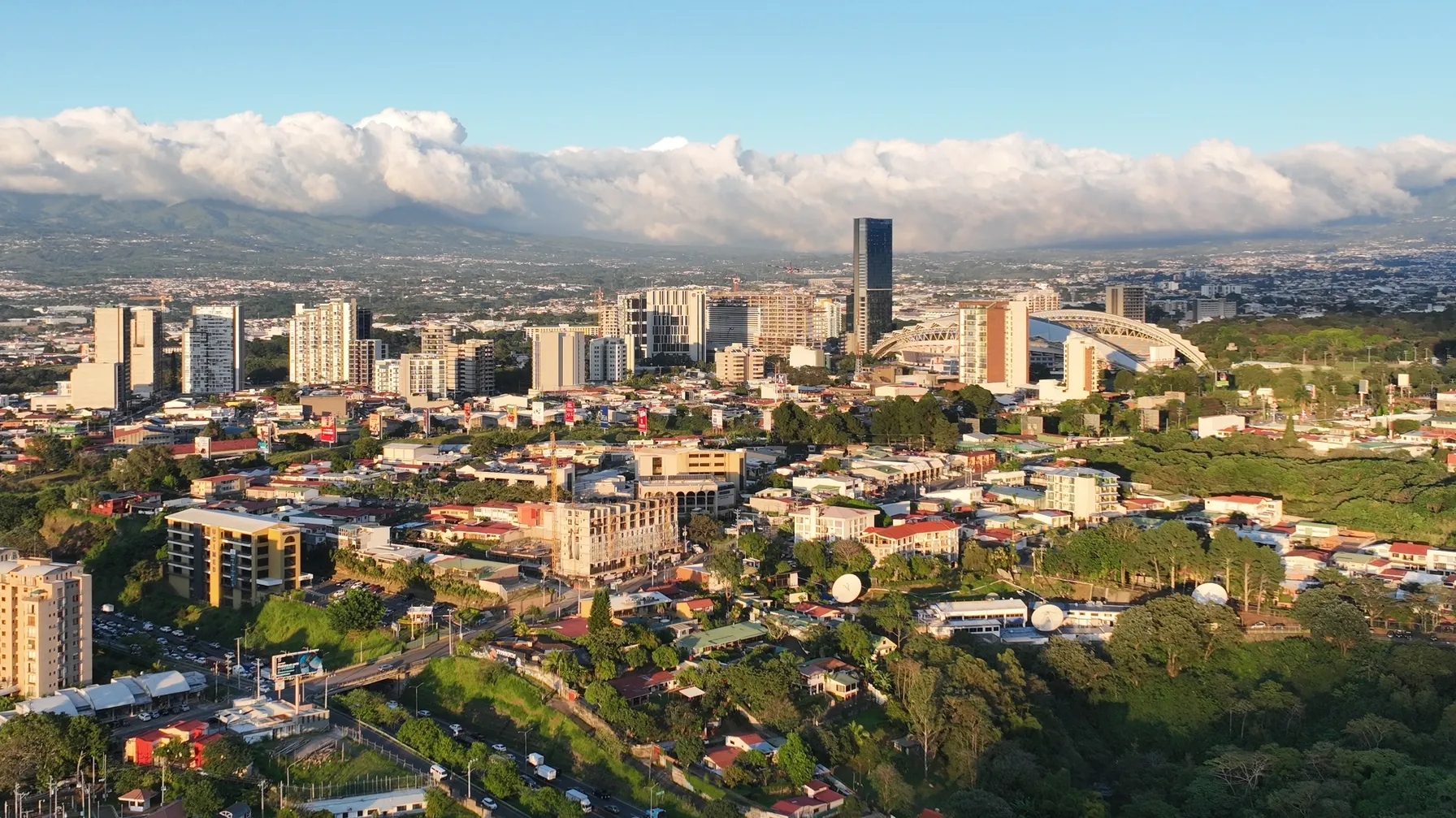
Before or after the crossing, Panama City stands as an essential stopover. The Panamanian capital is a city of striking contrasts: on one side, Casco Viejo, the historic district listed as a UNESCO World Heritage Site since 1997, with its cobbled streets, Baroque churches and colorful houses undergoing restoration; on the other, an ultramodern skyline reflecting in the waters of the bay.
Strolling through Casco Viejo in the evening, stopping at a seafood restaurant, or visiting Biomuseo designed by architect Frank Gehry: this is the kind of experiences our Travel Planners gladly weave into your tailor-made program around Panama City.
Stops in Central America
An itinerary of a Panama canal cruise often includes several stops in neighboring countries. Costa Rica, notably via the Puntarenas port, allows you to explore exceptional nature reserves or kayak in Nicoya Bay. Further north, Puerto Quetzal in Guatemala opens the way to Mayan sites and the colonial town of Antigua. On the Mexico side, Cabo San Lucas and Puerto Vallarta entice with their beaches and festive atmosphere.
Depending on your starting point, Los Angeles or San Diego on the Pacific side, Fort Lauderdale on the Atlantic side, the itinerary can be enriched with additional calls in Colombia, notably Cartagena, or in the Caribbean islands.
When to go on a Panama cruise?
Panama has a tropical climate with two distinct seasons. For a Panama cruise in the best weather conditions, here is an overview of the periods to favor:
| Period |
Season |
Weather |
Recommendation |
| December to April |
Dry season |
Sunny, little rain, 28-30 °C |
Ideal for sailing and exploring |
| May to July |
Start of the rainy season |
Showers, lush vegetation |
Pleasant, fewer tourists |
| August to November |
Rainy season |
Frequent rainfall, high humidity |
Repositioning cruises are interesting |
The dry season, from December to April, remains the most popular period for canal cruises, particularly due to the stability of the weather and the ease of enjoying land excursions. That said, sailing outside this window also has advantages: the tropical forest is at its lushest, and rates are often more affordable. Repositioning cruises, which traverse the canal in autumn during the seasonal changes of the shipping companies, are a premium option at a price often more competitive.
How does Vialala personalize your Panama cruise?
A Panama cruise can take many forms, and that's precisely where Vialala's expertise comes in. Our Travel Planners know the region in its every detail and build with you a stay that goes beyond a simple crossing of the Panama Canal.
Would you like to combine your cruise with a few days in Panama City before boarding? Extend your trip to Costa Rica after the Puntarenas stop? Include an immersion in an Emberá Indigenous village in the heart of the Chagres forest? All these options are feasible, and our Travel Planners are here to orchestrate them in a coherent and seamless way.
Here's what Vialala can include in your tailor-made program around a Panama cruise:
- A land extension to Panama City with a guided tour of Casco Viejo and the Miraflores locks;
- One night in an eco-lodge in the Panamanian rainforest before or after the cruise;
- Private excursions in the ports of call, away from organized groups;
- Guided by a French-speaking local guide at nature and cultural sites.
The idea isn't to offer a catalog of options, but to understand what makes you travel and to build an itinerary that suits you. A Panama Canal cruise can thus become the starting point of a much more personal adventure, between two oceans and in the heart of a fascinating Central America.