Why choose a Morocco cruise to discover the kingdom?
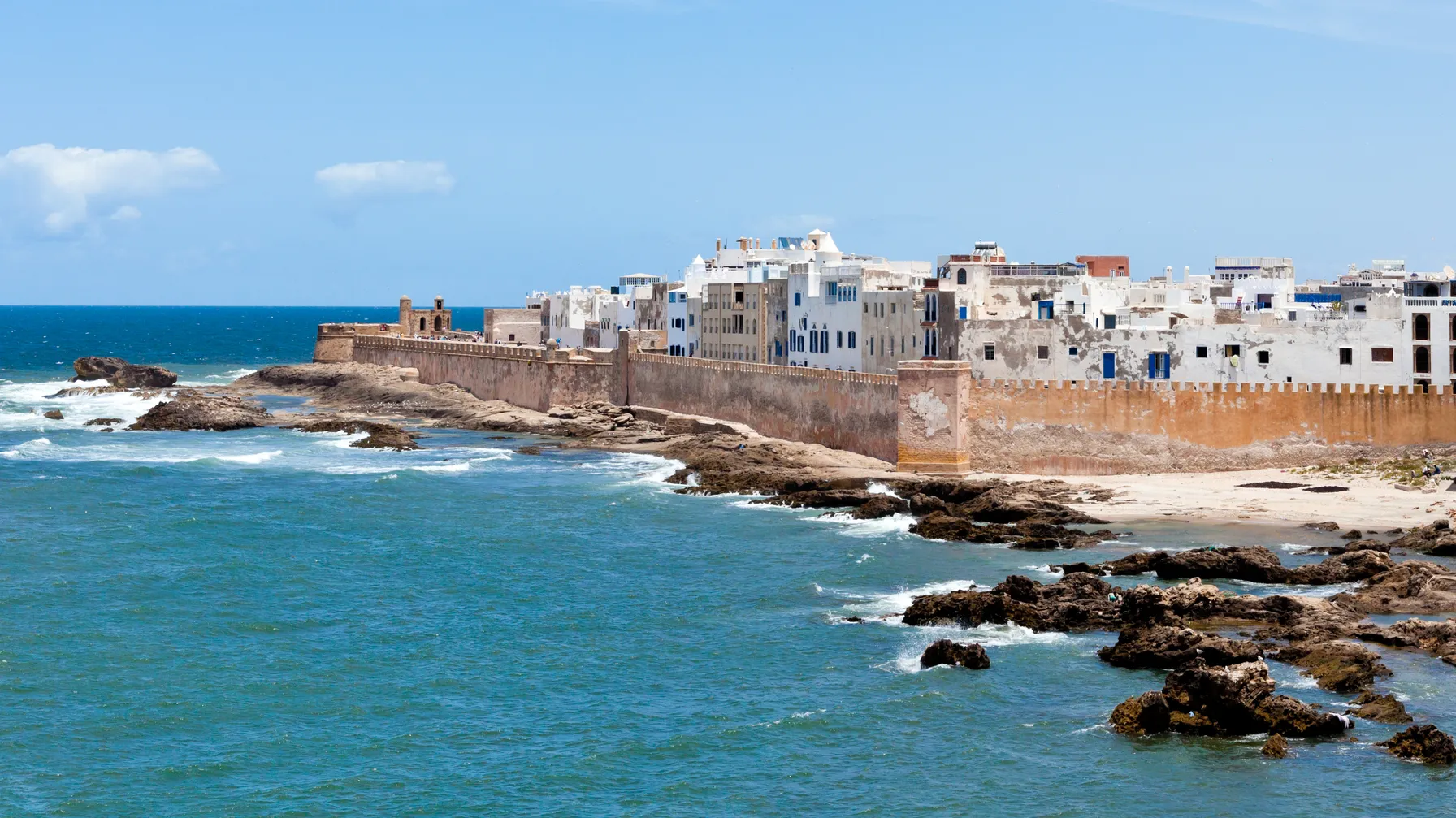
Morocco occupies a rare geographic position: bordered to the west by the Atlantic Ocean and to the north by the Mediterranean Sea, it naturally opens up to travelers arriving by sea. Only 14 kilometers from the Spanish coast, the country is one of the most accessible destinations from Europe, and yet one of the most off-the-beaten-path.
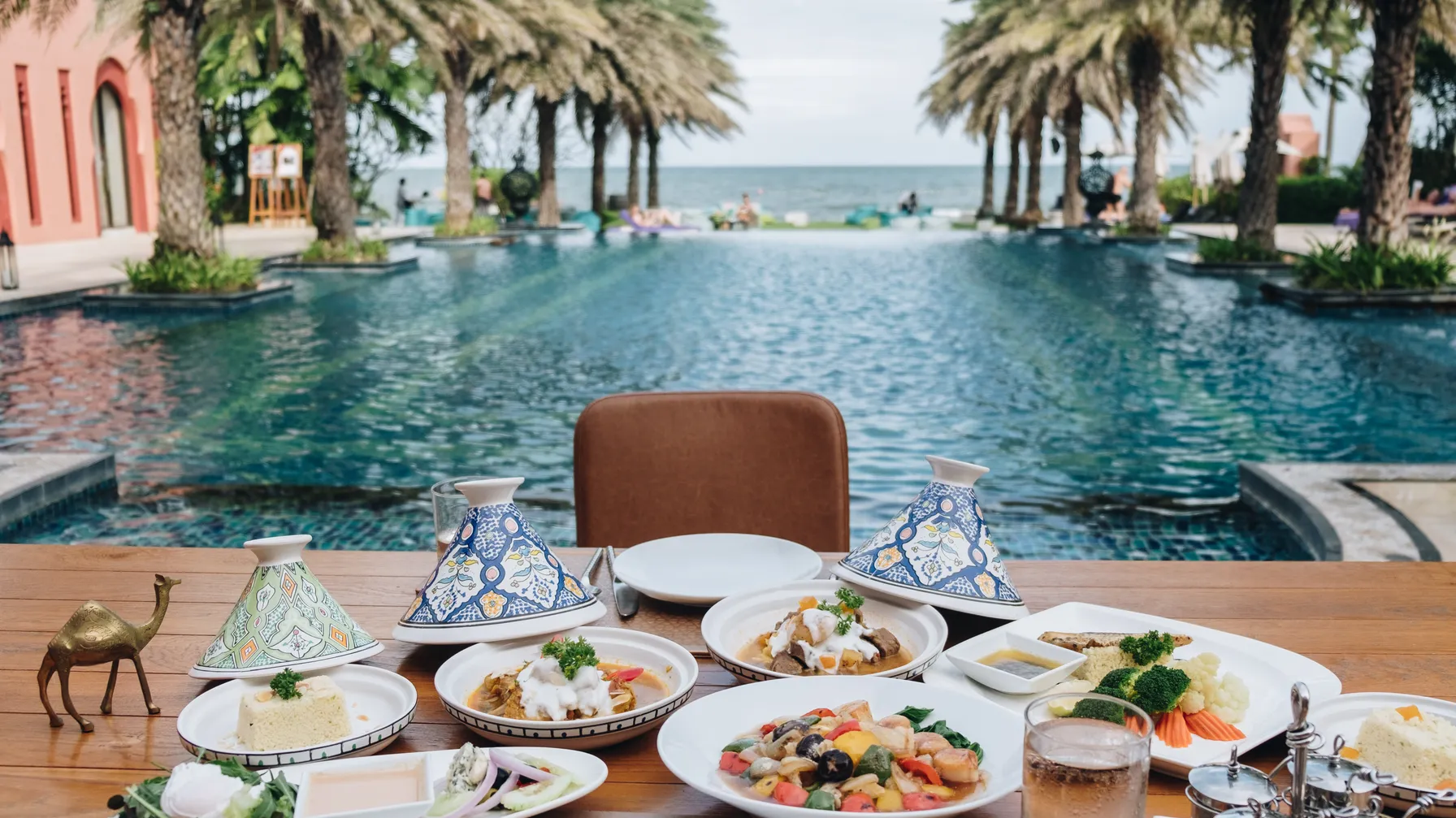
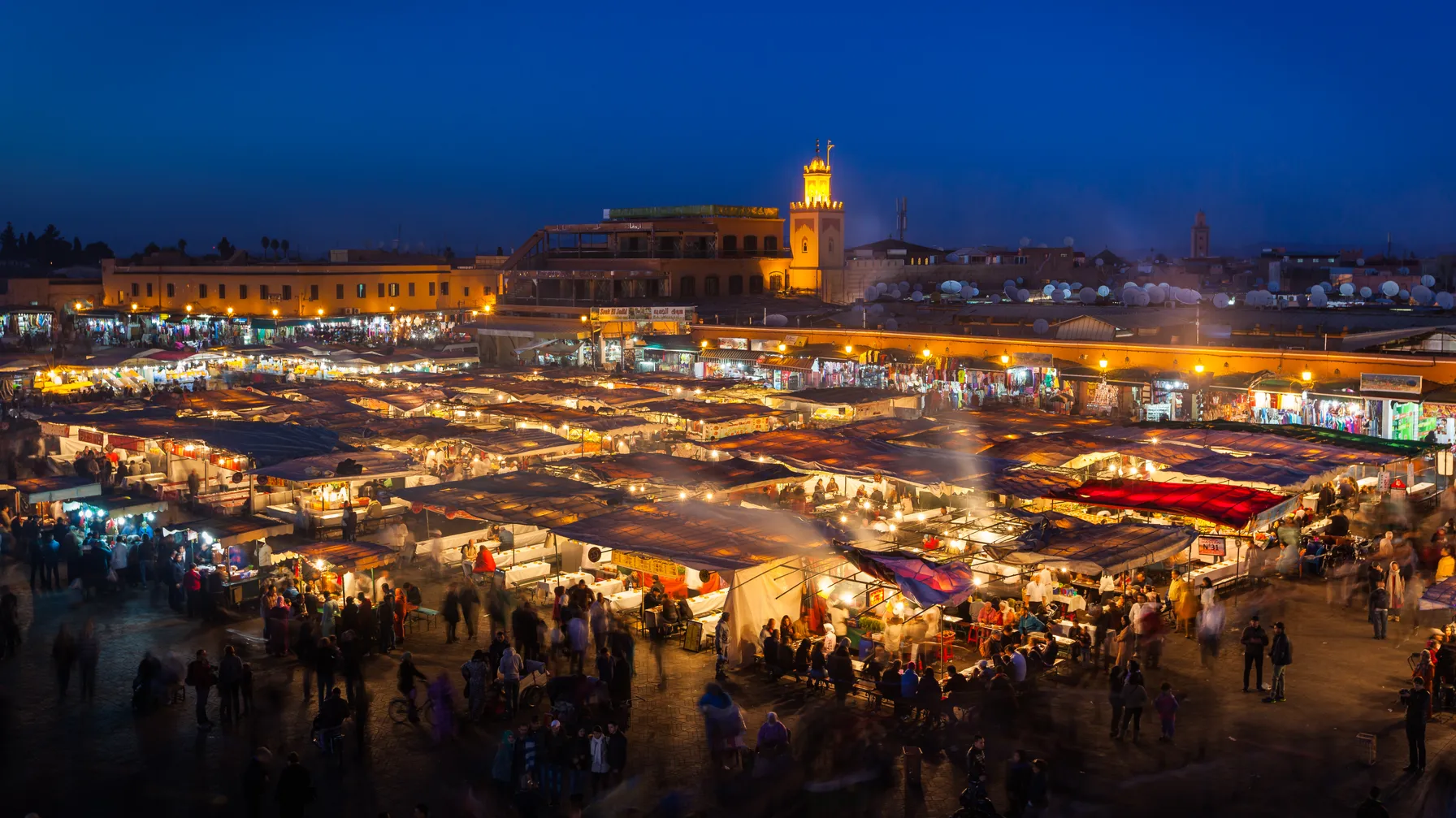
Opting for a Moroccan cruise is choosing a unique way to approach this country. Each stop is an invitation to dive into a different culture, to stroll through colorful souks, to taste a tajine prepared according to recipes passed down through generations, or to gaze at architectures that blend Arab, Berber and Andalusian influences. All of this while each evening you enjoy the comfort of your cruise ship, anchored in a Moroccan port.
What makes Morocco particularly suited to this type of journey is the diversity of its coastal cities. Each has its own identity, a distinct atmosphere, and treasures to explore. Far from a uniform destination, Morocco offers surprises at every stop, whether it's a lively port city, a sunlit seaside resort or a city rich in history.
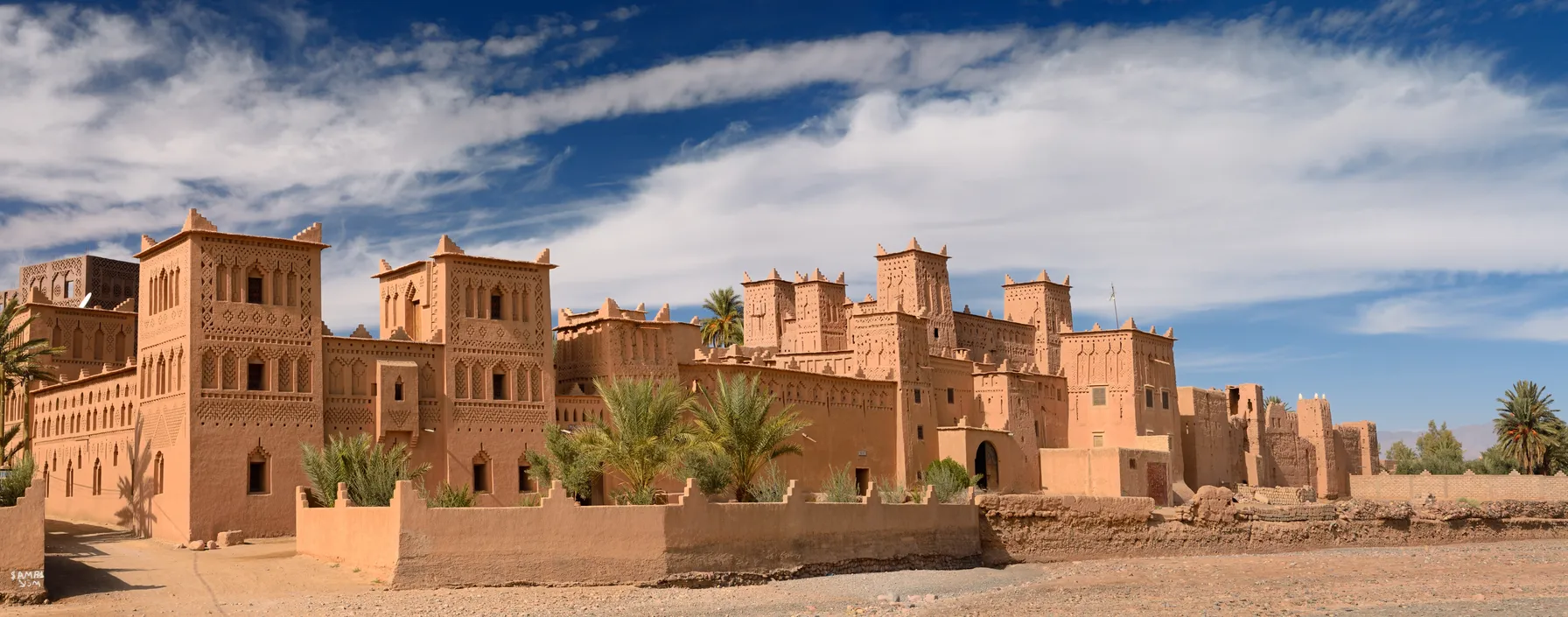
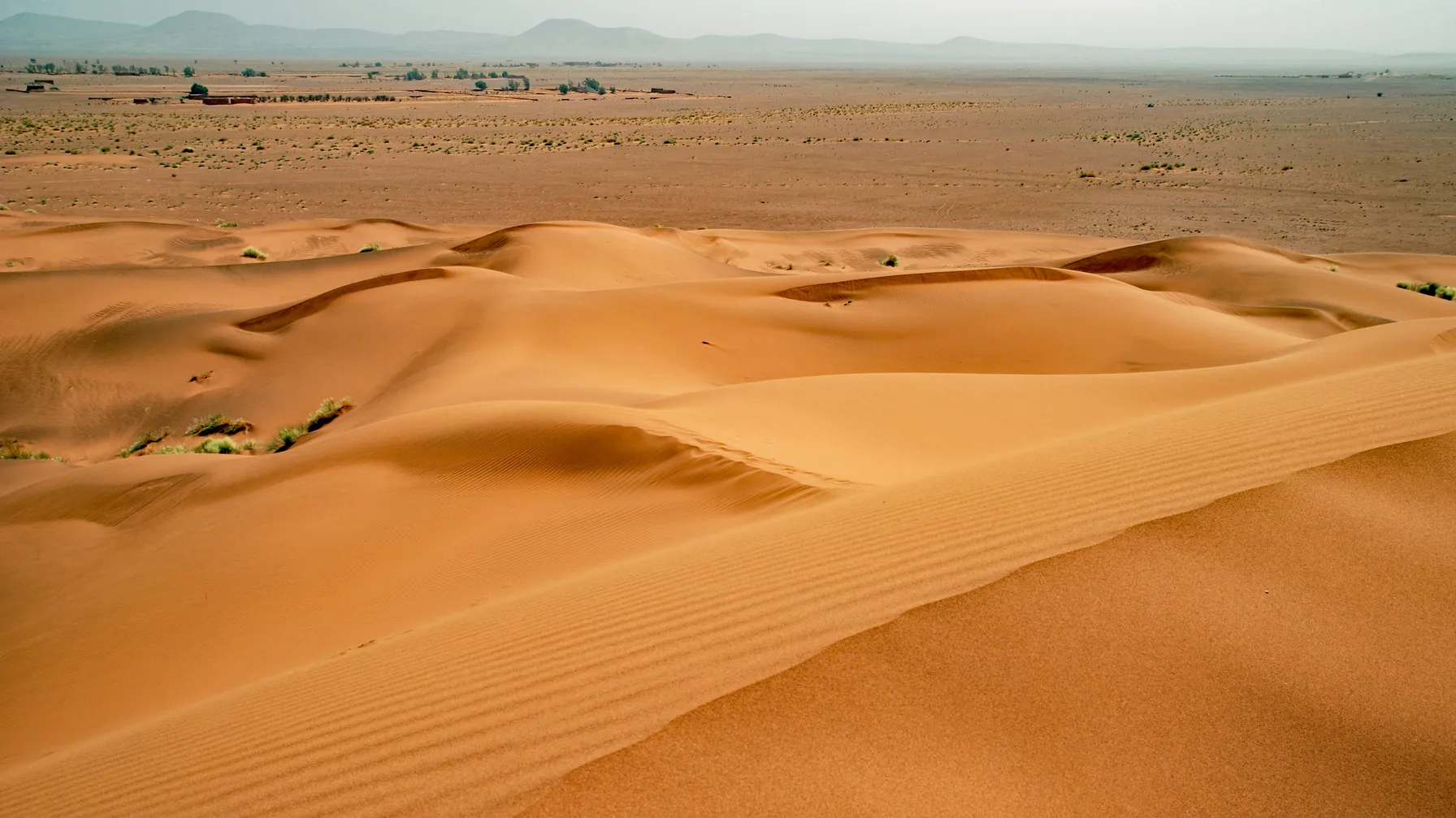
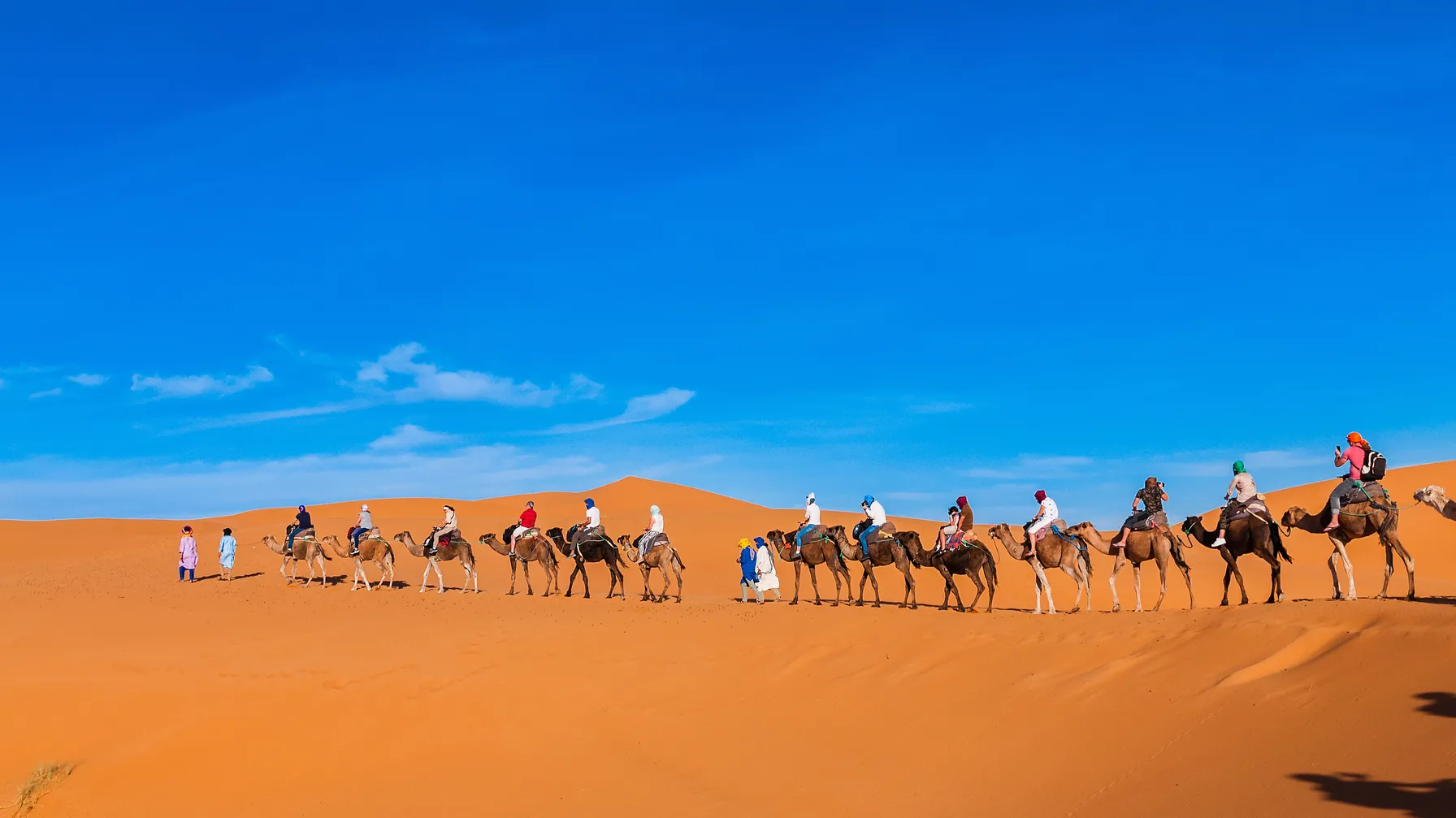
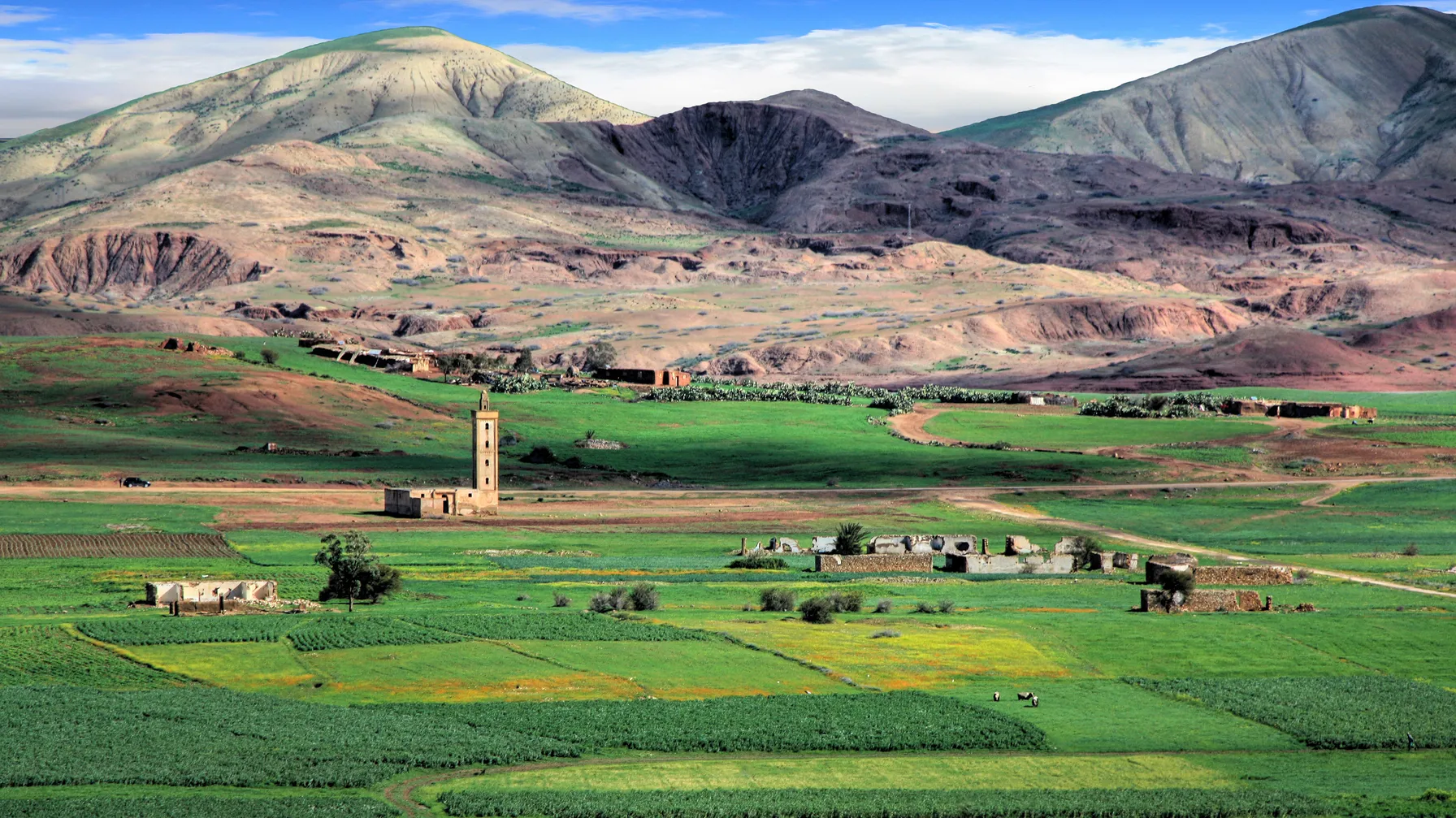
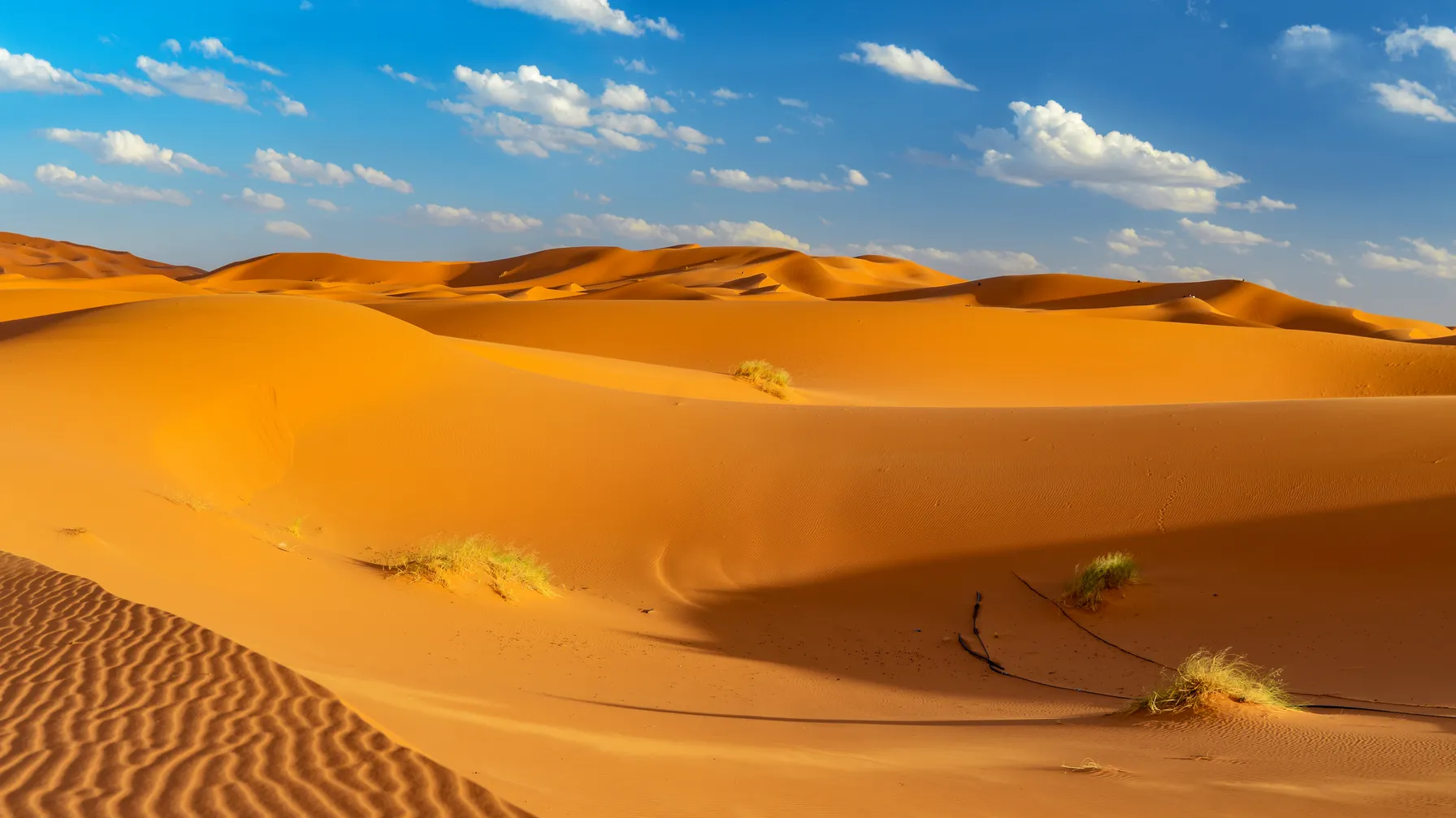
At Vialala, our Travel Planners know Morocco in every detail. They help you design an itinerary that truly matches your wishes, combining maritime stops with land extensions to the imperial cities, the Sahara dunes or the peaks of the Atlas.
What are the must-see stops on a Morocco cruise?
Morocco has several ports of call, each serving as a starting point for unforgettable experiences. Here are the stops that come up most often in Morocco cruise itineraries, and for good reasons.
Casablanca, the gateway to Morocco
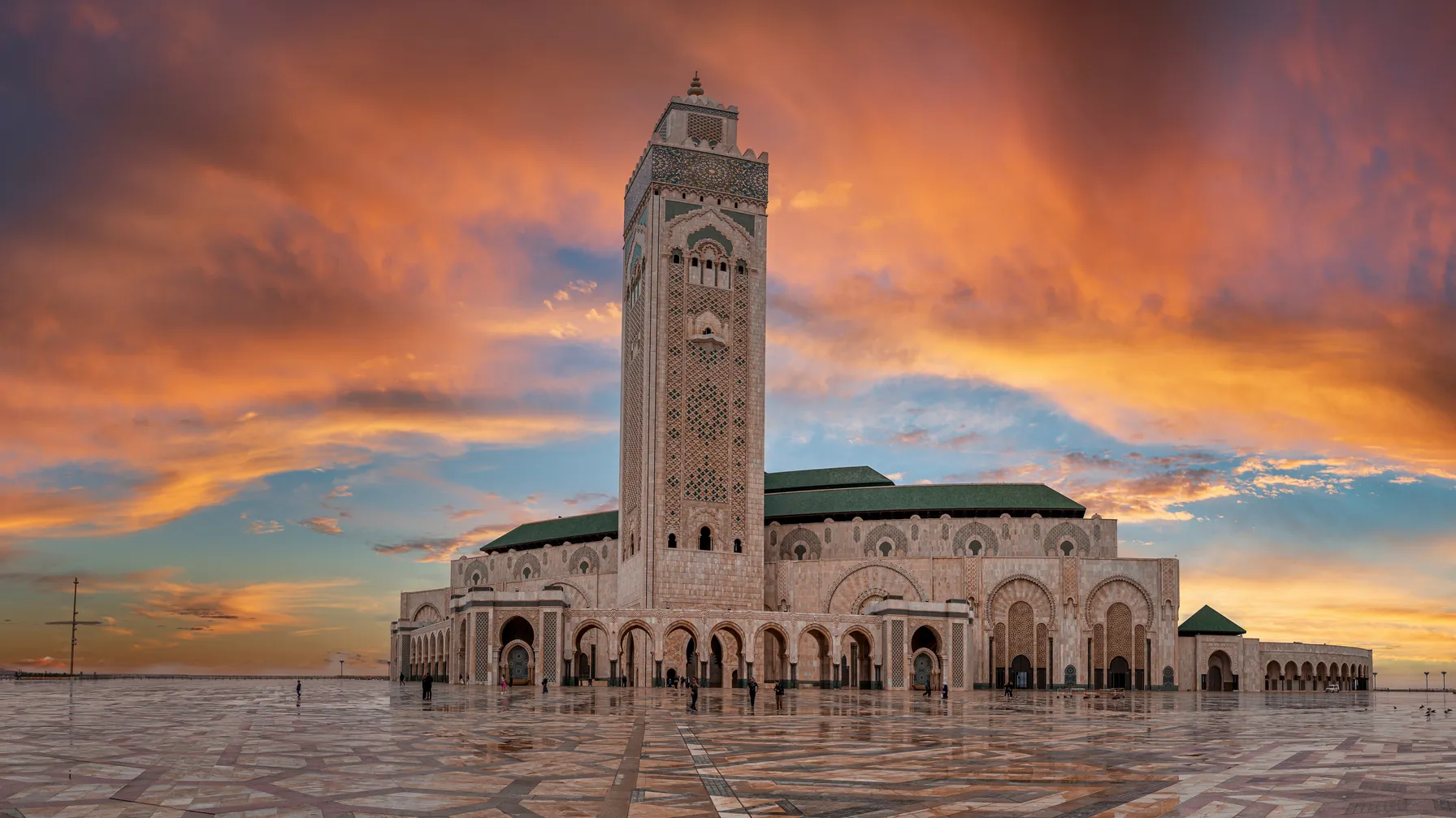
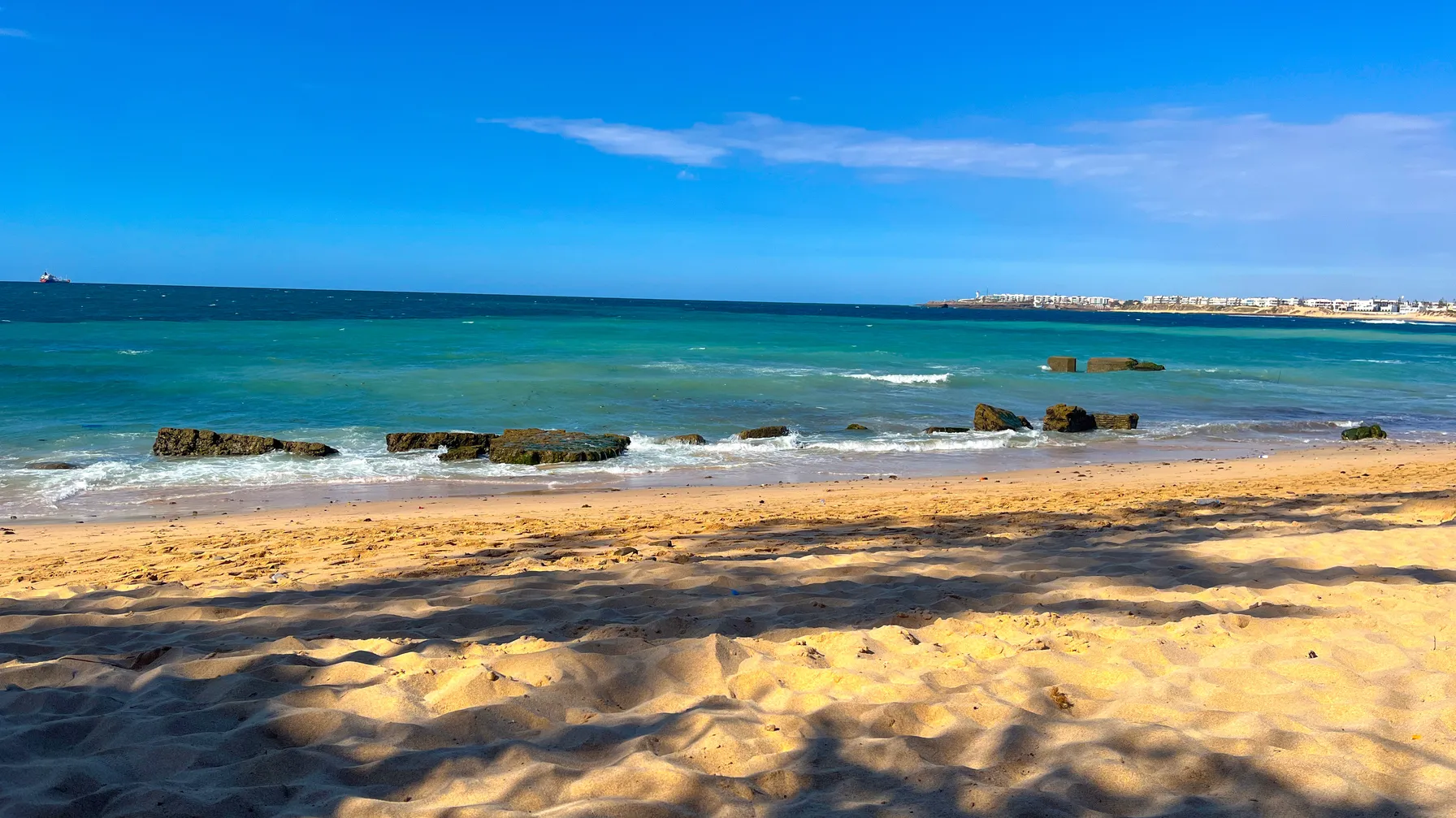
Casablanca is the largest city in the country and its economic capital. Far from being reduced to its cinematic image, it offers a range of varied experiences. The must-see visit is the Hassan II Mosque, one of the largest mosques in the world, partly built on the sea and able to accommodate 25,000 worshippers inside. Its 210-meter-high minaret is visible from the open sea, making it a striking visual landmark for travelers arriving by boat.
Beyond this iconic monument, the city invites you to lose yourself in the historic medina, to stroll along the corniche facing the Atlantic, or to explore the Habous district, whose neo-Moorish architecture charms at every street corner. Casablanca is also an ideal base to reach Marrakech by train, about a 2.5-hour journey.
Tangier, between two seas and two continents
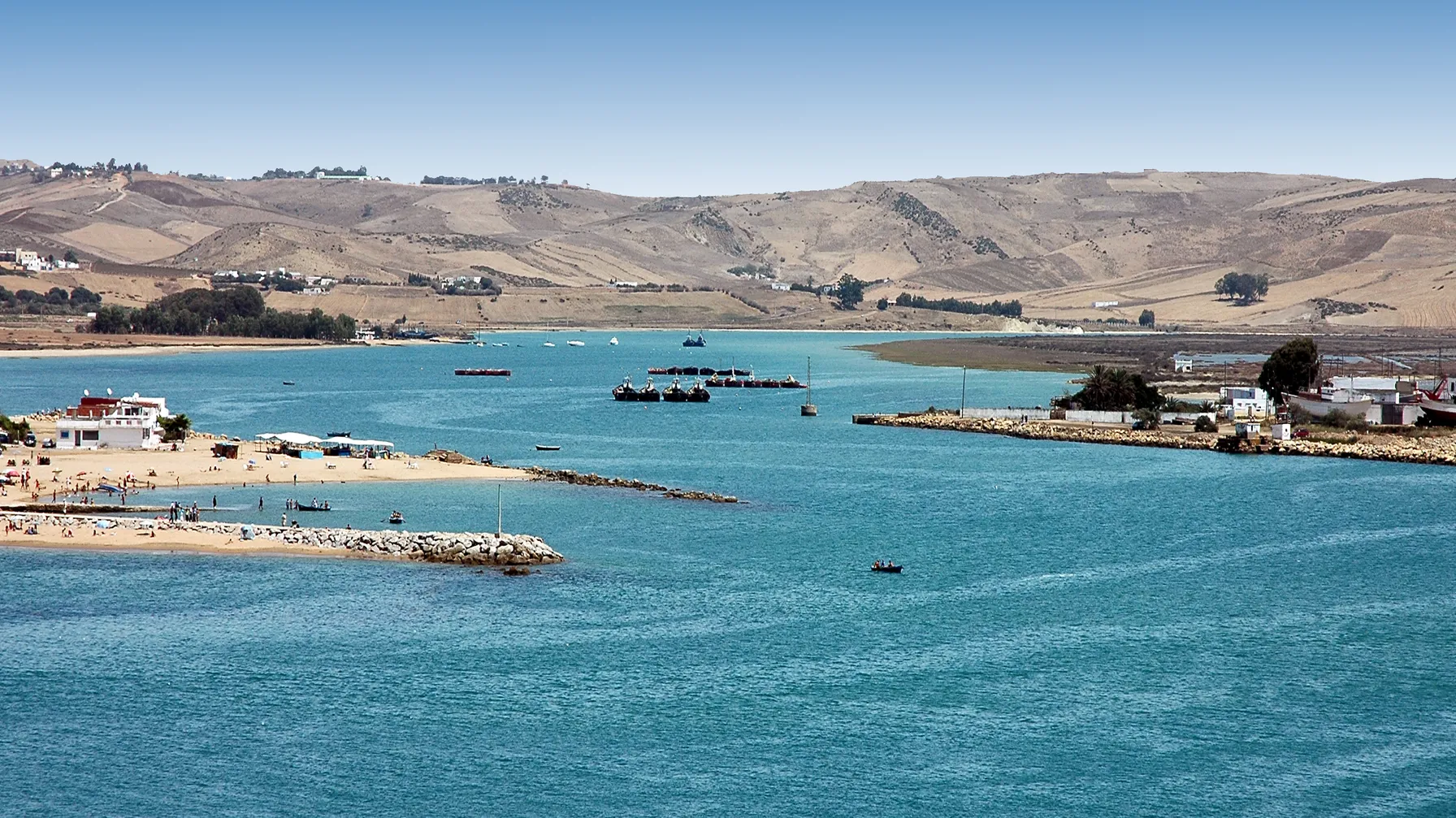
Tangier occupies a unique position: in the north of Morocco, where the Atlantic and the Mediterranean meet. This cosmopolitan city has long been a crossroads of European and African influences, and you can feel it in its architecture, its gastronomy and its overall vibe.
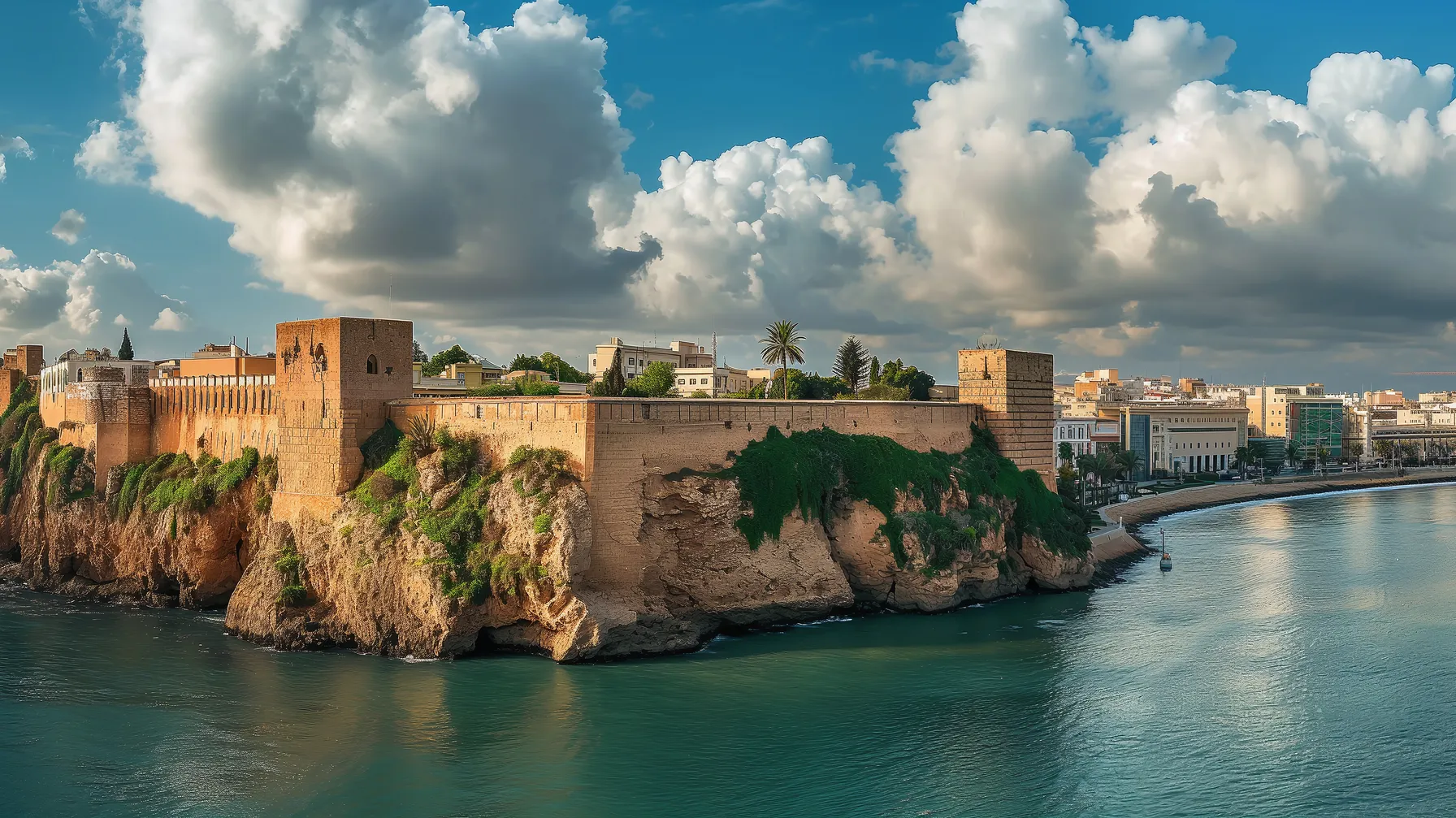
The kasbah, perched on the heights, offers a stunning view of the Strait of Gibraltar. The Grand Socco, a bustling square in the heart of the city, is the ideal starting point to explore the winding streets of the medina. For nature lovers, Cape Spartel and the Hercules Caves, a few kilometers from the port, are well worth a visit.
Agadir and the Atlantic ports of call
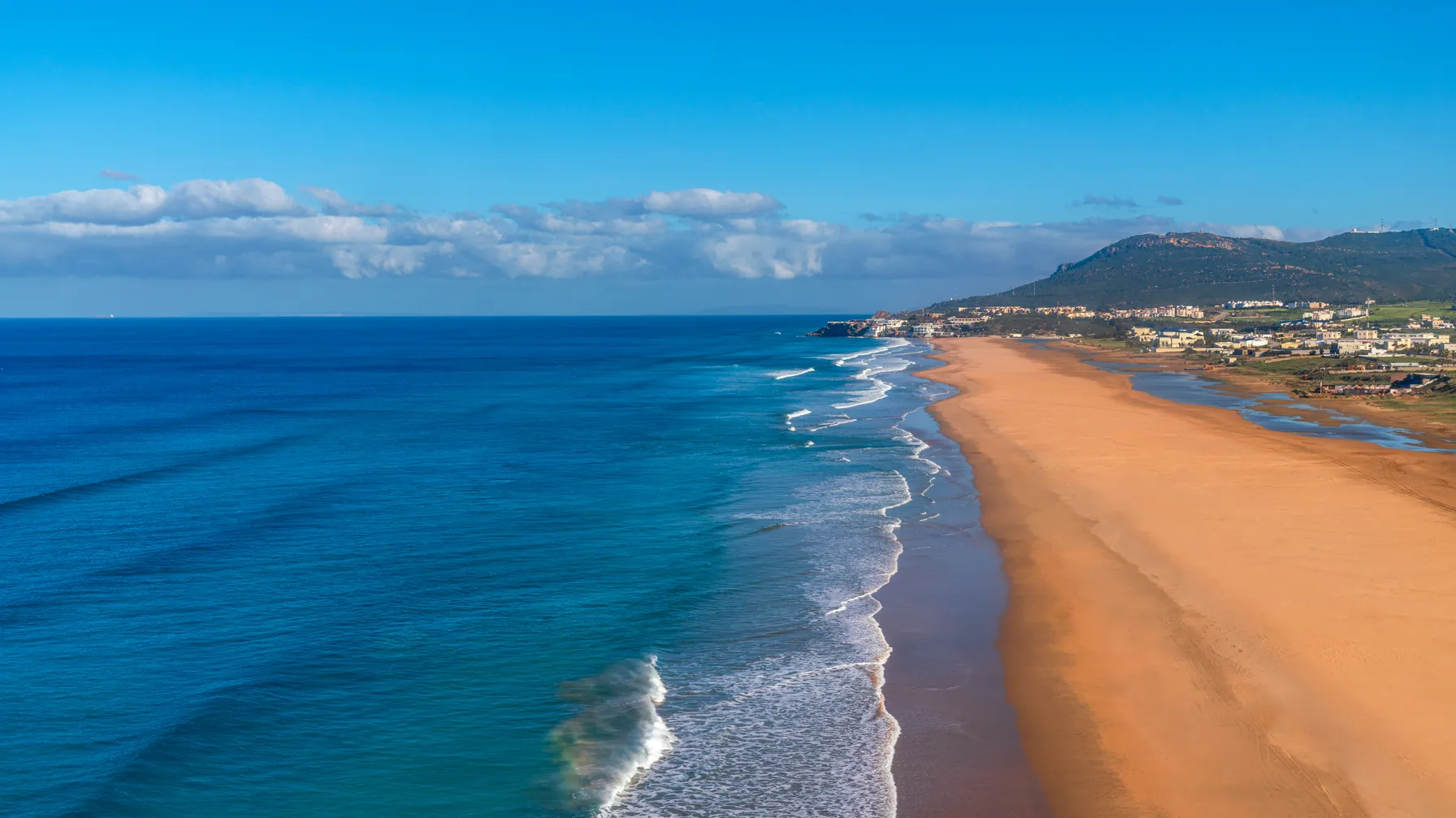
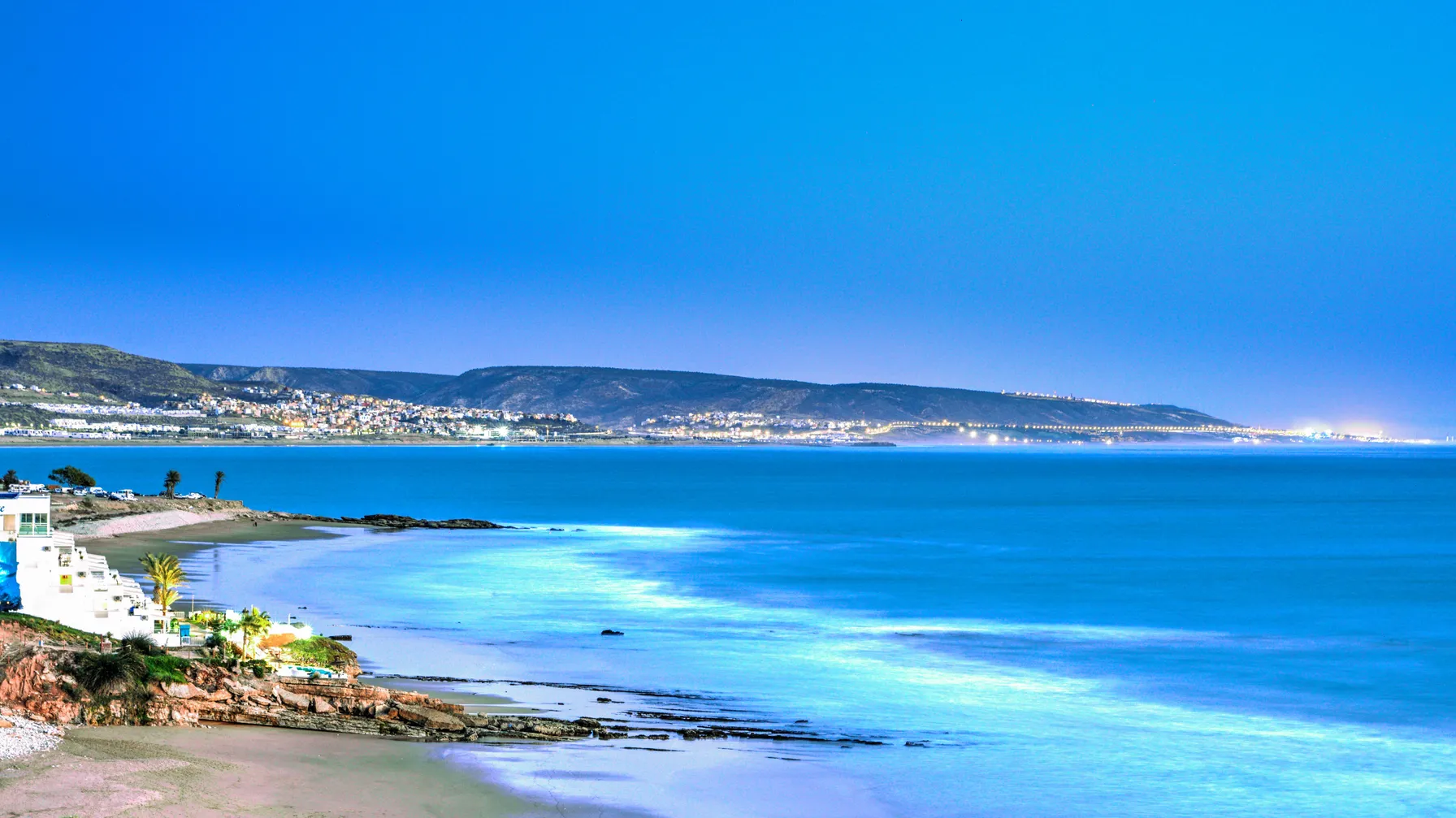
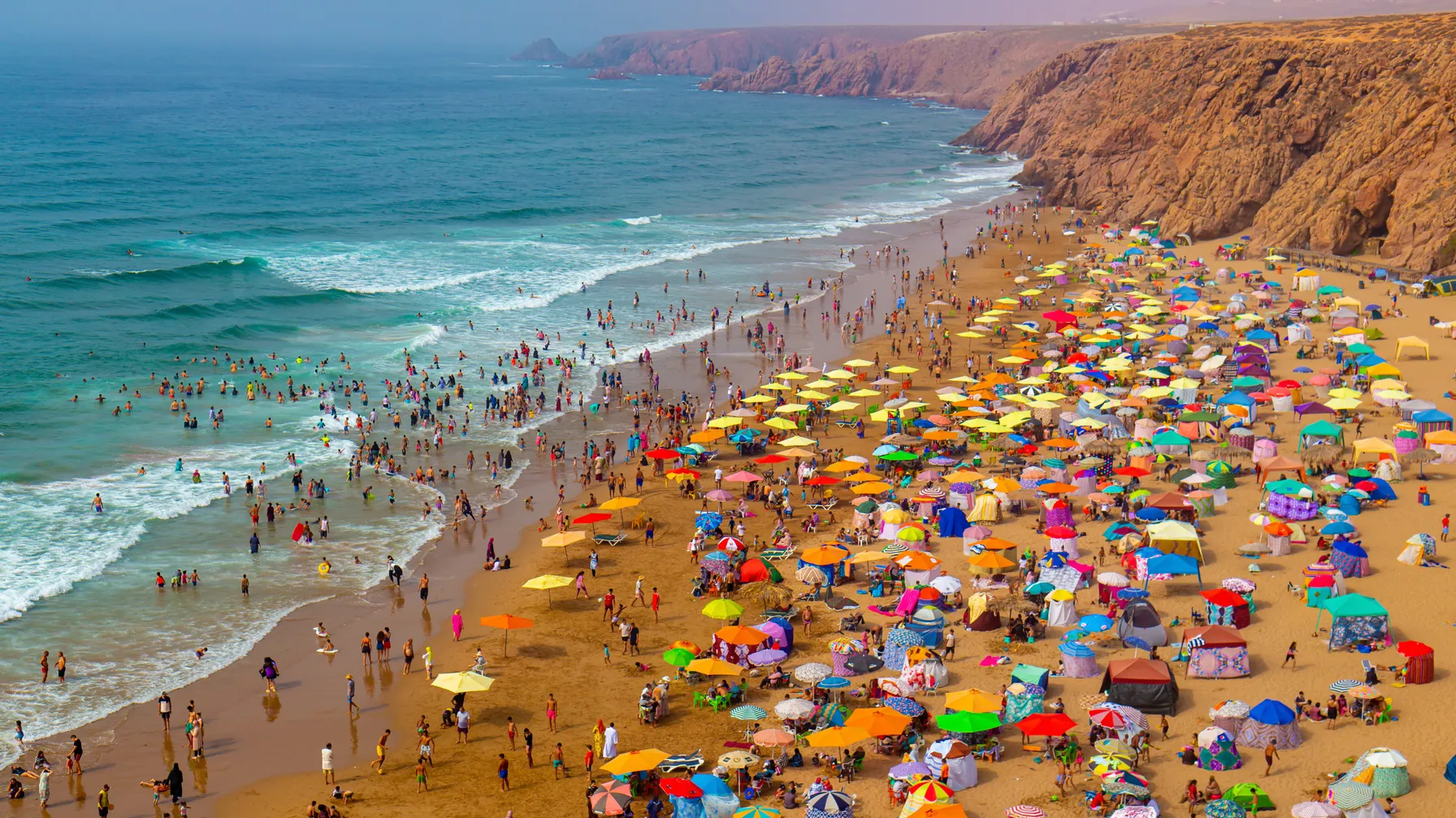
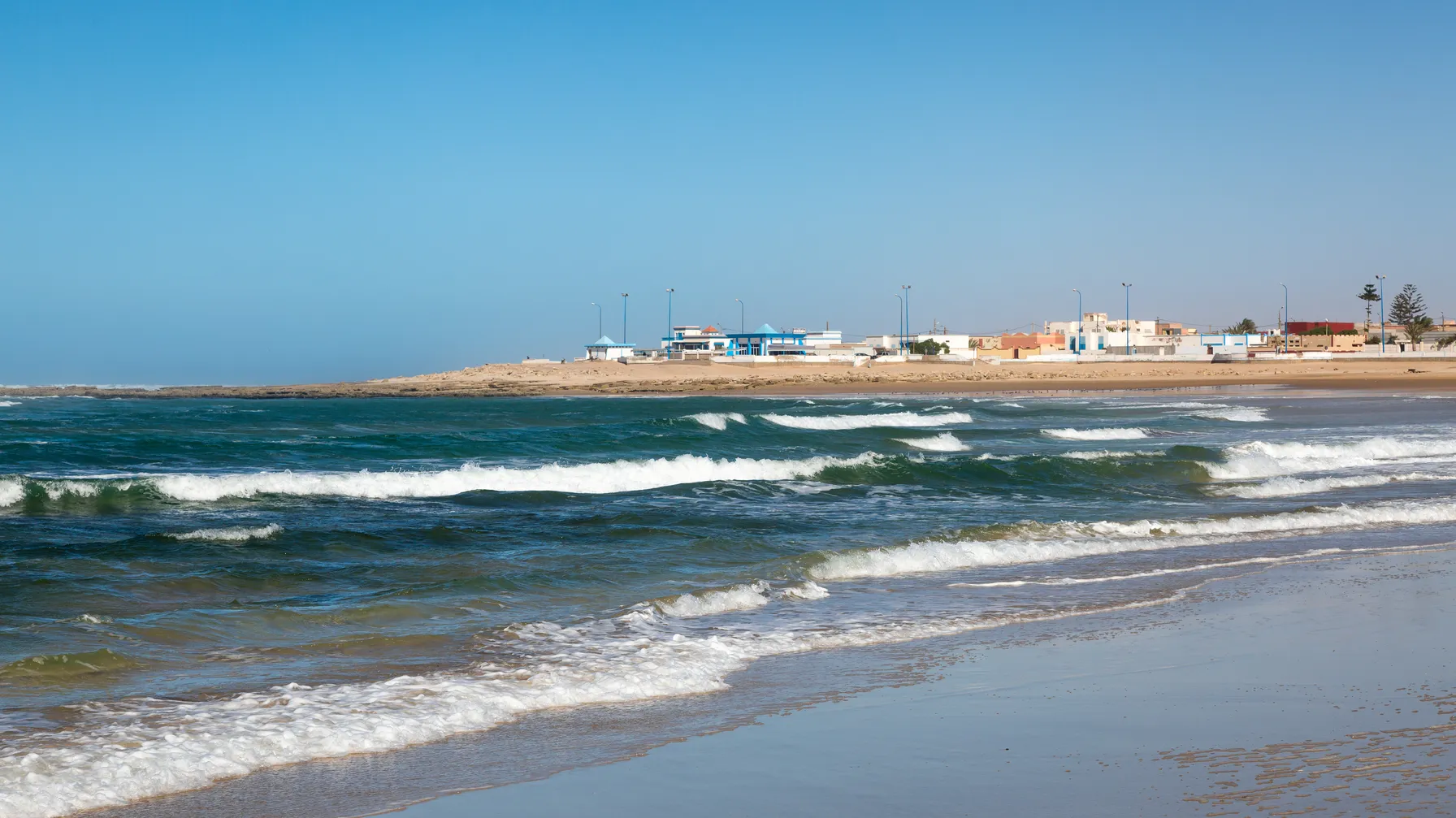
Further south, Agadir enjoys more than 300 days of sunshine per year and a 10-kilometer-long sandy beach. It's a stop appreciated for its relaxed atmosphere, its lively markets such as the El Had souk with around 6,000 shops, and its wild surroundings. Some Moroccan cruise itineraries also include the Canary Islands as an additional stop, allowing you to combine Moroccan ports with a sojourn in the Spanish archipelago, less than 100 kilometers from the African coasts.
When to go on a Morocco cruise?
Morocco enjoys a pleasant climate for most of the year, but some periods are more favorable than others to fully enjoy your stops. Here is an overview of the seasons to better plan your trip:
| Period |
Climate |
Advice |
| March – May |
Mild and sunny |
Ideal for cultural visits and walks |
| June – August |
Hot to very hot |
Pleasant by the sea, intense heat inland |
| September – November |
Mild and bright |
Excellent period, fewer tourists than in summer |
| December – February |
Cool on the coasts |
Suitable for those seeking calm and the low season |
Spring and autumn remain the two seasons most recommended for a Morocco cruise. Temperatures range from 18 to 26°C along the coasts, tourist sites are less crowded and sea conditions are generally favorable.
For formalities, European nationals do not need a visa to stay in Morocco up to 90 days. A passport or a valid identity card is sufficient. The local currency is the Moroccan dirham, but euros are often accepted in tourist zones.
How does Vialala personalize your Morocco cruise?
A Moroccan cruise is not limited to the hours spent aboard. It is often what you do on land, during the stops, that turns a trip into a lasting memory. This is where Vialala's expertise comes in.
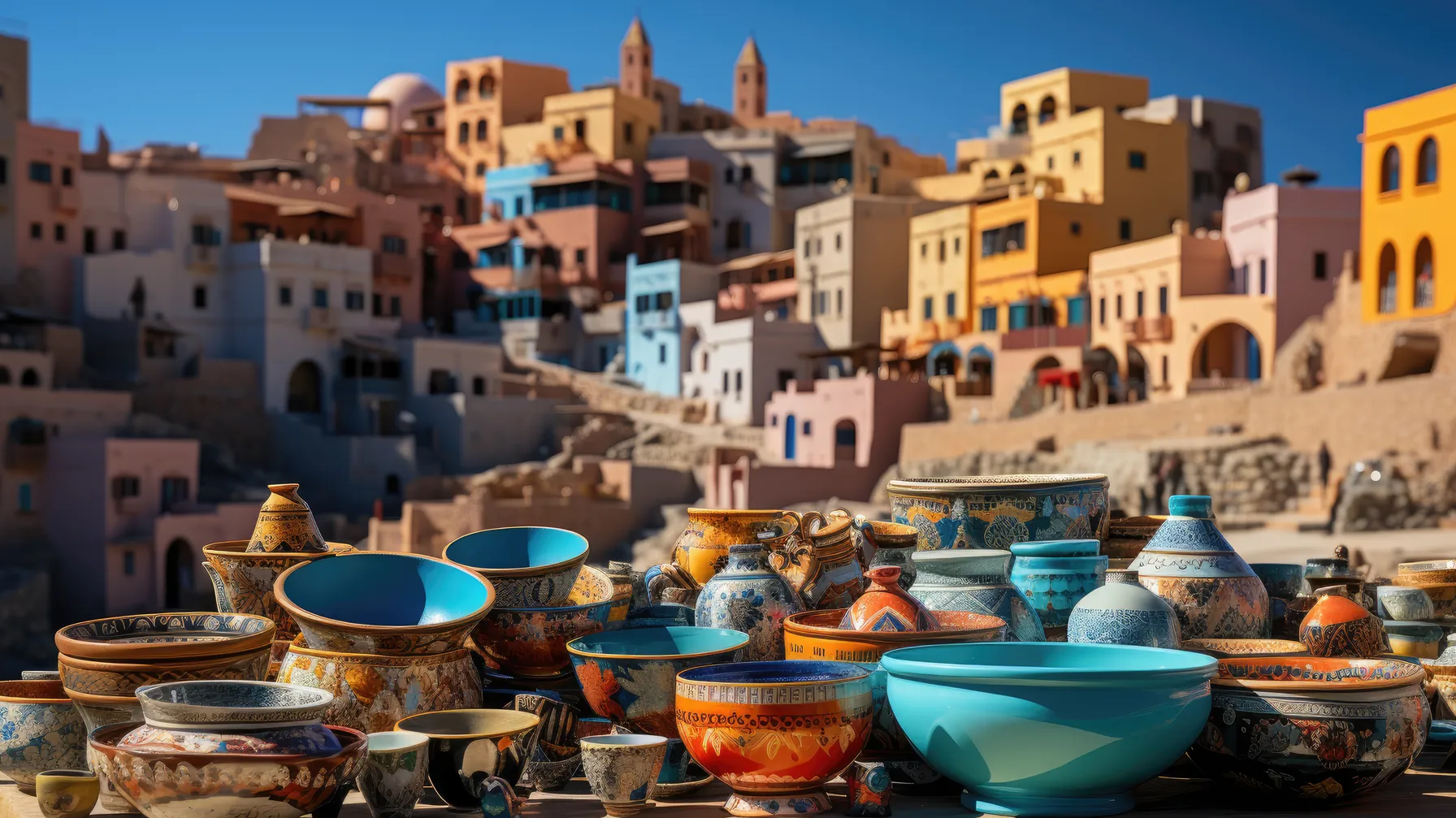
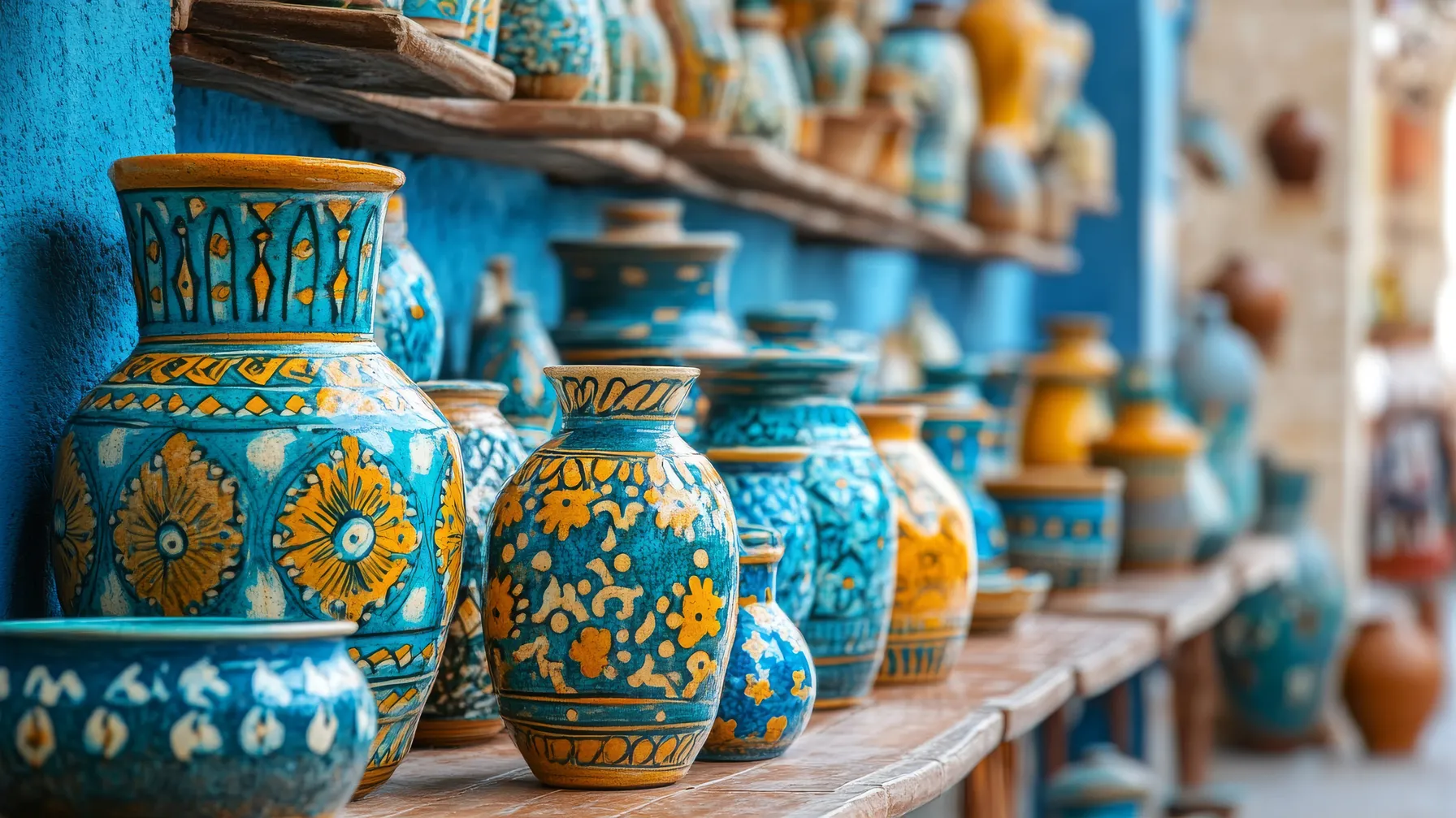
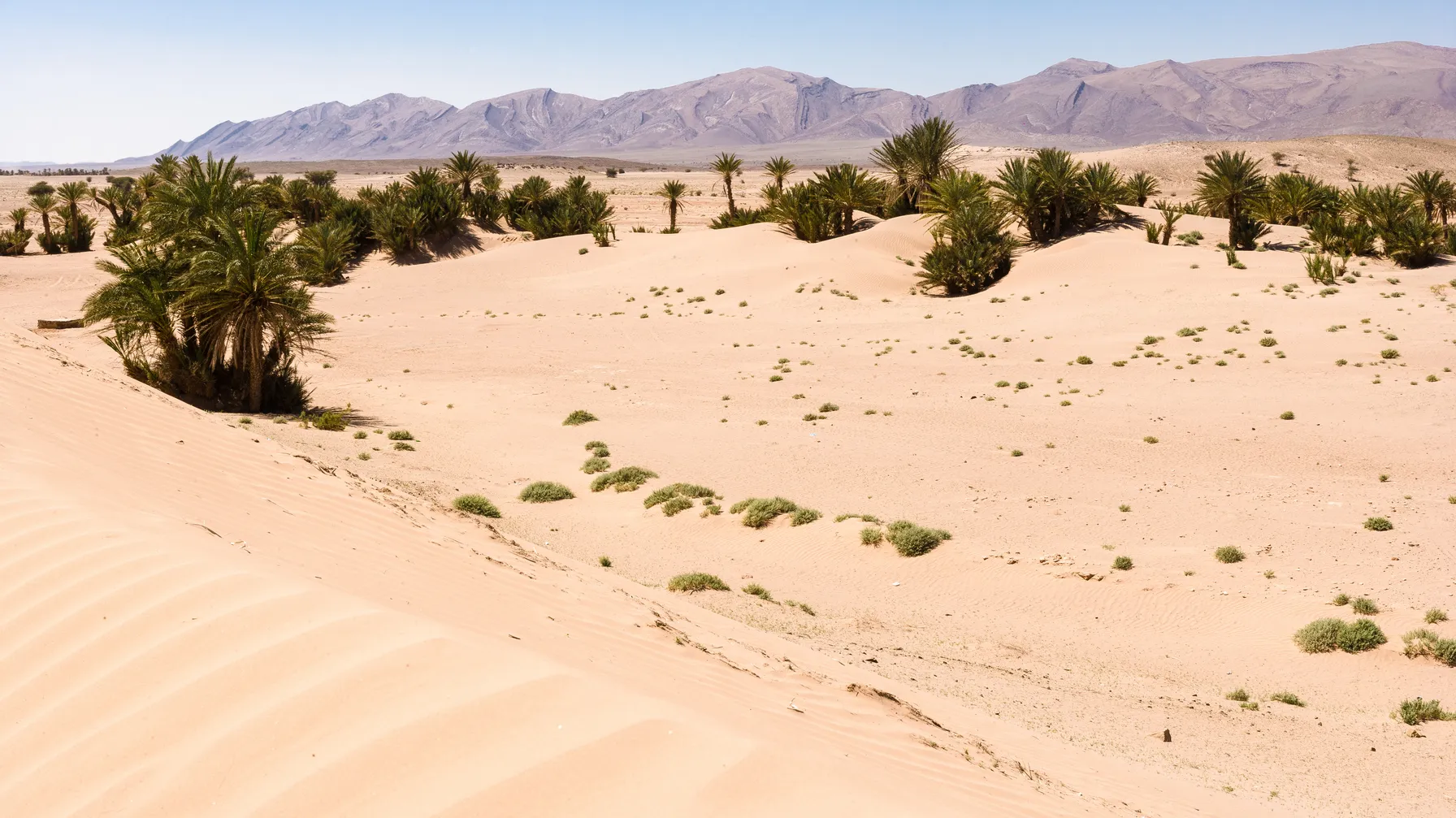
Our Travel Planners design tailor-made programs that revolve around your maritime stops. Do you want to extend your stay in Marrakech after disembarking in Casablanca? Organize a night in a high-end riad in the Fes medina? Visit the pottery artisans of Safi or explore the dunes of Merzouga before joining your ship? All of this is possible with personalized support.
Unlike standardized excursions offered on board, Vialala gives you the possibility to experience Morocco at your own pace, according to your interests, with local guides who share their intimate knowledge of the country. Whether you travel as a couple, family, or friends, every detail of your land program is designed to harmoniously integrate with your cruise.
To start imagining your trip, simply contact a Vialala Travel Planner. Together, you will build an itinerary that combines the best of sea and land, up to your expectations.