Why choose a 15-day roadtrip in Martinique?
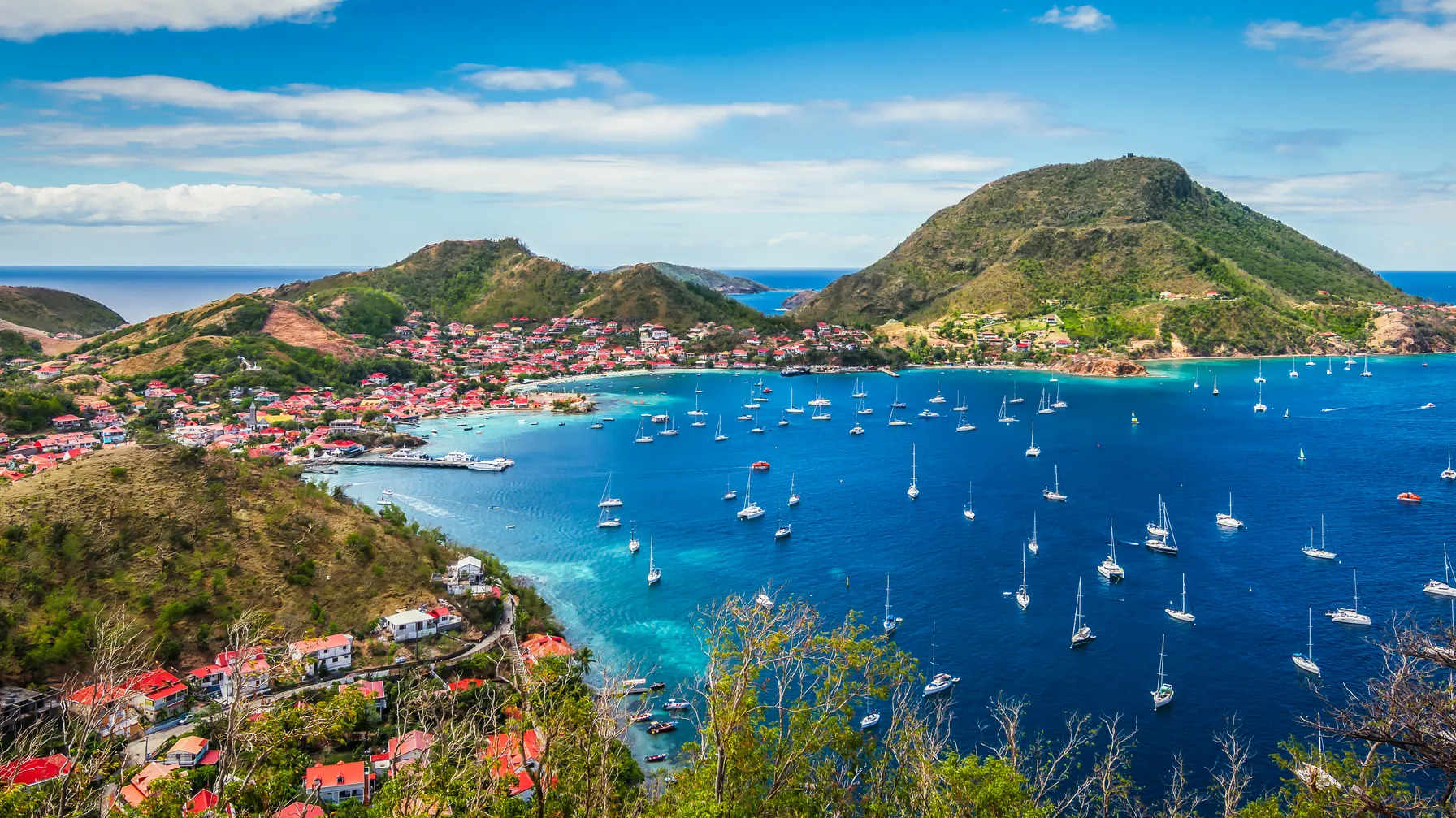
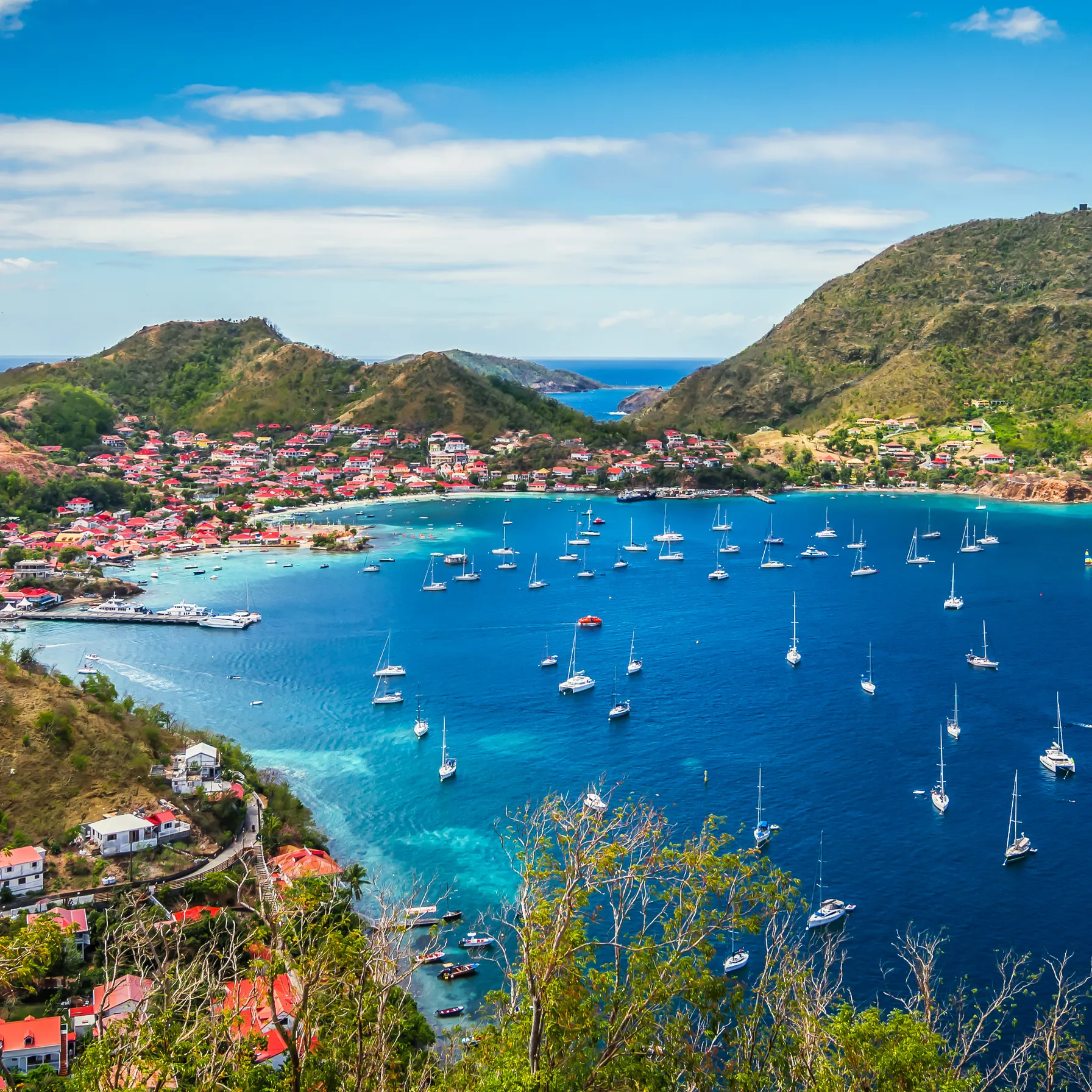
Martinique proves to be the perfect destination for an unforgettable road trip. This island of flowers of 1,128 sq km offers an exceptional diversity of landscapes on a relatively compact territory, ideal for exploring by car during your 2 weeks in Martinique.
An island with contrasting landscapes
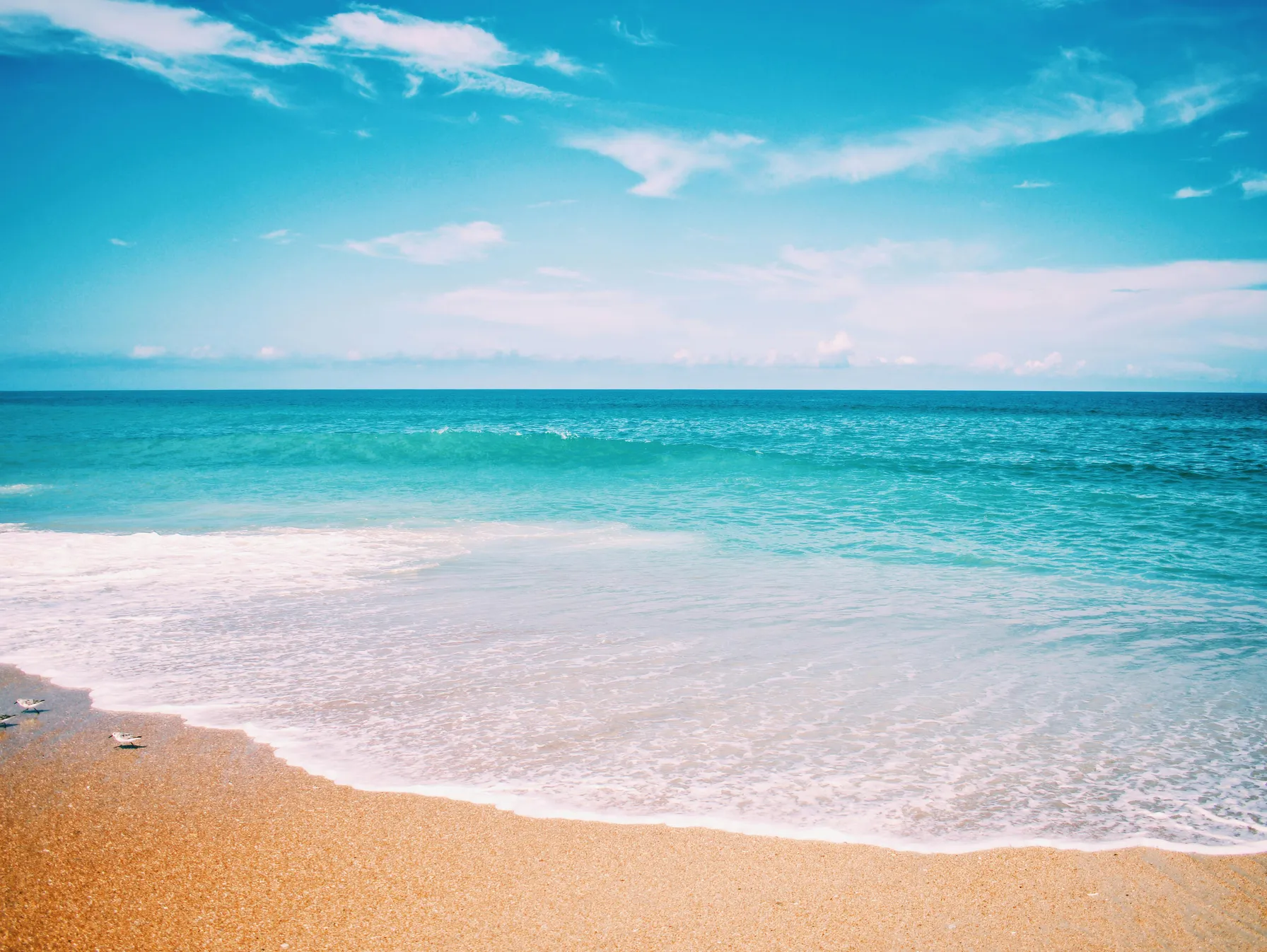
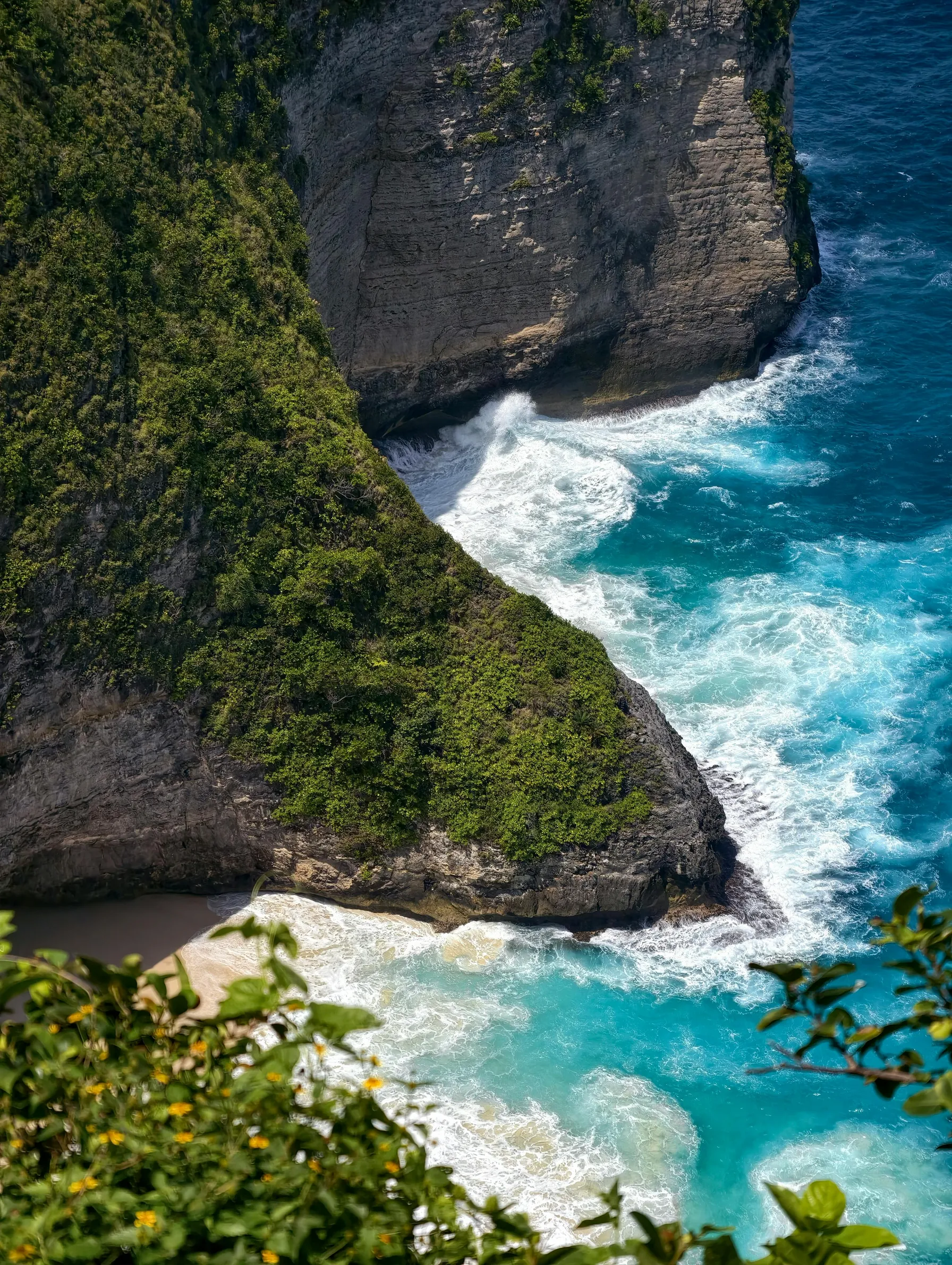
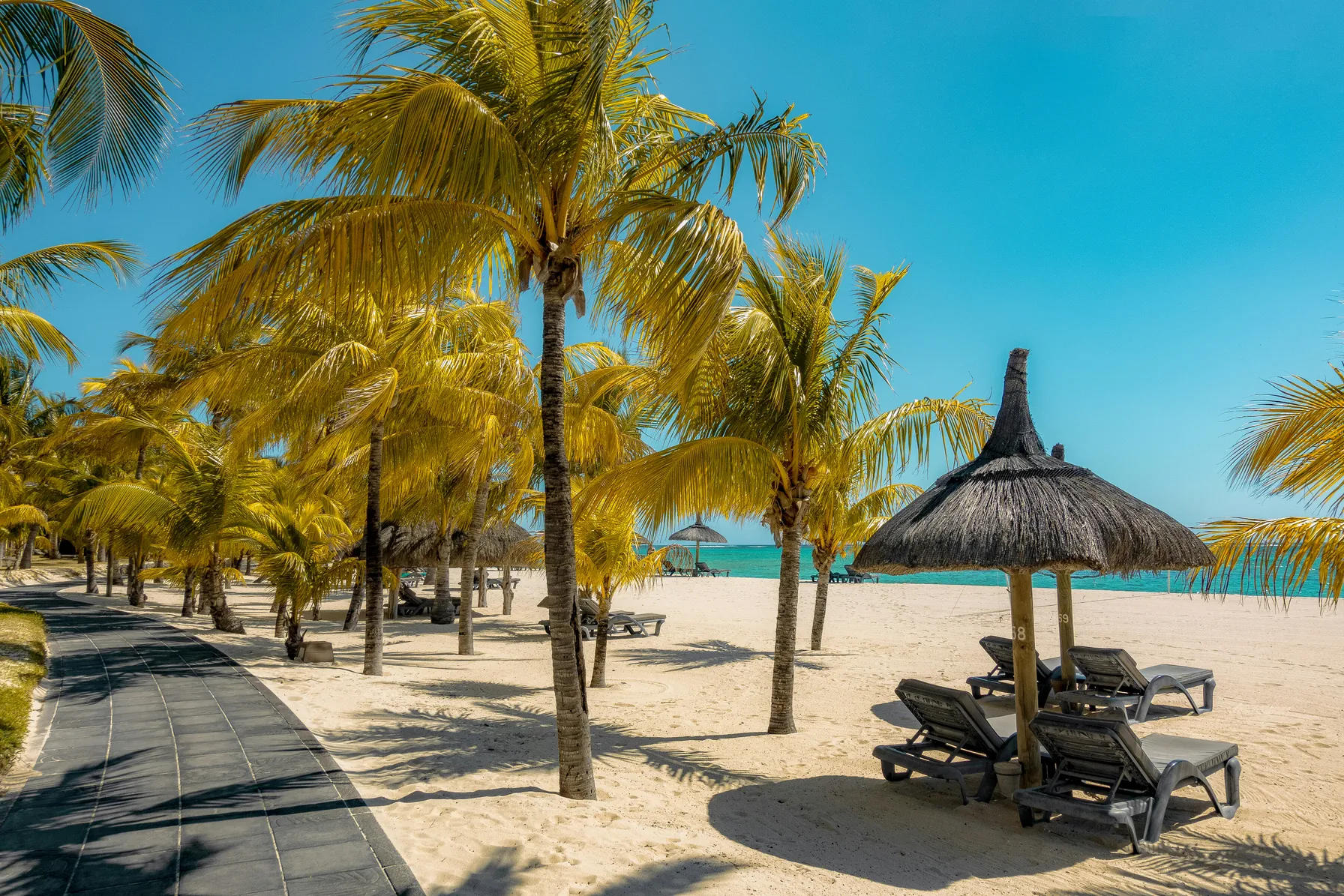
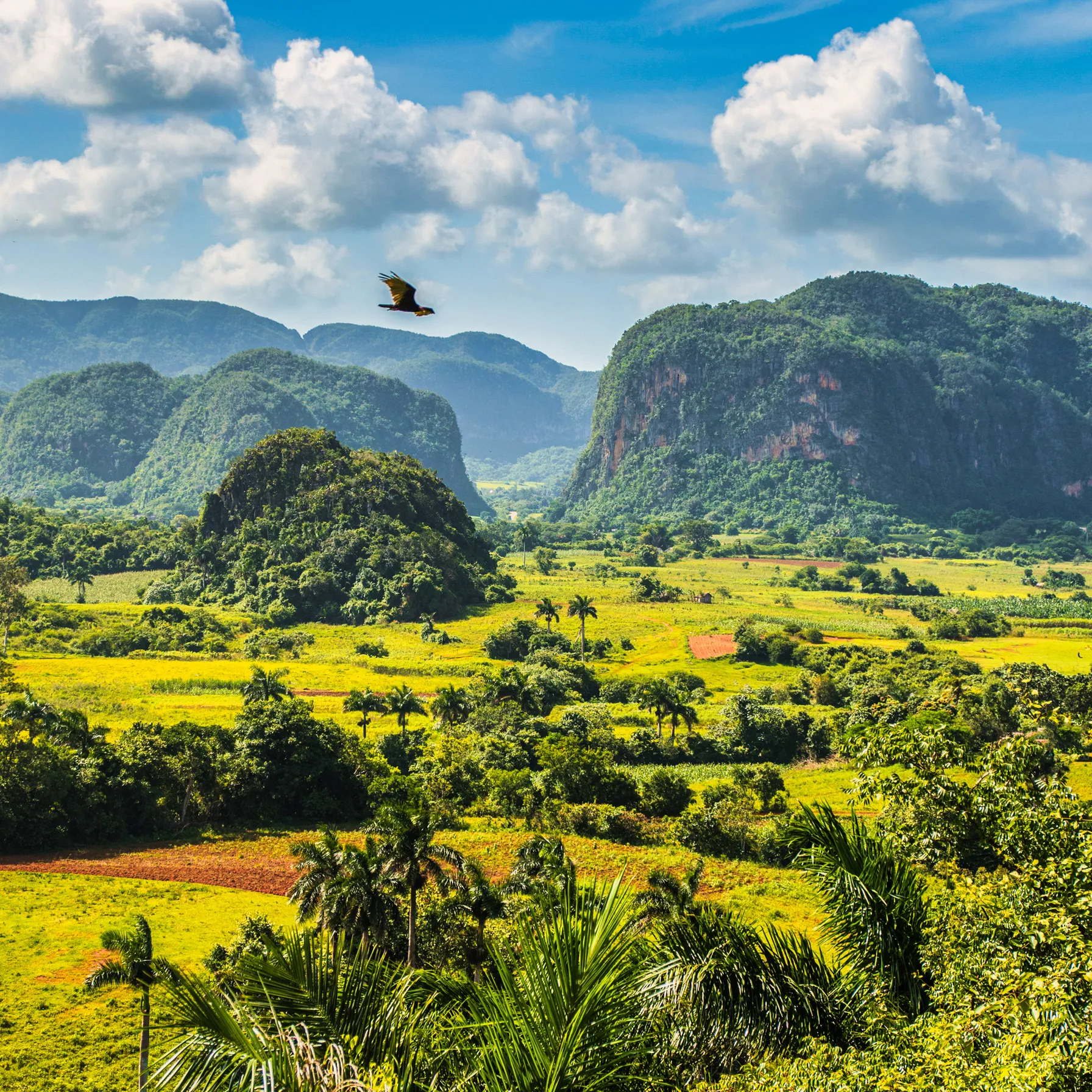
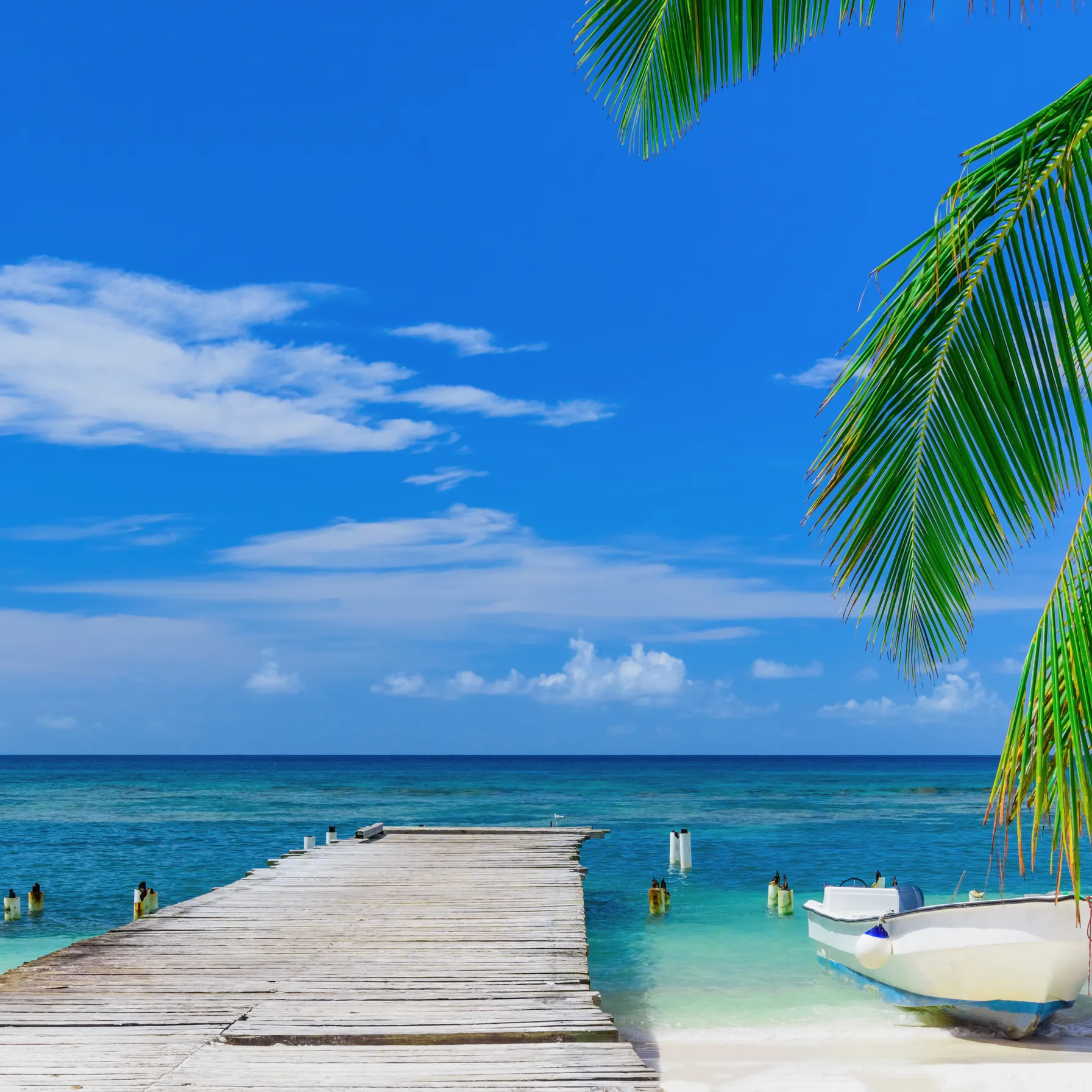
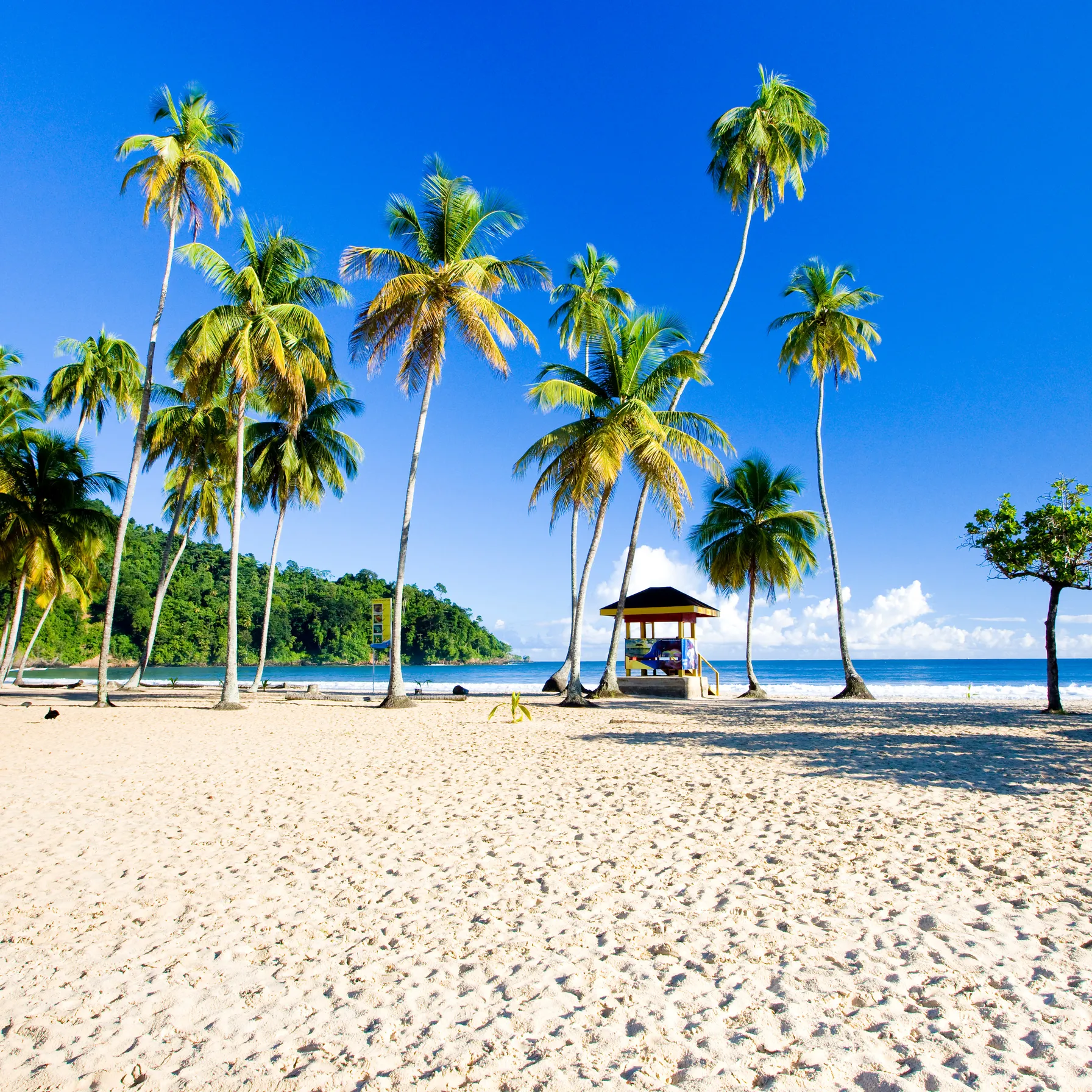
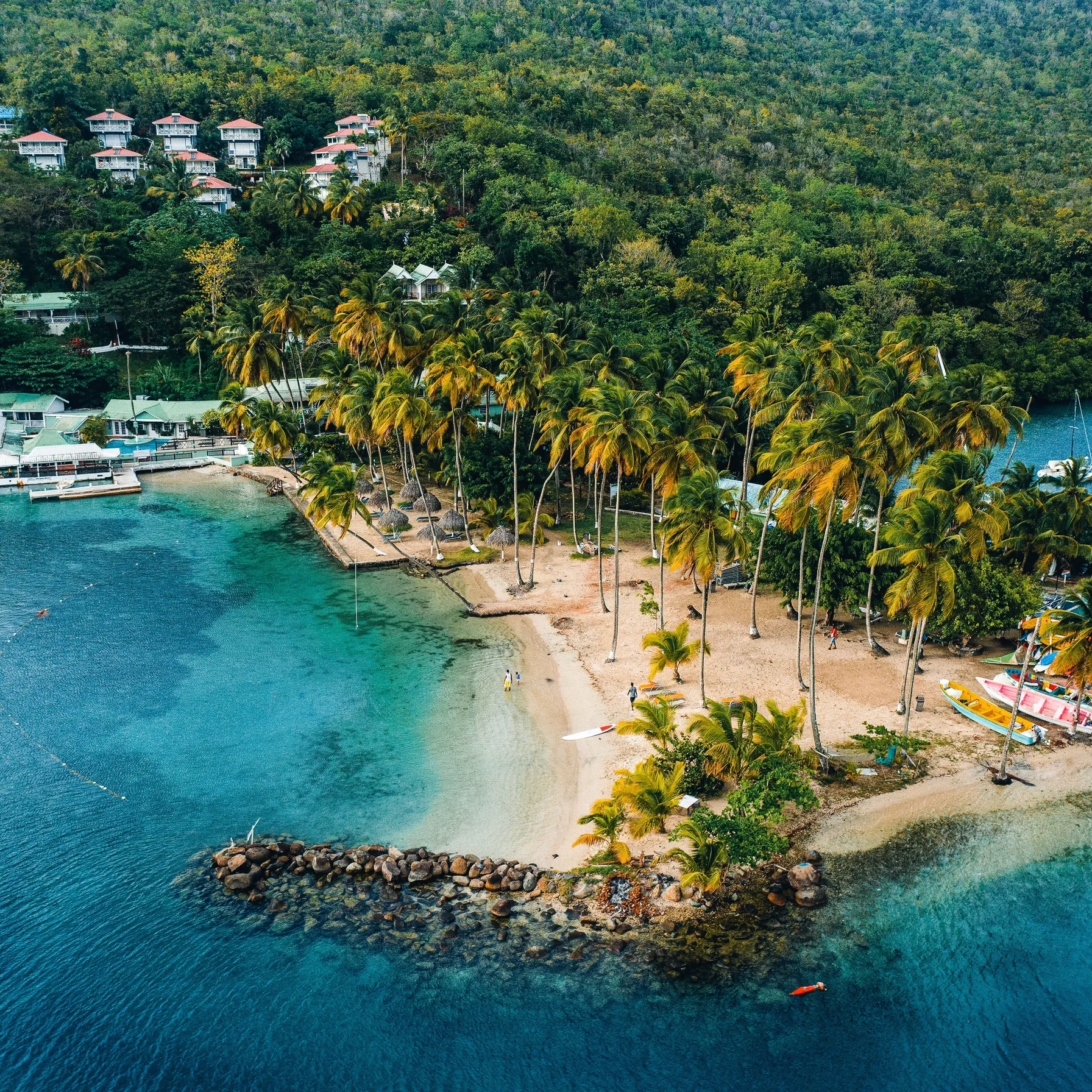
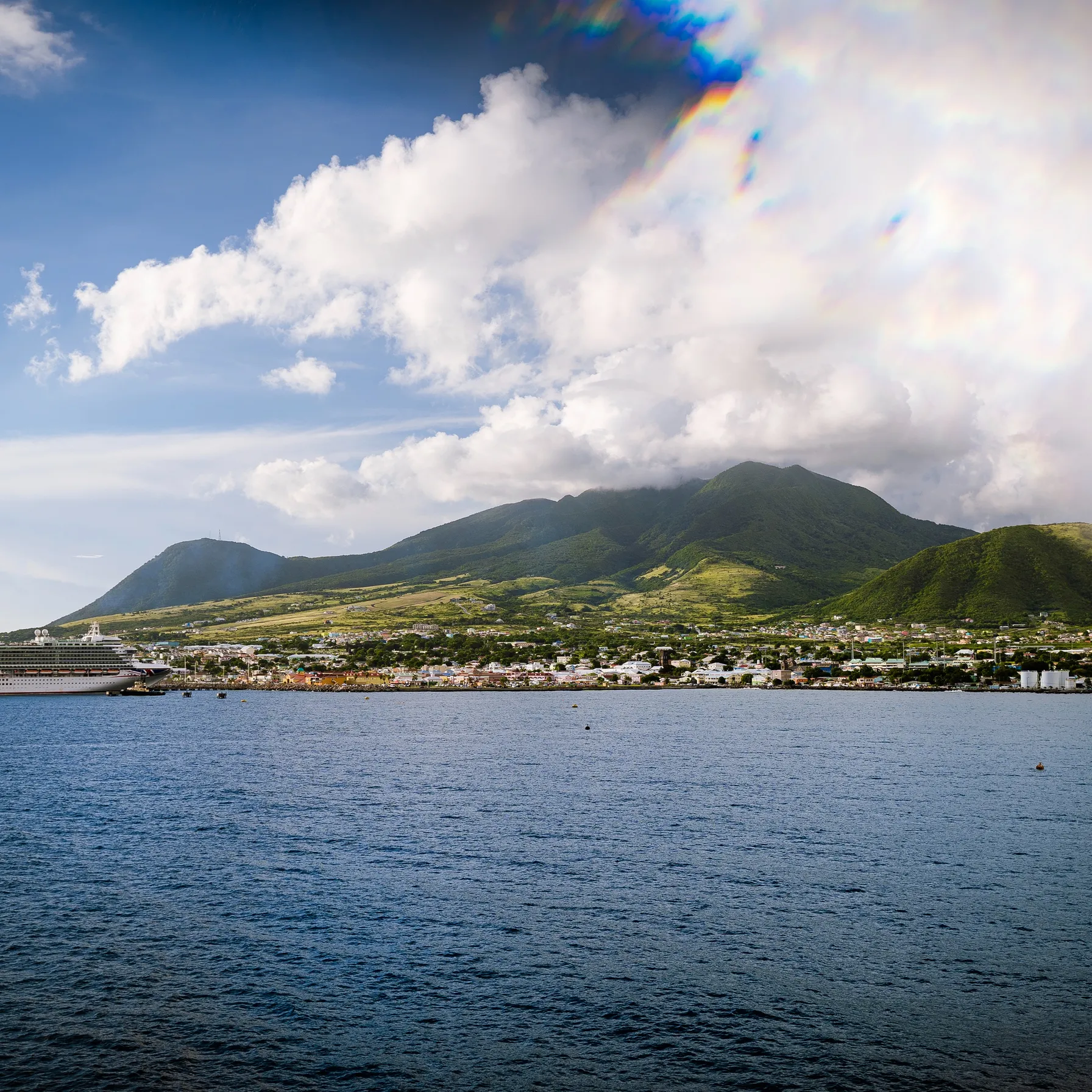
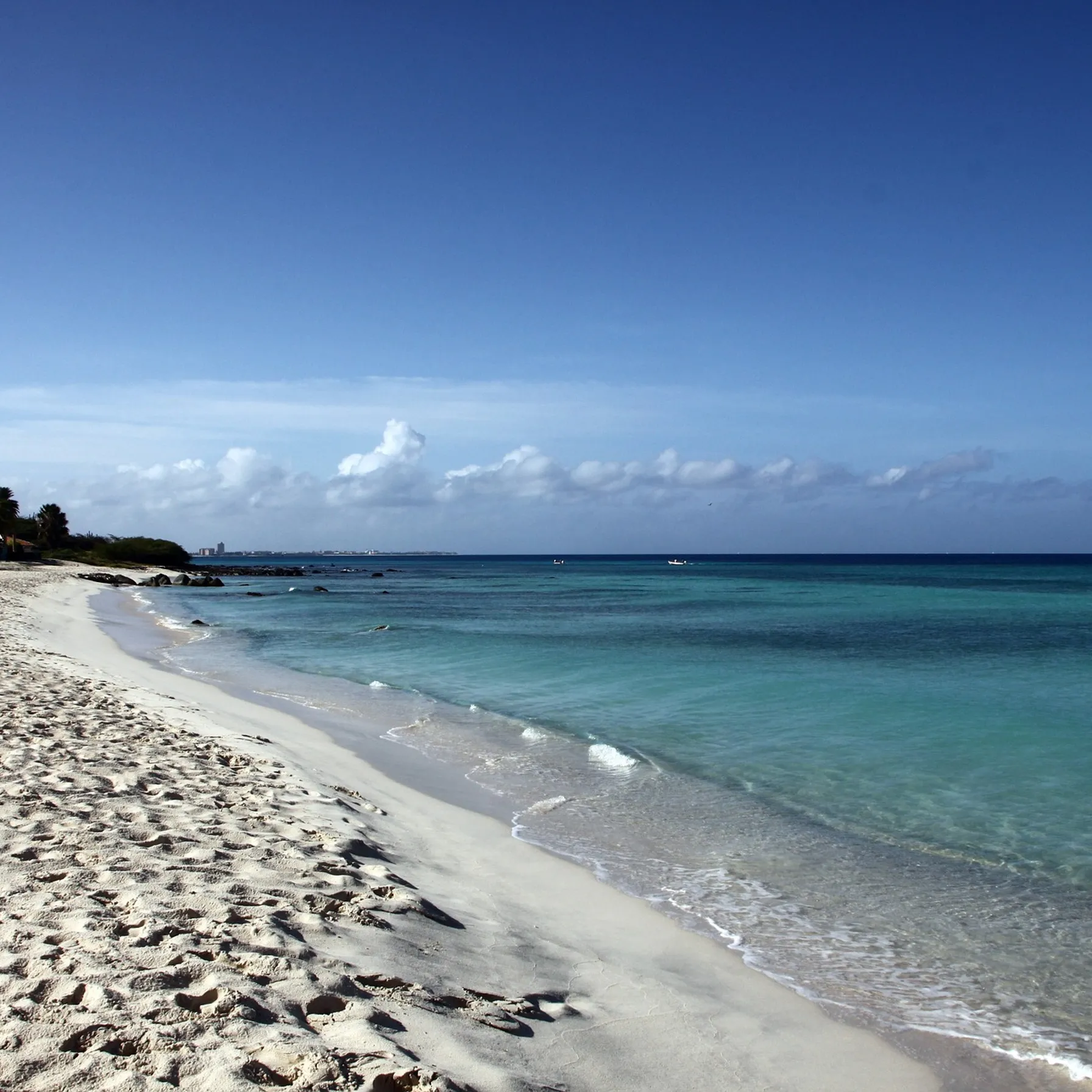
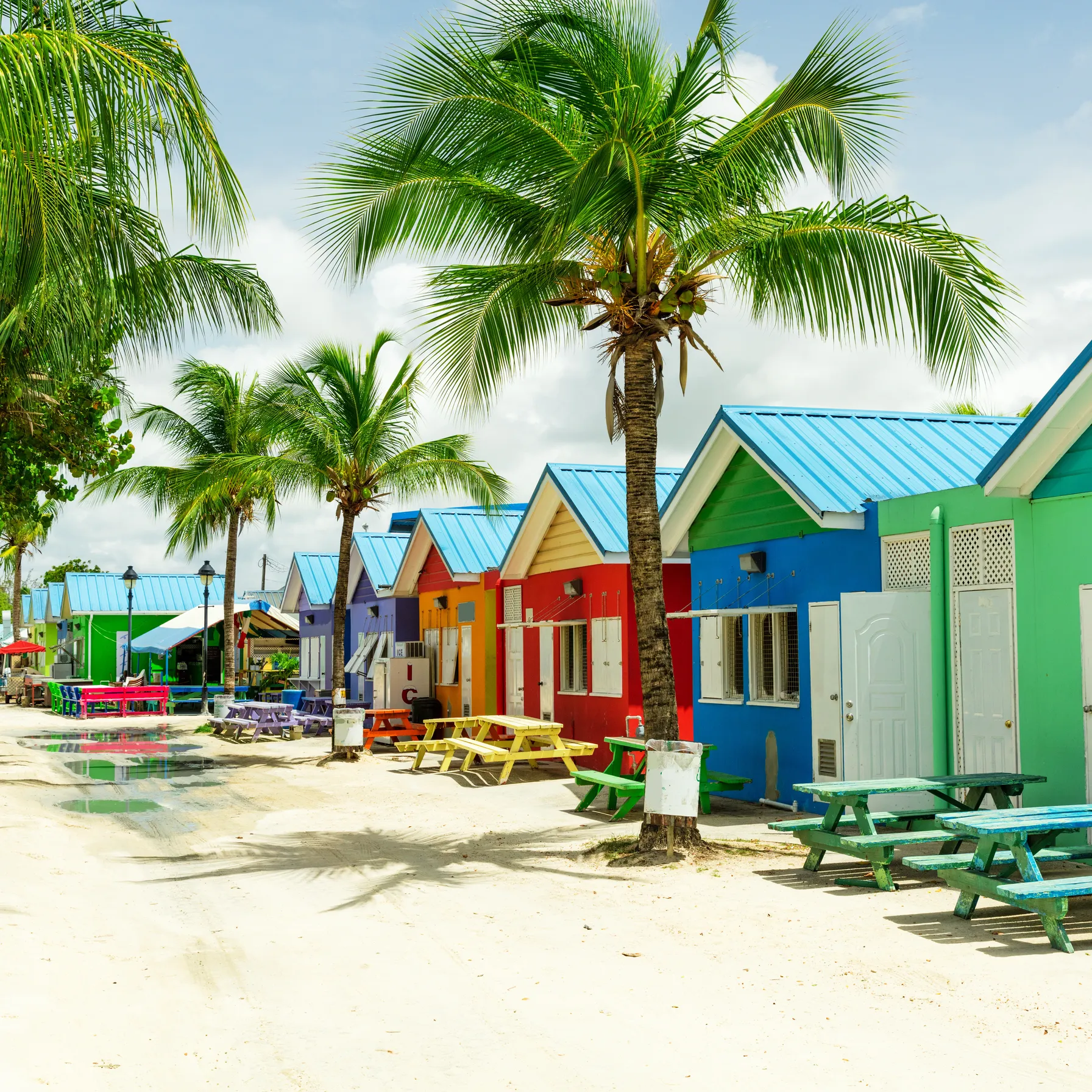
Your roadtrip in Martinique will take you through landscapes of striking variety. In the south, you will discover the famous white sand beaches such as Saline Beach, two kilometers long, lined with coconut trees and bathed in crystalline turquoise waters. Moving north, the scenery changes dramatically: the black volcanic sand beaches like Anse Couleuvre are a testament to the volcanic origin of the island, dominated by the majestic Mount Pelée which peaks at 1,397 meters.
This geological diversity creates unique atmospheres at each stage of your journey. Our Travel Planners know these contrasts well and will guide you to the most spectacular spots according to your preferences, whether you are a fan of relaxing on beautiful beaches or passionate about hiking in the tropical forest.
The freedom to discover at your own pace
A 15-day trip in Martinique offers you the freedom to savor each moment without constraint. Unlike the classic tours, your personalized roadtrip adapres to your daily whims: extend a nap under the coconut trees at Grande Anse, spontaneously explore a waterfall discovered along the way, or simply admire a sunset from the Diamant Rock.
This flexibility is particularly appreciable in Martinique, where distances remain short – it takes less than 2 hours to cross the island from north to south. You can thus change accommodations according to your stages while maintaining a comfortable base to radiate in each region.
How to organize your 2-week roadtrip in Martinique?
Organizing a 15-day stay in Martinique requires careful planning to optimize your time and budget. Our local experts assist you in every aspect of this preparation.
When to go to Martinique
The choice of the period significantly influences your roadtrip experience. Martinique enjoys a tropical climate with two distinct seasons, each offering its advantages.
The dry season, from December to May, corresponds to the high tourist season. During this period, you will enjoy optimal weather conditions with temperatures fluctuating between 24°C and 30°C and limited rainfall. This is the ideal time for all water activities and hiking. However, this tourist season implies higher prices and a greater influx of visitors to the must-see sites.
The wet season, from June to November, offers the advantage of more attractive rates and less crowd. The tropical showers, generally short and intense, refresh the atmosphere and reveal a lush vegetation particularly photogenic. This period is still quite suitable for a roadtrip, provided that you adapt your program to the climatic conditions.
| Period |
Advantages |
Drawbacks |
Recommendation |
| December-May |
Optimal weather, calm sea |
High prices, strong attendance |
Ideal for a first trip |
| June-November |
Attractive rates, lush vegetation |
Possible showers, cyclones (rare) |
Perfect for tight budgets |
Your vehicle for exploring the island
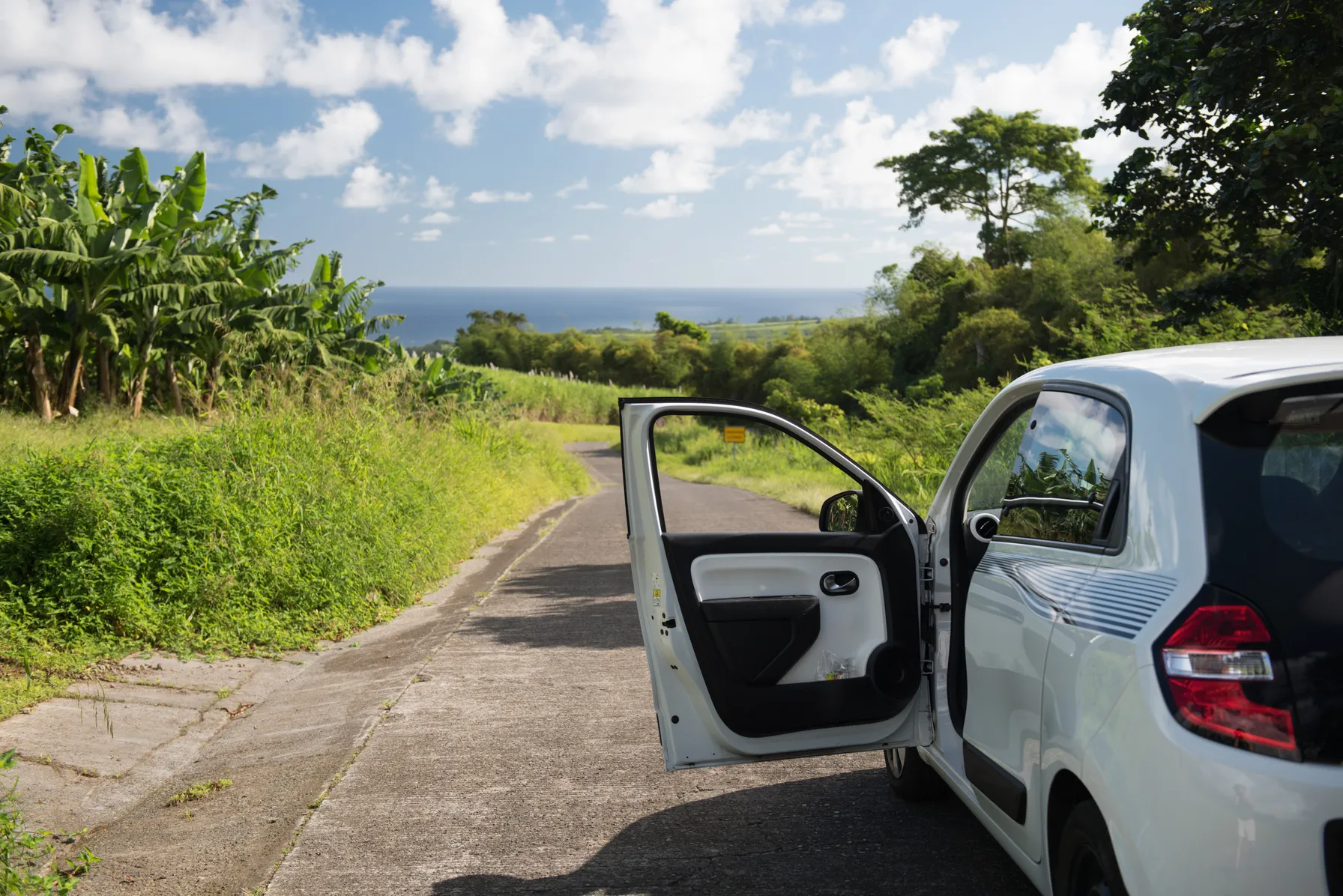
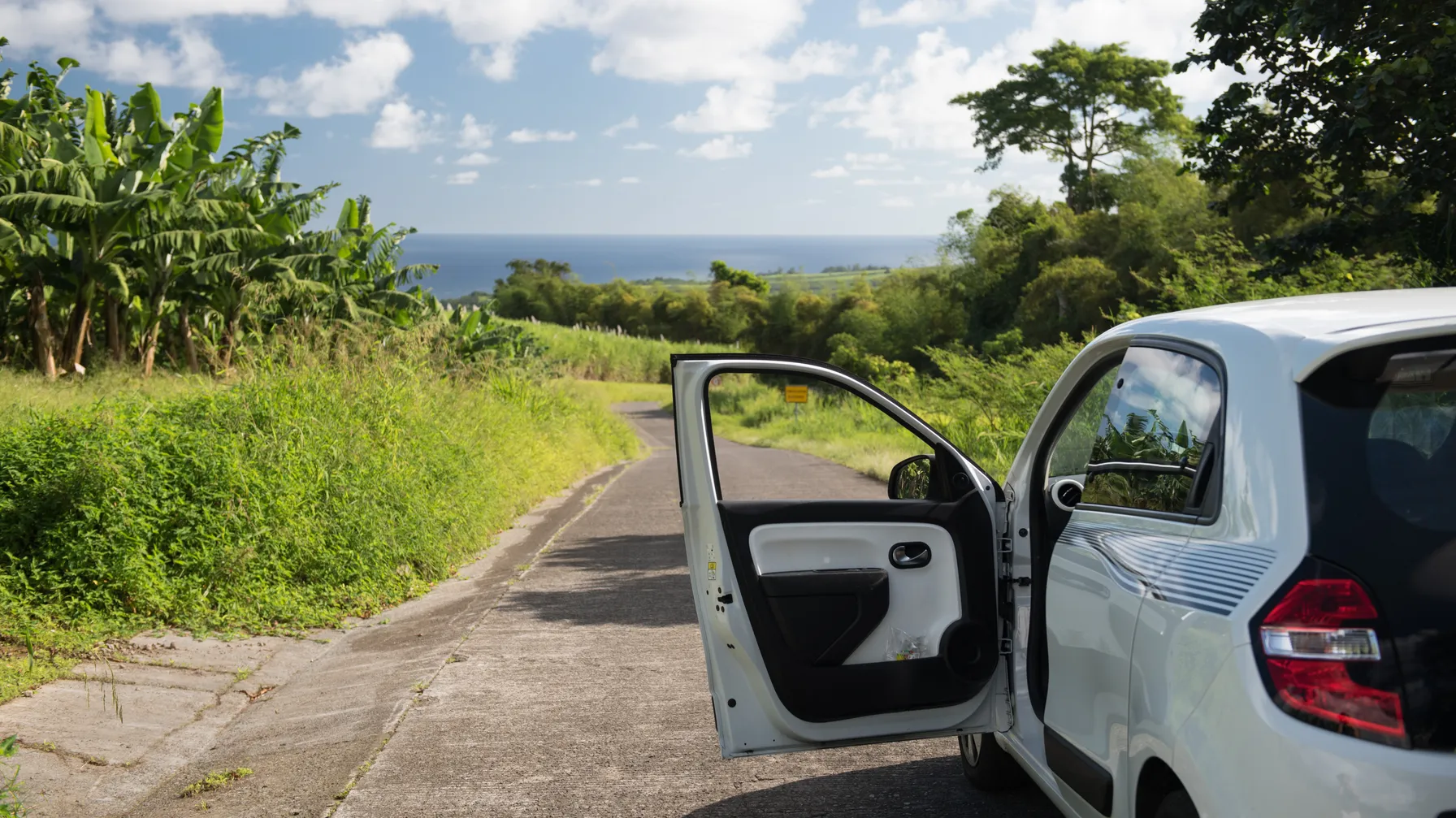
Renting a car is a must for setting off in Martinique in complete freedom. The road network of 2,077 kilometers allows access to most sites, even if some mountain roads or those leading to wild beaches may be winding.
Our Travel Planners generally recommend a compact vehicle or an SUV according to your itinerary. If you plan to explore the heights of Mount Pelée or access secluded beaches in the north, a raised vehicle will facilitate your movements on occasionally degraded roads. For a roadtrip focused on the southern beaches and the main tourist sites, a classic car will suffice.
The French driving license is valid in Martinique, and driving is on the right as in mainland France. Plan for about 25 to 35 euros per day for car rental, to which are added the fuel costs – count approximately 1.50 euro per litre.
The must-see stops of your Martiniquais roadtrip
Your two-week journey in Martinique will allow you to explore the three main regions of the island, each offering unique experiences and memorable landscapes.
The South and its dream beaches
The southern part of Martinique concentrates the most beautiful beaches of the island and is often the ideal starting point for a roadtrip. This region benefits from a drier climate and a generally calm sea, protected from the trade winds by the mountainous relief.
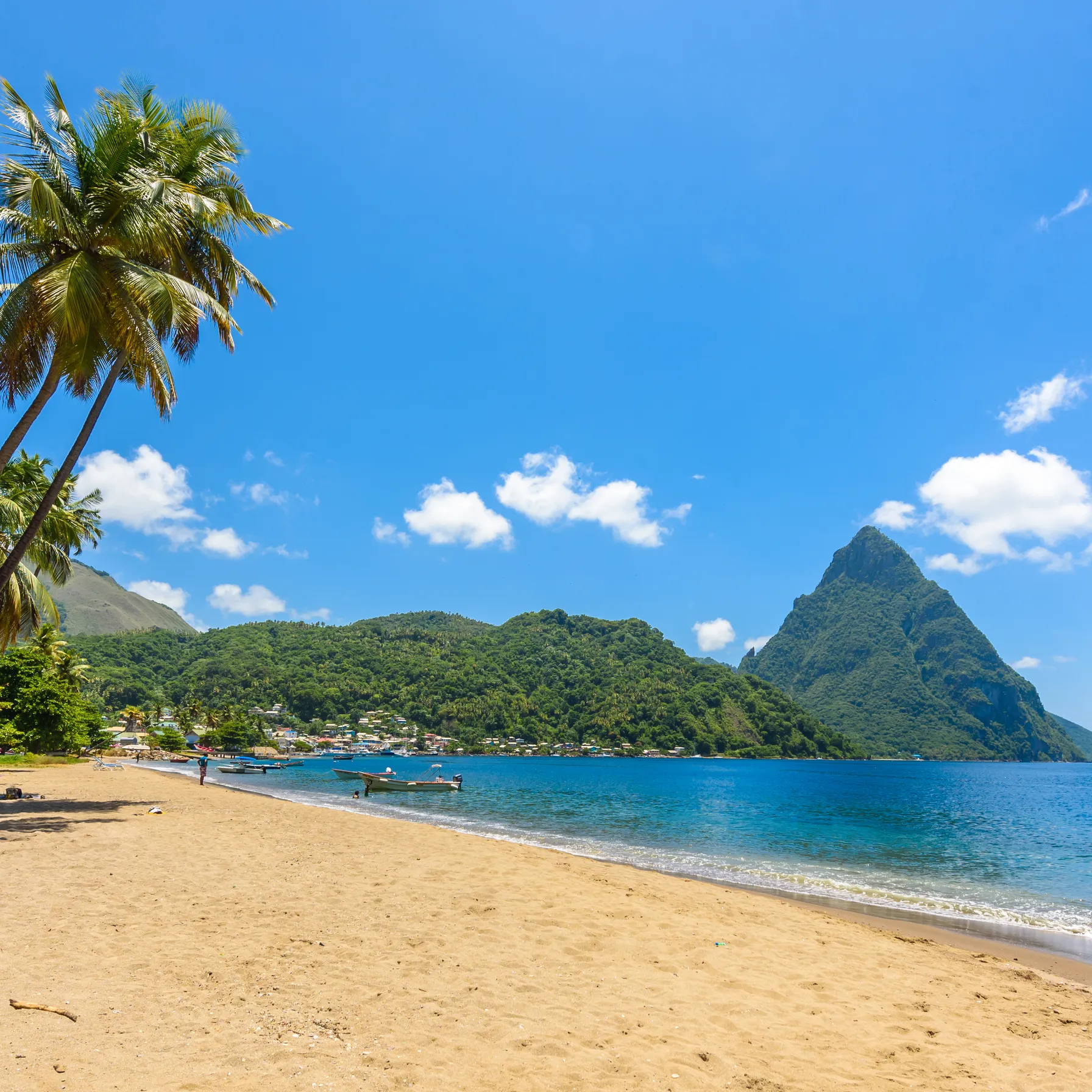
The Sainte-Anne peninsula houses the legendary Salines beach, a true Caribbean postcard with its pristine white sand and centennial coconut trees. Two kilometers long, it offers enough space to find your corner of paradise, even during the high season. Nearby, the more confidential beaches of Anse Moustique and Anse Trabaud seduce lovers of tranquility.
The west coast reveals other treasures with the Anses-d'Arlet, a string of coves with varied atmospheres. Anse Dufour and Anse Noire, separated by only a few hundred meters, perfectly illustrate the Martinican diversity: golden sand on one side, volcanic sand on the other. These sites are famous for turtle watching, which come to feed in the underwater seagrass beds.
Le Diamant deserves a prolonged stop with its 3-kilometer beach facing the famous Diamant Rock, a rocky islet 176 meters high classified as a nature reserve. This beach at Diamant offers one of the most beautiful sunsets on the island, especially spectacular from the Pointe du Bout.
The wild and authentic North
The northern part of Martinique reveals a wilder and more authentic face, far from the tourist hustle of the south. This volcanic region offers grandiose landscapes and an immersion in traditional Creole culture.
Mount Pelée dominates this region with its imposing silhouette. This volcano, responsible for the destruction of Saint-Pierre in 1902, offers several hiking trails suited to different levels. The climb to the summit, accessible to experienced hikers, rewards the efforts with an extraordinary panorama over the whole island and the neighboring islands on a clear day.
Saint-Pierre, the former capital nicknamed the "Paris of the West Indies," bears witness to this tragic past. Its perfectly preserved ruins tell the story of this prosperous city frozen in time. The Frank Perret Volcanological Museum complements this historical discovery with its collections of objects found in the debris.
The northern beaches offer a radically different experience with their stretches of black sand bordered by tropical forest. Anse Couleuvre, accessible after a 10-minute walk in the forest, unveils a preserved wild setting where the waves of the Atlantic die on the volcanic sand. Couleuvre waterfall, located 30 minutes' walk from the beach, invites for a refreshing swim in a natural pool.
The Atlantic East and its hidden treasures
The Atlantic coast of Martinique, beaten by the trade winds, reveals wilder landscapes and a different ambiance. This less frequented region offers authentic experiences and preserved natural sites.
The Caravelle peninsula is one of the jewels of this coast. This nature reserve of 388 hectares protects a mosaic of ecosystems: mangrove, dry forest, savannah, and rocky coastline. The hiking trail leads to the Caravelle lighthouse, built in 1861, which offers a 360-degree panorama over the Atlantic Ocean and the Martinican coast.
The village of Tartane, nestled in the heart of this peninsula, has retained its charm of a fishing village. Its colorful gommiers, traditional boats, bear witness to the local maritime activity. Tartane beach, frequented by surfers, offers a permanent show with its powerful waves and refreshing sea spray.
The white bottoms of François constitute a unique experience in Martinique. These sandy shallows, accessible by boat, create natural pools in the middle of the bay where the turquoise water contrasts with the pristine white sand. Chancel islet, a refuge for Lesser Antilles iguanas, completes this discovery of local biodiversity.
The center of the island also deserves a visit with the Balata garden, a botanical park of 3 hectares that shelters more than 3,000 plant species. Its suspended bridges offer a unique perspective on the tropical canopy and the Fort-de-France bay. Habitation Clément, a century-old distillery transformed into a cultural center, combines industrial heritage and contemporary art in an exceptional setting.
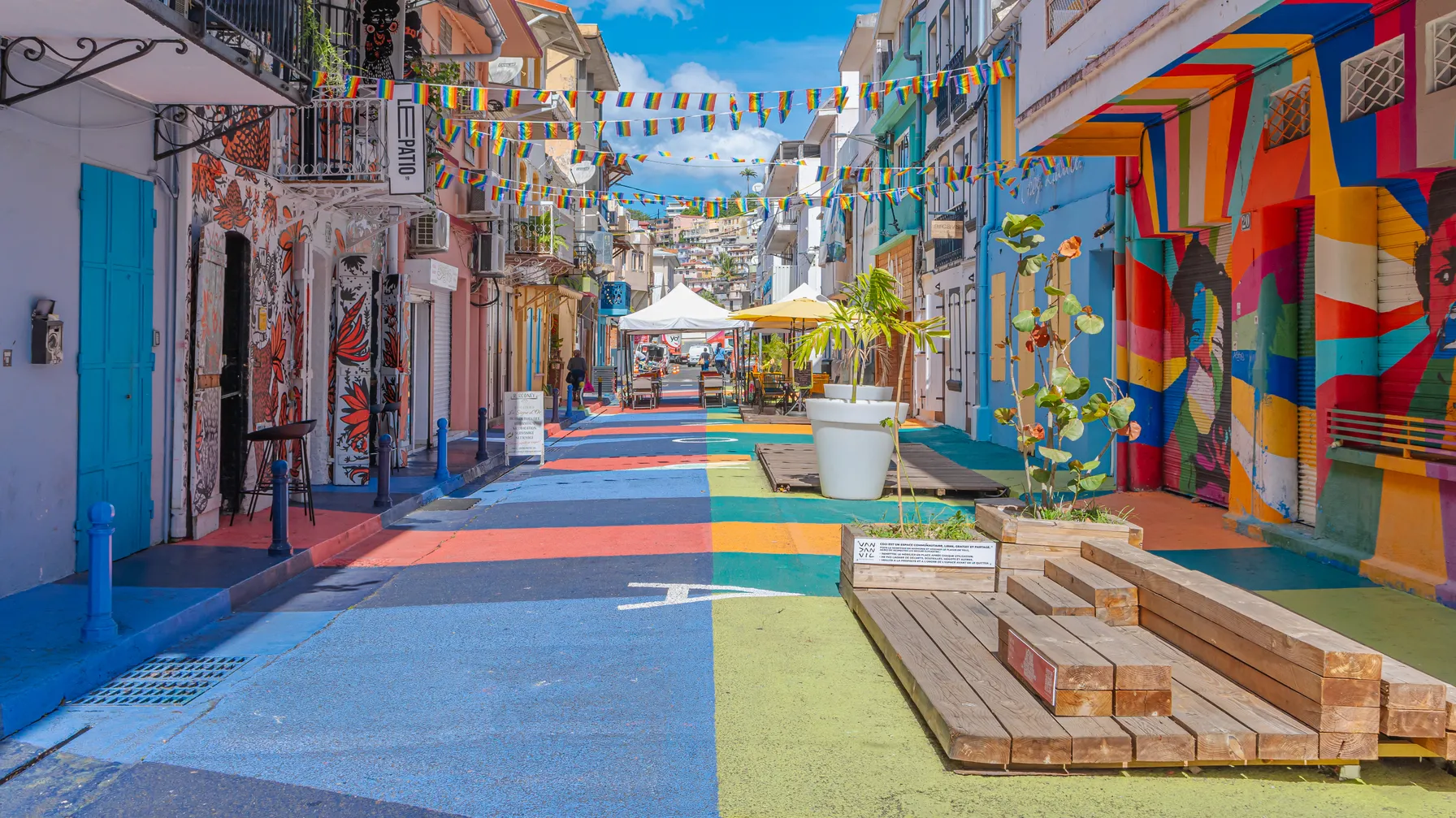
Fort-de-France, the capital with 80,000 inhabitants, concentrates the urban bustle of the island. Its covered market, shopping streets, and lively waterfront offer an immersion into local Martinican life. La Savane, a vast esplanade facing the bay, is the green lung of the city and hosts numerous cultural events.
Your roadtrip in Martinique with Vialala benefits from the expertise of our local Travel Planners who know every corner of the island. They will adapt your itinerary according to your interests, whether you're passionate about diving, fond of hiking, or simply in quest for relaxation on the most beautiful beaches of the Caribbean. This personalized approach guarantees a unique journey, true to you, far from standardized circuits.