Why choose a customized trip to Lithuania?
Lithuania invites you to step off the beaten path to discover one of the lesser-known jewels of Northern Europe. This Baltic country of 65,300 km², nestled between Latvia and Poland, reveals its treasures to those who take the time to explore it with a curious and informed eye.
An authentic destination away from the beaten path
Unlike European capitals saturated with tourists, Lithuania offers an authentic travel experience where you can still feel the true soul of a country. Its 2.8 million inhabitants welcome you with genuine hospitality, especially visible in small towns like Kaunas or the fishing villages of the Baltic Sea.
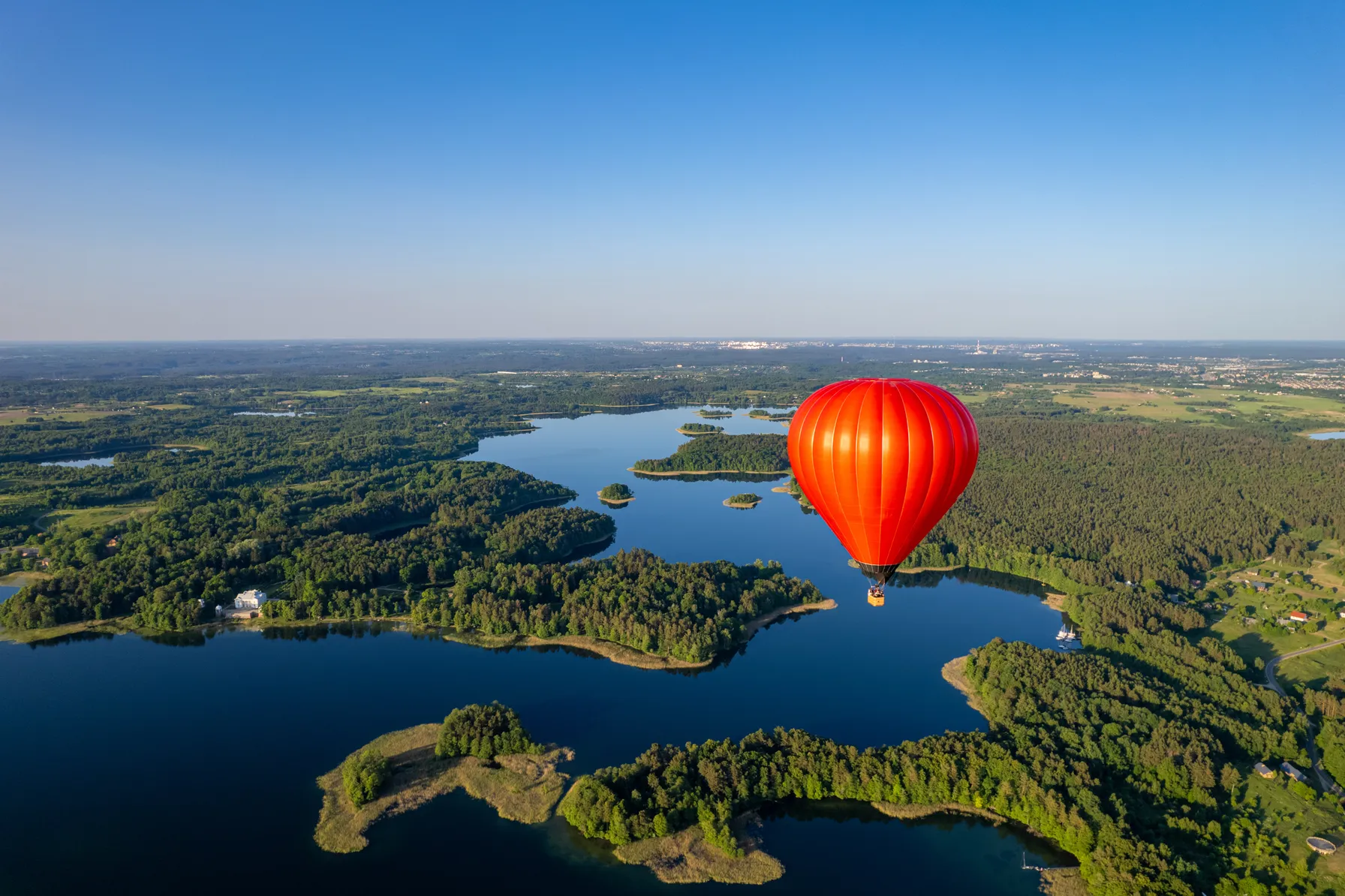
Your journey in Lithuania will take you through surprisingly diverse landscapes: 3,000 glacial lakes dot the territory, while 33% of the country remains covered with dense forests. This preserved nature is home to five national parks, including the Curonian Spit, a UNESCO World Heritage Site since 2000.
The expertise of local Travel Planners
Our Travel Planners in Lithuania possess an intimate knowledge of the terrain that makes all the difference. They guide you to the most striking experiences: watching the sunrise from the Parnidis dune at Nida, tasting cepelinai in a traditional farm in Dzūkija, or sailing on the crystal-clear waters of Lake Galvė to Trakai Castle.
This local expertise allows us to tailor your customized trip in Lithuania according to your interests. History buff? Your Travel Planner will reveal the secrets of Kernavė, the country's first historic capital. Nature enthusiast? He will take you to watch moose in the Aukštaitija National Park or migratory birds on the Ventė Peninsula.
What to discover during your custom stay in Lithuania?
Your custom trip reveals a country with many facets, where each region has its own character and wonders to discover.
Vilnius, the baroque jewel of the Baltic capitals
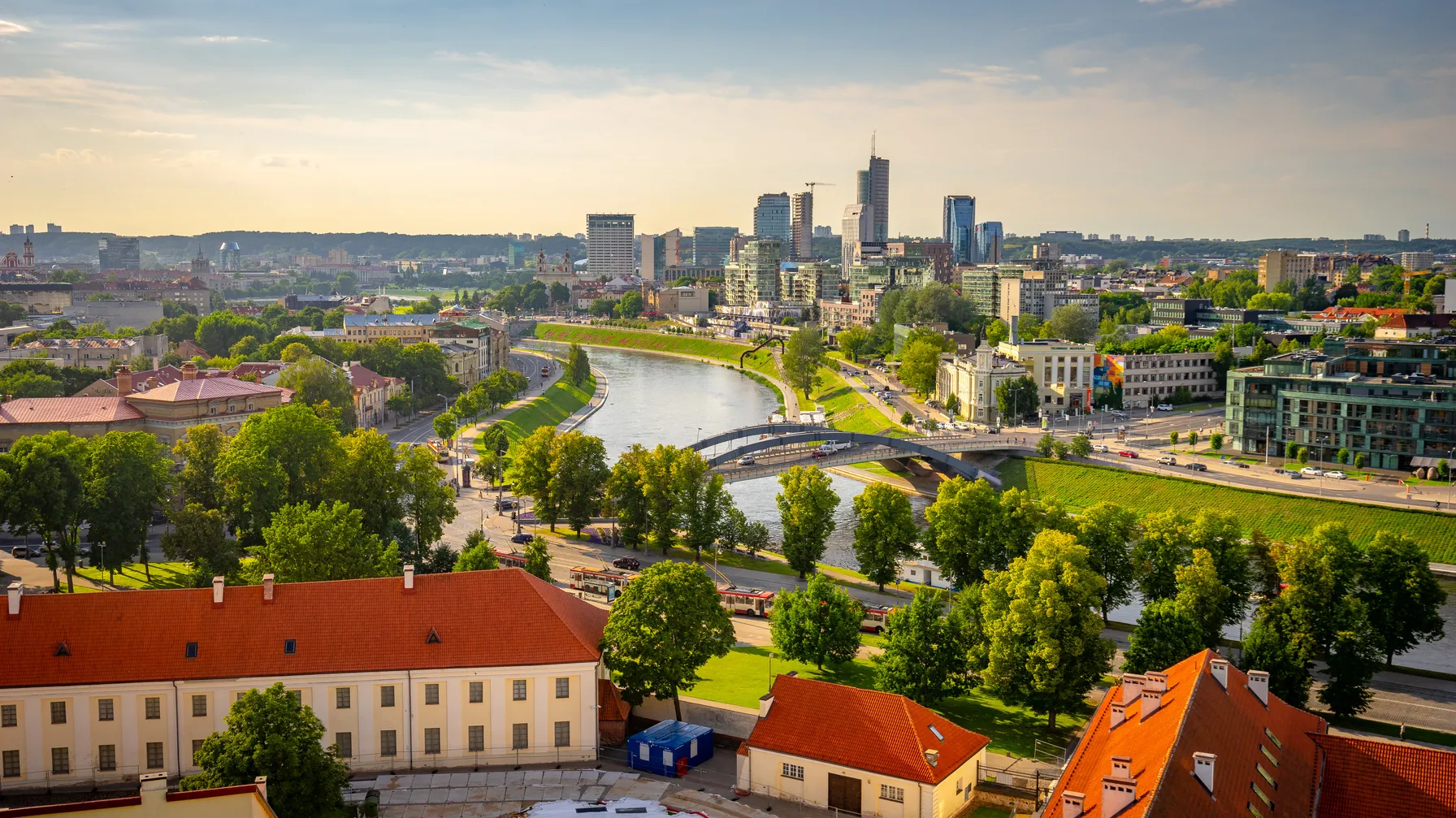
Founded in 1323, Vilnius houses the largest baroque historical center in Eastern Europe. Its 361 hectares listed by UNESCO unveil a labyrinth of cobbled streets lined with 65 churches and chapels. The Church of St. Anne, a Gothic masterpiece from the 15th century, fascinated Napoleon who wished he could carry it in his palm back to Paris.
The bohemian quarter of Užupis, self-declared independent republic in 1998, embodies the contemporary creative spirit of the capital. Its 7,000 inhabitants have even elected a president and drafted a constitution engraved on multilingual plaques. This artistic micro-nation organizes its national holiday every April 1st, a unique blend of street art and avant-garde performances.
From the Gediminas Tower, a remnant of the 14th-century castle, your gaze embraces the entire city and its green surroundings. This perspective reveals why Vilnius remains one of the greenest European capitals, with 43% green spaces within its urban boundaries.
The Curonian Spit and the Baltic Sea
The Curonian Spit stretches for 98 kilometers between Klaipėda and Kaliningrad, forming a natural barrier between the Baltic Sea and the Curonian Lagoon. This narrow sandspit, only 400 meters wide at some points, is home to shifting dunes that can reach up to 60 meters in height.
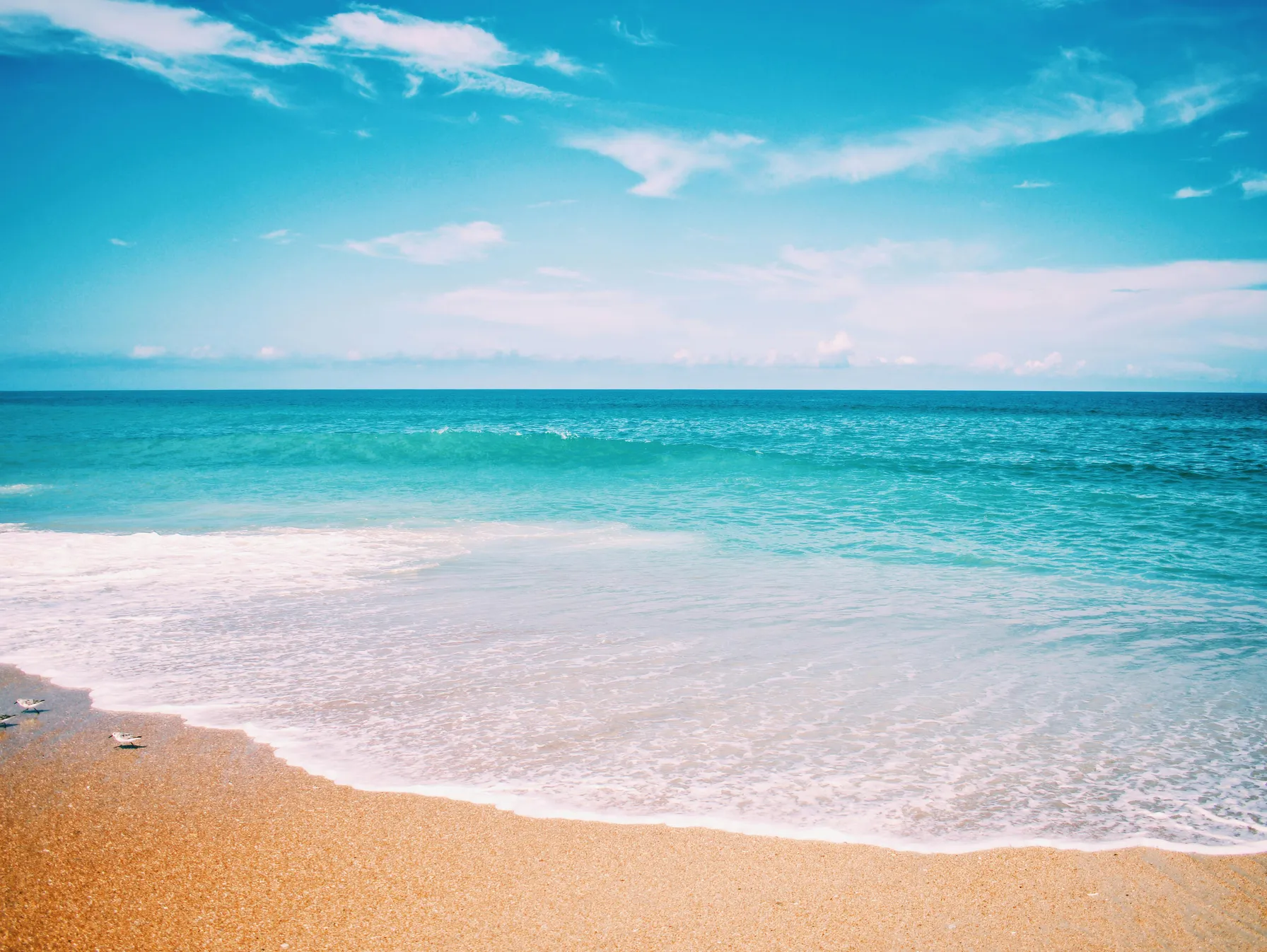
Nida, the gem of this spit, charms with its colorful fishermen's houses and traditional carved weathervanes. Thomas Mann had a summer residence here from 1930 to 1932, now transformed into a museum. The Parnidis Dune offers an exceptional panorama of this "Northern Sahara," where fine sand contrasts with dune vegetation and the turquoise waters of the Baltic.
Klaipėda, the country's third-largest city with 150,000 inhabitants, retains its Hanseatic port charm. Its city center with half-timbered houses reflects German influence, while its modern port handles 90% of Lithuanian maritime traffic.
Castles and historical sites
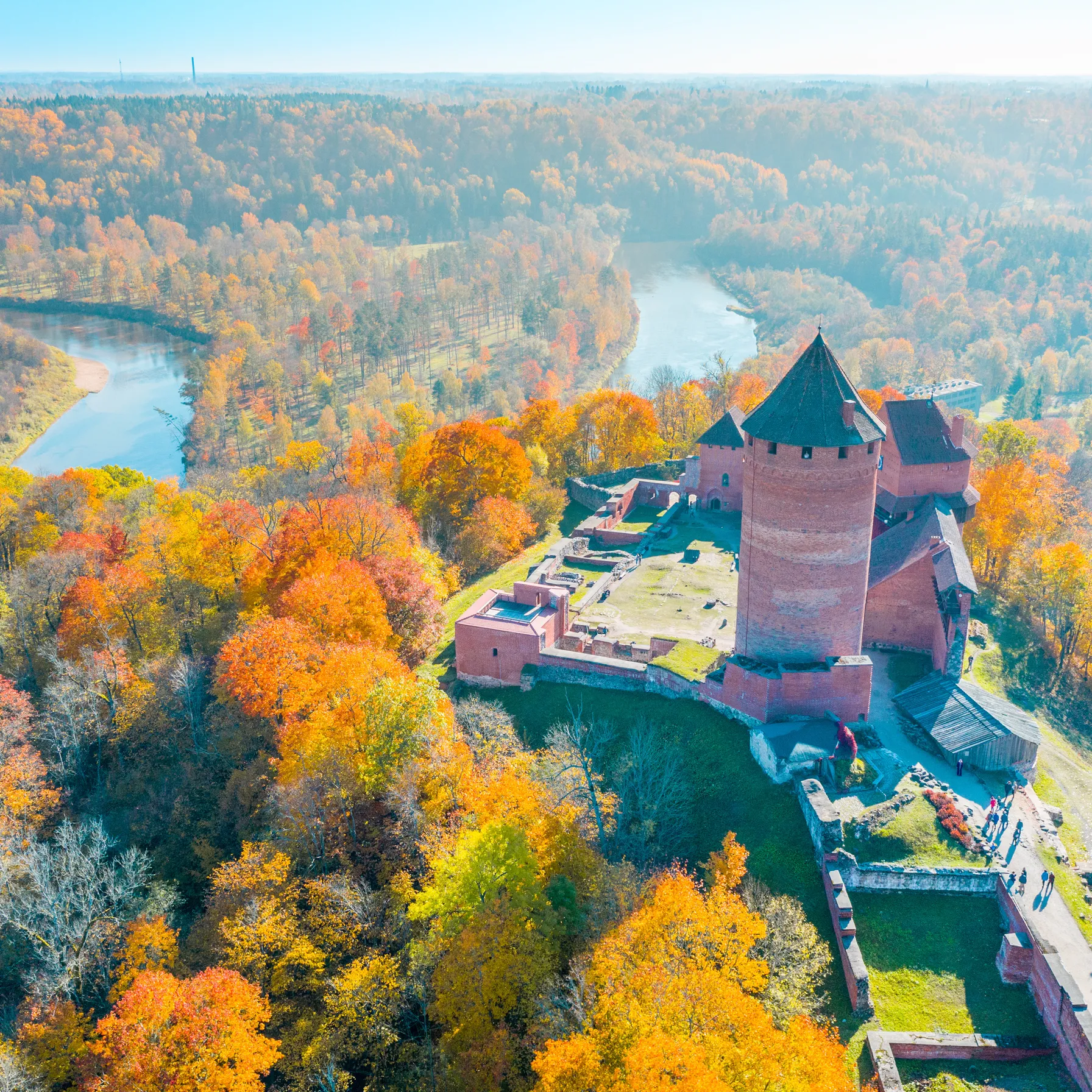
Trakai Castle, built in the 14th century on Lake Galve's island, remains one of the most photographed monuments of the Baltic states. This red brick Gothic fortress, restored in the 1960s, now houses a museum recounting the history of the Grand Duchy of Lithuania, which once stretched from the Baltic to the Black Sea.
Kaunas, the former temporary capital (1919-1940), reveals an exceptional architectural heritage. Its medieval old town is adjacent to a modern district with Art Deco influences. The unique Devil's Museum in the world gathers over 3,000 representations of devils collected from all over the world.
How to organize your trip to Lithuania with Vialala?
Vialala turns your dream of traveling to Lithuania into reality with a unique collaborative approach that places your desires at the heart of creating your itinerary.
Customization according to your desires
Your custom trip begins with an in-depth exchange with our Travel Planners. Do you prefer cultural discovery of the Baltic capitals or a nature immersion in the national parks? Are you traveling in a small family group or looking for a romantic getaway for your honeymoon?
Our experts tailor each element of your stay: charming accommodations in historic manors, gastronomic experiences with local producers, activities depending on the season. In the winter, they organize dog sled rides or ice fishing sessions. Summer reveals other pleasures: sailing on the lakes, hiking in the peat bogs, traditional music festivals.
This customization extends to means of transport. Some travelers enjoy the freedom of a road trip by rental car, while others prefer the authentic charm of Lithuanian regional trains. For slow travel enthusiasts, our Travel Planners offer bike tours along national cycling trails, including EuroVelo 10 route along the Baltic coast.
Support from our experts
Our Travel Planners accompany you far beyond mere booking. They share their secret spots: that small artisan brewery in Vilnius where locals gather, the Soviet antiques market in Kaunas, or that confidential viewpoint over the Nida dunes.
Their knowledge of the territory optimizes your time on the spot. They know to plan 3 hours to visit Trakai Castle serenely, that museums close early on Sundays, or that some traditional restaurants open only in the evening. These practical details, invisible but essential, guarantee the smooth flow of your trip.
In case of any unforeseen events, our local agencies remain available to adjust your program. Capricious weather? They propose exciting indoor alternatives. Sudden desire to extend your stay? They negotiate the best conditions with their trusted partners.
When to go and how long to plan?
The choice of your travel period greatly influences your Lithuanian experience. Each season reveals different facets of this country with contrasting climates.
| Season |
Temperature |
Benefits |
Recommended activities |
| Spring (April-May) |
8-18°C |
Nature awakening, attractive prices |
Bird watching, Easter festivals |
| Summer (June-August) |
15-25°C |
Long days, sea accessible |
Beaches, hiking, cultural festivals |
| Autumn (September-October) |
5-15°C |
Autumnal colors, fewer tourists |
Mushroom picking, photography |
| Winter (December-February) |
-5 to 2°C |
Snowy landscapes, Christmas markets |
Winter sports, traditional saunas |
Summer remains the favored period for a first trip to Lithuania. The mild temperatures allow you to fully enjoy the Baltic coast, while the days stretch up to 17 hours of light in June. This season coincides with numerous festivals: the Vilnius Music Festival in June, the White Nights of Kaunas in July.
For your custom stay in Lithuania, plan at least 7 days to discover the essentials: Vilnius, Trakai, and the Curonian Spit. A journey of 10 to 14 days allows you to deepen your discovery by including Kaunas, national parks, and a few days of relaxation on the coast. Fans of freer travel may consider a 3-week circuit combining Lithuania with its Latvian and Estonian neighbors.