Why choose Rome for a city trip?<\/h2>\n\n
\n It is hard to stay indifferent to Rome. The Eternal City accumulates nearly 2,800 years of history, neighborhoods with distinct characters and a gastronomy that can be savored at every street corner. Visiting Rome means traversing millennia in a few steps, moving from vestiges of the Roman Empire to Renaissance palaces, then lingering on a baroque square lively until the end of the night. This cultural and architectural density makes it one of the most popular destinations in Europe for a city trip, and it's no accident.\n
\n\n
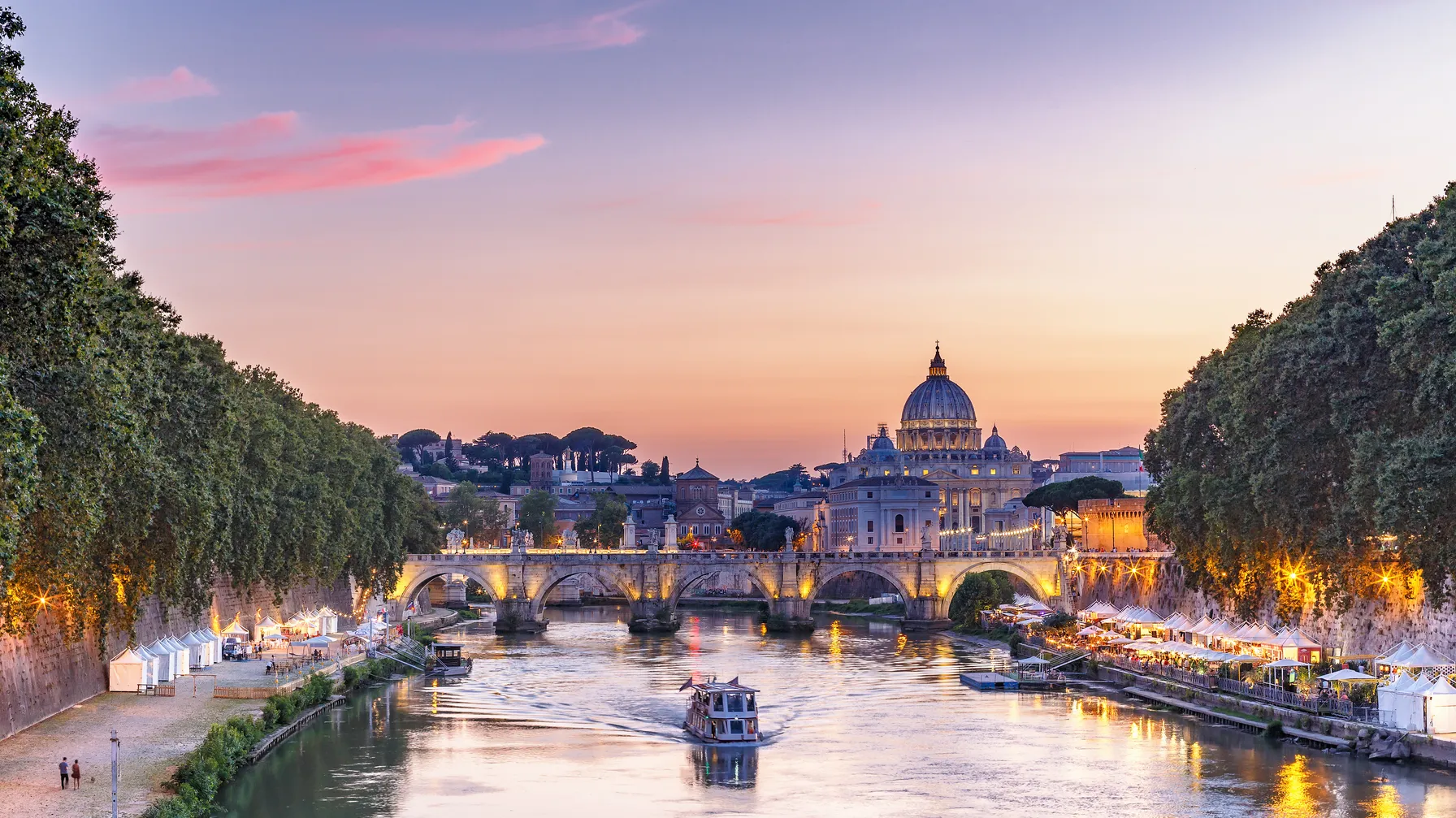
\n Beyond the monuments, it's the atmosphere that seduces. The dolce vita is not a myth: it is lived in a strong coffee at the counter in the morning, in a aimless stroll along the Tiber, or in a late dinner in a trattoria in Trastevere. Rome lends itself well to a romantic stay as a couple as to a getaway with friends or family.\n
\n\n
To choose the right moment, here is an overview of the periods according to your desires :
\n\n
\n \n \n | Period | \n Weather | \n Crowds | \n Ideal for | \n
\n \n \n \n | January – February | \n Cool (5-10°C) | \n Low | \n Budget, uncrowded visits | \n
\n \n | March – May | \n Mild (15-22°C) | \n Moderate | \n Walks, outdoor sites | \n
\n \n | June – August | \n Hot (28-35°C) | \n Very crowded | \n Evenings, terraces | \n
\n \n | September – October | \n Pleasant (18-25°C) | \n Moderate | \n Ideal for any type of stay | \n
\n \n | November – December | \n Cool (8-14°C) | \n Low | \n Markets, festive ambience | \n
\n \n
\n\n
\n September and October remain the most balanced months for a city trip to Rome: pleasant temperatures, golden light and crowds more reasonable than in peak summer.\n
\n\n
What to see and do during a stay in Rome ?
\n\n
\n Rome is not limited to a list of monuments to check off. Each site tells a story, each neighborhood has its own identity. To fully enjoy your stay in Rome, it is useful to distinguish the absolute musts from the more confidential experiences, often just as memorable.\n
\n\n
Historical sites not to miss
\n\n
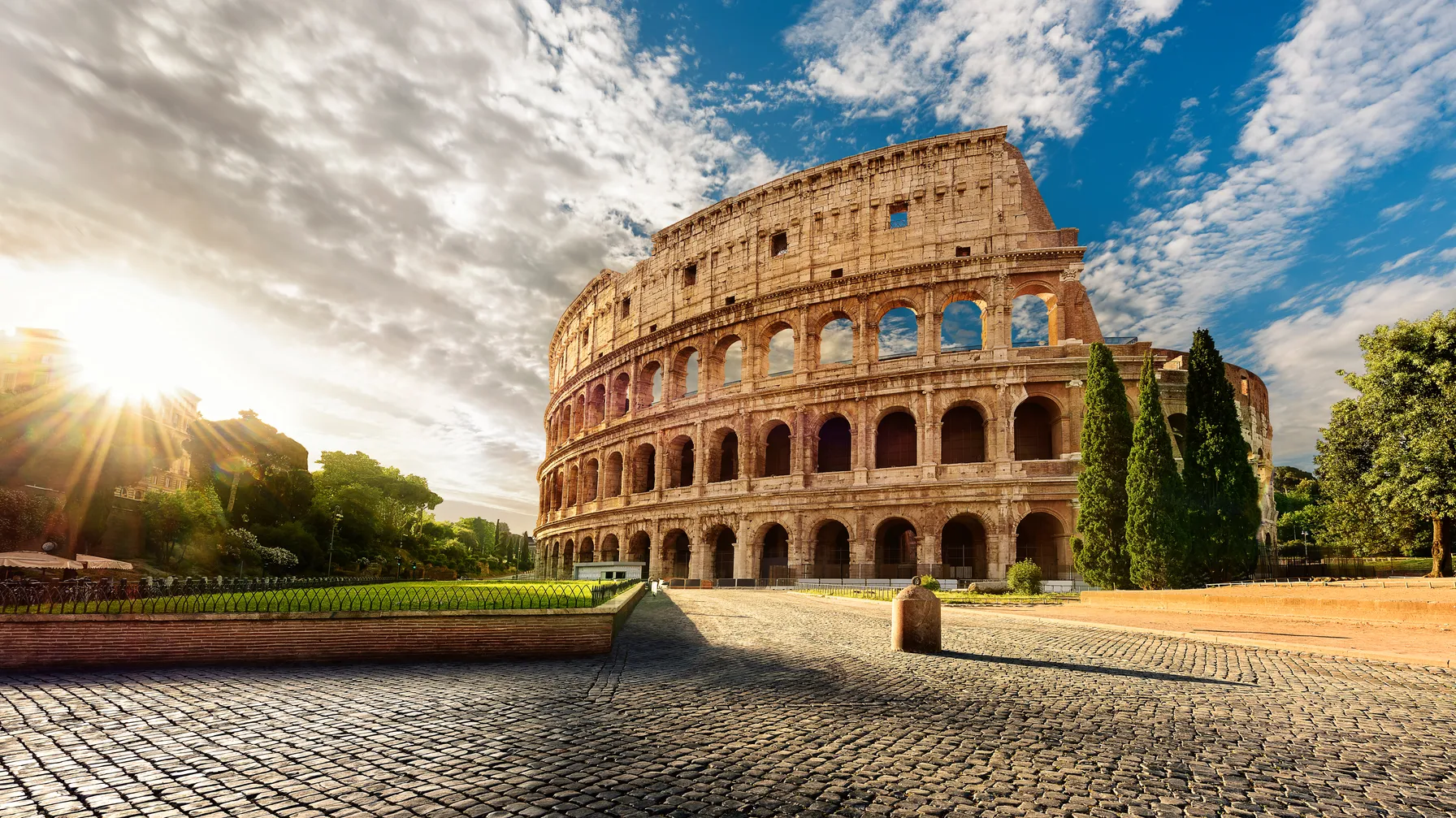
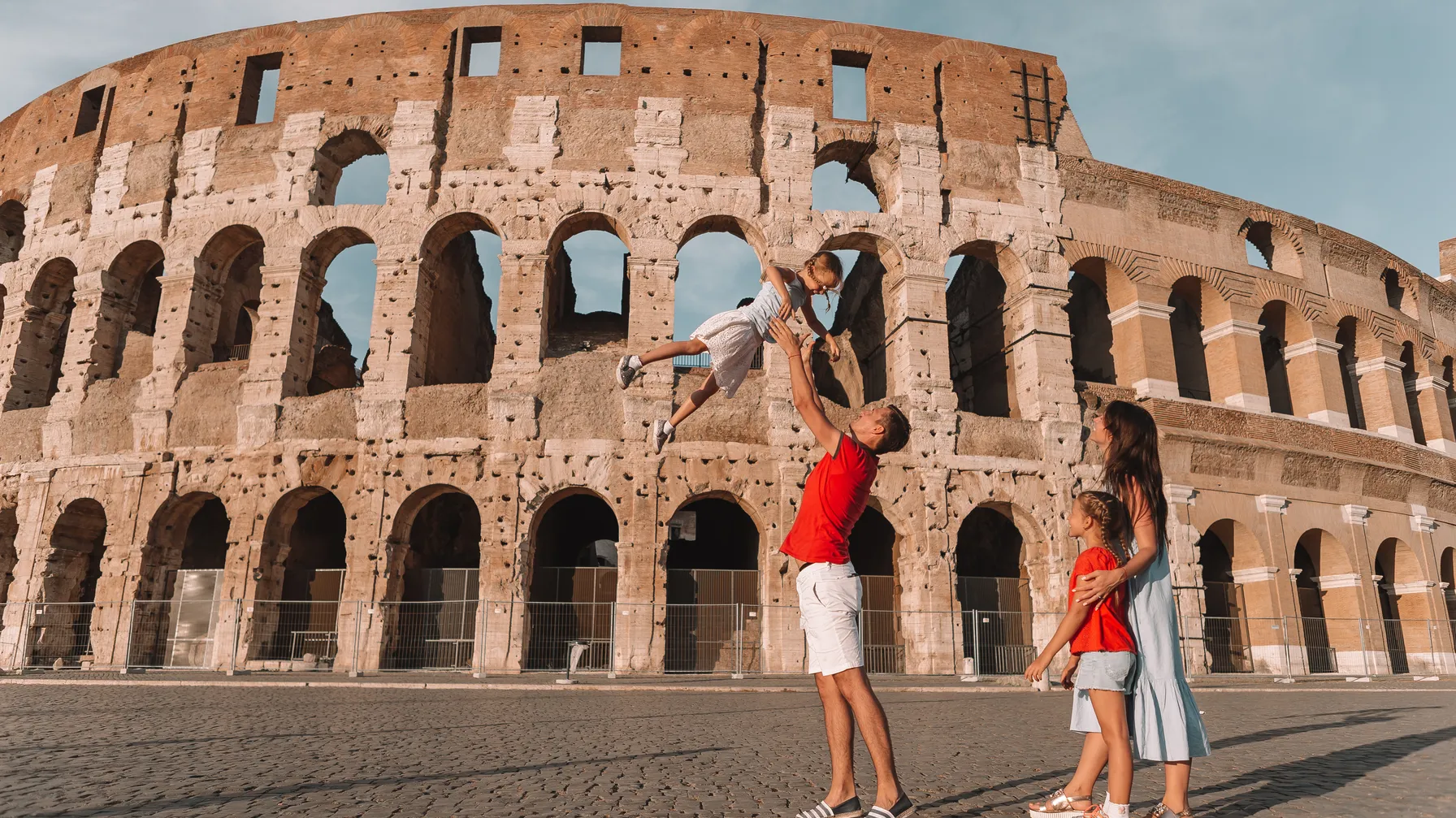
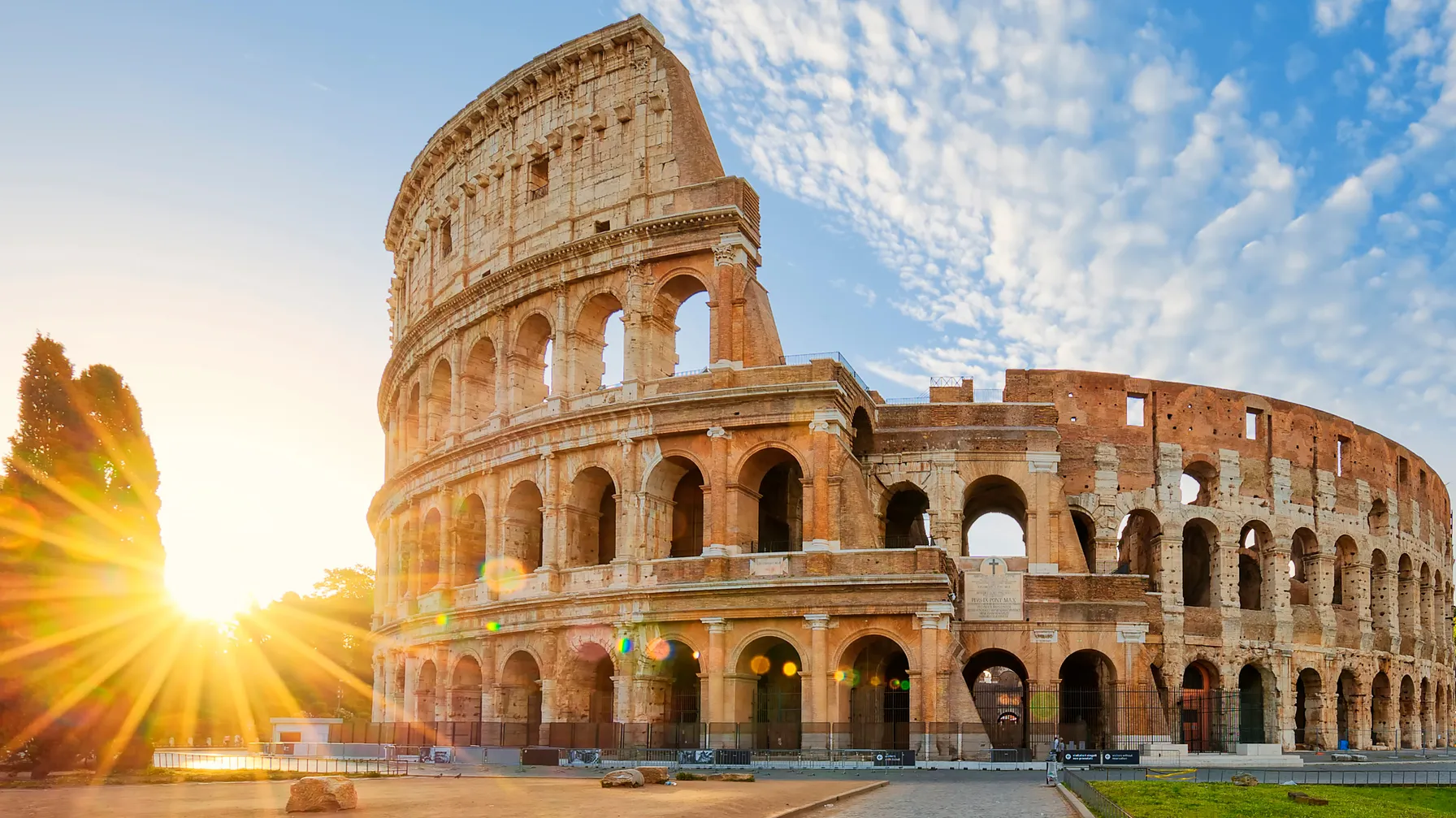
\n The Colosseum stands as the symbol of the Italian capital. Built in the 1st century AD, this amphitheatre could accommodate up to 80,000 spectators. A few steps away, the Roman Forum and the Palatine Hill offer a striking plunge into ancient Rome, with ruins that testify to the power of the Roman Empire at its height. Plan at least 3 to 4 hours to explore the entire site.\n
\n\n
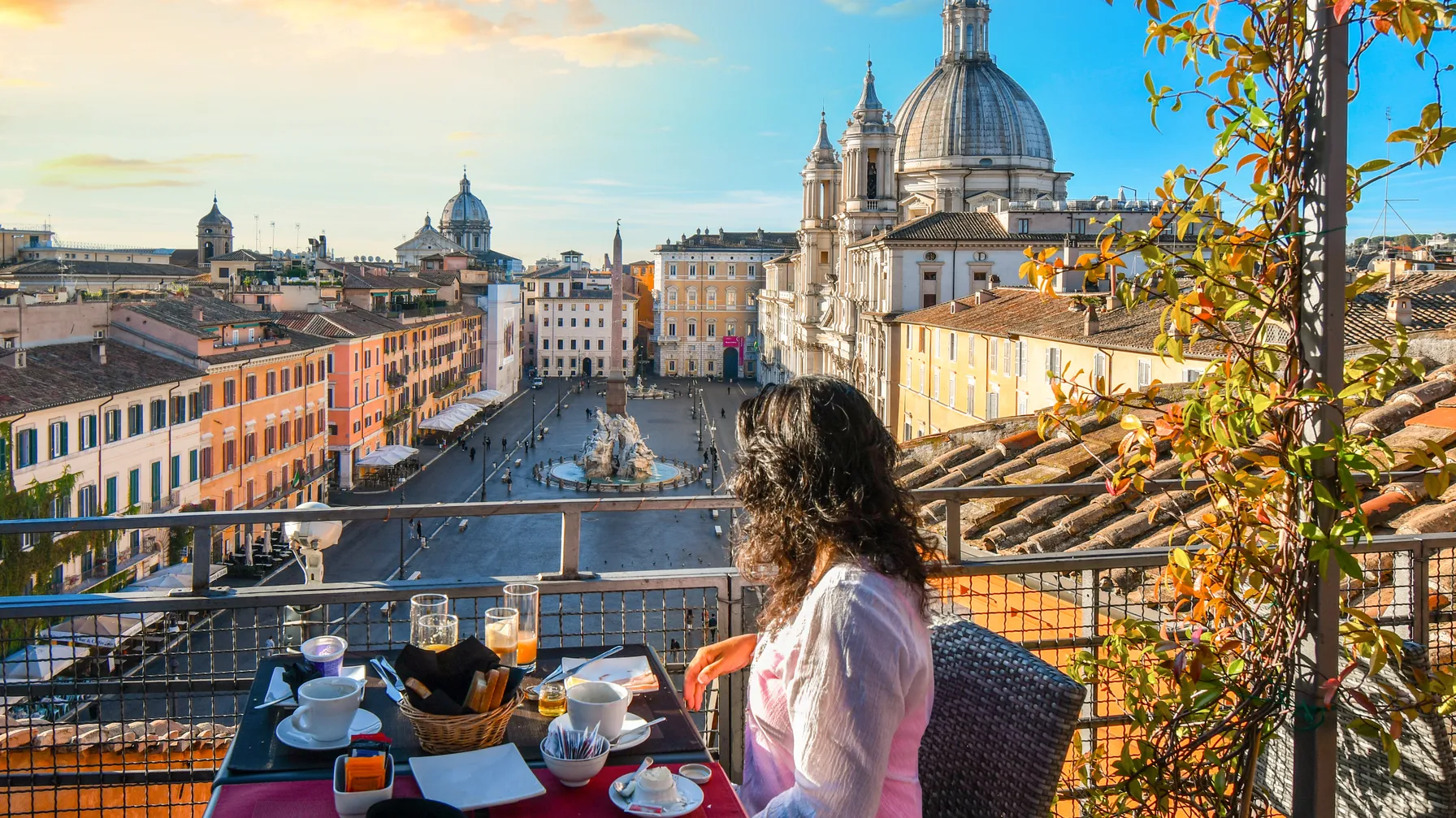
\n The Pantheon, built in the 2nd century, is considered the best-preserved ancient monument in the world. Its dome of 43.3 meters in diameter remains an architectural feat that continues to impress today. Not far from there, Piazza Navona unfolds its Baroque fountains in a lively setting, ideal for a coffee on a terrace.\n
\n\n
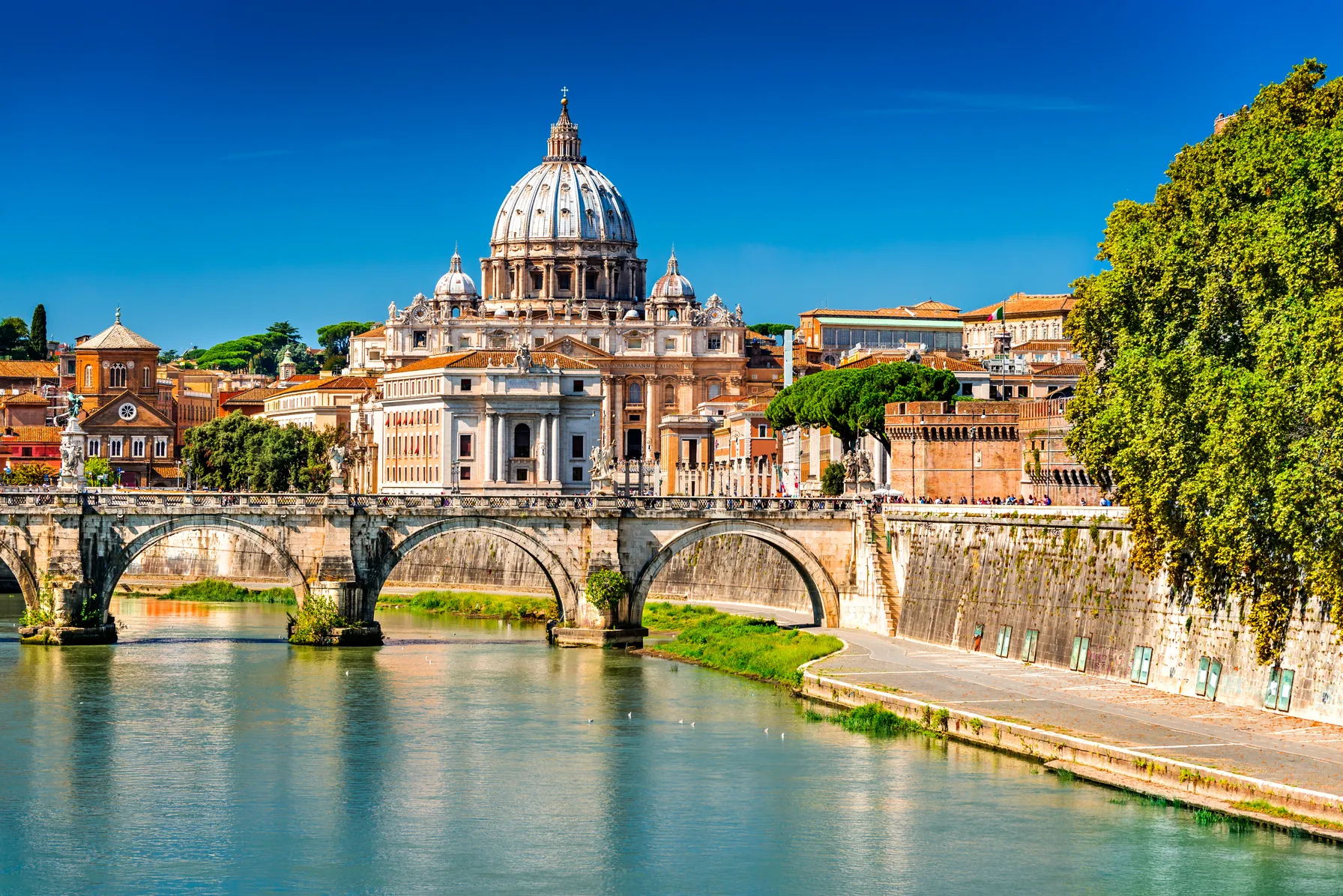
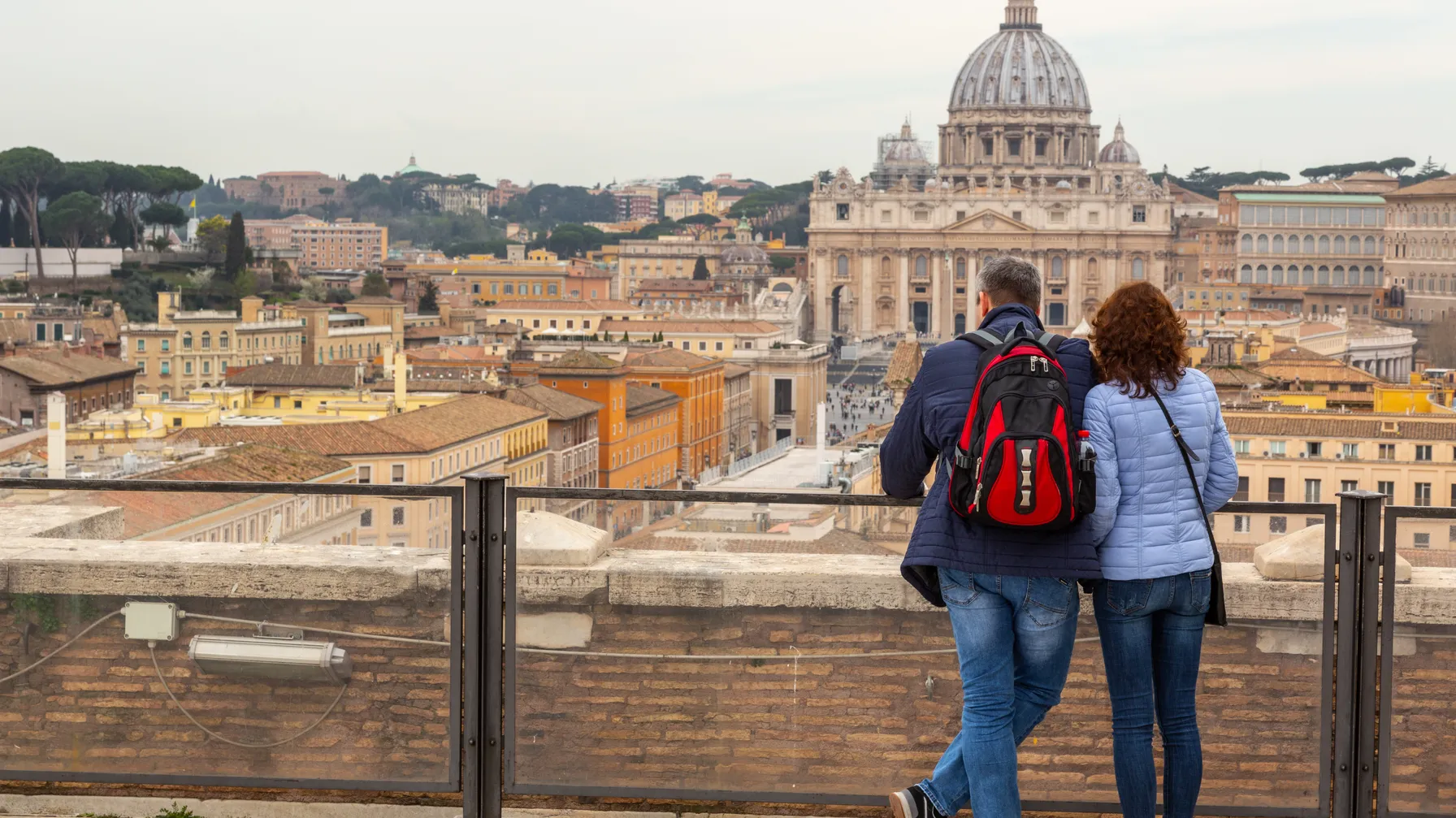
\n The Vatican City deserves half a day on its own. Between St. Peter's Basilica, whose dome rises to 136 meters, the Vatican Museums and the Sistine Chapel adorned with Michelangelo's frescoes, it is one of the richest heritage complexes in the world. Booking your tickets in advance is strongly advised to avoid queues that can exceed two hours.\n
\n\n
\n Finally, the Trevi Fountain remains a must-see. At 26 meters high, this 18th-century Baroque fountain is the largest in Rome. The tradition holds that by throwing a coin over your shoulder, you are assured of returning to the Eternal City.\n
\n\n
The districts and experiences to discover
\n\n
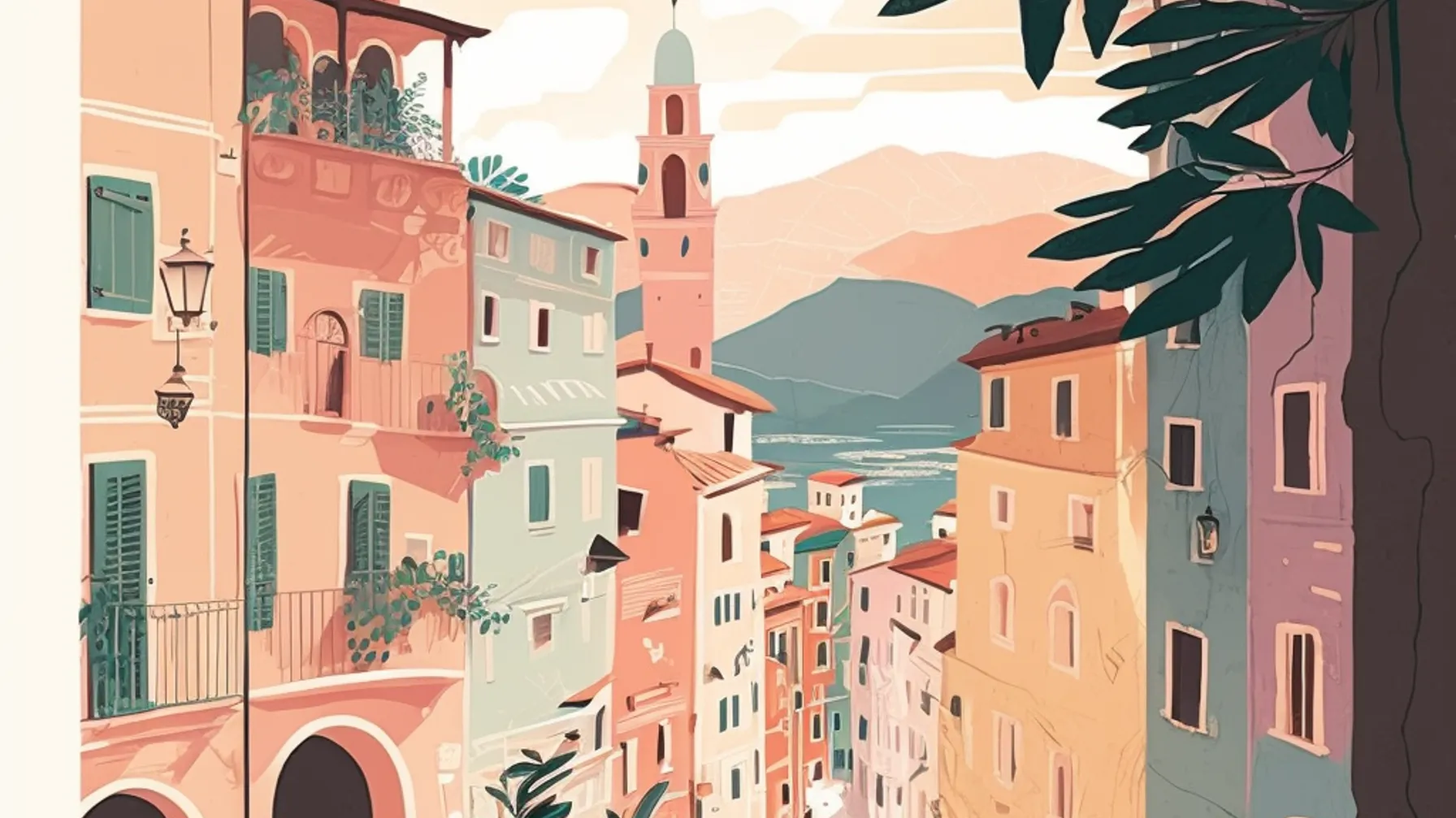
\n Beyond the major sites, Rome also reveals itself in its neighborhoods. Trastevere, with its cobbled streets and ochre facades, is the city's popular heart. This is where Romans gather in the evening for the aperitivo, in a relaxed and authentic atmosphere.\n
\n\n
\n The Spanish Steps and its 135 steps constitute one of the city's must-see spots, especially in late afternoon when the light is particularly beautiful. Nearby, Villa Borghese offers a large green space of 80 hectares in the very heart of Rome, ideal for taking a break between two visits. The gallery of the same name houses one of Italy's finest private art collections, with works by Bernini and Caravaggio.\n
\n\n
\n For a more unexpected experience, the Roman catacombs or the Baths of Caracalla, dating from the 3rd century, allow you to escape the busiest routes and explore a Rome less visible but just as fascinating.\n
\n\n
How to plan your city trip to Rome with Vialala ?
\n\n
\n A weekend in Rome may seem short given the richness of the city, but with good planning, it allows you to experience highlight moments and leave with the desire to return. It all depends on your priorities: ancient history, Renaissance art, gastronomy, shopping in the Via Condotti district... Rome adapts to all traveler profiles.\n
\n\n
\n This is precisely where Vialala's expertise comes in. Our Travel Planners know Rome in exquisite detail and build with you a stay that looks like you. No fixed program, no standard itinerary: every city trip to Rome is designed according to your wishes, your pace and your interests.\n
\n\n
Here's what our Travel Planners can organize for you :
\n\n
\n - The selection of a ideally located accommodation according to your preferred neighborhood ;
\n - Private or small-group tours for the Sistine Chapel, the Colosseum or the Vatican Museums ;
\n - Local restaurant addresses, away from tourist traps ;
\n - Custom experiences such as a Vespa ride, a Roman cooking class or a sunrise tour ;
\n - A day-by-day program adjustable according to your on-site desires.
\n
\n\n
\n A short 3 to 4 day trip is generally enough to cover the must-see while taking time to stroll. For travelers who want to go further, it is possible to extend the stay with a trip to Tivoli, Ostia Antica or the Castelli Romani, less than an hour from the Italian capital.\n
\n\n
\n With Vialala, visiting Rome becomes a personalized experience, thought out in the smallest details so you can fully enjoy every moment.\n