Why choose a tour in Botswana for your African safari?
Botswana stands out as one of the most coveted safari destinations in Southern Africa, and for good reason. This landlocked country covers 582,000 square kilometers, slightly larger than France, and hosts some of the most preserved ecosystems on the continent. Unlike its neighbors like South Africa or Kenya, Botswana has opted for quality over quantity in tourism, deliberately limiting the number of visitors to preserve its exceptional natural spaces.
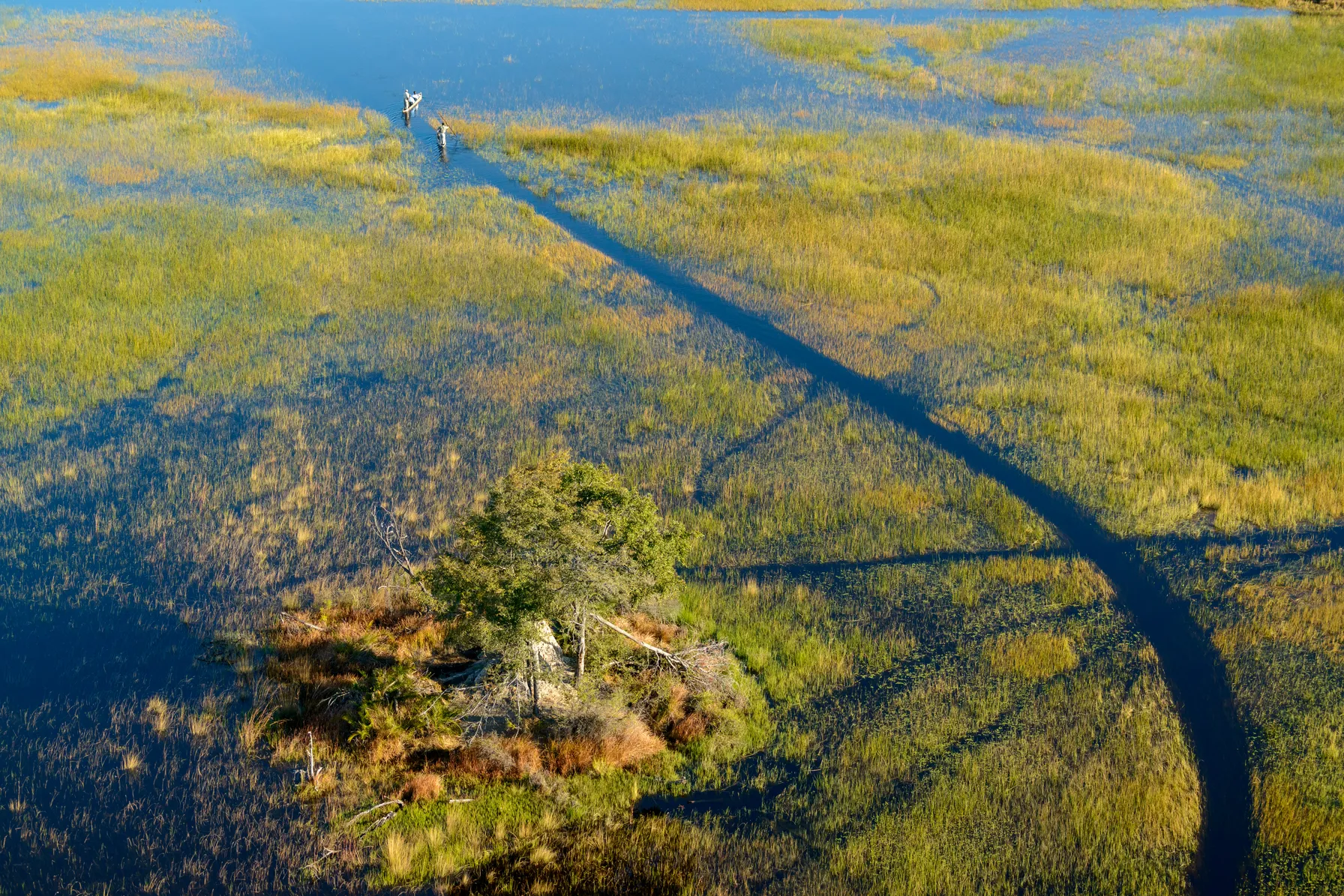
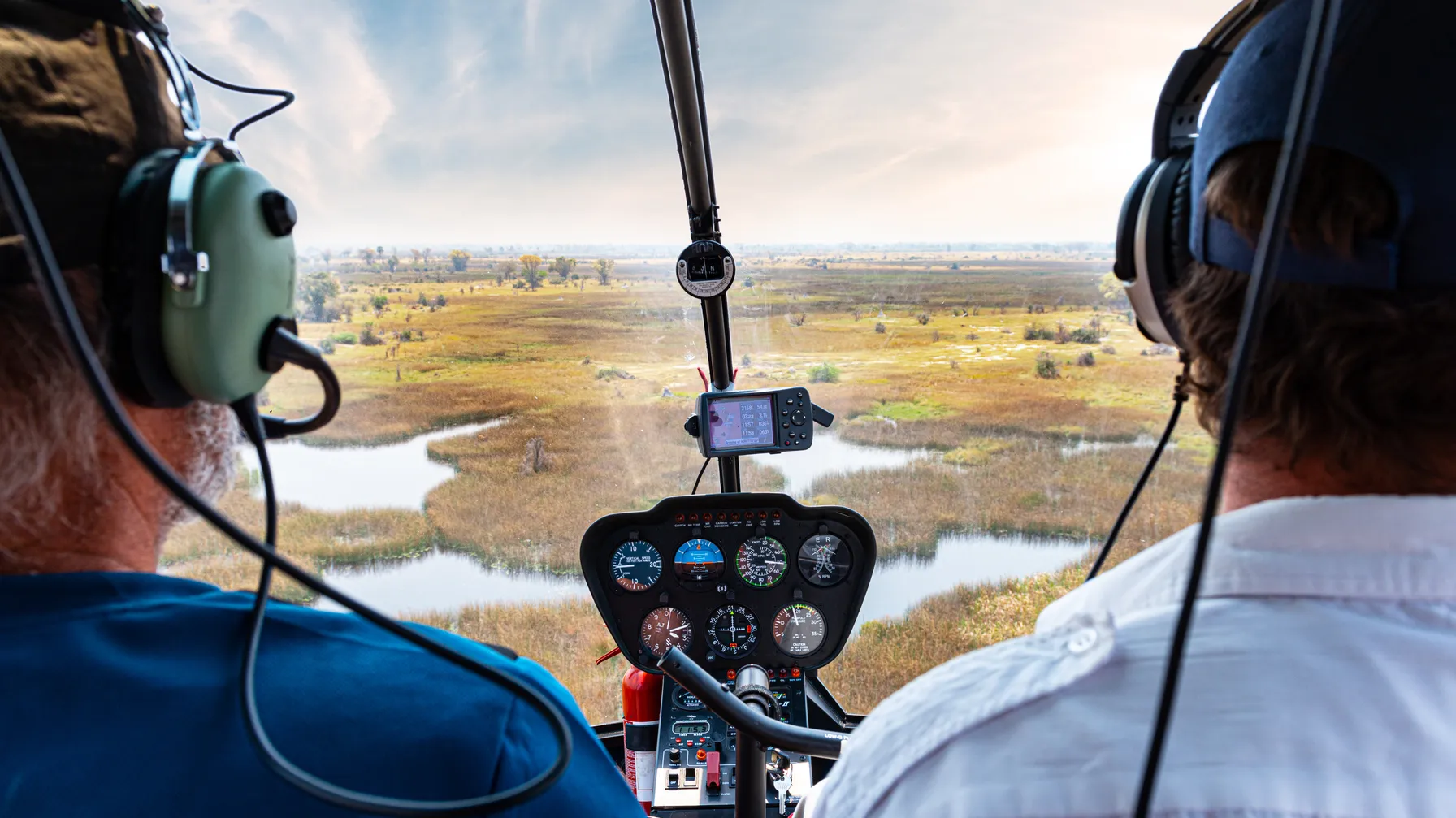
Your tour in Botswana will take you to the heart of strikingly diverse landscapes. Imagine navigating in a traditional mokoro through the meanders of the Okavango Delta, then watching herds of elephants along the Chobe River, before contemplating the vastness of the Kalahari Desert. This unique geographical variety makes Botswana an incomparable destination for lovers of wild nature.
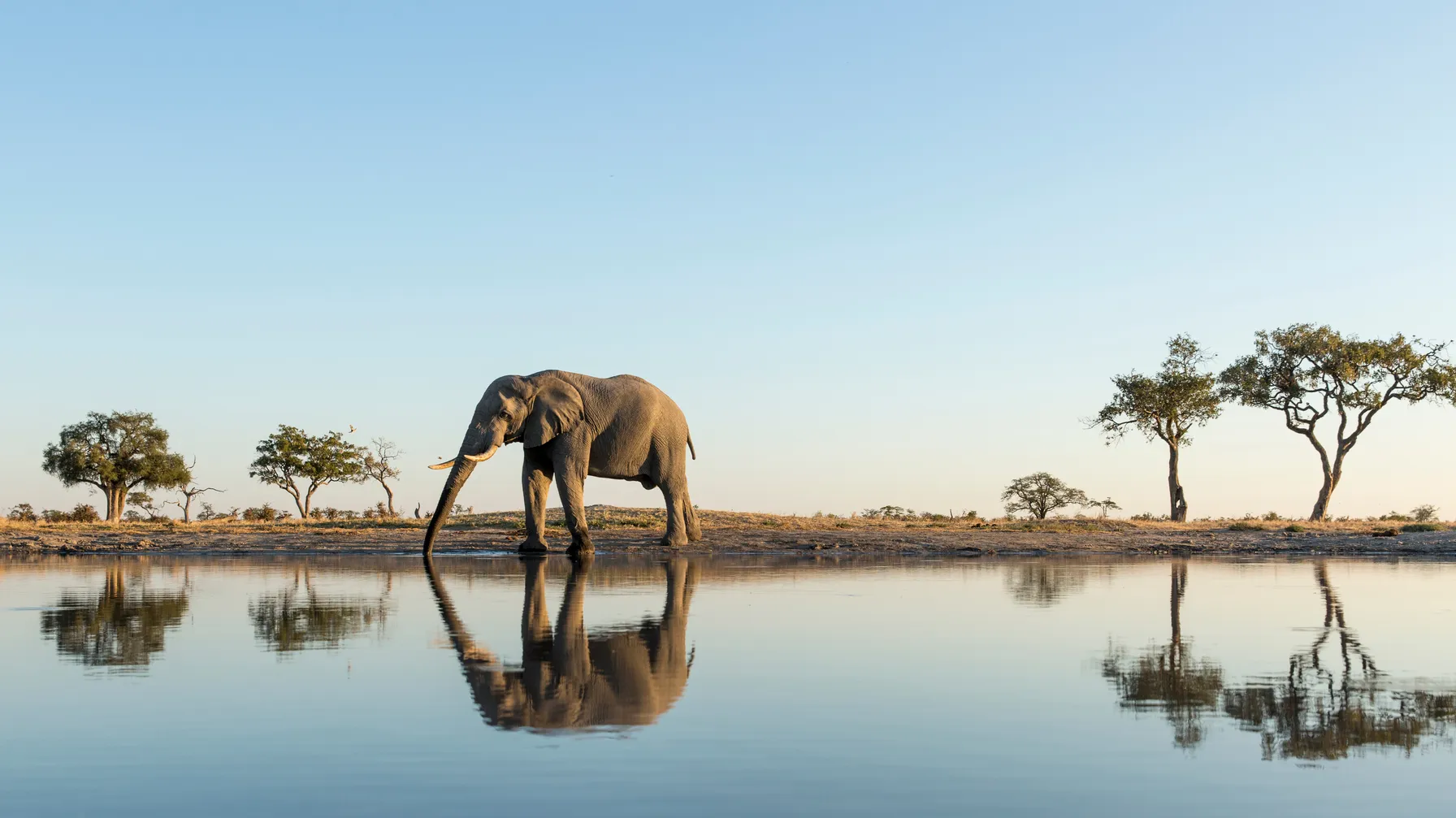
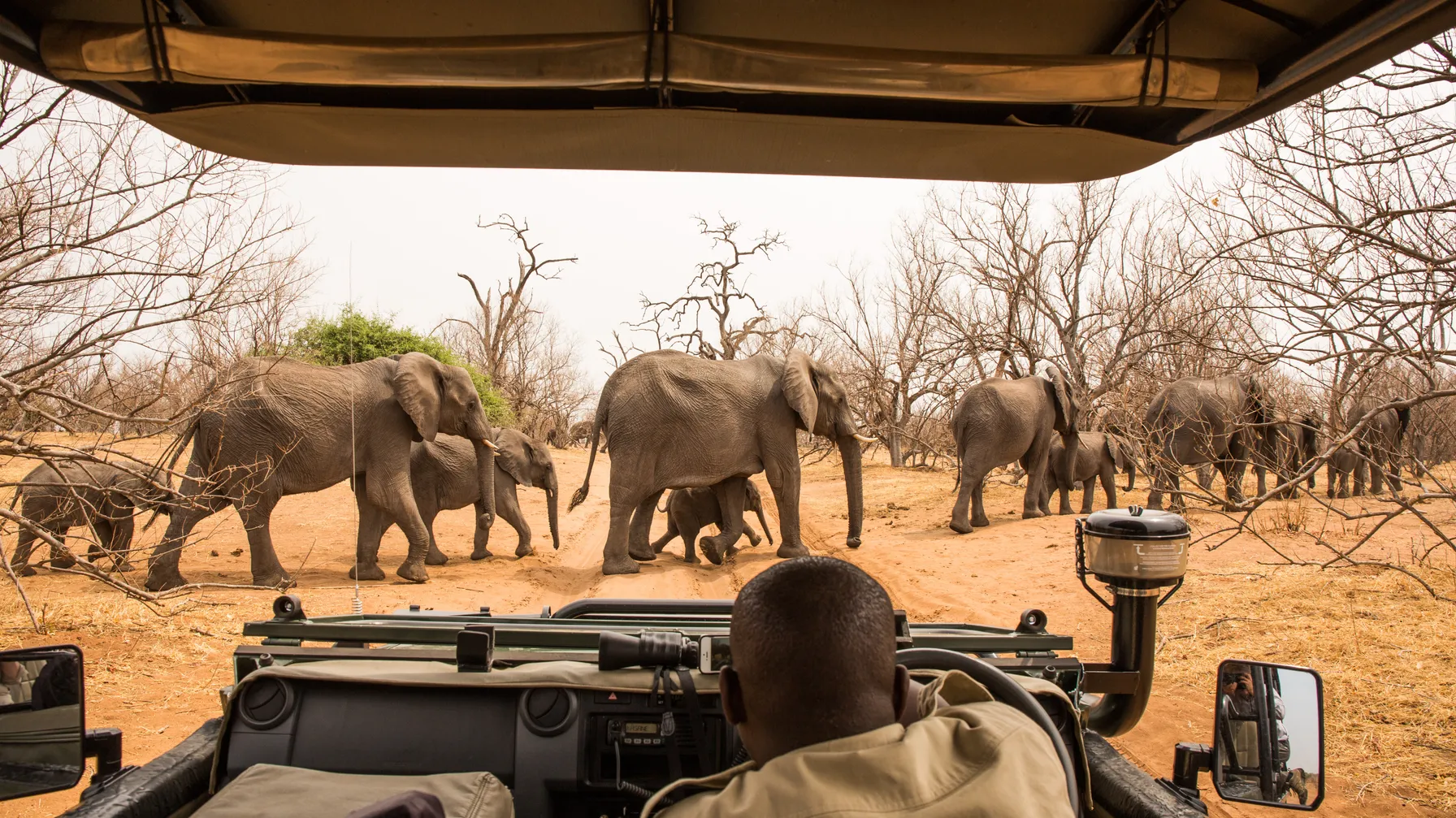
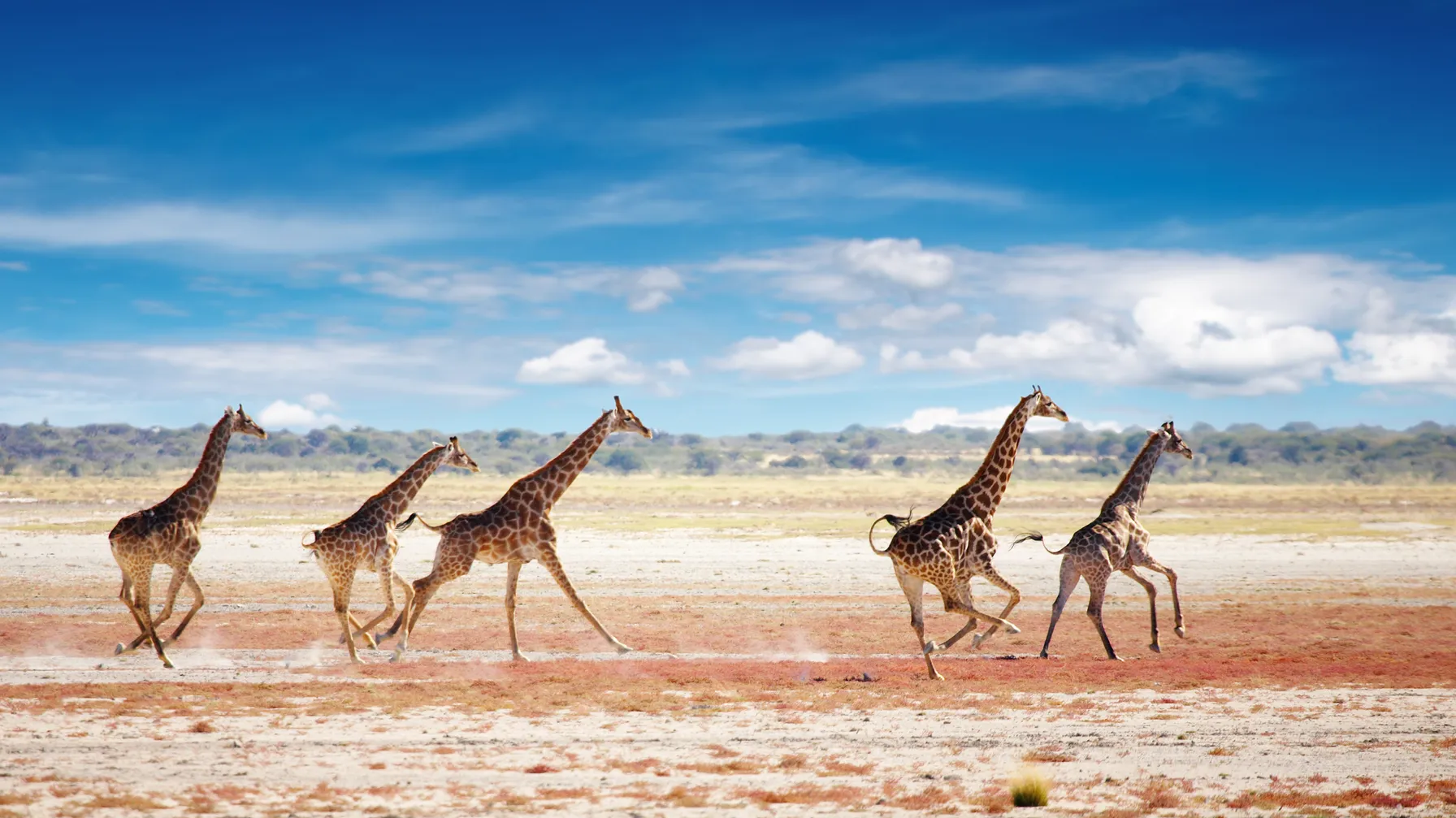
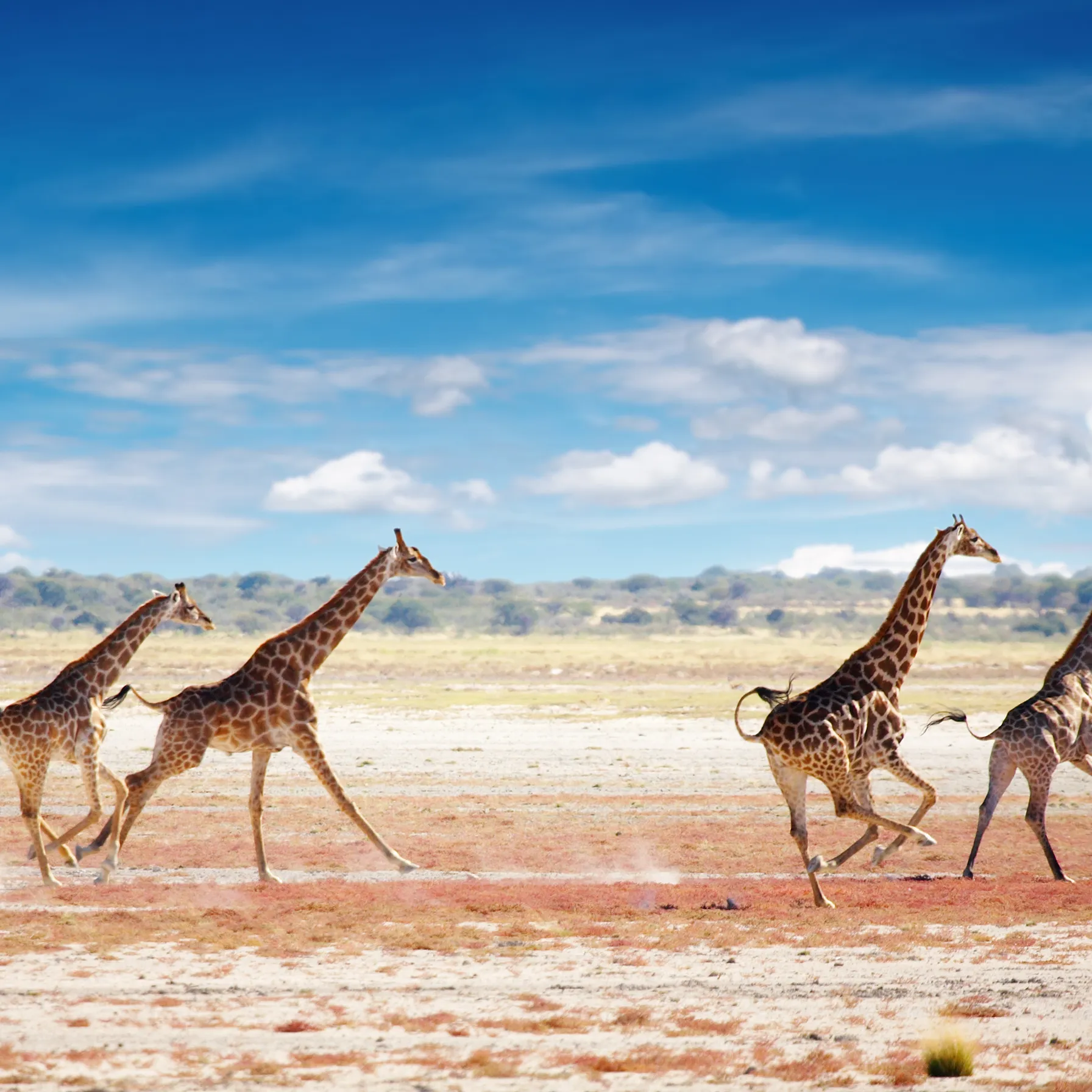
The country is home to more than 130,000 elephants, which is the largest population in the world, mainly located in the north of the territory. Animal densities there reach exceptional levels, particularly during the dry season from May to October, when animals gather around permanent water points. This period also corresponds to the best conditions for traveling the tracks in 4x4 and fully enjoying your safari.
Botswana's commitment to conservation translates into concrete results: more than 40% of the national territory is protected, including national parks, wildlife reserves, and private concessions. This exemplary environmental policy ensures authentic wildlife encounters, far from the tourist crowds you might encounter in other African destinations.
The highlights of a tour in Botswana
Your journey in Botswana reveals unique natural treasures, each offering distinct and complementary experiences. From the crystal clear waters of the delta to the arid expanse of the Kalahari, each region unveils its own wonders.
The Okavango Delta and Moremi National Park
The Okavango Delta is undoubtedly the jewel of Botswana. This unique geological phenomenon covers 15,000 square kilometers and forms the largest inland delta on the planet. Listed as a UNESCO Worl...<|vq_13017|>