Surfing in Moorea: complete guide to the best spots on the sister island
Why is Moorea an essential surf destination?
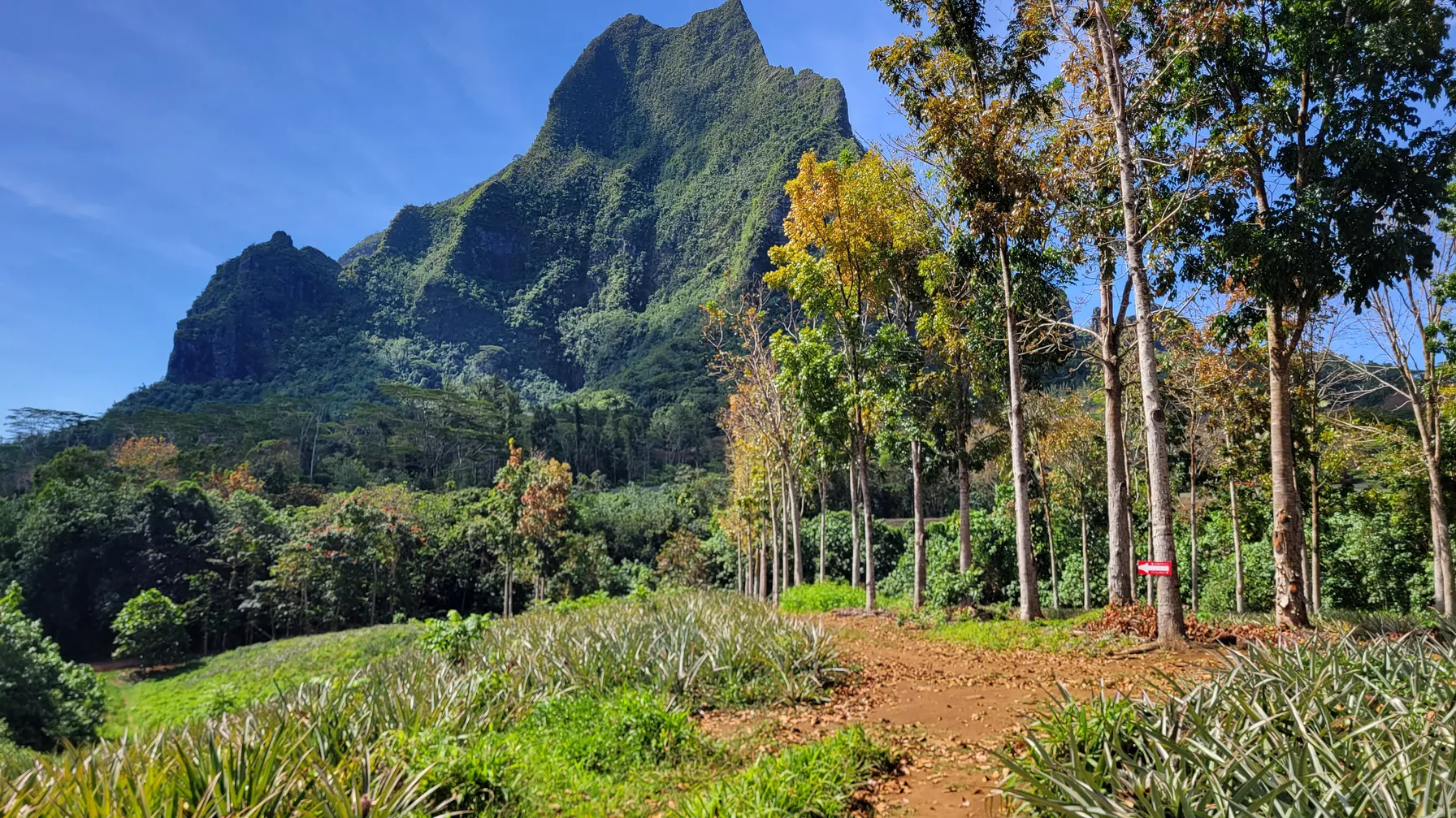
The sister island of Tahiti, a preserved paradise
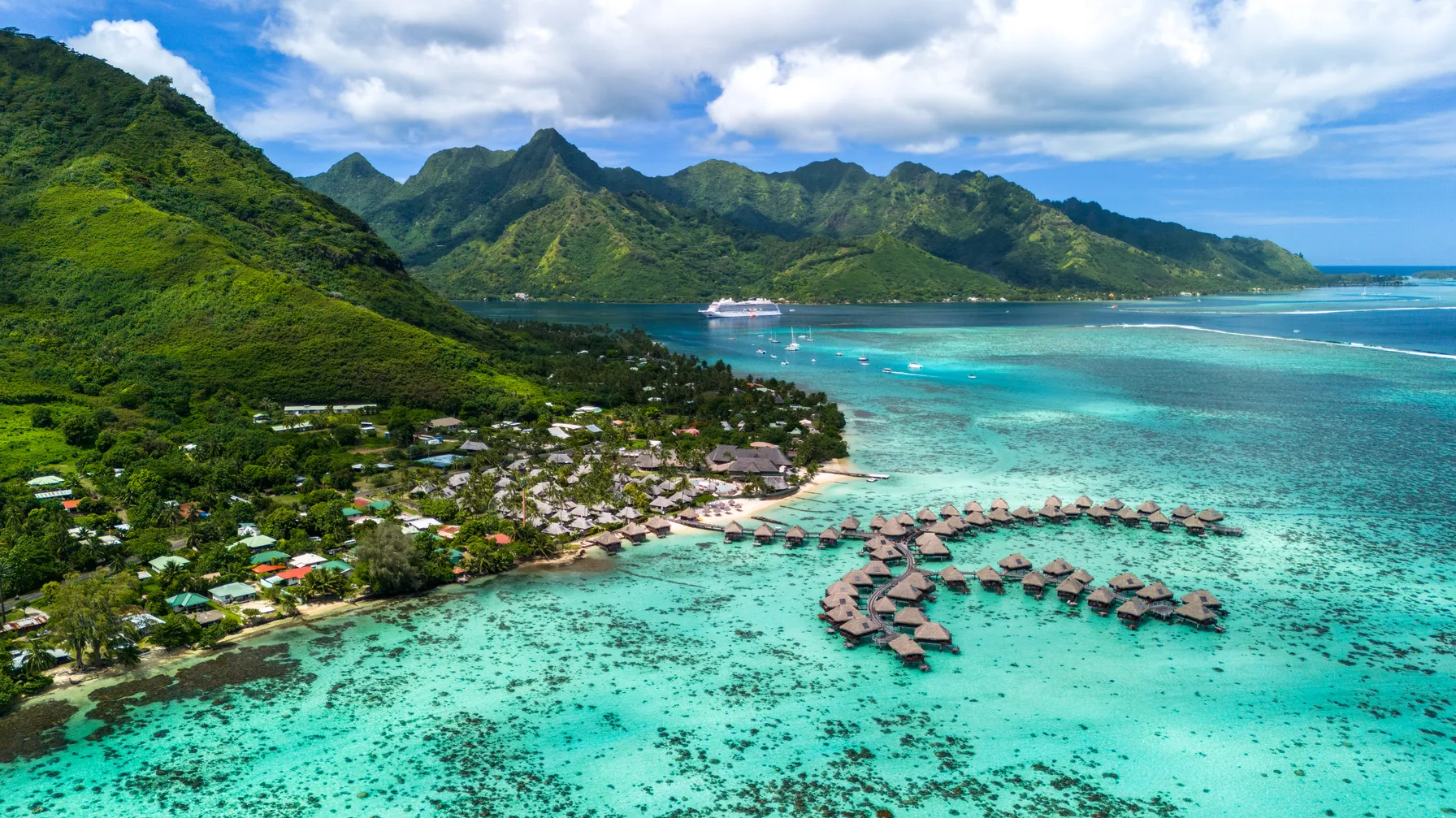
Moorea welcomes you in a preserved environment where Polynesian authenticity is fully experienced. Unlike the highly frequented spots of Tahiti, this volcanic island offers you intimate surfing sessions, far from the crowds. Here you will find international quality waves in an exceptional natural setting, where each session becomes a privileged moment with the Pacific Ocean.
The island's accessibility from Tahiti, with just an hour's ferry crossing, makes it the ideal destination to extend your surfing adventure in French Polynesia. This proximity allows you to easily explore the various surf spots without major logistical constraints.
World-class waves in an exceptional setting
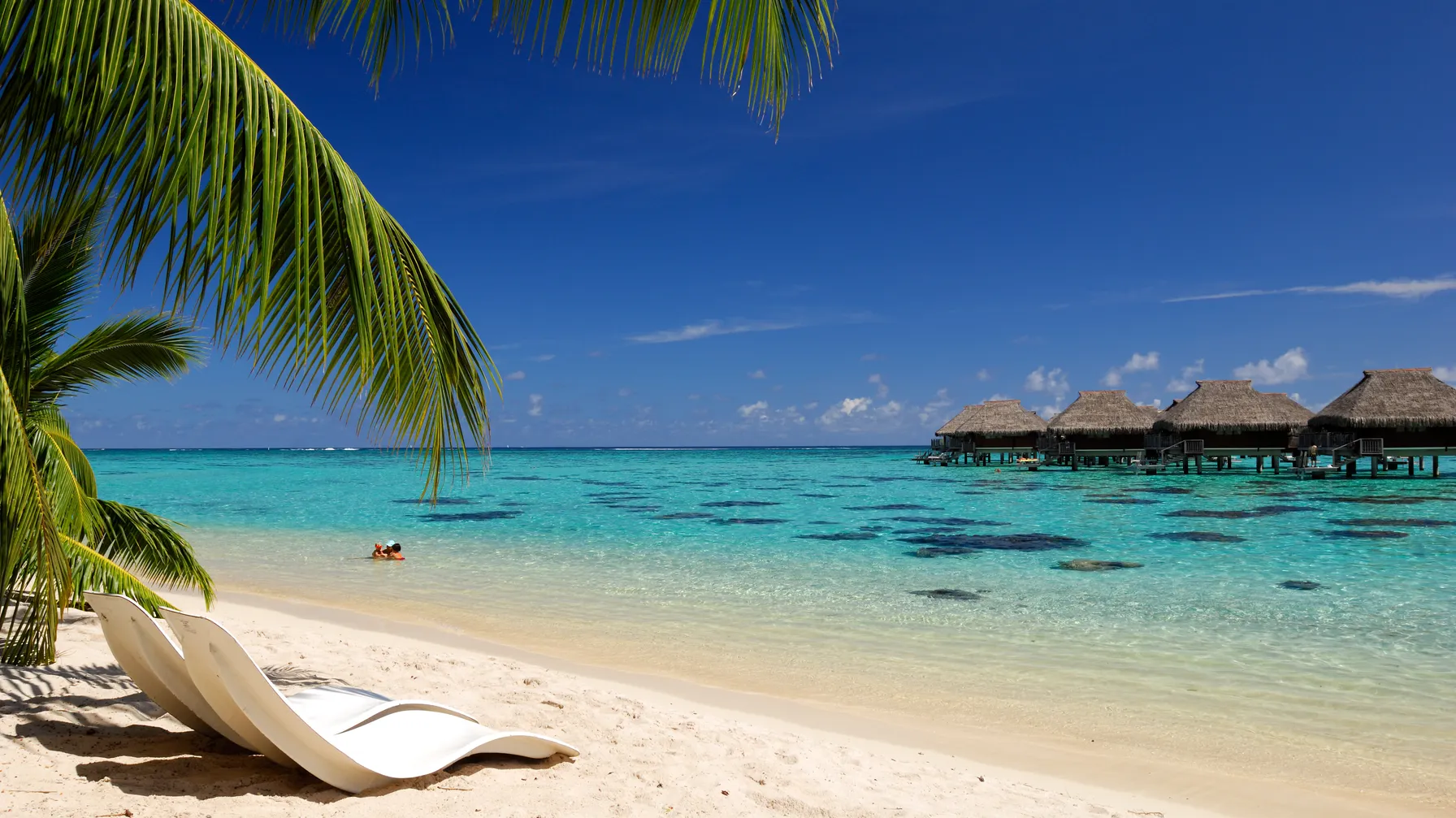
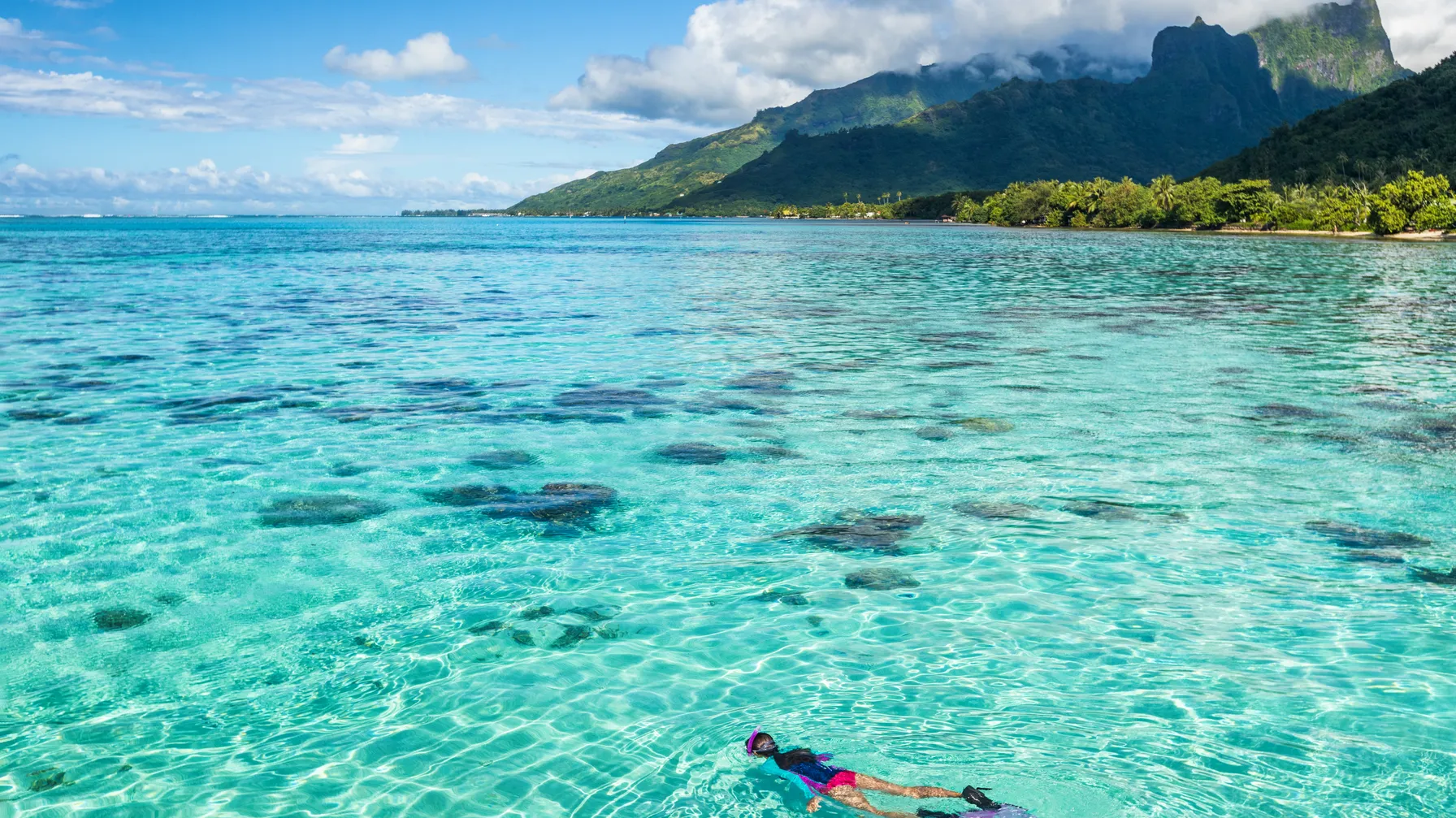
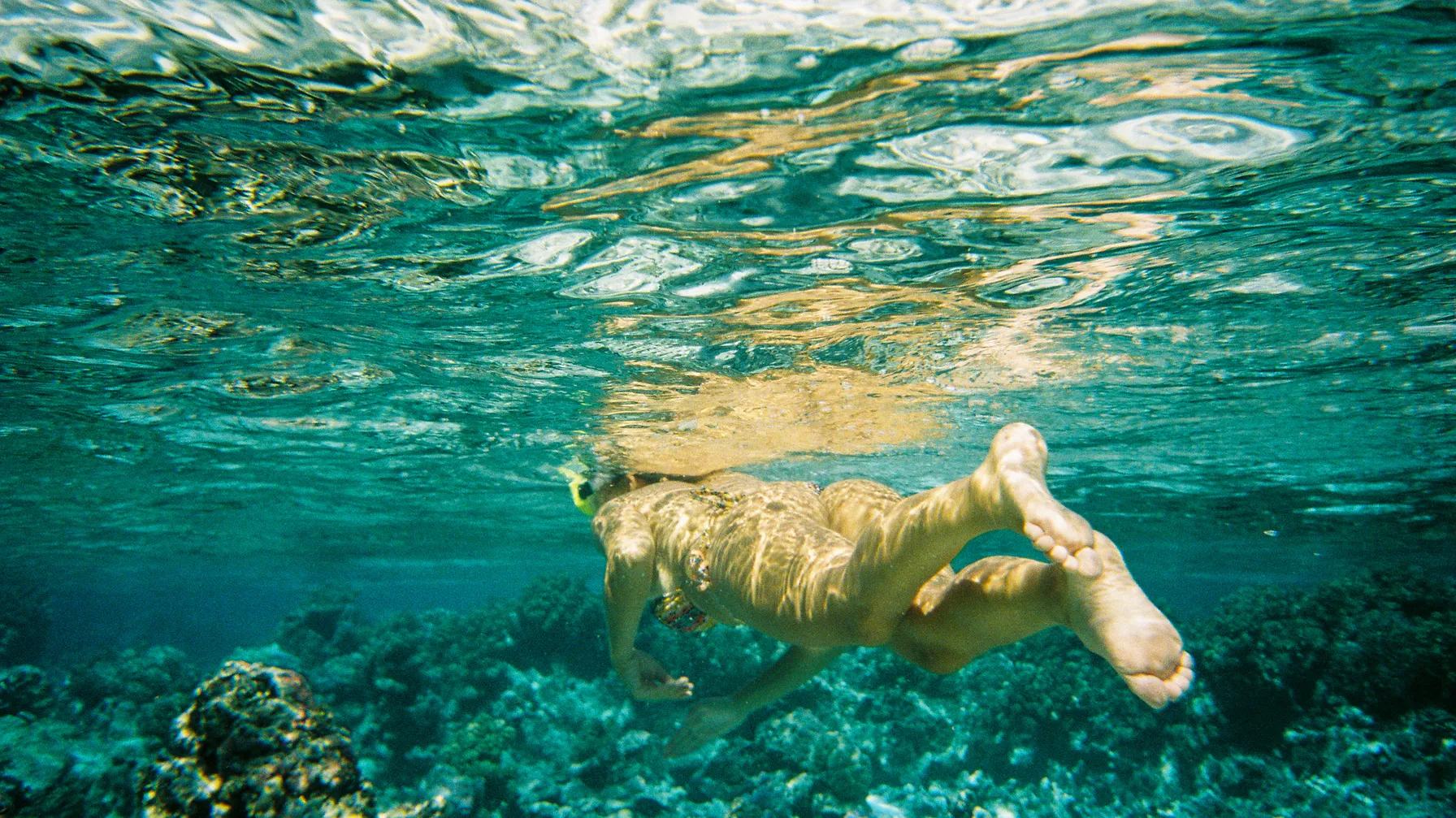
The surf spots in Moorea are characterized by their diversity and remarkable quality. Here you surf waves that break on coral reefs, creating unique conditions appreciated by surfers around the world. The crystal-clear lagoon waters allow you to observe marine life during your sessions, including manta rays and harmless blacktip sharks that frequent these waters.
The island's particular geography, with its natural passes and reefs, generates constant and powerful waves. These exceptional natural conditions make Moorea a privileged playground for all levels of surfers, from beginners to international professionals.
What are the essential surf spots in Moorea?
Each surf spot in Moorea has its own characteristics and offers you unique sensations depending on your level and preferences.
Haapiti, the legendary left of the west coast
Haapiti spot reigns supreme as the absolute reference for surfing in Moorea. This extraordinary left breaks on the Taotaha pass and offers you long and powerful waves that can reach several meters in height. Its international reputation attracts the best surfers in the world, who come to challenge this technically demanding wave with multiple sections.
The Haapiti wave is particularly demanding with its break on shallow coral reef. You must master your take-off and positioning to fully enjoy this long left. Optimal conditions present themselves with a southwest swell and northeast winds, creating perfect barrels and ideal sections for radical maneuvers.
Access to the spot requires a crossing of the lagoon from the coast, either by boat taxi or kayak for the more adventurous. This peculiarity preserves the spot from crowds and maintains a relaxed atmosphere at the lineup, except during weekends when Tahitian surfers make the trip.
Temae and PaoPao reef, the north's gems
Temae spot offers a technical right that breaks directly on the coral plateau. This wave requires precise approach and excellent reading of conditions, as it breaks in very shallow water. Experienced surfers particularly appreciate this technical challenge, which rewards precision and perfect timing.
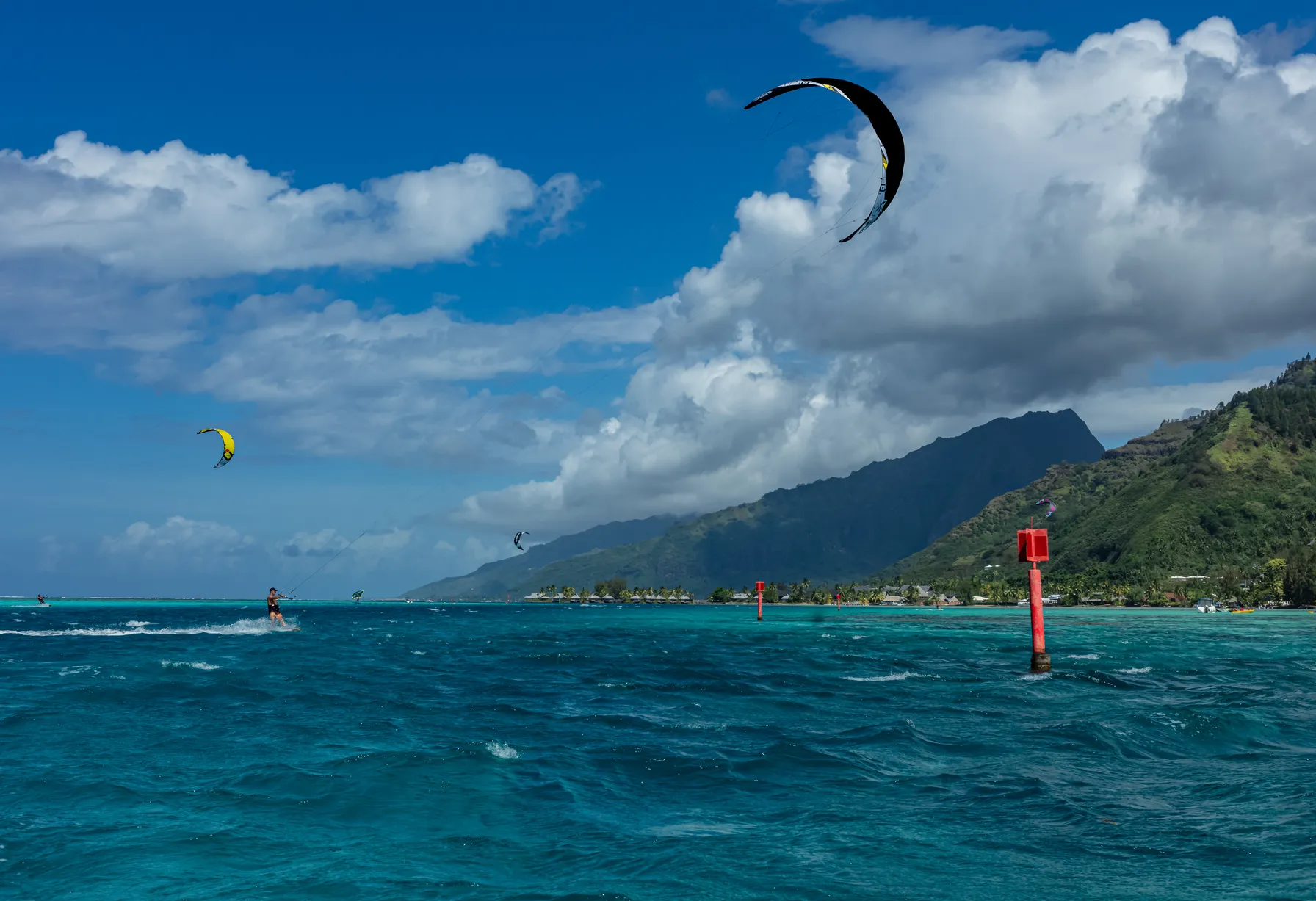
In the majestic Cook's Bay, PaoPao reef unveils a quality left at the Teavarua pass. This surf spot offers you more accessible conditions than Haapiti, while still maintaining a respectable technical level. Sessions at PaoPao reef take place in an absolutely magical setting, with views of the island's iconic mountains reflecting in the turquoise waters of the lagoon.
Secret spots to discover
Beyond the legendary waves, Moorea hides other treasures for curious surfers. The Park Royal spot, located at the Taotai pass, reserves a left appreciated by intermediate level surfers. This wave offers more lenient conditions than the main spots, perfect for progressing safely.
Atiha Bay also reveals its secrets with a unique setup offering both a left and a right from the Avarapa pass. This diversity allows you to adapt to the day's conditions and vary the pleasures according to the direction of the swell.
Contact us for more information on the best spots according to your level
What is the best time to surf in Moorea?
Understanding the seasons and conditions
The optimal season for surfing in Moorea extends from March to November, during which the conditions are most favorable. During this dry season, you benefit from more stable winds and reduced precipitation, creating ideal conditions for prolonged sessions.
Southwest swells dominate this period and perfectly feed the surf spots on the west coast, especially the legendary Haapiti. These swells, generated by southern storms, bring the consistency needed for quality waves across all the island's surf spots.
The following table presents the optimal monthly conditions:
| Month | Dominant Swell | Wind Conditions | Water Temperature |
|---|---|---|---|
| March-May | Southwest | Light Northeast | 27-28°C |
| June-August | South | Stable Trade Winds | 25-26°C |
| Sept-Nov | Southwest | Variable Light | 26-27°C |
Optimize your timing according to your level
Beginner surfers prefer the period from June to August, when the conditions are milder with less powerful waves and more regular winds. This period allows you to comfortably learn the specifics of reef surfing under safe conditions.
Confirmed and expert surfers favor the months of March to May and September to November, periods when the swells are more consistent and more powerful. These challenging conditions reveal the full potential of Moorea's surf spots, especially on the legendary waves of Haapiti and Temae.
The cyclonic season, from December to February, presents more random conditions with strong winds and significant precipitation. However, this period can offer pleasant surprises to experienced surfers, with north swells generating waves on the usually dormant spots of the north coast.
How to organize your surf session in Moorea?
Organizing your sessions requires specific preparation related to the island's geographical peculiarities and access to the various spots.
Accessing the spots: boat, kayak, or surf taxi
Access to the main surf spots requires a crossing of the lagoon, as the waves break on passes located several hundred meters offshore. The boat taxi is the most comfortable and secure option, especially appreciated during big sessions where you need to focus on surfing rather than on the approach.
The kayak is an attractive alternative for autonomous and sporty surfers. This option offers you total freedom regarding your timing and your spots, while connecting you more closely with the marine environment. However, ensure secure anchoring for your vessel, as spots generally do not have dedicated mooring buoys.
Some experienced surfers opt for direct paddling from the coast, especially at the more accessible spots like PaoPao reef. This approach requires excellent physical condition and a perfect knowledge of local currents.
Equipment and practical advice
Your board should be adapted to the specific conditions of reef surfing in French Polynesia. Opt for a generous volume to facilitate paddling in the lagoon and maintain your buoyancy during large sets. Recommended dimensions vary depending on your level:
- Beginners: evolutionary board 8'0 to 9'0 with high volume;
- Intermediates: shortboard 6'6 to 7'2 with moderate volume;
- Experts: specific boards 6'0 to 6'8 depending on conditions.
A wetsuit is not necessary in these tropical waters maintained between 25 and 28°C year-round. Instead, opt for enhanced sun protection with a UV rashguard and a water-resistant sunscreen. Don't forget reef booties, essential for protecting your feet from coral when entering and exiting the water.
First aid equipment becomes particularly important during isolated sessions on the passes. Always carry a first aid kit adapted to coral injuries, as well as an emergency communication device.
Book your trip to Moorea now
Local surf schools, like Moorea Iriatai Surfschool, accompany you in your exploration of the spots according to your level. These local professionals possess an intimate knowledge of the conditions and specific dangers of each surf spot, ensuring your safety and progress.