Surfing at Le Morne: discover this legendary spot of Mauritius
Why does Le Morne fascinate surfers from around the world?
This unique peninsula combines all the ingredients of a dream spot, blending exceptional natural heritage and remarkable surfing conditions that have attracted wave enthusiasts for decades.
A preserved natural setting on the World Heritage list
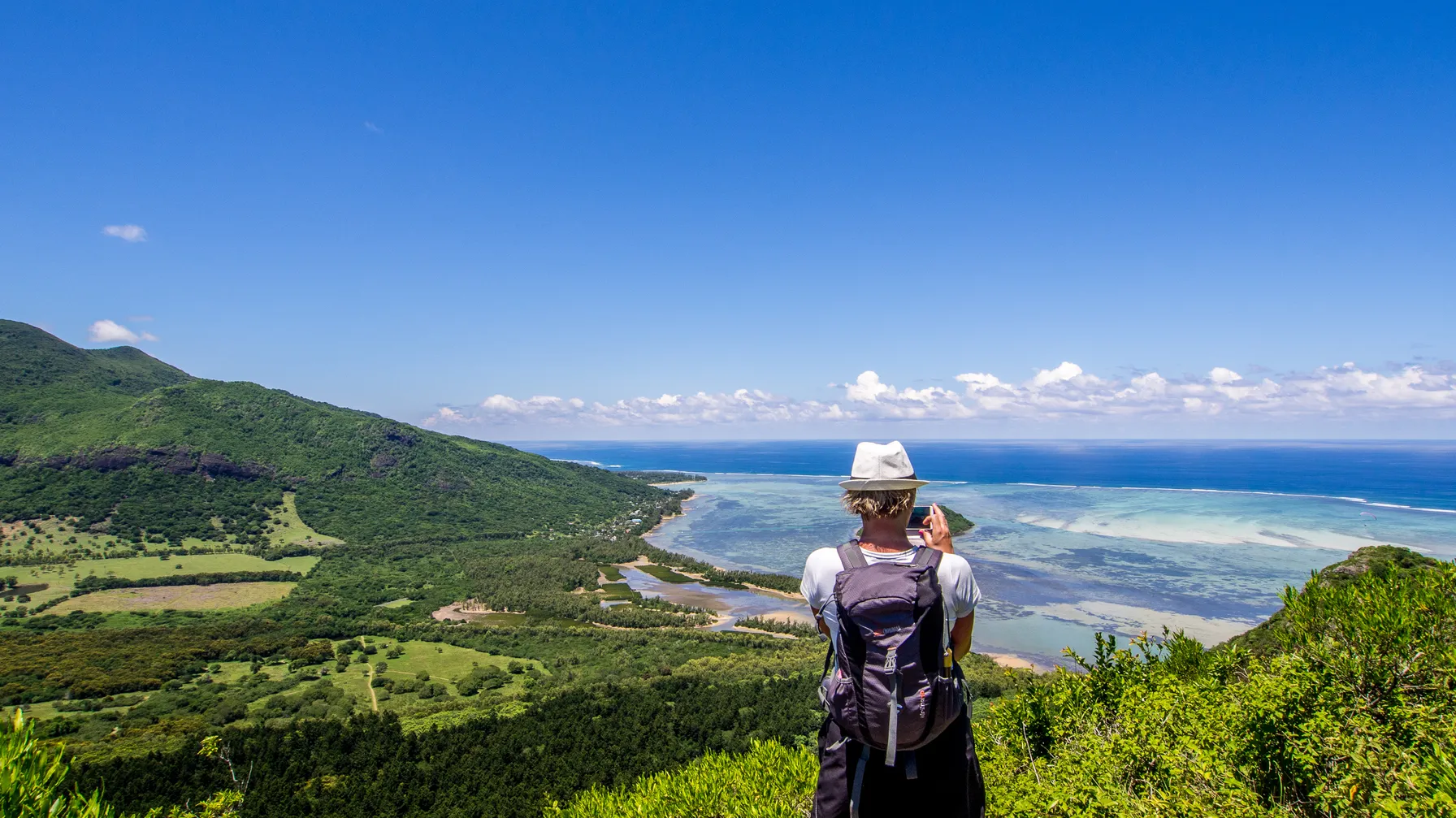
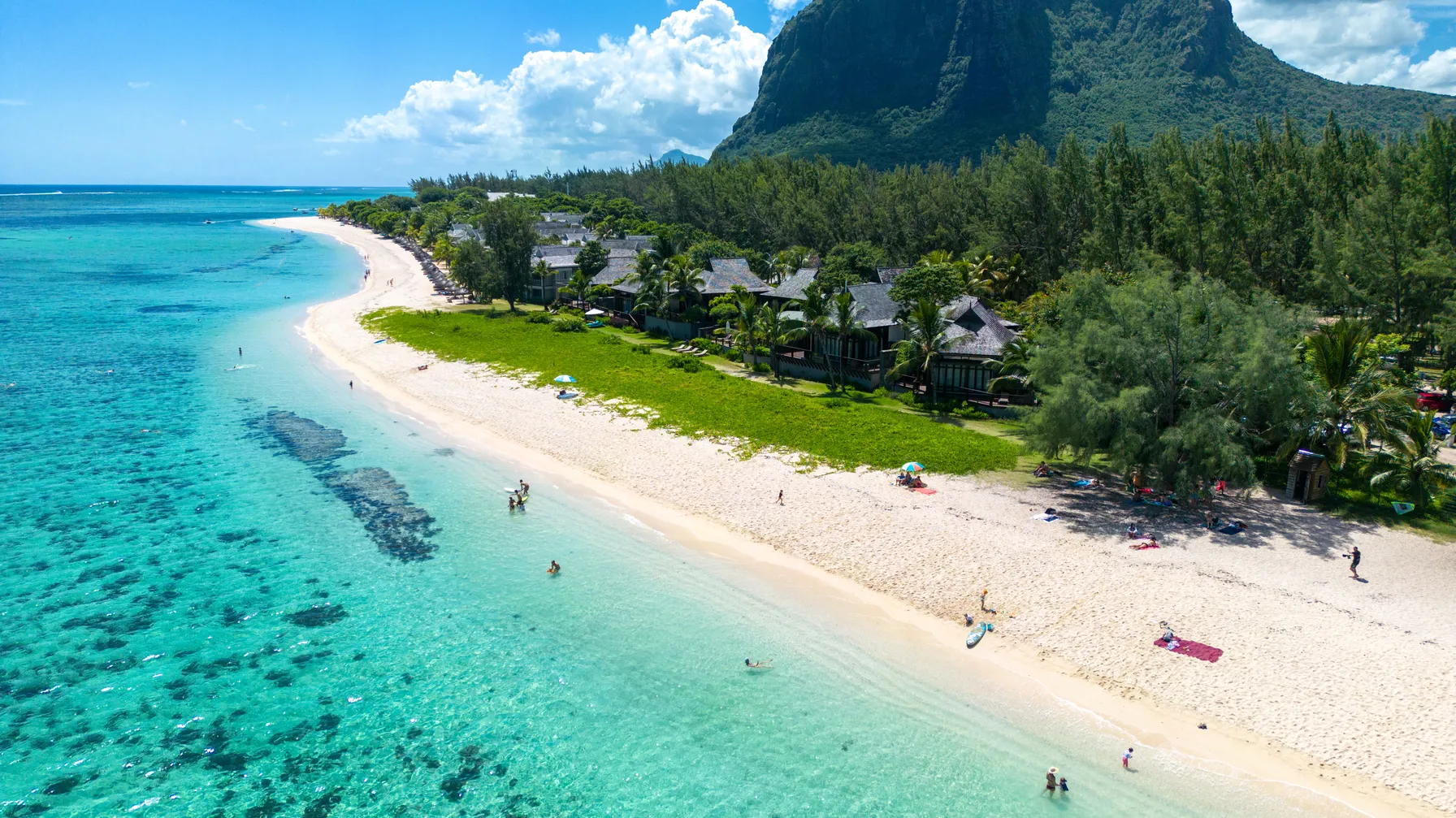
The mountain of Morne Brabant majestically dominates this historically rich area, creating a striking natural amphitheater. This volcanic formation, at 556 meters high, witness to the resistance of maroon slaves, today provides a grandiose backdrop to surfing sessions. The village of Le Morne retains its Mauritian authenticity, away from tourist hustle, allowing for an intimate experience at the edge of the world.
The exceptional marine environment of this protected area reveals remarkable biodiversity. Between preserved coral reefs and turquoise lagoons, each outing becomes an enchanted interlude. The shallow lagoon waters contrast with deeper areas where waves form, creating the unique diversity that characterizes Mauritian surf spots.
Varied surf conditions for all levels
Le Morne spot is distinguished by its ability to accommodate all profiles of surfers. Beginners find in the lagoon ideal conditions to start, with warm water ranging from 22°C in the Austral winter to 27°C in summer. This consistent temperature allows surfing without a wetsuit, offering total freedom of movement.
Wind conditions play a crucial role in the quality of the sessions. The trade winds from the Indian Ocean, stronger from June to November, create perfect offshore conditions on certain spots while keeping the lagoon relatively protected. This natural setup allows progression in complete safety before venturing out to the outer reefs.
Contact us for more information on the best times to go
What are the must-visit spots for surfing at Le Morne?
The diversity of waves around the peninsula of Le Morne offers an exceptional playground, where each spot reveals its personality according to the conditions and your level of expertise.
One Eye, the legendary wave for experts
One Eye embodies the legend of Mauritian surfing. This left-hand tubular wave breaking directly on the coral reef requires expert level and a certain courage. The wave forms from southwest swells and offers barrels of rare power, attracting photographers and videographers from all over the world. Its evocative name comes from the characteristic shape of the tube that recalls a giant eye.
Optimal conditions require a sustained swell and offshore winds to sculpt this demanding wave perfectly. Low tide reveals its beauty but also its dangers, as the reef dangerously surfaces. Only experienced surfers can safely apprehend this legendary spot, making One Eye a grail for enthusiasts of extreme sensations.
Little Reef, perfect for progressing safely
Unlike One Eye, Little Reef embodies the pedagogy of Mauritian surfing. This benevolent spot welcomes those who want to progressively evolve towards reef waves. The wave breaks in water deep enough to reassure intermediate surfers, while offering regular and predictable conditions.
This long and accessible right-hander works with south and south-west swells, with a preference for low tide. Its consistent character makes it an ideal training ground for mastering reef surfing techniques before tackling more technical spots. The relaxed atmosphere and boat accessibility from the village of Le Morne complete the advantages of this training spot.
Manawa, the ideal balance
Manawa represents the perfect compromise between accessibility and commitment. This versatile wave appeases intermediate surfers looking to push theirearlier avez-vous traduit limit without taking undue risks. The spot features fast sections alternating with slower zones, allowing to work on different technical aspects.
Boat access from the ION Club adds an adventure dimension to the experience, transforming each session into an expedition. The currents can be strong, emphasizing the importance of a suitable physical preparation. This requirement is part of the charm of Manawa, which reveals its secrets to persevering surfers.
Reserve your trip to Mauritius now
When is the best time to enjoy optimal surf conditions?
Mauritius' privileged position in the Indian Ocean ensures remarkable surfing conditions throughout the year, albeit with more favorable periods depending on your goals and skill level.
The optimal period from June to November
The months from June to November represent the dream season for exploring surf spots at Le Morne. This period matches the Austral winter, characterized by more regular and powerful swells from the southern Indian Ocean. The trade winds intensify, creating offshore conditions on many spots.
| Month | Air Temperature (°C) | Water Temperature (°C) | Wind Conditions |
|---|---|---|---|
| June | 24 | 24 | Strong trade winds |
| July | 23 | 23 | Offshore conditions |
| August | 23 | 22 | Constant swells |
| September | 25 | 23 | Moderate wsp.us Windss |
| October | 27 | 24 | Seasonal transition |
| November | 27 | 24 | Return of warmth |
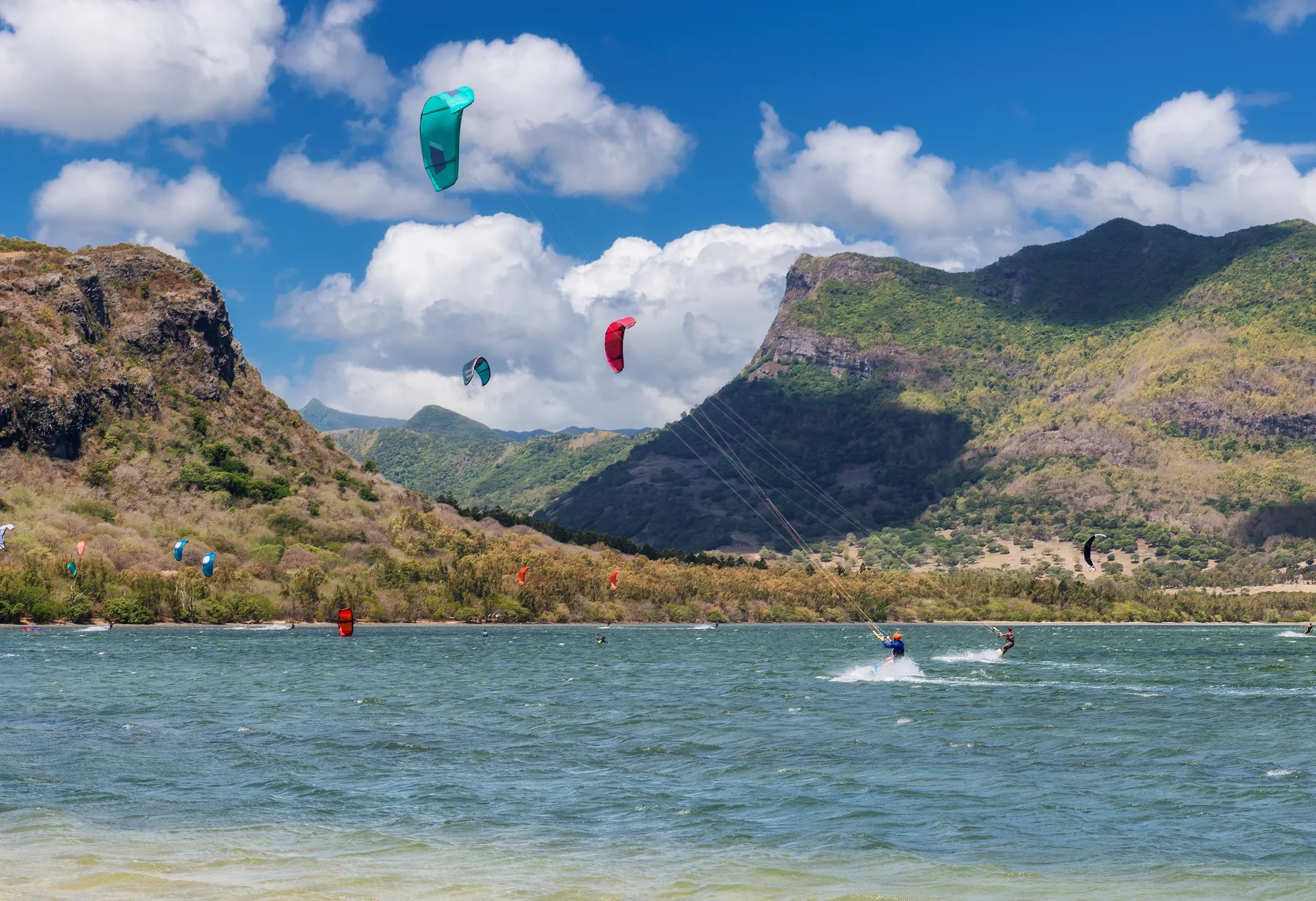
This period is particularly favorable for water sports like windsurfing, offering cross-shore conditions appreciated by experienced windsurfers. Surfers benefit from cooler water but still comfortable, allowing for extended sessions without thermal fatigue.
Surf all year round according to your desires
Even outside the optimal period, Le Morne retains its surf potential thanks to its unique geographical configuration. From December to May, the hot season brings more irregular swells but often enough for pleasure sessions, particularly appreciated by beginners.
These months reveal other facets of the spot: gentler conditions in the lagoon, crystal-clear tropical water temperatures, and a more relaxed atmosphere. It's the ideal time to combine learning to surf and exploring the marine riches of Mauritius. Local schools adapt their programs to these milder conditions.
Tamarin Bay, located nearby, complements the surfing offer with more accessible waves during this period. This complementarity allows for regular practice throughout the year, matching spots to weather conditions and each surfer's goals.
Frequently asked questions
What level is required to surf at Le Morne?
Le Morne welcomes all levels of surfers. Beginners can safely start in the lagoon and on spots like Little Reef, while experts find their challenge on One Eye. The important thing is to choose the spot that suits your level and to heed the advice of local instructors.
Is it possible to rent surfing equipment directly on site?
Yes, several centers like the ION Club offer rental of surfboards suited to local conditions. It is recommended to book in advance, particularly during the high season from June to November, to ensure availability of the desired equipment.
Are the spots accessible from the beach or is a boat needed?
Accessibility varies depending on the spots. Little Reef and some waves in the lagoon are accessible by paddling from the beach, while spots like Manawa and One Eye require a boat transfer. Local clubs organize these transfers daily depending on conditions.
Are there any particular risks associated with coral reefs?
Reef surfing requires specific precautions: reef booties recommended, knowledge of tides, and adherence to safety instructions. Local instructors are essential for safely discovering these spots and learning the specific techniques for surfing on coral.