Surfing in Montreal: a destination that has plenty of surprises in store.
Why is Montreal such a standout destination for surfing enthusiasts?
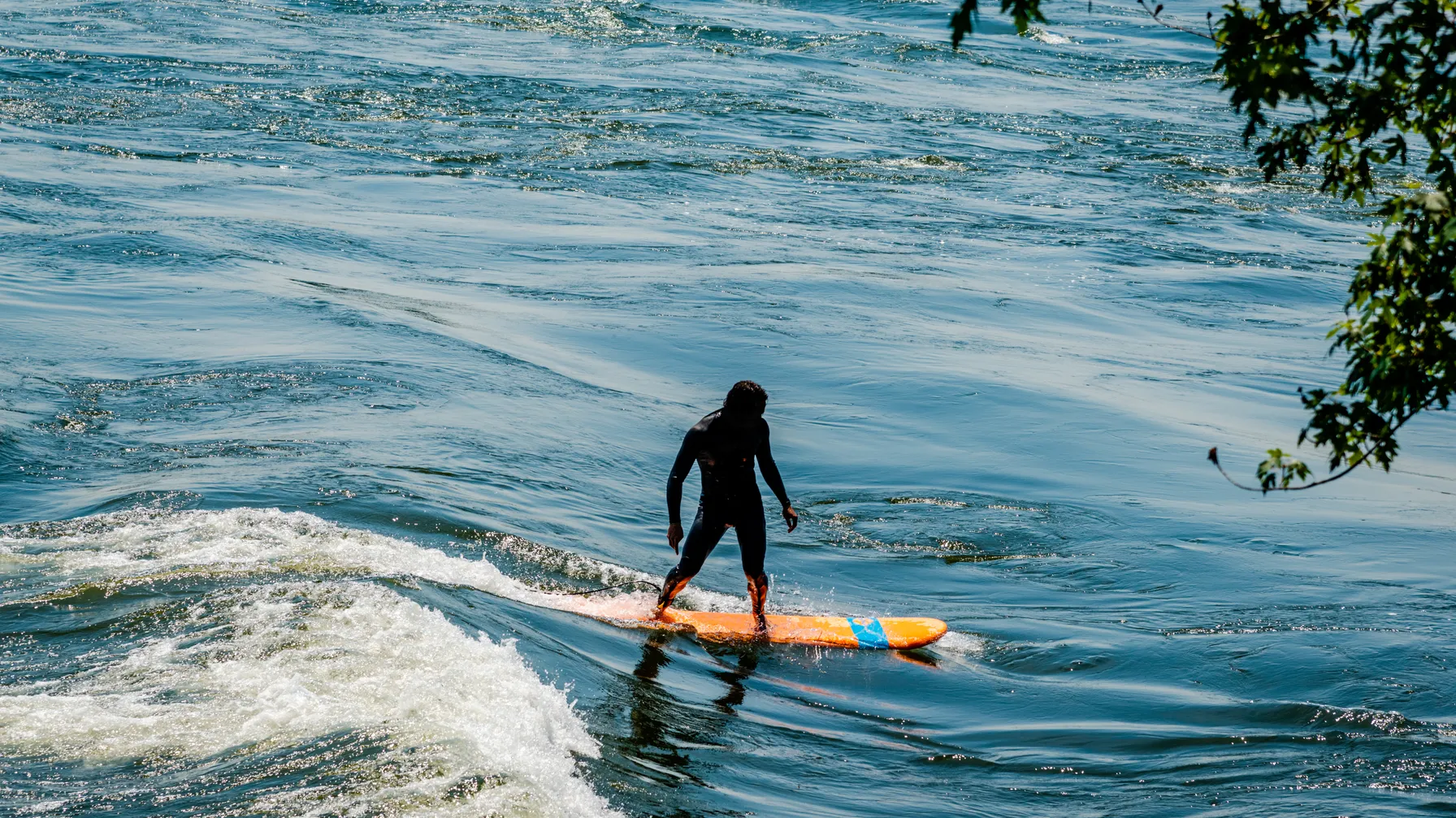
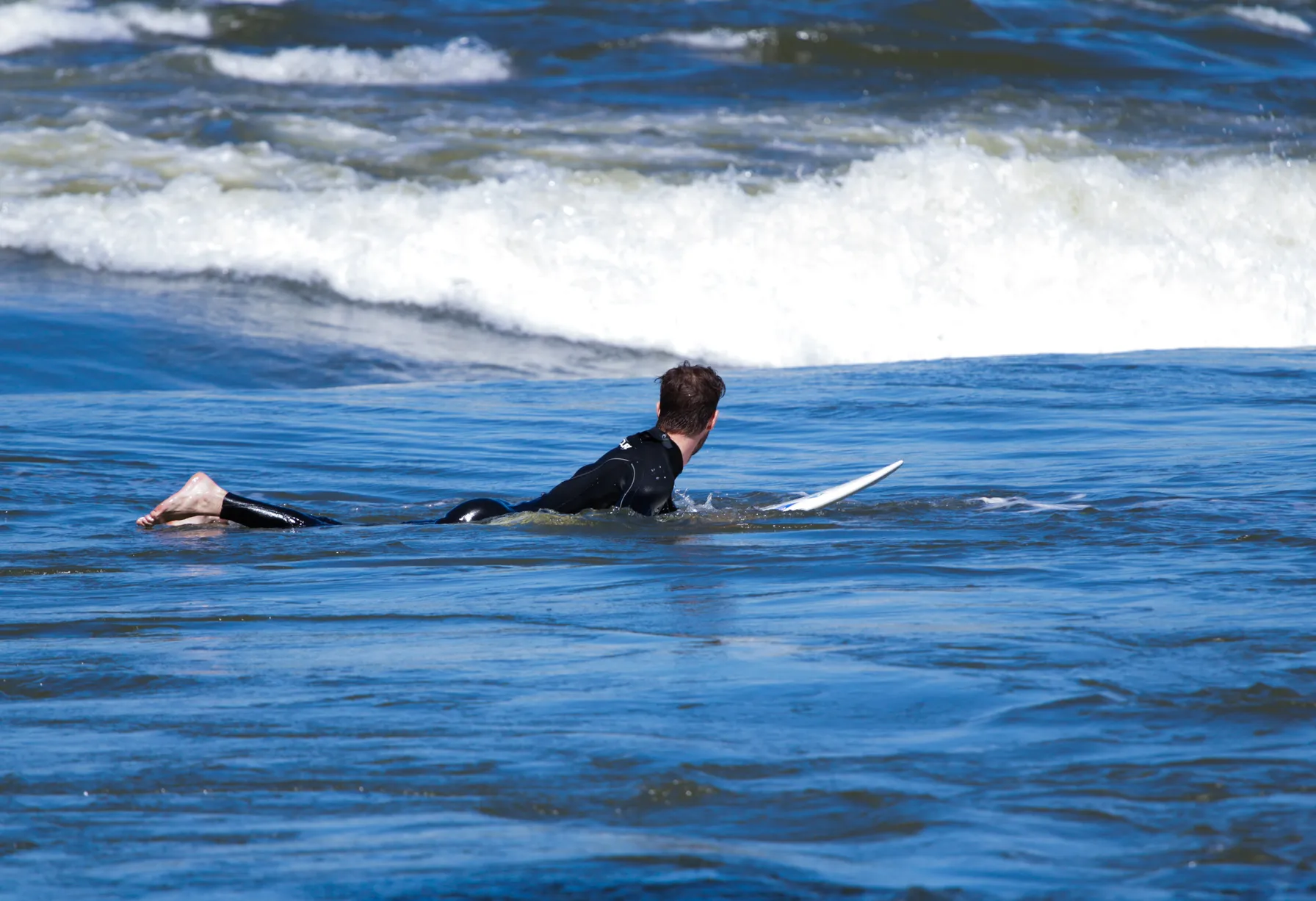
Montreal is an island, crossed and shaped by the Saint-Lawrence River. This particular geographic context has fostered the emergence of a practice unique to the city: river surfing. On waves that are standing waves created by the river's natural currents, surfers can stay in position as long as they want, without the constraints of ocean timing. This is precisely what makes this discipline so accessible, especially for those who wish to begin in good conditions.
Over the years, a tight-knit and engaged community has formed around these spots, driven by local associations ensuring site safety and the development of new waves. In parallel, innovative indoor surf centers have emerged in the greater Montreal region, making the practice possible whatever the weather. What was once a curiosity has become a true culture, attracting both families seeking an original outing and solo travelers in search of new sensations.
Contact us to tailor your custom surf stay in Montreal.
What are the must-see spots for surfing in Montreal and its surroundings?
The diversity of spots is one of the region's great strengths. Between natural waves on the river and indoor pools reproducing ocean conditions, every surfer profile finds their perfect wave.
The Guy Wave, a treasure of the Lachine Rapids
In the fast-flowing waters of the Saint-Lawrence River, the Lachine Rapids host one of Quebec's most emblematic river surfing sites. The Guy Wave, located in Ville LaSalle, is a natural standing wave ideal for both starting out and progressing. KSF Montréal, a pioneering company founded in 1995, offers small-group surfing lessons, guided by experienced instructors. Sessions begin with this softer and more accessible space before continuing toward a deeper and more demanding wave, located behind Habitat 67. This pedagogical progression, conducted directly on the river, offers a rare experience, halfway between urban adventure and wilderness.
Oasis Surf, the only indoor surfing venue in Canada
Located in the Dix30 district in Brossard, Oasis Surf is the country’s first authentic indoor surfing center. Unlike classic simulators, the waves offered here faithfully reproduce the sensations of river surfing, with real boards. Three levels of waves are available, from 2 to 6 feet, making it a place suitable for both first sensations and more advanced sessions. The atmosphere is decidedly friendly, with a restaurant featuring a tropical vibe to extend the moment after the session. Oasis Surf also organizes group events and competitions, making it a lively destination, far beyond mere initiation.
<p>Maeva Surf and Mont Saint-Sauveur, two complementary options</p>
In Laval, Maeva Surf offers a gliding experience with Flowrider technology, particularly accessible for beginners. Supervised sessions and expert sessions offer a nice progression for those who wish to refine their technique. Farther north, the Mont Saint-Sauveur water park opens a few evenings per week in summer to its wave pool for surfers. These regular waves, ideal for longboards, allow an approach close to traditional surfing in a mountainous setting. These two spots enrich the region's offering and fit perfectly into a multi-day surf stay.
Book your Montréal surf stay with Vialala now.
Demandez votre devis Montreal sur-mesure 100% gratuit
 4.8
4.8+3.000 travelers satisfied
<p>What is the best time to experience a surf session in Montréal?</p>
The season question is essential for planning a Montréal surf stay in the best conditions. While indoor centers welcome water-sport enthusiasts year-round, river surfing on the Saint-Lawrence River is mainly practiced from May to September, depending on water levels and weather conditions.
Summer remains the ideal period for combining river surfing and exploring the city. The long days, mild temperatures and vibrant neighborhoods make it a privileged moment. Did you know? June and September are often the months most appreciated by seasoned practitioners: the spots are less crowded, and the conditions remain perfectly manageable.
| Period | Type of surf available | Conditions |
|---|---|---|
| January – April | Indoor surfing only | Ideal for beginners or to progress |
| May – June | River surfing + indoor surfing | Fast waters, good conditions |
| July – August | River surfing + indoor surfing | Peak season, optimal conditions |
| September | River surfing + indoor surfing | Calm ambiance, waters still workable |
| October – December | Indoor surfing only | Perfect for maintaining your practice |
What essentials should you pack for your surf trip to Montréal?
Proper preparation ensures a fully successful experience. The good news: equipment – boards, wetsuits and safety gear – is typically provided by the providers, whether it's KSF Montréal for river surfing or Oasis Surf for indoor sessions. It is however strongly recommended to book in advance, especially during peak season, to secure a spot in the most in-demand time slots.
For a session on the Saint Lawrence River, here’s what you should have with you:
- A suitable swimsuit and a towel;
- Comfortable spare clothes, as sessions can be quite wet;
- Water-resistant sunscreen for summer sessions;
- A bottle of water to stay well hydrated throughout the activity.
For families, it's advised to check in advance the age and skill level requirements set by each provider, as some waves are accessible only from ages 12 or 14. Vialala's Travel Planners can assist you in this scouting so that every detail of your stay is perfectly tailored to your needs.
Contact us to design your tailor-made itinerary in Montréal.
Frequently asked questions
Can you surf in Montreal outside the river?
Yes, and it's even one of the region's assets. Several indoor surf centers, in Brossard and Laval in particular, allow you to surf in a controlled and safe environment, without relying on weather conditions. These spaces are especially well suited for those who want to discover the practice at their own pace, off-season or simply in an original setting.
Is river surfing different from traditional surfing?
River surfing shares the technical basics of ocean surfing – balance, board stance, and reading the wave – but has one major peculiarity: the wave is fixed. Unlike the ocean, you don't have to paddle to catch it, which allows you to focus entirely on gliding. It's a complementary experience, often described as more accessible for beginners.
What level is required to start surfing in Montreal?
No prior experience is necessary. All providers offer initiation courses supervised by qualified instructors, with a progression tailored to each participant. Most spots and centers have waves of different levels, which allows you to progress safely from the first session.
How to incorporate a surfing activity into a stay in Montreal?
Montreal, being a city with an extremely rich cultural and gastronomic scene, it is quite possible to combine one or more surfing sessions with exploring emblematic neighborhoods, local restaurants or museums. A two- to three-day stay is enough to dedicate half a day to surfing while fully enjoying the rest of the city.