Hiking in New York: Explore the City and Its Surroundings in a New Way
What types of terrains and atmospheres do hikers find in New York?
Between the paths of Central Park, the banks of the Hudson River, and the wooded peaks of the Hudson Valley, New York surprises with the diversity of its terrains. Depending on desires and everyone's level, two great outdoor experiences emerge.
Strolling through the heart of New York City
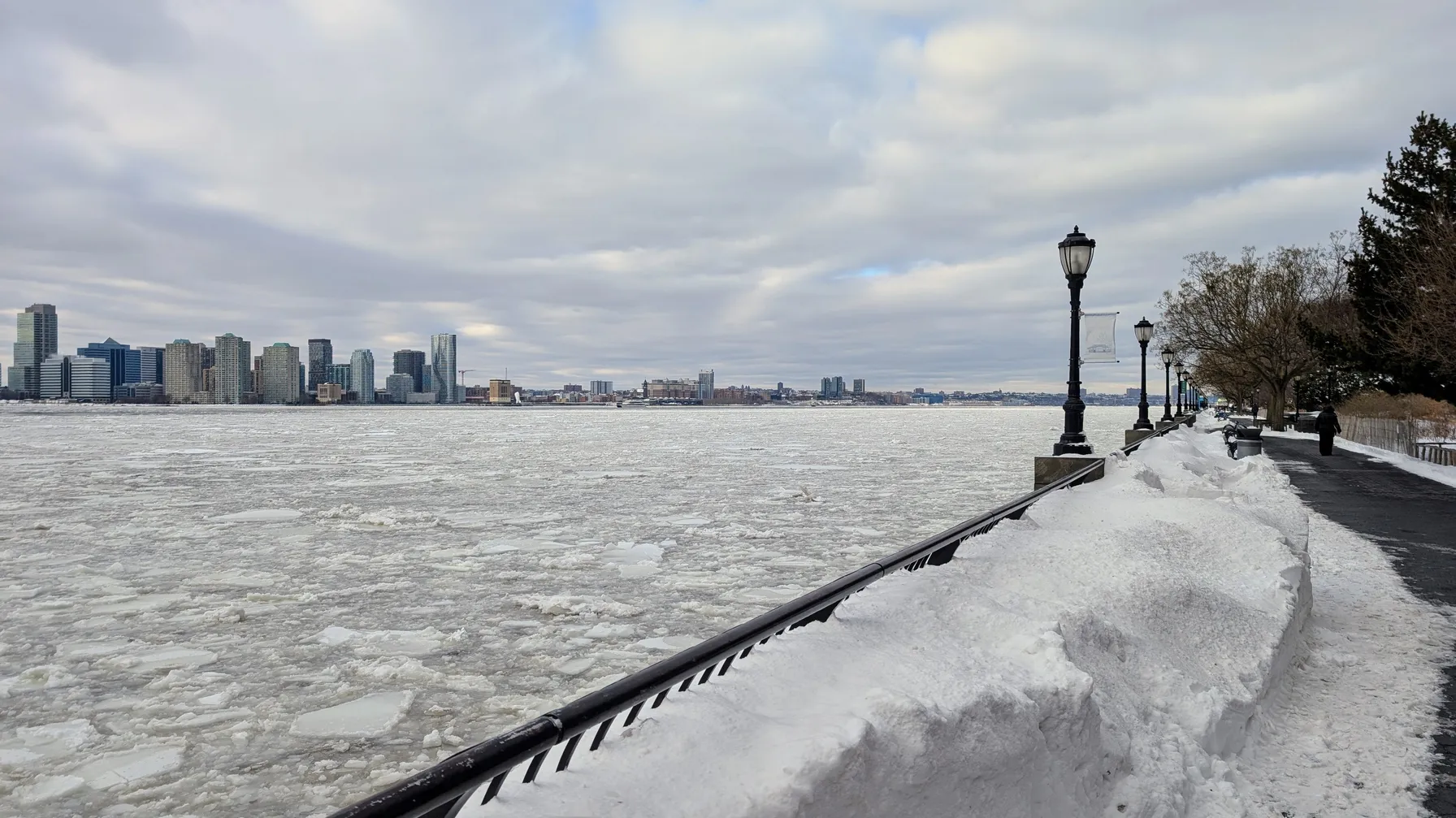
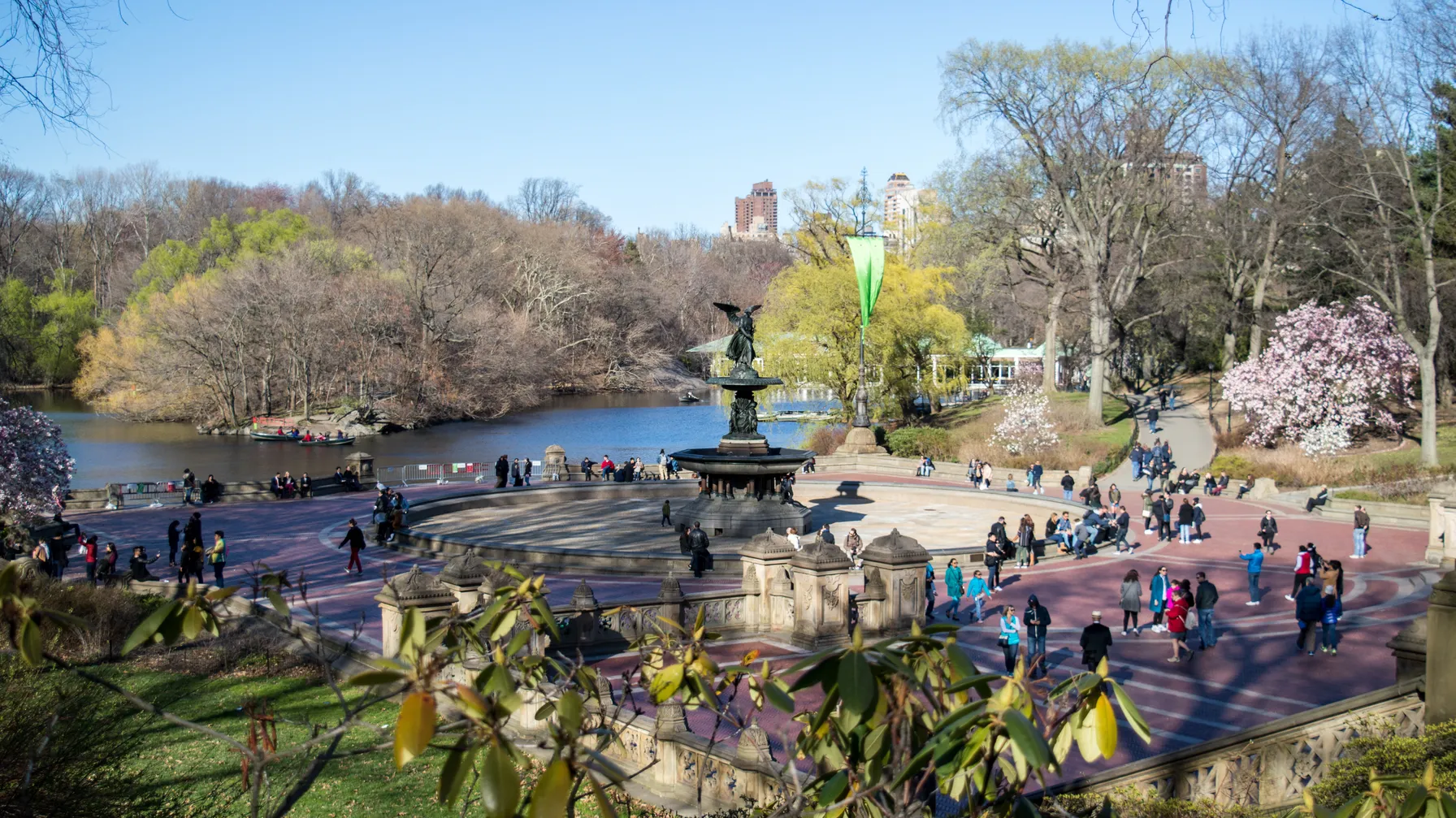
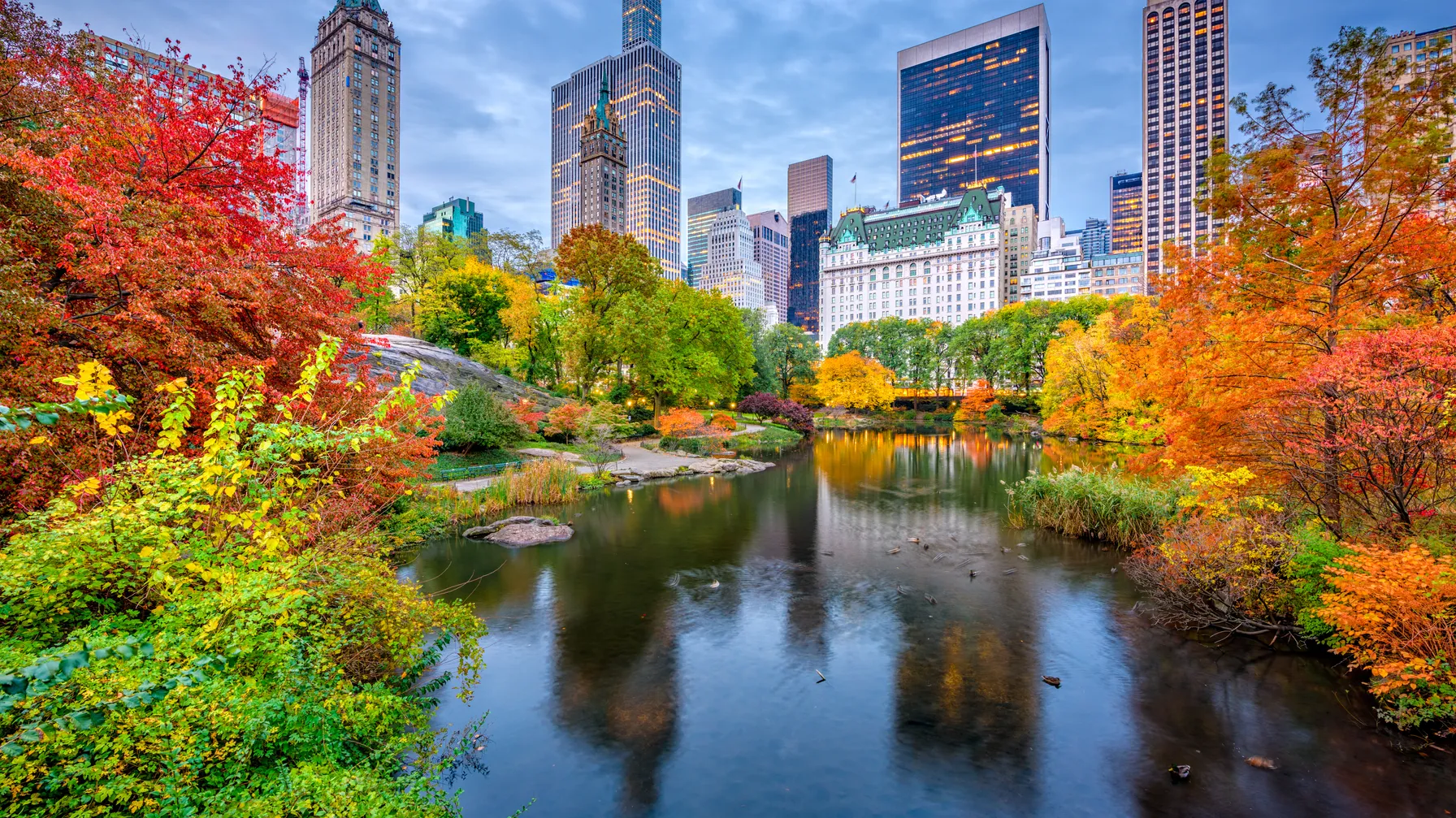
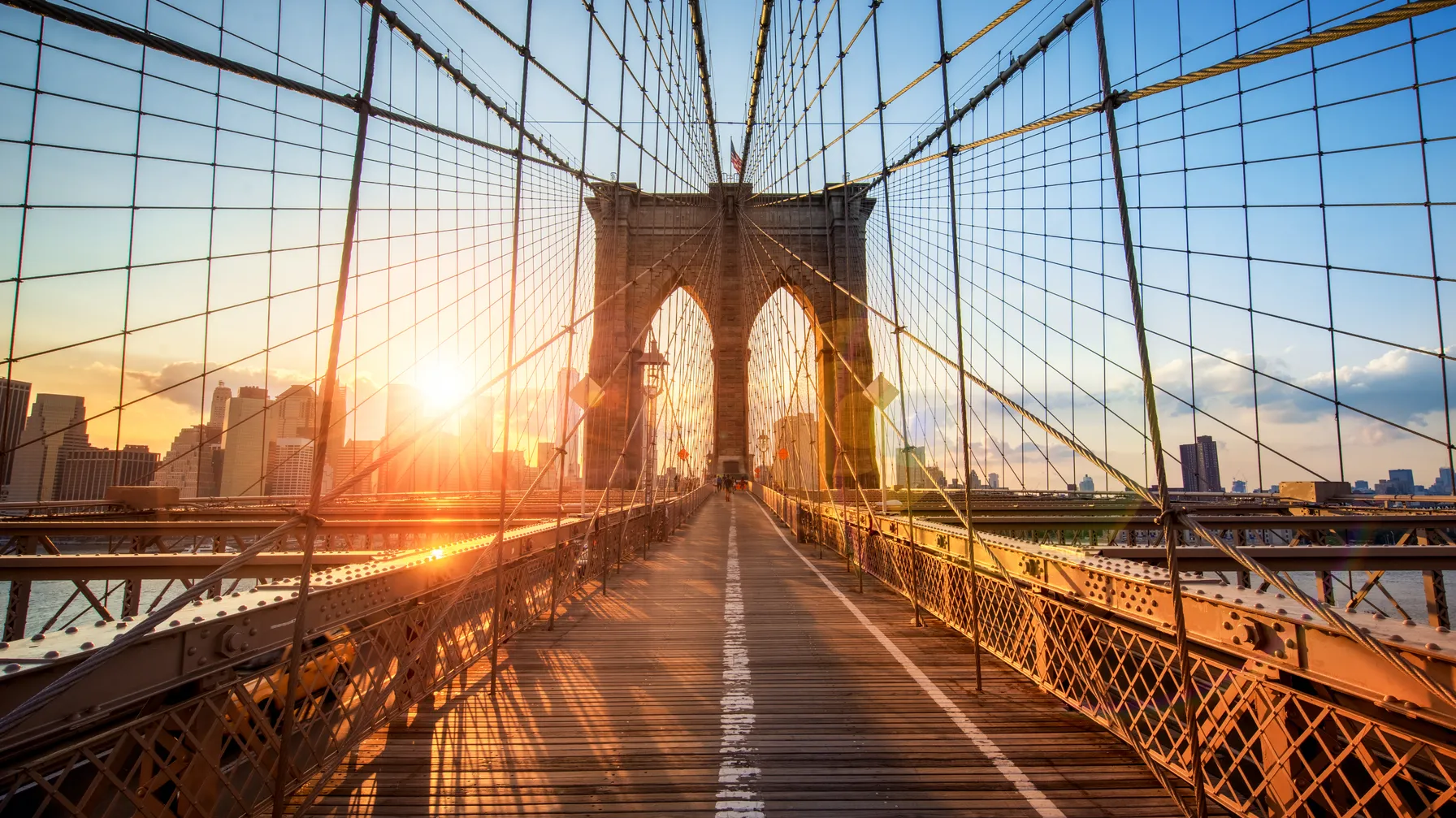
New York City itself offers beautiful walking tours. Central Park, with its 350 hectares of greenery in the heart of Manhattan, offers paths accessible to everyone, ideal for a first immersion in nature. Brooklyn Bridge Park, at the foot of the iconic Brooklyn Bridge, provides a stunning view over Manhattan's rooftops and direct access to the East River. Another must-see is the High Line, this elevated walkway built on an old railway line, which crosses Chelsea and the Meatpacking District with a succession of original urban viewpoints, where architecture and nature harmoniously respond to each other.
The wild nature at the gates of the metropolis
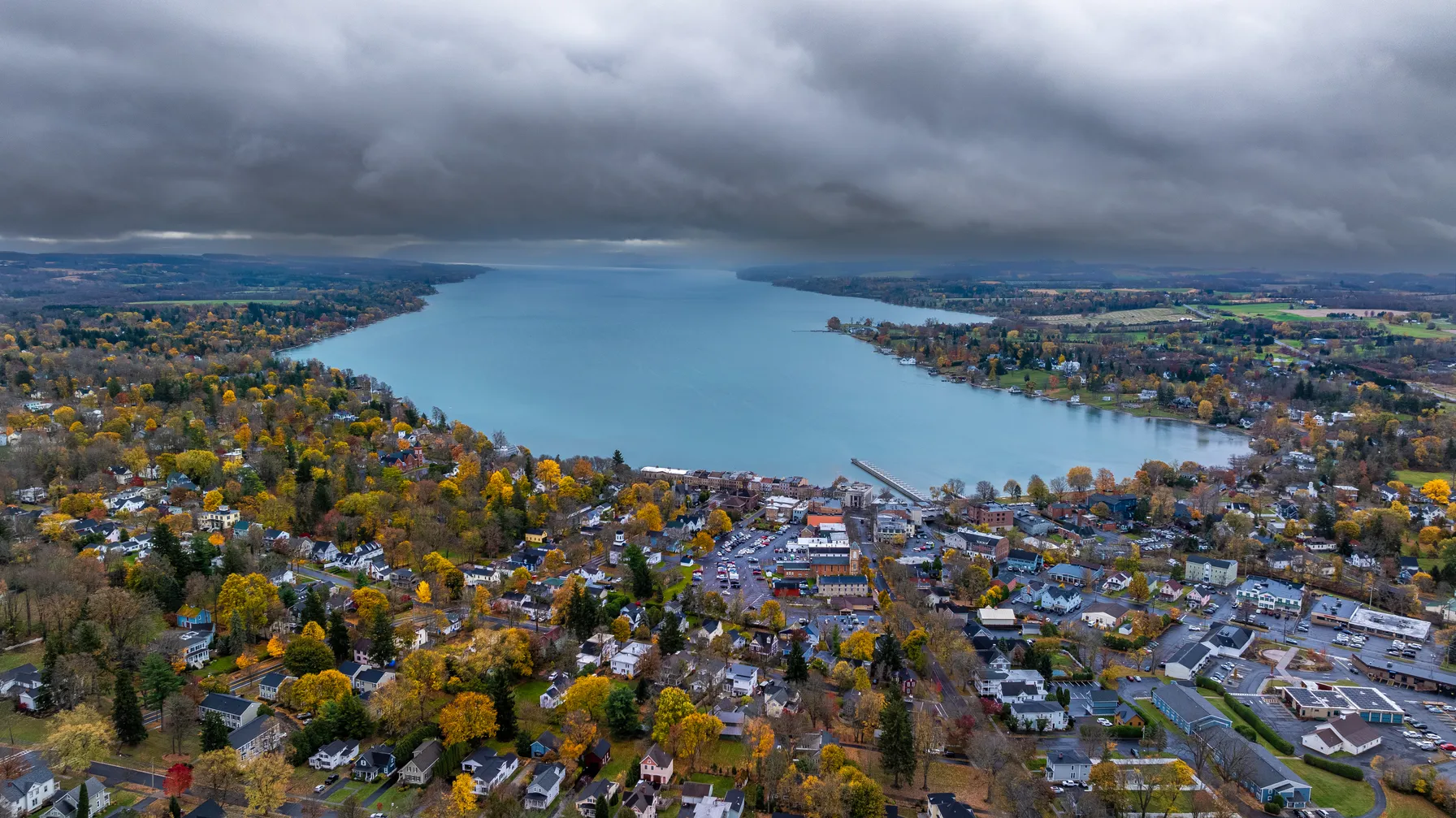
Less than an hour and a half from New York City by train or car, the Hudson Valley and the Catskills reveal landscapes of a whole different scale. Dense forests, cliffs overlooking the river, waterfalls, and mountain peaks: trails follow one after another for all levels, in a preserved nature that contrasts with urban bustle. It is this duality, rare for a large metropolis, that makes hiking in New York a truly unique experience.
Contact us for more information on the best hikes to include in your stay in New York.

Demandez votre devis New York City sur-mesure 100% gratuit
 4.8
4.8+3.000 travelers satisfied
What are the must-do hikes around New York?
Whether you are looking for a sporting challenge or an exceptional panorama, the areas around New York are full of memorable trails. Here are those that deserve particular attention during your stay.
Breakneck Ridge Loop: the vertigo of heights
Located about 1.5 hours from New York City, Breakneck Ridge Loop is arguably one of the most iconic trails in the region. Covering about 6 kilometers with a moderate to difficult level, this loop combines rock slab climbing with breathtaking views of the Hudson Valley. Some passages require using hands at times, making it a challenging hike rewarded with spectacular views. Advice from our Travel Planners: prefer weekdays to avoid the crowds and go in the fall to enjoy the blazing colors of the nearby forests.
Bull Hill: the sunset panoramas
Less frequented than Breakneck Ridge Loop, Bull Hill stands out with its clear views of the Hudson River and the charming village of Cold Spring. This moderately difficult trail, about 8 kilometers long, is beloved for its wild and preserved ambiance. Attempting the climb in the late afternoon to witness a sunset over the valley is a rare experience, worth having at least once.
Bear Mountain: the quintessential day trip
Only an hour from New York, the Bear Mountain loop offers 6 kilometers of challenging trail leading to the Perkins Memorial Tower via rock slabs. The views from the top over Hessian Lake and the Hudson Valley are worth every effort. Arriving early in the morning is advised, as the site is very popular on weekends.
How to choose your hike in New York according to your level?
New York and its surroundings cater to all profiles, from first steps outdoors to the most seasoned hikers.
For beginners and families
New York City’s urban parks are an ideal starting point for families or novice hikers. Central Park offers flat, well-marked paths perfect for outings accessible to all ages. At Brooklyn Bridge Park, a waterside walk offers views of the Empire State Building against a soothing backdrop. For those wishing to venture outside the city without going too far, the Arden Point trail, an hour by train, offers a gentle forest and riverside walk with very mild elevation.
For seasoned hikers
Experienced hikers naturally gravitate towards the Breakneck Ridge Loop or the peaks of the Adirondacks, such as Cascade and Porter mountains, accessible from Lake Placid. These trails require good physical condition and careful preparation, but offer some of the wildest landscapes in the state.
Book your trip to New York now for a custom stay organized by a Travel Planner.
What is the best time to hike in New York and how to prepare?
Choosing the season is crucial to fully enjoy the trails. Here is an overview of conditions according to the time of the year:
| Season | Conditions | Highlights |
|---|---|---|
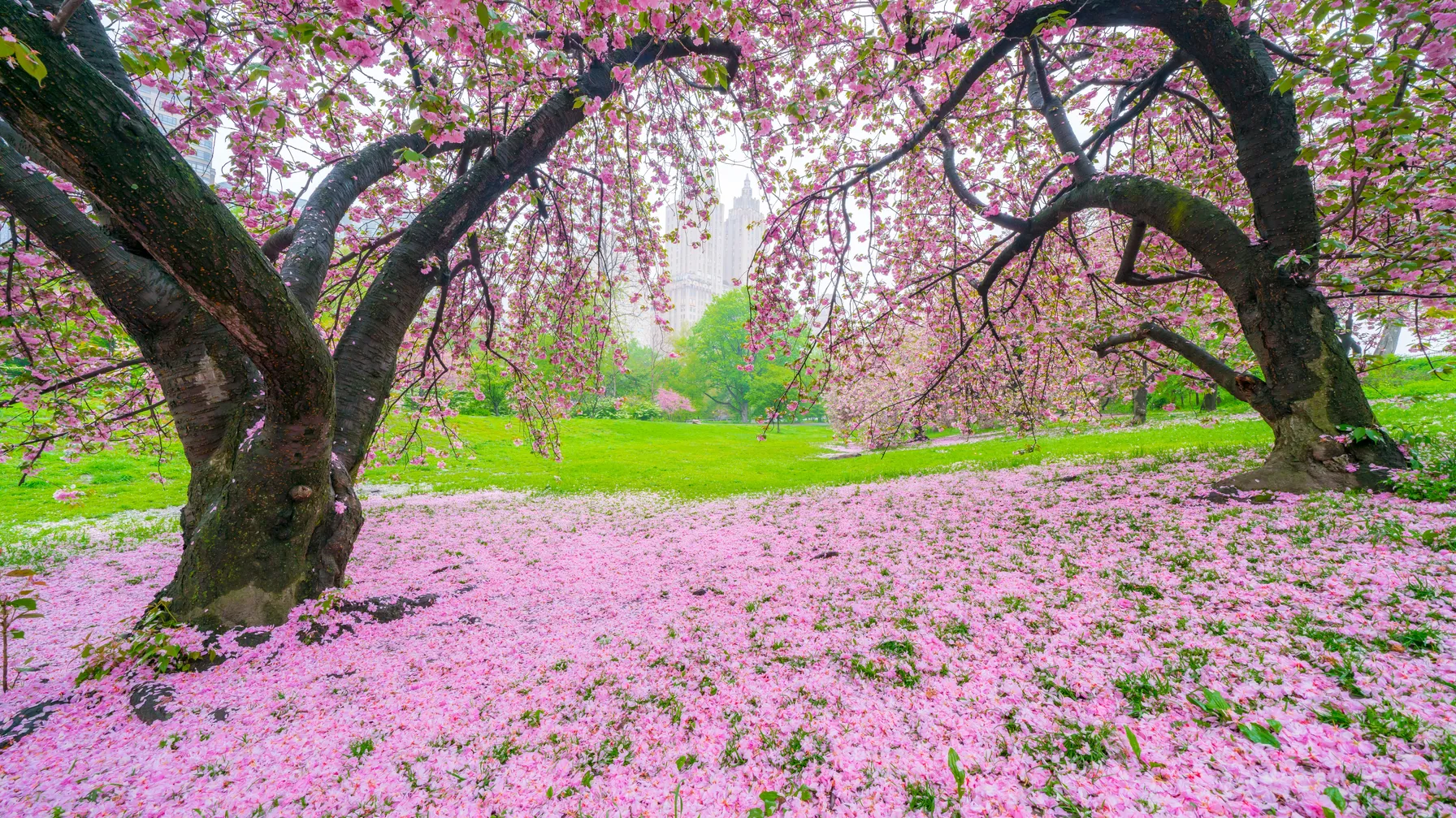
| Spring (March-May) | Mild, some rain | Blooming, verdant trails |
| Summer (June-August) | Warm and humid | Long days, lush nature |
| Autumn (Sept-Nov) | Ideal | Vibrant foliage, comfortable temperatures |
| Winter (Dec-Feb) | Cold, possible snow | Snowy landscapes, reduced crowds |
Autumn is widely considered the ideal season for hiking in New York, with comfortable temperatures and colors of rare intensity. In summer, trails near the city experience high traffic: it is best to leave early in the morning to enjoy some serenity.
Regarding equipment, a few essentials are necessary: hiking shoes suitable for the terrain, a water bottle, energy snacks, and layered clothing according to the weather. Downloading an offline mapping application allows for safe trail navigation, even without a connection.
A good tip: some trails like the Breakneck Ridge Loop are directly accessible from Grand Central Station via the Metro-North, which greatly simplifies logistics.
Frequently asked questions
Can one hike directly in New York without leaving the city?
Yes, there are several natural spaces directly within New York City. Central Park offers a variety of accessible paths, as does Brooklyn Bridge Park and the forests of the Bronx, including Pelham Bay Park and Bronx River Forest. These areas allow you to enjoy nature without leaving city limits.
Is it necessary to hire a guide to hike around New York?
It's not mandatory for well-marked and frequently traveled trails. However, for more technical routes like the Breakneck Ridge Loop or the peaks of the Adirondacks, having a local guide is a real asset. They provide detailed knowledge of the terrain, points of interest, and real-time conditions.
Are hikes around New York accessible without a car?
Several trails in the Hudson Valley are accessible by public transport. The Metro-North, departing from Grand Central Terminal, connects to Garrison Station for Arden Point, or reaches Breakneck Ridge on weekends. Careful planning is enough to go without a car for most day trips.