What to do in Colombo: discover the economic capital of Sri Lanka
What are the iconic neighborhoods to explore in Colombo?
The economic capital of Sri Lanka unfolds into distinct neighborhoods, each bearing the marks of a rich history and a strong cultural identity. This urban mosaic reveals its secrets to those who take the time to immerse themselves in its alleys and avenues.
The Fort district and its colonial heritage
A true open-air museum, the Fort district constitutes the historical heart of Colombo. Buildings with British and Dutch colonial architecture stand majestically, silent witnesses to a past when the city was a strategic port on the trade routes of the Indian Ocean.
The old Dutch Hospital (Dutch Hospital) perfectly illustrates this heritage renaissance. Beautifully restored, this 17th-century building now houses refined restaurants and local craft shops. Here you can taste Sri Lankan specialties in an authentic setting, where the stone walls recount centuries of history.
Walking through this neighborhood will also lead you to Saint Peter's Church and the striking red and white building of the Cargills company, a true architectural gem that contrasts with the surrounding modern towers. Every street corner reveals fascinating details: wrought iron balconies, colorful facades, and shaded courtyards that invite contemplation.
Pettah, the authentic soul of the capital
The Pettah neighborhood pulses with the frenetic rhythm of local life. As soon as you cross the walkway from Fort station, you dive into a striking sensory universe where the scents of spices, the cries of merchants, and the constant bustle of the population blend together.
Pettah Market is the epicenter of this vitality. Its labyrinthine alleys are filled with local products: shimmering textiles, handmade jewelry, exotic fruits, and freshly picked vegetables. Cross Street and Prince Street are the hubs of commercial activity, creating a fascinating spectacle where families in saris, cart drivers, and street vendors mingle.
The Jami Ul Alfar Mosque, identifiable by its red and white facade inspired by Indo-Saracenic architecture, majestically dominates the neighborhood. This religious monument, nicknamed the "Red Mosque," offers a striking contrast to the surrounding hustle and bustle and reminds of the confessional diversity that characterizes Colombo.
Cinnamon Gardens and its green oases
Contrary to the bustle of Pettah, Cinnamon Gardens reveals a more serene side of the capital. This upscale residential neighborhood, dotted with embassies and colonial residences, offers a break of serenity in the urban commotion.
Viharamahadevi Park, the city's green lung, invites you to a relaxing stroll under tropical trees. Its meticulously maintained lawns welcome families and joggers, creating a peaceful atmosphere conducive to relaxation. The park also houses several commemorative monuments and offers a clear view of the city's iconic buildings.
The shaded avenues of Ward Place and Independence Avenue reveal colonial residential architecture in all its glory. These houses with lush gardens, protected by high fences, showcase the urban elegance of the British era and today serve as peaceful havens in the heart of the metropolis.
Contact us for more information on your tailor-made trip to Colombo
Demandez votre devis Colombo sur-mesure 100% gratuit
 4.8
4.8+3.000 travelers satisfied
Where to discover Sri Lankan art and spirituality?
The spiritual and cultural dimension of Colombo reveals itself through its many temples and museums, true guardians of Sri Lankan identity. These sacred and cultural venues offer an authentic immersion into the soul of this nation of multiple influences.
The must-visit temples of the city
The Gangaramaya Buddhist Temple is one of the most significant spiritual centers in the capital. Its eclectic architecture combines Sri Lankan, Thai, Indian, and Chinese styles, creating a unique architectural whole. The adjoining museum houses an impressive collection of religious items, Buddha statues, and historical artifacts that trace the evolution of Buddhism in Sri Lanka.
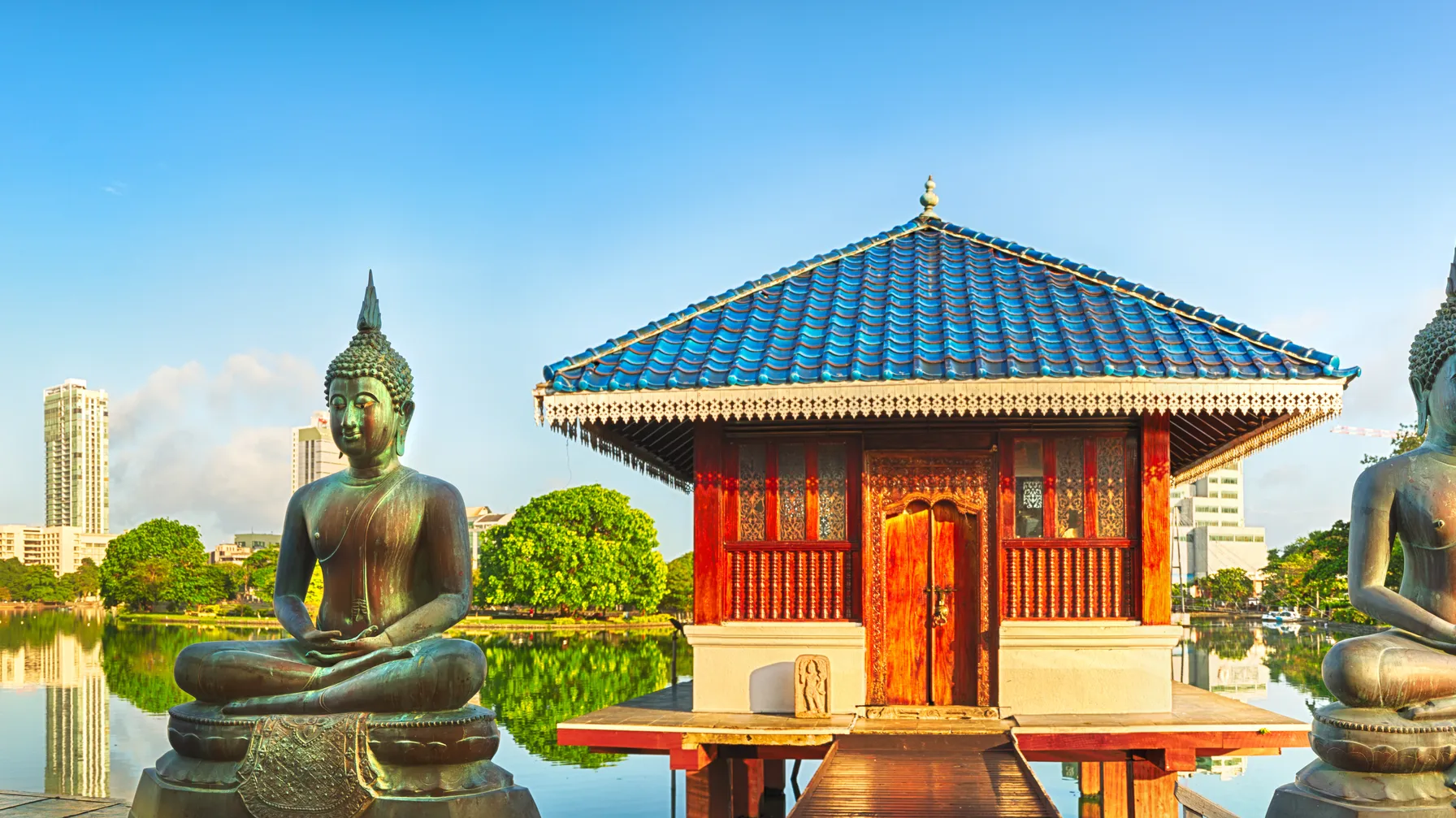
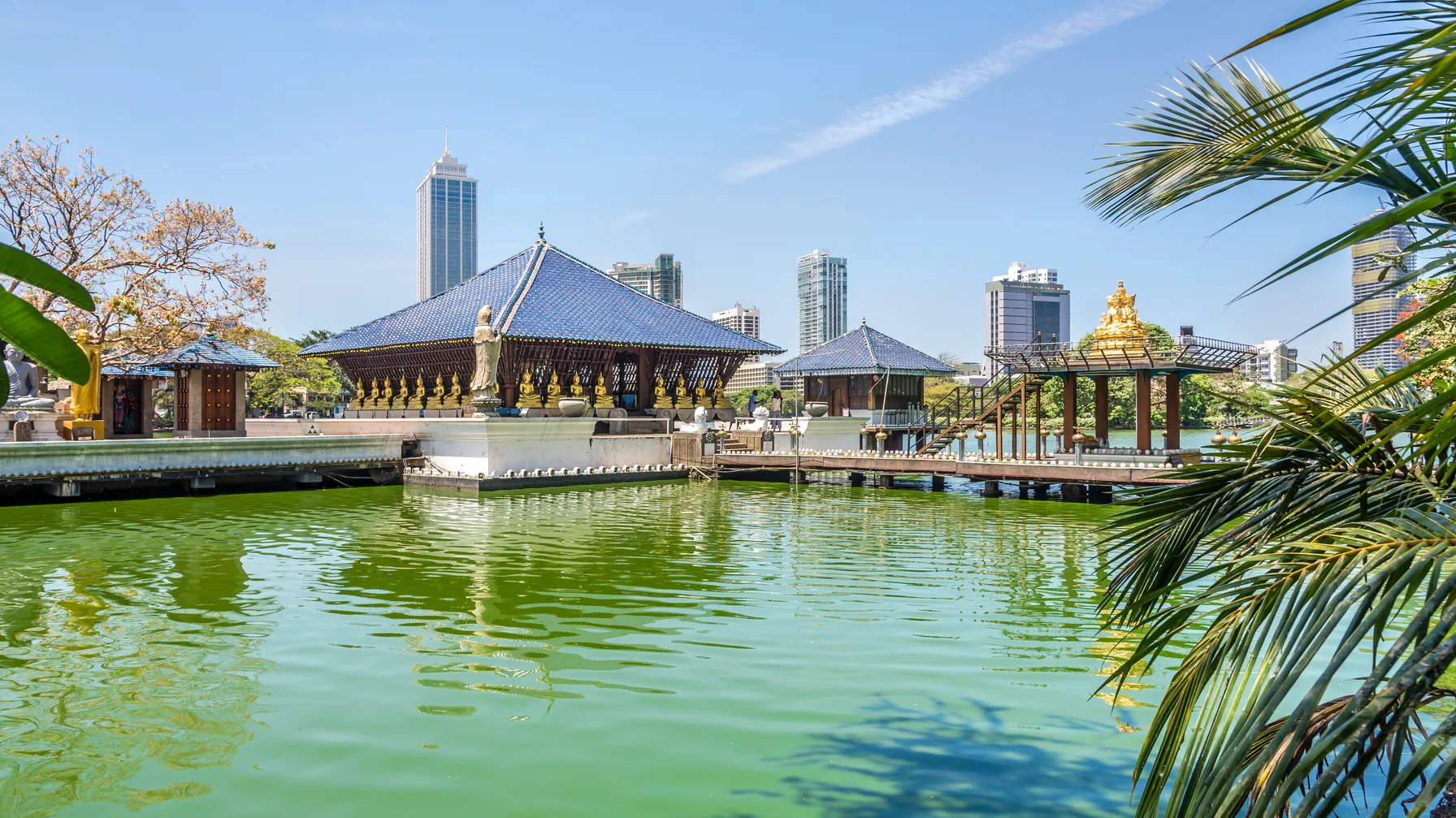
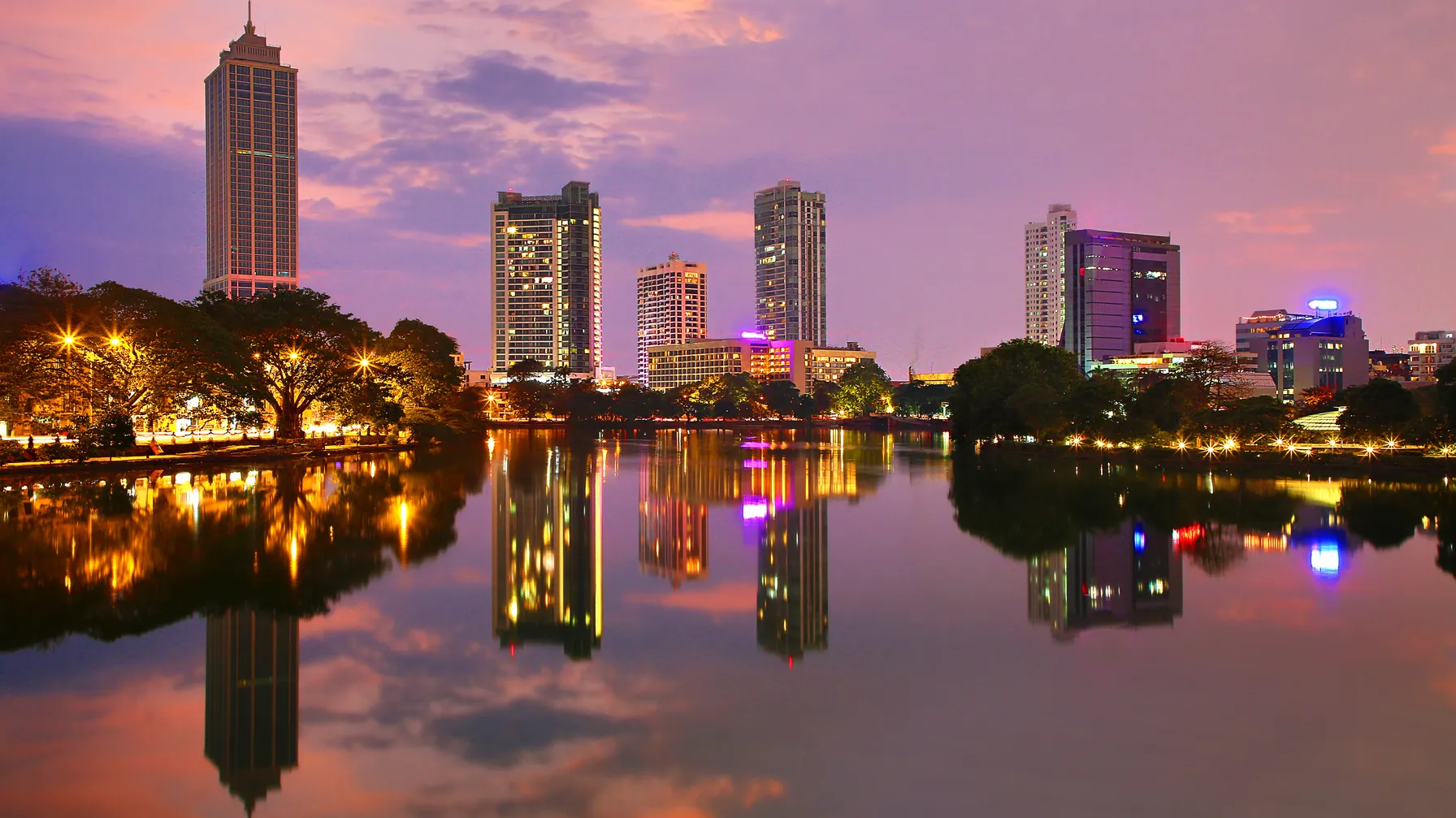
Not far from there, the Seema Malaka temple, designed by architect Geoffrey Bawa, gracefully floats on Beira Lake. This contemporary architectural marvel harmoniously converses with ancient Buddhist traditions. At sunset, the view from this temple provides a striking panorama of Colombo’s skyscrapers, creating a poetic contrast between spirituality and modernity.
Colombo's religious diversity is also expressed through the Sri Kailawasanathan Swami Devasthanam Kovil, the city's oldest Hindu temple. Its colorful sculptures and finely crafted gopurams (towers) reflect the Tamil influence on the local culture. The Sri Ponnambala Vaneswarar temple, with its black granite walls, offers a unique spiritual experience in an atmosphere of profound recollection.
Museums and cultural centers
The Colombo National Museum is an essential stop to understand the complex history of Sri Lanka. Founded in 1876, this prestigious institution gathers the most extensive collection of artifacts in the country: royal objects from the former Kingdom of Kandy, traditional masks, ancient sculptures, and archaeological testimonials from the cultural triangle.
The museum's galleries trace the evolution of Sri Lankan civilization from prehistoric times up to independence. The treasures on display notably include the throne of the last king of Kandy and a remarkable collection of palm leaf manuscripts that reveal the richness of ancient Sinhalese literature.
The Dutch Period Museum, located in the Pettah district, perfectly complements this cultural exploration. Set in a 17th century colonial mansion, it presents daily life during the Dutch occupation and displays art objects, period furniture, and historical documents that illuminate this lesser-known period of Sri Lankan history.
What unique experiences can be had in this metropolis?
Beyond its monuments and historic districts, Colombo reveals its personality through sensory and culinary experiences that define the local way of life.
Local flavors and traditional markets
Sri Lankan cuisine finds its most refined and authentic expressions in Colombo. The local markets, true culinary theaters, offer a full immersion into the island lifestyle. Beyond the famous Pettah market, the Kollupitiya Market unveils its colorful stalls where fragrant spices, tropical fruits, and fresh vegetables intertwine.
Food courts and local restaurants offer must-try specialties: rice and curry, the national dish with numerous variations, hoppers (fermented rice pancakes) served at breakfast, and kottu roti, a culinary spectacle where chefs rhythmically chop the flatbreads on hot metal plates.
For a more refined experience, the establishments at Dutch Hospital or in the Cinnamon Gardens district offer fusion cuisine that revisits Sri Lankan classics with a modern presentation. These venues allow for the discovery of local flavors in an elegant setting, perfect for a memorable dining evening.
Panoramic views over the city
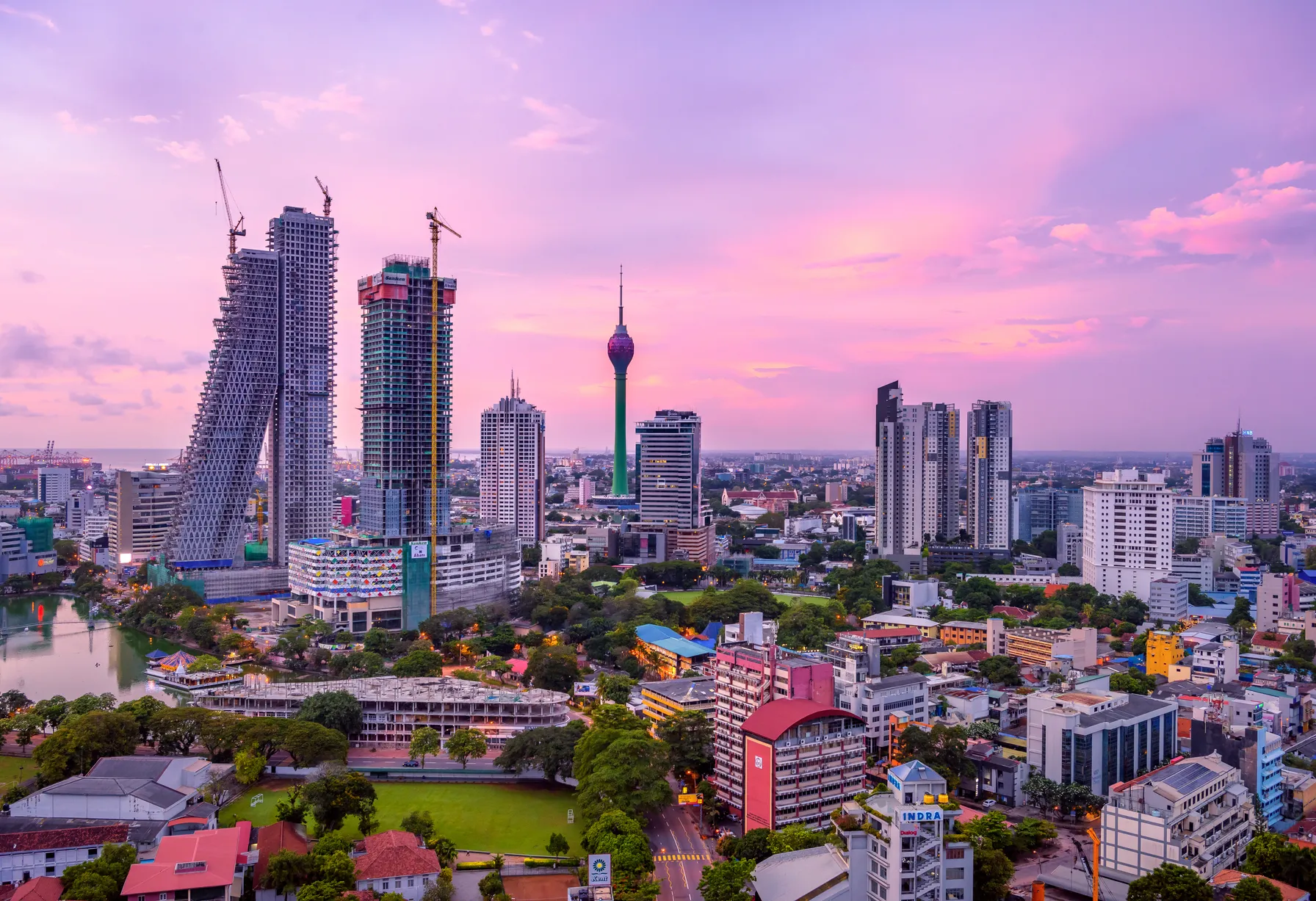
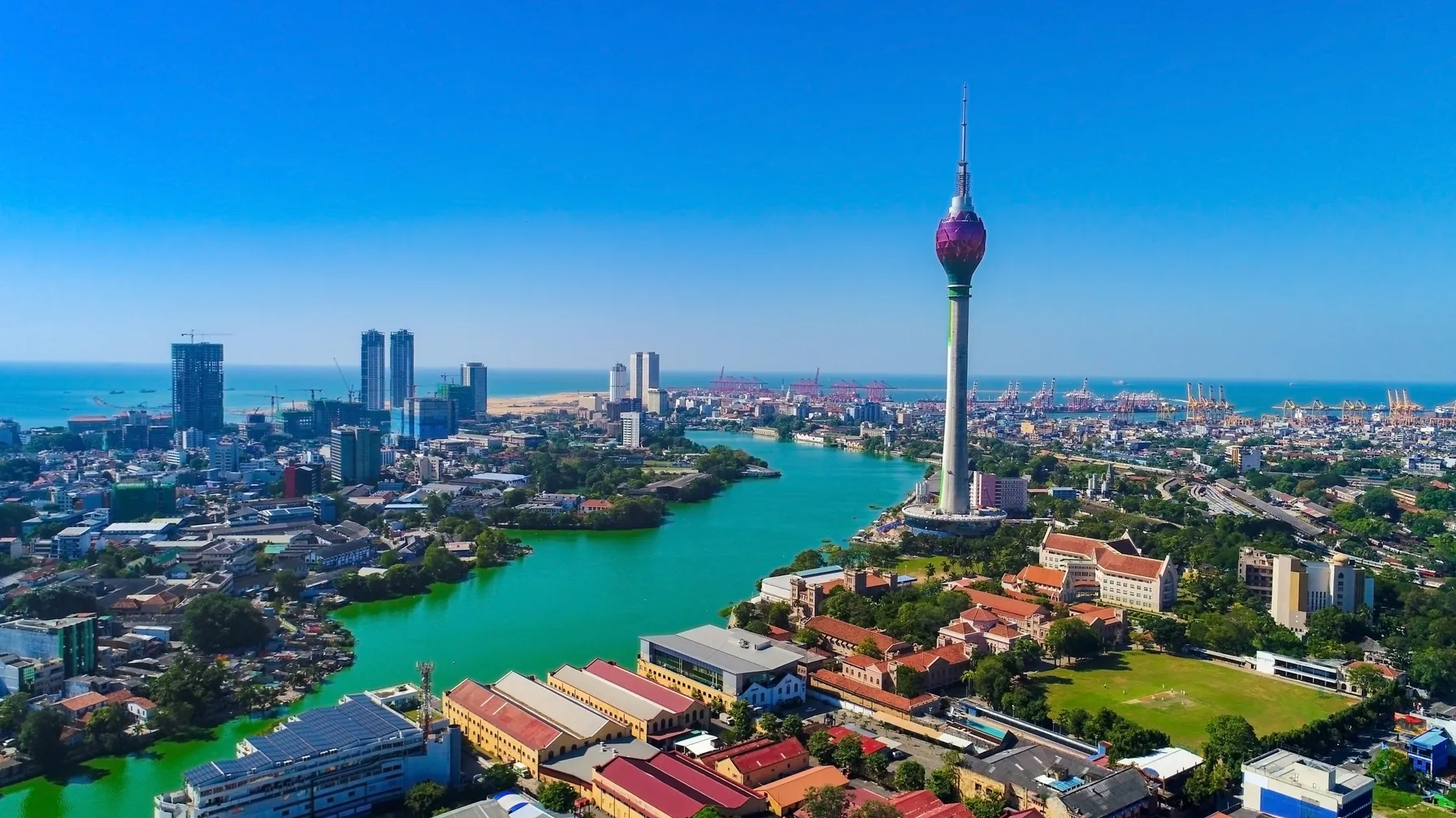
The Lotus Tower, a symbol of Colombo's modernity, rises to 350 meters and offers the most spectacular panoramic view of the economic capital. Its observation decks reveal the expanse of this constantly evolving metropolis, from the historical port to the new business districts, through the green residential areas.
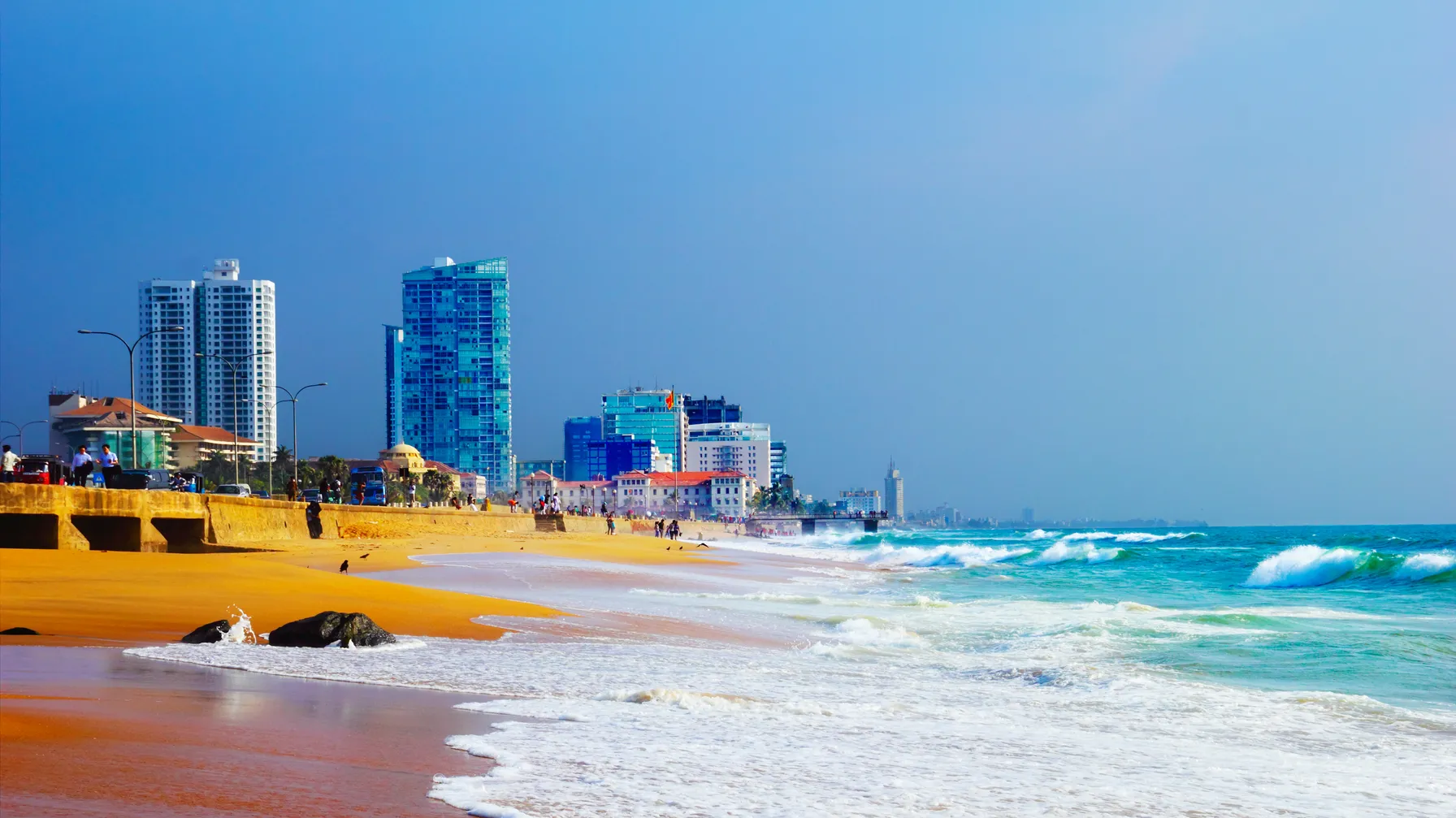
Galle Face Green is an essential meeting point to admire the sunset over the Indian Ocean. This vast seaside esplanade welcomes families, couples, and friends coming to enjoy the sea breeze and the daily spectacle of the sun disappearing on the horizon. Street vendors offer local snacks, creating a friendly and authentic atmosphere.
The rooftop bars of the city's prestigious hotels offer a more sophisticated alternative for viewing Colombo from above. These establishments combine exceptional views and refined lifestyle, allowing guests to savor a cocktail while observing the urban bustle unfolding below.
The Port City Colombo harbor district, built on an artificial peninsula, represents the city's future. Its modern towers and recreational complexes offer a striking contrast to historical Colombo, perfectly illustrating the ambitions of this rapidly transforming capital.
Book your custom trip to Sri Lanka now
The Sri Lankan capital thus unveils its multifaceted aspects through a mosaic of authentic experiences. Between preserved colonial heritage, living spirituality, and ambitious modernity, visiting Colombo reveals the richness of a destination that deserves attention well beyond a mere stopover.