When to go to Papeete: complete guide to choosing your ideal period
What is the climate in Papeete throughout the year?
The permanent mildness of Papeete's tropical climate makes it a preferred destination to escape daily life. This Polynesian capital enjoys a stable climate environment, marked by temperatures that never drop below 21°C, even during the coldest nights.
The dry season from May to October: your ally
During this period to visit Papeete, the climatic conditions reach their optimum. The temperatures are warmly moderate, oscillating between 22°C at night and 30°C during the day. July is particularly a privileged moment, with its maximum of 29°C and only 42mm of monthly precipitation.
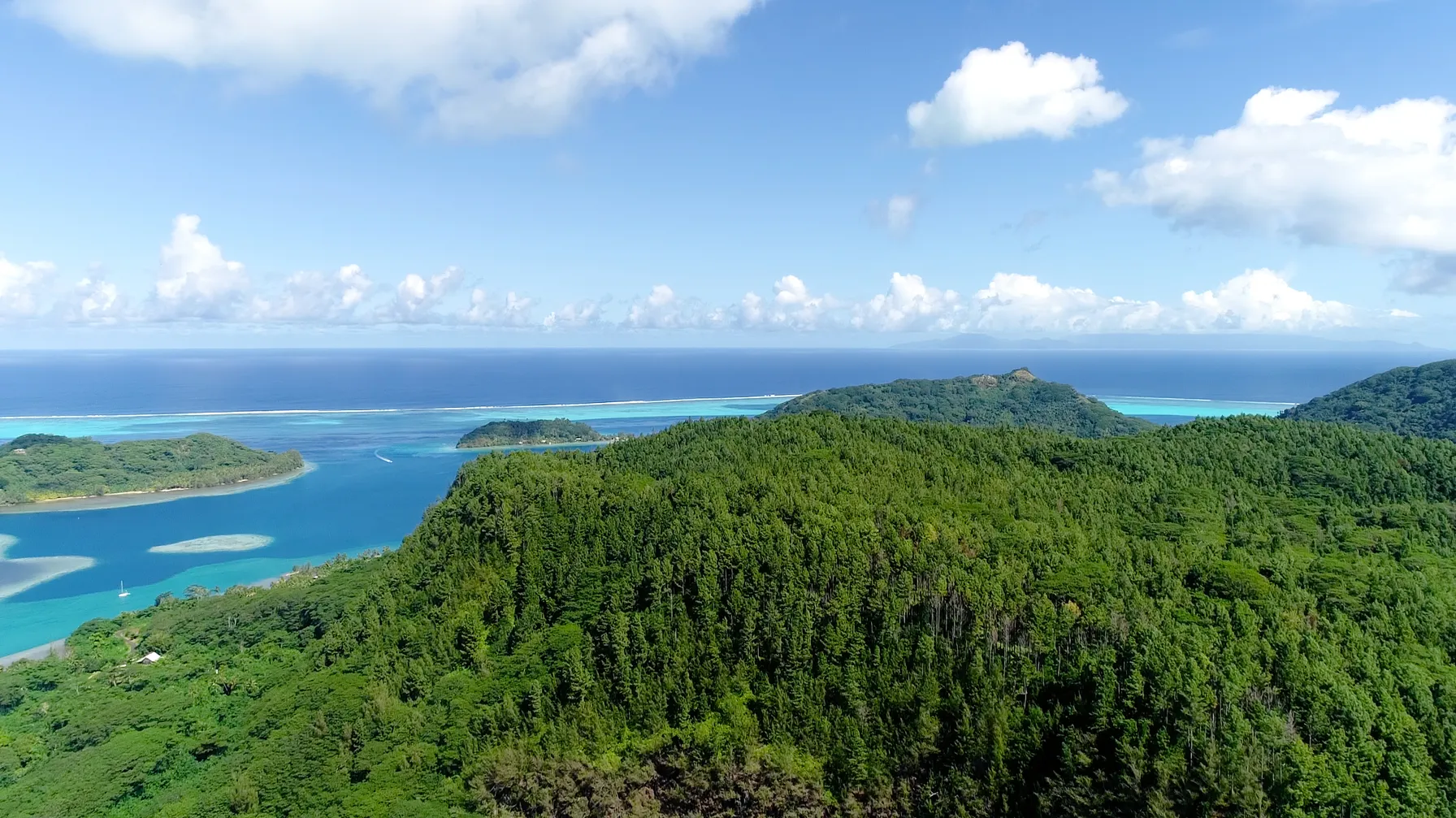
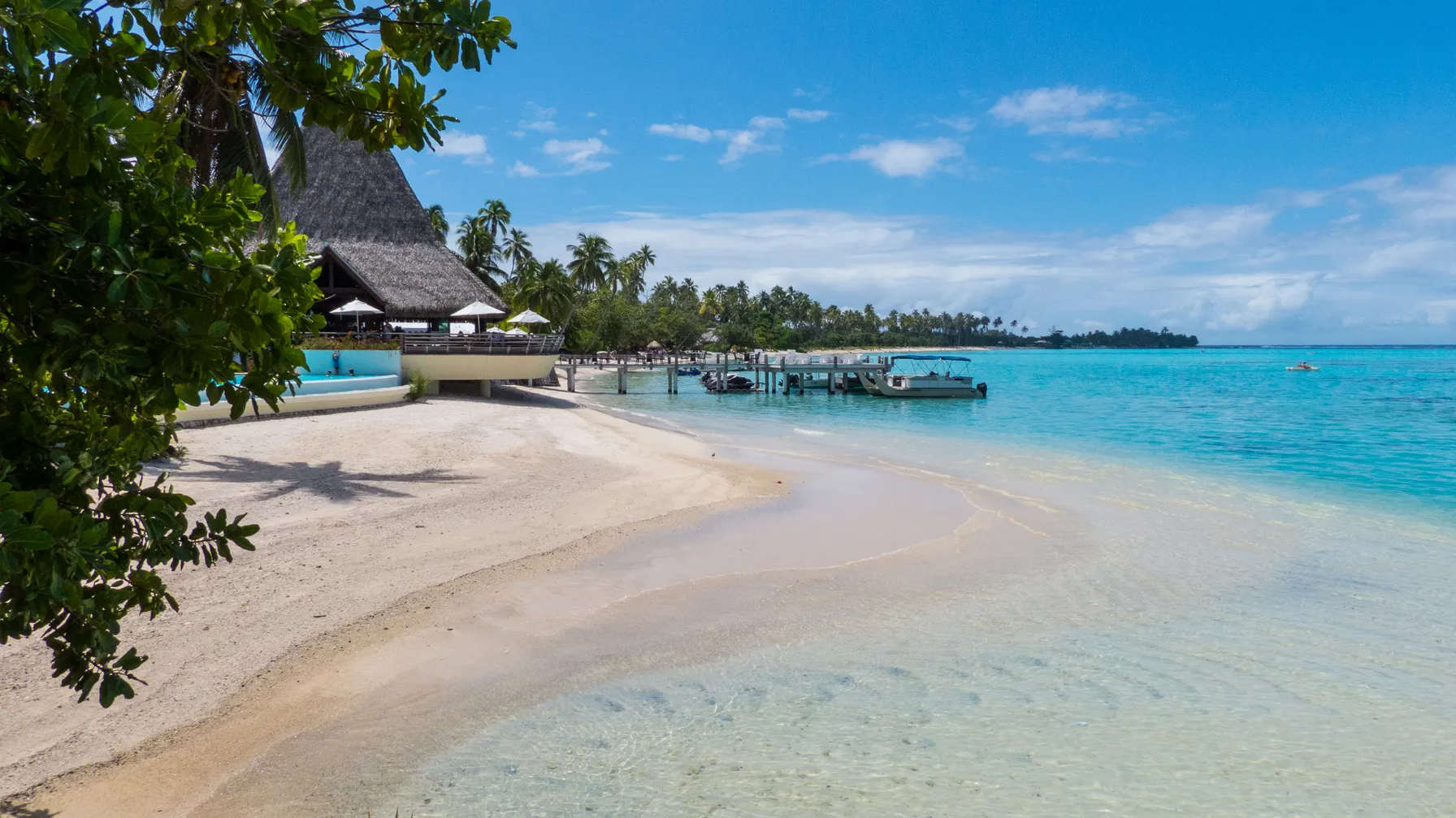
This tourist season coincides with the austral winter when trade winds bring a welcome freshness. Sunlight remains generous with 6 to 7 hours of sunshine daily, perfect for enjoying the turquoise lagoons. Sea water temperature, maintained between 26°C and 27°C, invites uninhibited nautical pleasures.
The more moderate humidity rate during the dry season makes the days particularly pleasant. July to October are months when you can explore Papeete and its surroundings in optimal comfort, whether it is to discover the colorful market or go on an excursion to Bora Bora.
The rainy season from November to April: between charm and challenges
The high season paradoxically corresponds to the austral summer, a period during which Papeete reveals its most authentic face. Average temperatures climb up to 32°C in March, accompanied by a high humidity rate which can sometimes make the atmosphere oppressive.
December displays the peak of pluviometry with 267mm of precipitation, closely followed by January (227mm). These tropical showers, although intense, usually remain short and allow discovering Polynesia from a different perspective. Sunlight paradoxically reaches its maximum during this period, with up to 10 hours of sun in December.
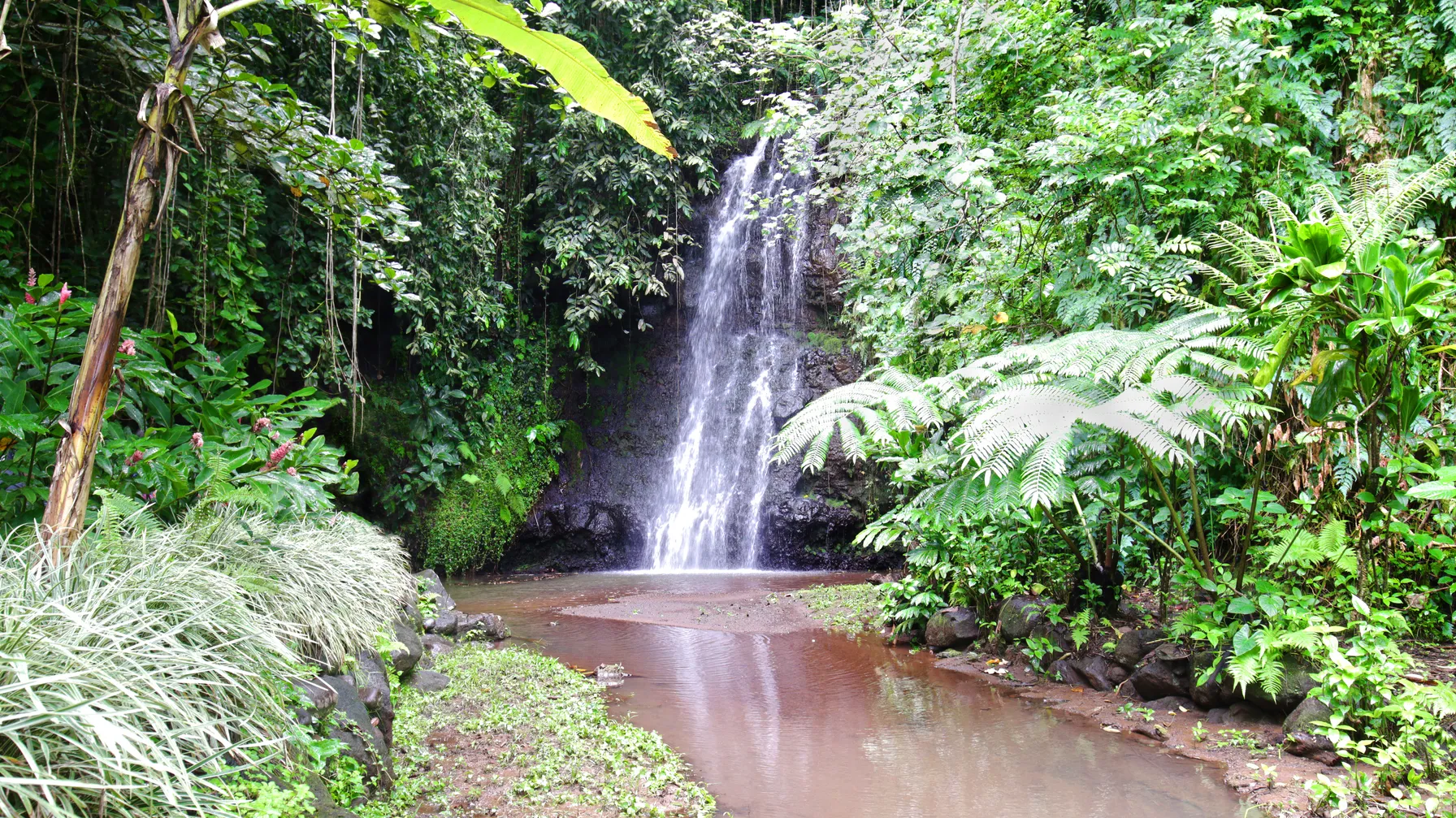
The sea temperature peaks at 29°C during this period, offering ideal conditions for diving and discovering the exceptional marine floors. This season also reveals the lush tropical vegetation in all its splendor, with a vibrant greenery after each rain shower.
Contact us for more information on the best times to go
The climatic peculiarities of the Tahitian capital
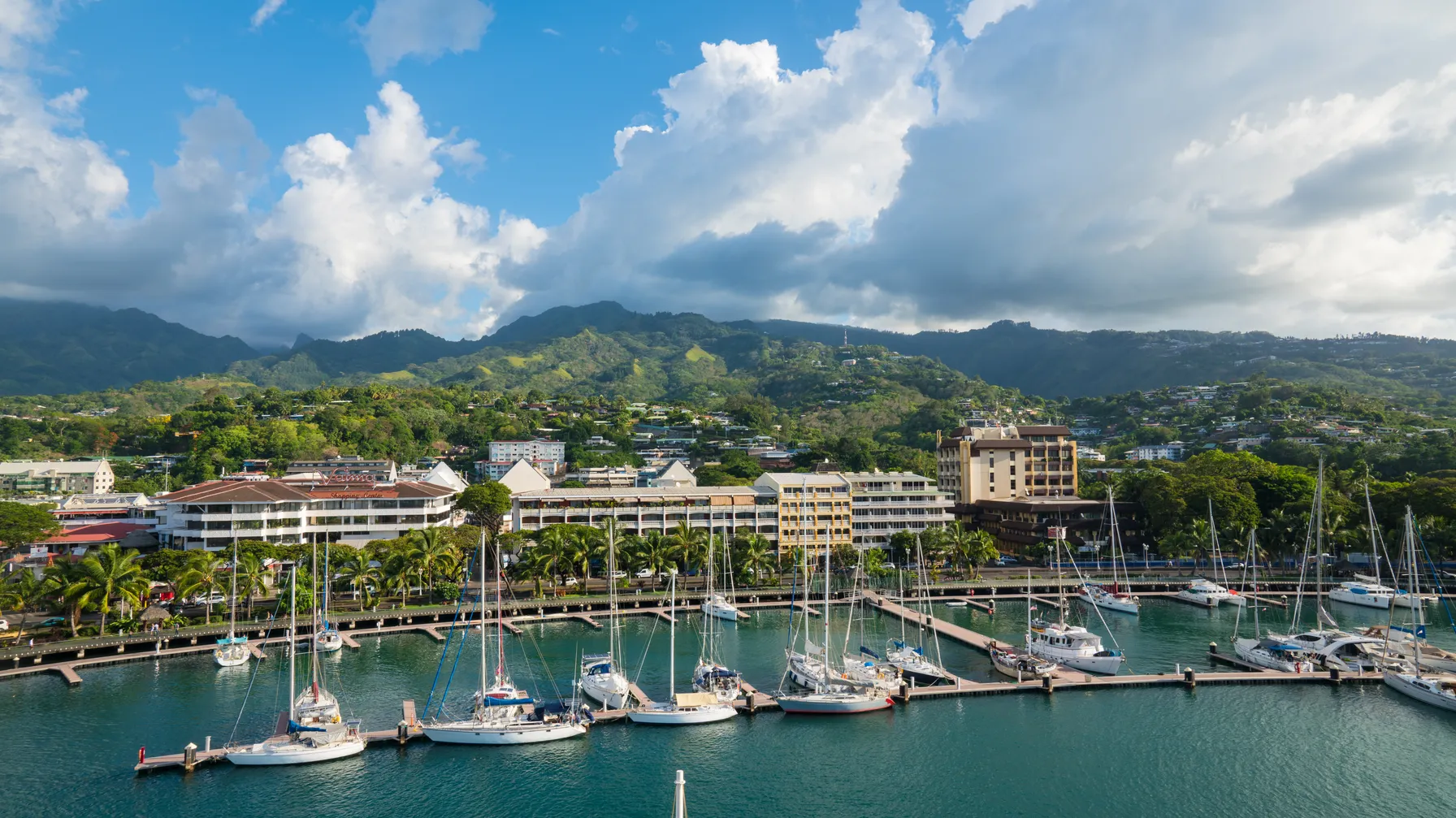
Papeete benefits from a slightly different microclimate from the rest of Tahiti. Its location on the northwest coast of the island partially protects it from prevailing winds, creating a more stable atmosphere. The time difference with Europe (11 or 12 hours depending on the season) comes with a total climate change.
Temperature variations remain remarkably constant: only 3°C difference between the coolest month (August with 29°C) and the hottest (March with 32°C). This stability makes Papeete a destination where going anytime of the year remains feasible, according to your travel priorities.
What are the most favorable months according to your travel desires?
Choosing your period to go essentially depends on your expectations and your tolerance to tropical conditions. Each s egment of the year offers specific advantages that should be analyzed according to your traveler profile.
May to July: the perfect balance
These three months constitute the best period to discover Papeete in optimal conditions. May marks the transition between the two seasons, with 106mm of rain and a maximum of 31°C - an ideal compromise between relative freshness and generous sunshine.
June stands out as a particularly attractive month with only 69mm of precipitation and 30°C during the day. During this period, you can fully enjoy the places to visit around Papeete, including botanical gardens or archaeological sites.
July remains the favorite for connoisseurs: moderate temperatures, minimal precipitation (42mm), and sea at 27°C. This month also corresponds to the period when humpback whales transit through Polynesian waters, offering exceptional observation opportunities.
August to October: the high season softly
August extends the ideal conditions of July with only 48mm of rain and maximum temperatures of 29°C. It's the coolest month of the year in Papeete, particularly appreciated by those who are less tolerant of intense tropical heat.
September maintains this balance with 37mm of precipitation - the annual minimum - and a gradual return to slightly higher temperatures (30°C). This period remains perfect for a stay in Polynesia focused on outdoor activities.
October marks the transition towards the rainy season with 102mm of rain, but still maintains very favorable conditions. It's a strategic month to take advantage of the last weeks of low season while still enjoying an optimal climate.
Book your trip to Papeete now
The transition months: April and November
April presents interesting features for flexible travelers: 85mm of precipitation and a maximum of 32°C. This month marks the end of the rainy season with still a few showers, but a gradual return to more stable conditions.
November inaugurates the wet season with 102mm of rain and a maximum of 31°C. Despite the increase in precipitation, this month remains viable for discovering Papeete, especially if your trip to Polynesia prioritizes cultural authenticity over beach activities.
These transition periods offer the advantage of more favorable rates and reduced tourist attendance, allowing a more intimate approach to the destination.
How to optimize your stay according to your traveler profile?
The success of your trip to Papeete largely depends on the match between your personal expectations and the chosen period. Each type of traveler finds specific advantages according to the selected months.
For families: comfort and serenity
Families find their happiness during this period from May to October, when climatic conditions guarantee comfort and safety. Moderate temperatures allow children to fully enjoy outdoor activities without risk of overheating.
July and August correspond to European school holidays, making family organization easier. During this period, the lagoons provide perfect conditions for introducing the youngest to aquatic pleasures: snorkeling, kayaking, or simply swimming in water at 26-27°C.
Tourist infrastructure operates at full capacity during the tourist season, guaranteeing a service offer adapted to families. Cultural activities multiply, especially traditional dance shows that fascinate both young and old.
For couples: romance and privacy
Couples in search of romance will favor the months of September and October, a period when attendance slightly decreases while maintaining excellent climatic conditions. This regained intimacy allows enjoying the legendary sunsets of Papeete in a more confidential atmosphere.
The period from November to April, despite its climatic constraints, offers exceptional moments. Tropical storms create striking natural spectacles, while the lush vegetation forms a green setting for your romantic escapades.
Our advice for honeymoons: favor May or June, months that combine optimal conditions and the start of the tourist season, to benefit from the best of both worlds.
Practical advice for all travelers
Regardless of your profile, some recommendations apply to ensure your successful discovery of Papeete month by month. Plan for light, breathable clothing all year round, complemented by a light raincoat during the rainy season.
A high-protection sunscreen is essential at all times, as the intensity of UV remains high even on cloudy days. During this period from November to April, add mosquito repellent and long clothing for the evenings.
Booking accommodations prove crucial during the high season from July to September. Conversely, the low season offers more flexibility and preferential rates, particularly interesting for extended stays.
Contact us for more information
Ultimately, choosing when to go to Papeete depends on your personal priorities. This South Pacific destination retains its attractions all year round, but reveals its finest during the dry season. Between privileged tropical climate, cultural richness, and exceptional natural beauty, Papeete awaits to create unforgettable memories, regardless of the period chosen for your Polynesian escapade.