When to visit Da Nang: the complete guide to choosing the best time
What is the climate of Da Nang throughout the year?
Da Nang has a monsoon tropical climate characterized by a marked alternation between two distinct seasons. This climatic peculiarity of central Vietnam considerably influences the organization of your tailor-made trip and determines the activities you can enjoy on site.
The dry season, the favored period to discover central Vietnam
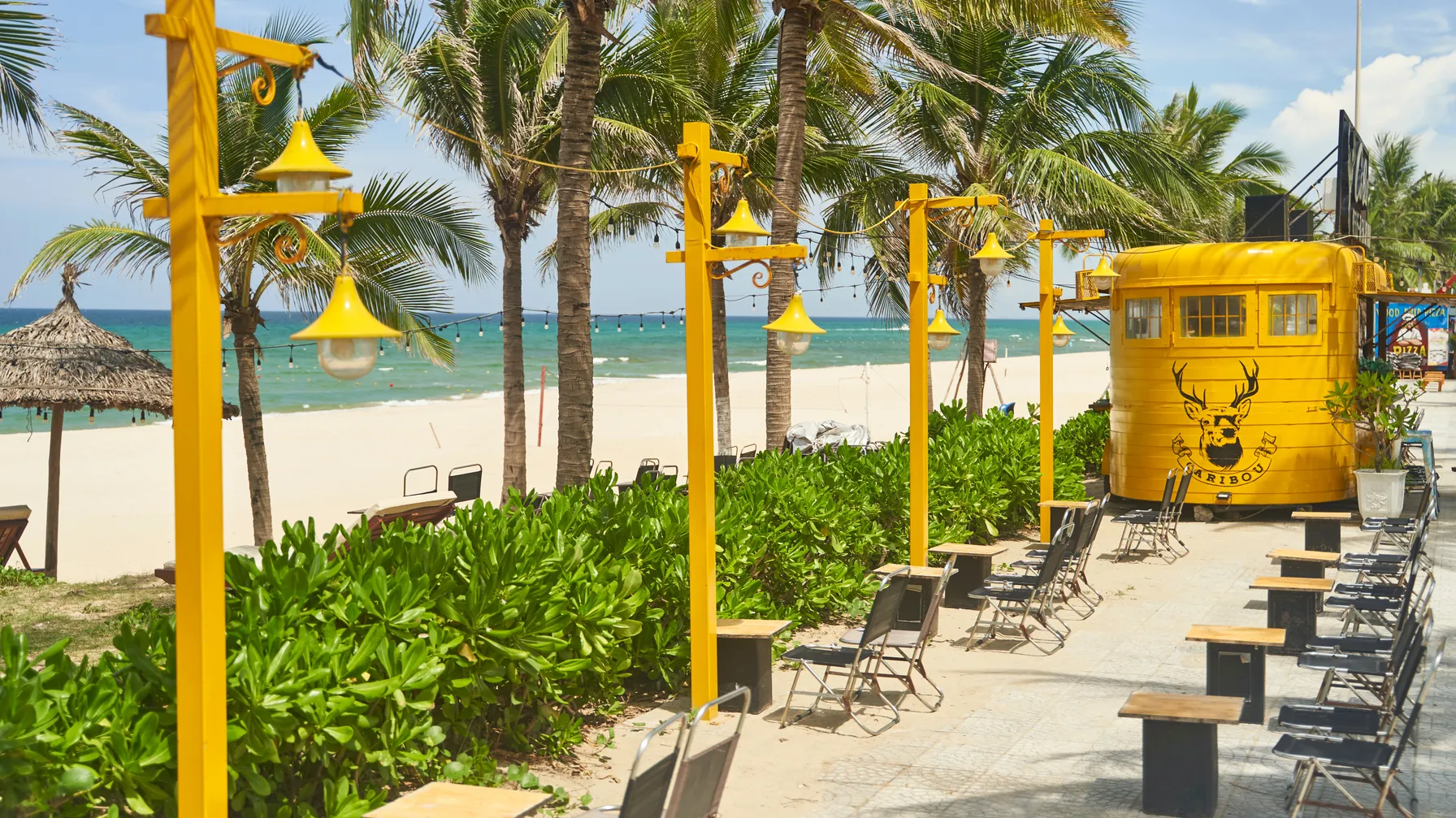
The dry season generally extends from February to August and is the best time to visit Da Nang. This period offers particularly favorable weather conditions with generous sunshine and limited rainfall. Average temperatures range between 25°C and 35°C, creating an ideal atmosphere for enjoying the beaches of Non Nuoc or exploring the trails of Ba Na.
During these months, humidity remains bearable and days benefit from 6 to 8 hours of daily sunshine. Oceanic trade winds bring a refreshing breeze, particularly appreciable in the middle of the day. This period also corresponds to the peak tourist season, especially between March and May, when the weather conditions reach their optimal.
The climate in Da Nang during the dry season supports all outdoor activities: hiking in the Marble Mountains, trips to Hoi An, exploring temples and pagodas, or simply relaxing on pristine beaches. Evenings remain mild, perfect for enjoying local cuisine at terrace restaurants.
The rainy season and its tropical specifics
The rainy season marks the climate in Da Nang from September to December, with a peak in intensity in October and November. This period is characterized by heavy rainfall that can reach up to 700 mm per month, occasionally accompanied by typhoons between September and November. Temperatures drop slightly, ranging between 22°C and 30°C, but humidity increases significantly.
Contrary to popular belief, this season does not mean continuous rain. Showers are generally concentrated in the late afternoon or evening, leaving mornings often sunny. However, the risks of sudden bad weather and rough seas make certain activities more delicate, including boat trips or swimming.
This period nevertheless has its advantages: lush vegetation, landscapes of striking beauty, and reduced tourist attendance. Travelers seeking authenticity and experiences off the beaten path can find their happiness during these quieter months.
Temperatures and weather conditions month by month
The following table presents detailed climate conditions to help you plan your trip to Vietnam:
| Month | Min/Max Temperature | Precipitation | Rainy Days | Sunshine |
|---|---|---|---|---|
| January | 20°C \/ 25°C | 101 mm | 15 days | 5h/day |
| February | 21°C \/ 27°C | 30 mm | 7 days | 6h/day |
| March | 22°C \/ 28°C | 11 mm | 4 days | 5h/day |
| April | 24°C \/ 31°C | 17 mm | 4 days | 6h/day |
| May | 25°C \/ 34°C | 46 mm | 8 days | 4h/day |
| June | 26°C \/ 35°C | 41 mm | 7 days | 4h/day |
This month-by-month travel guide reveals that February to May is the best time to discover Da Nang in optimal conditions. January remains cooler but is still pleasant, while June marks the start of the highest temperatures.
Contact us for more information on the best times to visit

Demandez votre devis Da Nang sur-mesure 100% gratuit
 4.8
4.8+3.000 travelers satisfied
What is the best time to visit Da Nang depending on your expectations?
Choosing the ideal moment for your custom trip to Da Nang mainly depends on your priorities and the type of experience you are looking for. This central Vietnam destination offers different possibilities depending on the season, allowing every traveler to find what they are looking for.
For beach lovers and outdoor activities
If your trip to Vietnam prioritizes seaside pleasures and outdoor adventures, the period from February to May represents your ideal window. During these months, the beaches of Da Nang enjoy perfect conditions: calm sea, water temperatures around 26°C and generous sunshine.
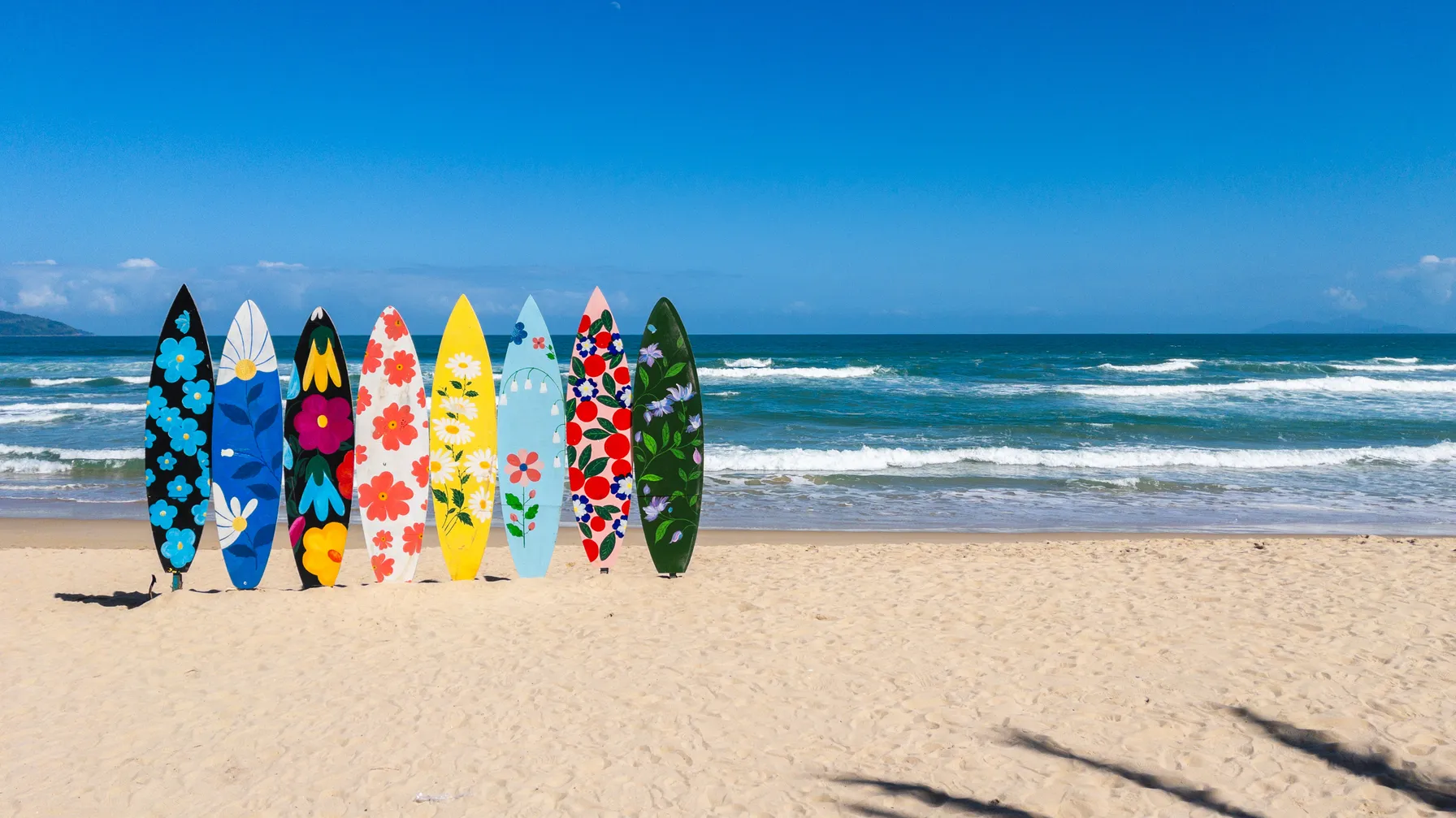
This period allows you to fully enjoy water activities: surfing at the famous spots of My Khe, diving to explore the seabed, or boat excursions to the surrounding islands. Hiking in the Marble Mountains also becomes more pleasant thanks to the moderate morning temperatures.
Golf enthusiasts will particularly appreciate this season to discover the prestigious courses of the region, while families can organize picnics on the beaches without fearing sudden showers. Our advice: favor April and May to enjoy still bearable temperatures before the summer heat.
For an authentic cultural immersion
Travelers passionate about culture and history will find their happiness during the period from February to May, but also in June despite higher temperatures. These months coincide with several traditional Vietnamese festivities, particularly Tết (Vietnamese New Year) which usually falls between late January and February.
This season allows you to comfortably visit iconic cultural sites: the Cham museum with its thousand-year-old sculptures, the Linh Ung pagoda on the Son Tra peninsula, or the traditional villages in the Marble Mountains. The cooler morning temperatures facilitate the discovery of these heritage treasures.
The excursion to Hoi An, a UNESCO World Heritage Site, becomes particularly enchanting during this period. The colorful lanterns of the old town are beautifully reflected in the calm waters of the Thu Bon river, creating a magical atmosphere for your evenings.
For a journey off the beaten track
Adventurous travelers might consider the period from December to January for a more authentic and intimate experience. Although temperatures are cooler (around 20-25°C), this season has the advantage of reduced visitor numbers and more favorable rates.
This period allows you to discover Da Nang from a different angle: more authentic local markets, restaurants frequented primarily by locals, and opportunities for privileged exchanges with the local population. The landscapes also take on a special beauty with sparser vegetation but often crystalline skies.
Did you know? This period coincides with the tuna fishing season, offering the opportunity to taste this fresh fish in coastal restaurants and possibly participate in traditional fishing trips.
Book your trip to Da Nang now
What to do in Da Nang depending on the season chosen?
The schedule for your activities in Da Nang naturally adapts to the weather conditions to make the most of each season. This Vietnamese destination reveals different faces depending on the time of your visit.
Must-have experiences of the dry season
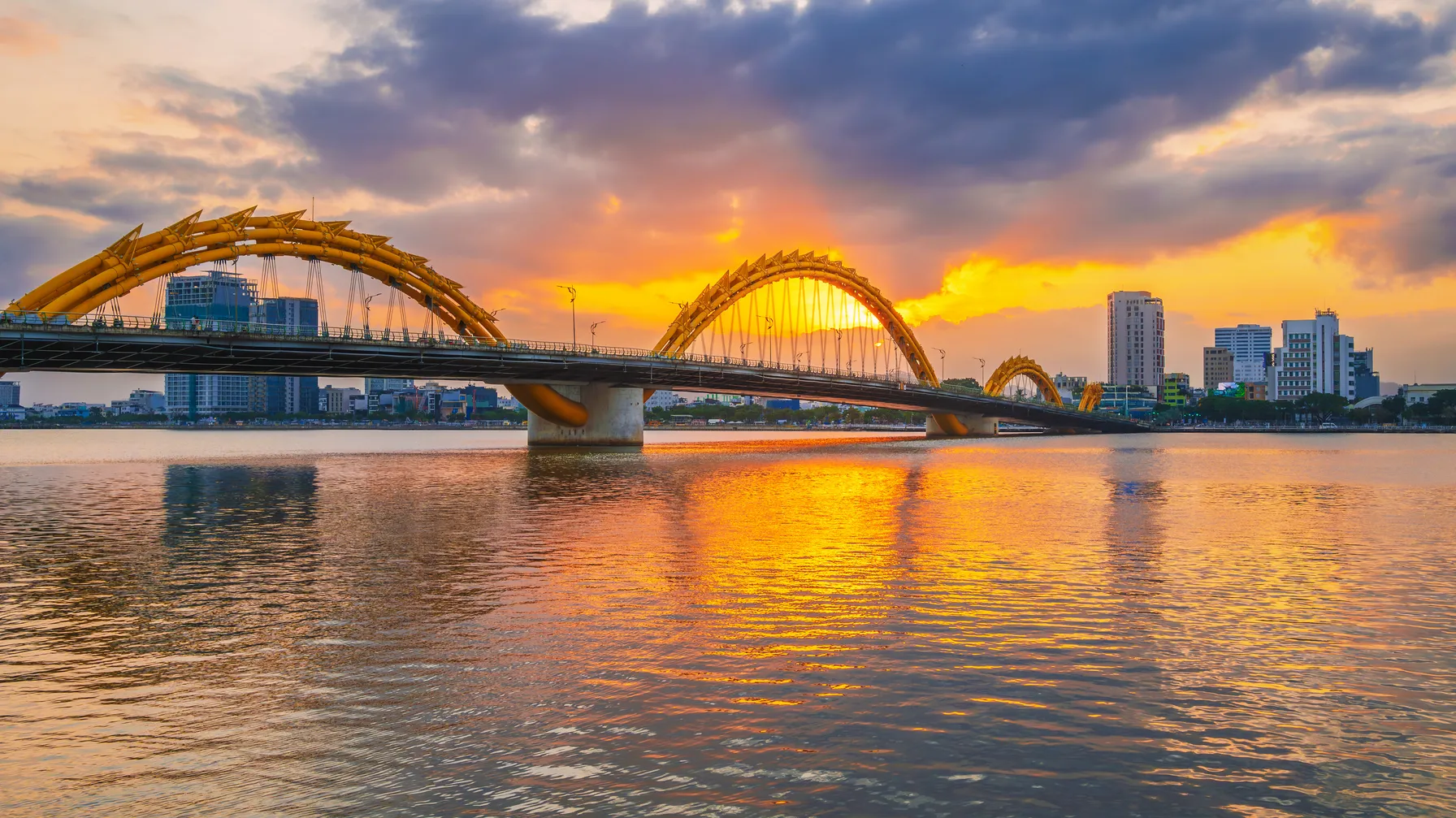
During the dry season, Da Nang reveals its full potential for diverse activities. Sunny mornings are the perfect time to climb Ba Na Hills and discover its famous golden bridge suspended in the clouds. The cable car ascent offers breathtaking panoramas of the surrounding area.
The beaches of My Khe and Non Nuoc become ideal playgrounds for water sports. Surfing experiences its best conditions from March to May, with regular waves and perfectly tempered water. Boat trips to the Son Tra peninsula allow for observing the doucs langurs, endemic primates of the region.
This period also favors the exploration of the Marble Mountains at dawn, when the golden light illuminates the stone sculptures and sacred caves. The five marble hills reveal their secrets in a mystical atmosphere, away from the midday crowds. The Buddhist temples nestled in these rock formations offer moments of exceptional serenity.
Authentic discoveries to prioritize
Even during the wettest months, Da Nang holds surprises for discerning travelers. The rainy season transforms the region's waterfalls into majestic natural spectacles, especially those of Ba Ho near Hoi An. The surrounding botanical gardens and national parks take on a striking wild beauty.
This period is the best time to enjoy local cuisine in the covered markets. Han Market and Con Market reveal their culinary treasures sheltered from the weather: steaming pho soups, fresh spring rolls, sun-drenched tropical fruits. Cooking classes organized in traditional restaurants take on a special dimension when the rain drums on the roofs.
The museums of Da Nang, often overlooked during the high season, regain their tranquility and allow for a deeper cultural immersion. The Cham sculpture museum reveals the millennial history of the vanished kingdom in an intimate atmosphere, while the Da Nang museum traces the evolution of this port city.
Our Travel Planners also recommend this period to discover the surrounding artisan villages: silk workshops in Hoi An, traditional nuoc-mam factories, or wood carvings in the mountains. These authentic activities reveal the true soul of central Vietnam, far from the classic tourist circuits.
The good plan: take advantage of this period to negotiate advantageous prices in luxury hotels and benefit from more personalized service, as establishments then have more availability to pamper their guests.
Contact us for more information