Namibia guide: all you need to know to prepare your trip
When to go to Namibia: what is the best time for your stay?
Namibia can be visited all year round, but each season offers a very different experience. The choice of the right moment to go to Namibia depends above all on your priorities: observe wildlife in its element, explore the desert at dawn or discover a verdant Namibia that is less frequented.
The dry season, from May to November: the ideal time for safaris
From May to November, the dry season represents the period the most prized for trips to Namibia. Temperatures stay pleasant, ranging between 20 and 30 °C during the day, with cool nights that can drop below 10 °C in the austral winter (June-July). The absence of rain makes access to tracks easier, vegetation thins around water points and animals concentrate in the wetlands of Etosha: this is the ideal window for exceptional safaris. This season is particularly suitable for a trip with family or a honeymoon in an intimate and preserved setting.
| Month | Day temperatures | Night temperatures | Precipitation | Sunshine |
|---|---|---|---|---|
| May – Jun | 22 – 25 °C | 8 – 12 °C | Very low | Excellent |
| Jul – Aug | 24 – 27 °C | 10 – 14 °C | Almost zero | Excellent |
| Sept. – Nov. | 28 – 35 °C | 15 – 20 °C | Low | Very good |
| Dec. – Apr. | 30 – 38 °C | 20 – 24 °C | Moderate to heavy | Variable |
The rainy season, from December to April: a Namibia with a different face
Between December and April, the rains transform the country into a lush and luminous landscape, particularly appealing to nature photography enthusiasts. Temperatures can exceed 35 °C in some inland regions. While safaris in Etosha National Park may be less easy then, the Atlantic coast — Walvis Bay and its flamingos, in particular — offers a unique atmosphere. The southern part of the country, with the Fish River Canyon, remains accessible and less crowded. This period also corresponds to the off-season for tourism, which allows you to savor a tailor-made journey in rare serenity.
Contact us for more information on the best times to visit Namibia
Which regions and must-see sights to discover during a Namibian trip?
Namibia is a vast country, twice the size of France, whose regions differ radically in landscapes, atmospheres, and the experiences they offer. To build a coherent itinerary, here are the steps that deserve special attention.
The Namib Desert, between blazing dunes and absolute silence
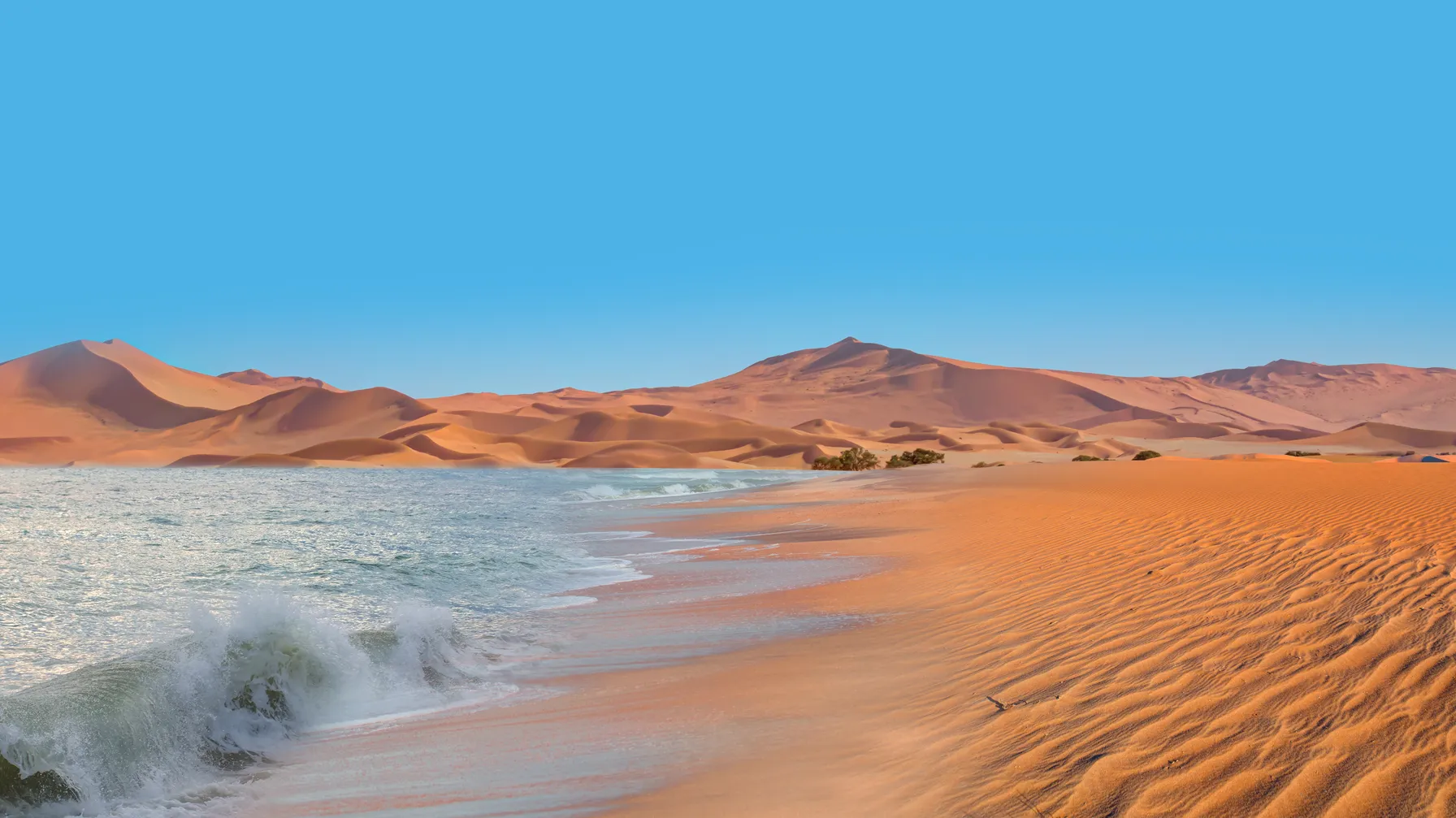
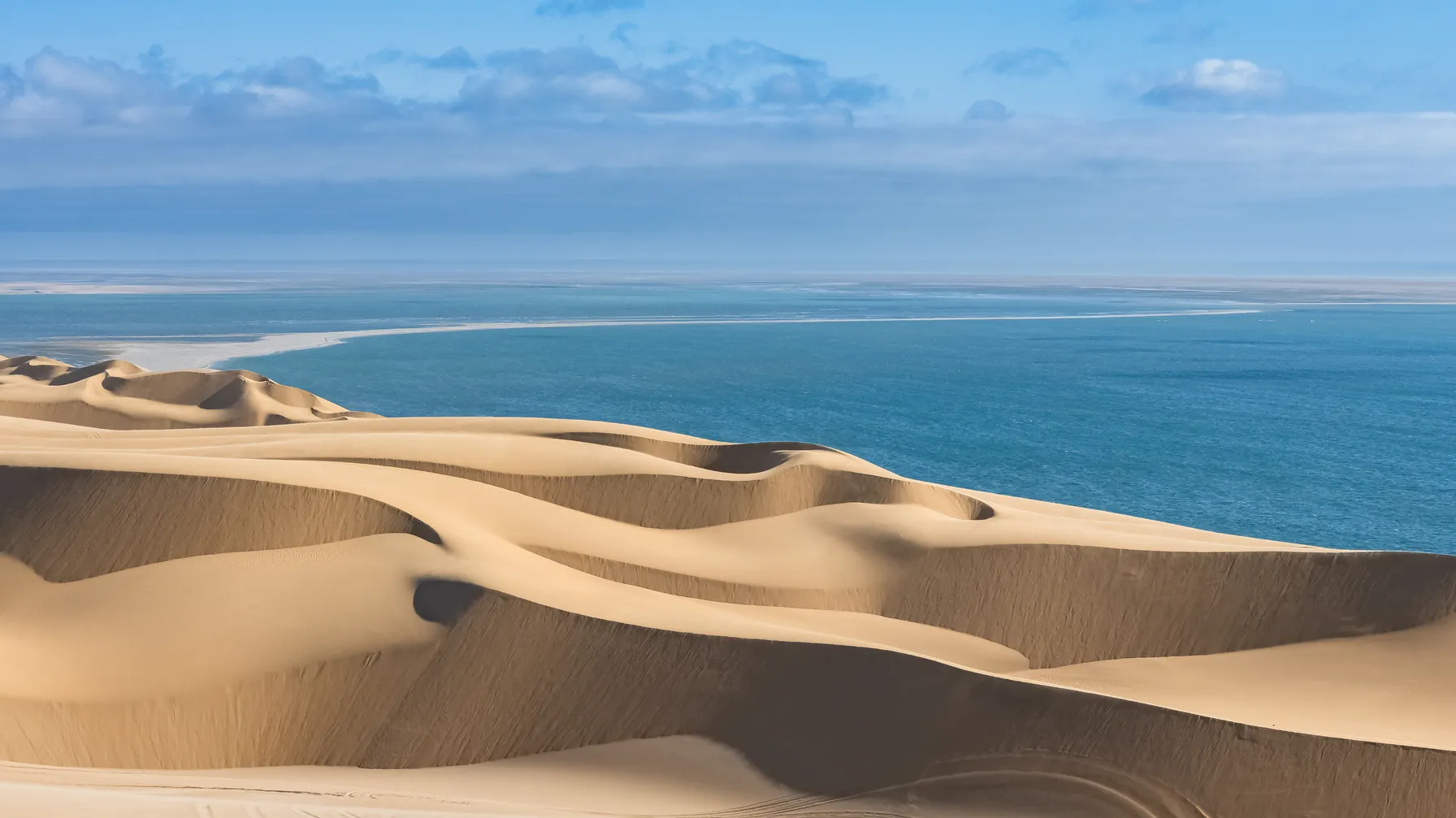
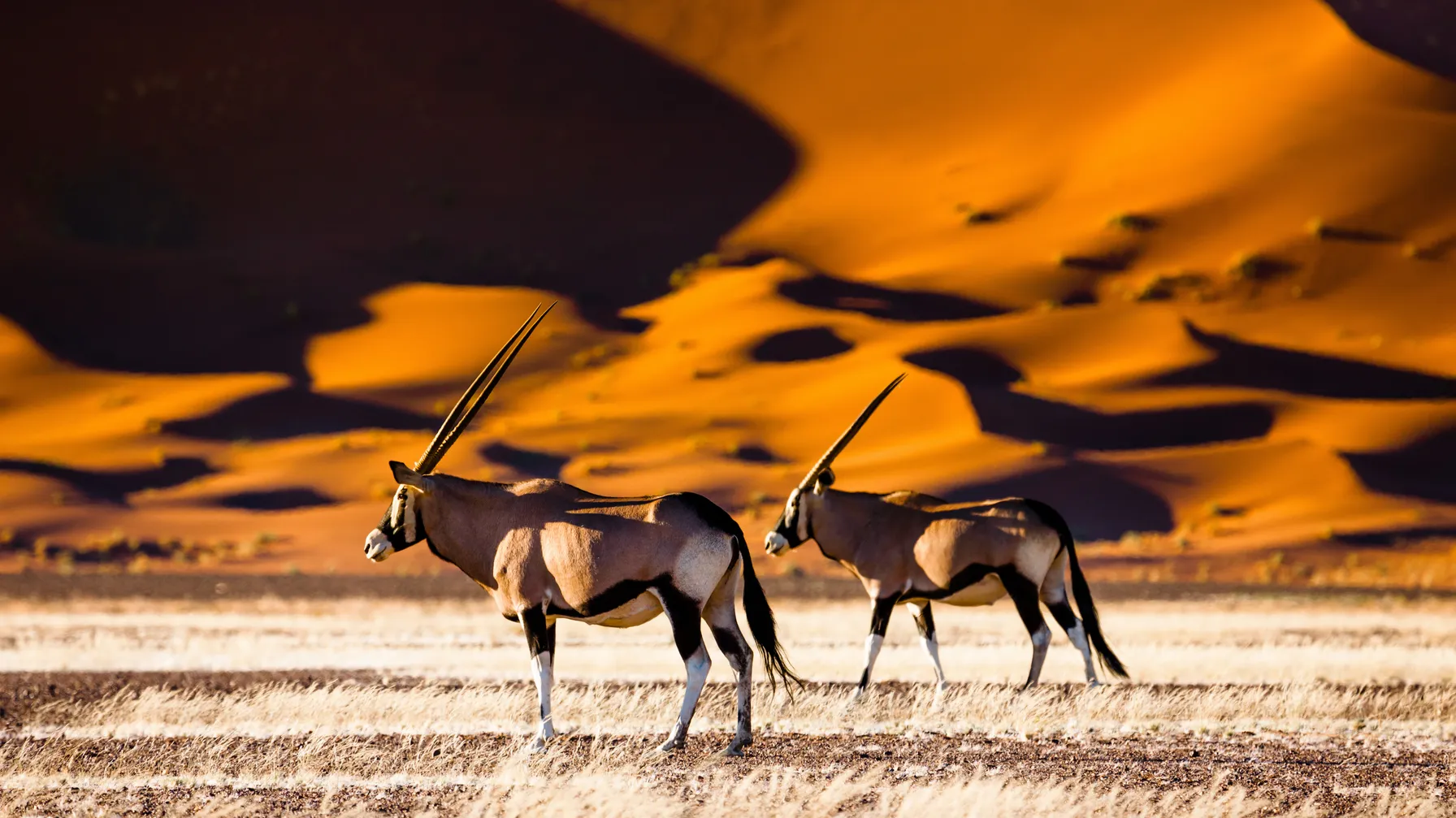
The Namib Desert is often the first image associated with Namibia. With dunes reaching up to 300 meters, colors ranging from brick red to golden ochre, and enveloping silence, it offers a spectacle of rare intensity. The Sossusvlei site, with its iconic dunes and the Deadvlei dried lake, is one of the most photographed landscapes on the African continent. The experience is ideally enjoyed at sunrise, when the low-angle light shapes each relief with nearly unreal precision.
<p>Between Etosha National Park and the Skeleton Coast: wildlife in its purest state</p>
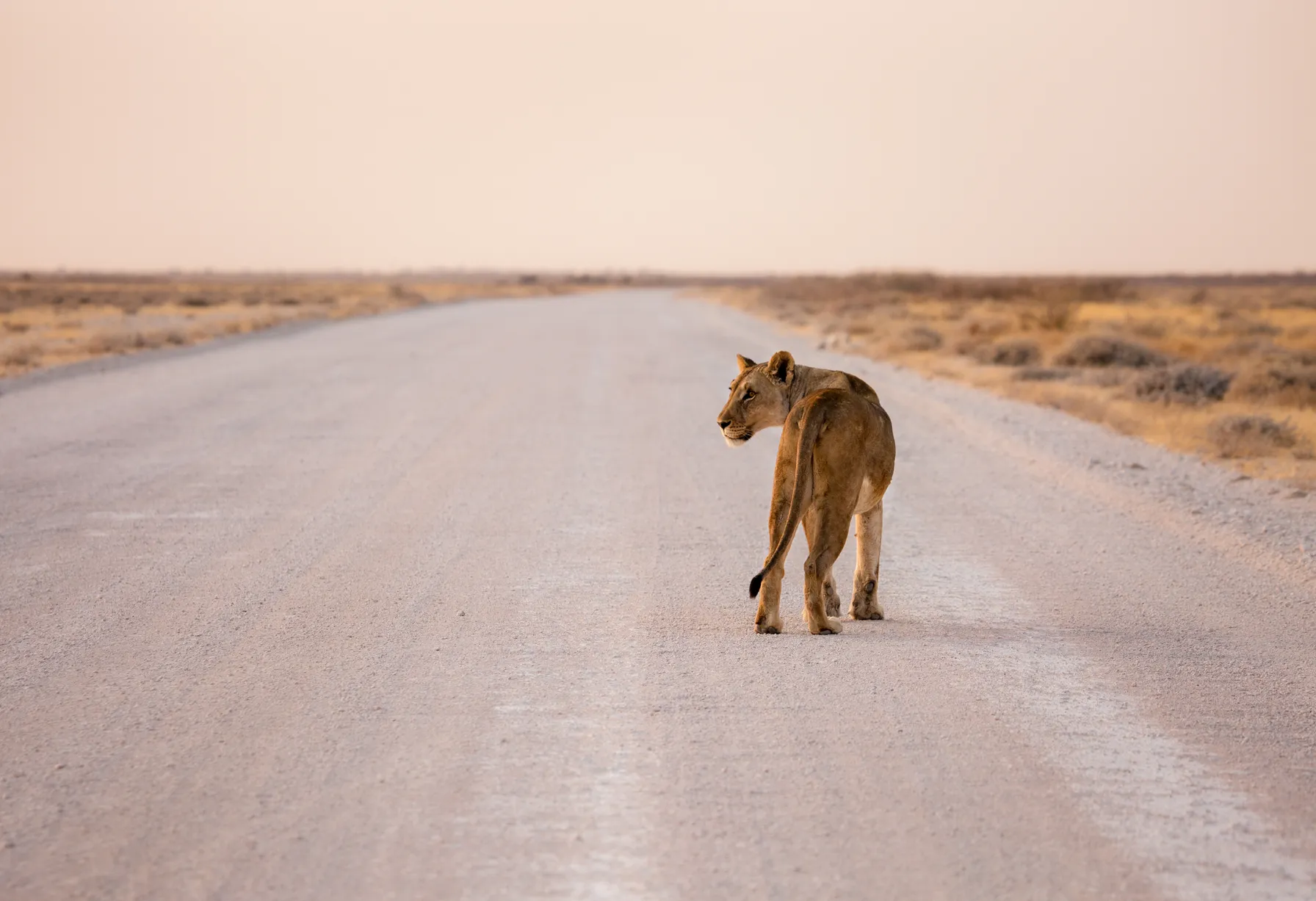
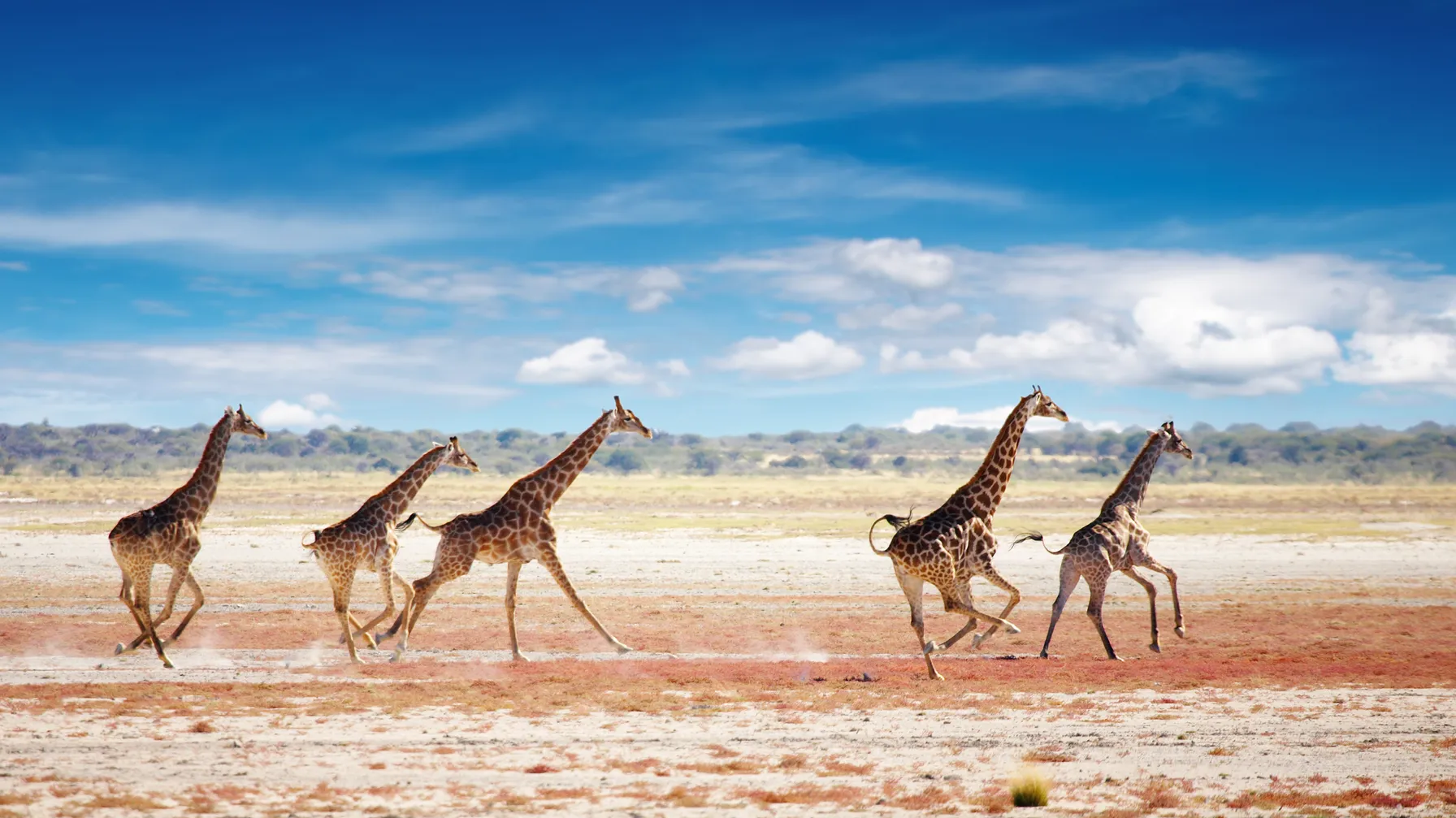
Did you know? Etosha National Park is home to more than 114 mammal species, including the rare black rhinoceros. Lions, elephants, giraffes, and zebras mingle around water points in a living tableau that changes with each day. To the west, the Skeleton Coast unfolds its lunar landscapes between marine mists and sunken shipwrecks, creating an atmosphere that is both mysterious and majestic. Further south, Walvis Bay hosts colonies of flamingos in its saline lagoons, a sight as unexpected as it is striking on this Atlantic coastal strip.
Fish River Canyon, on the edge of the world
In the south of the country, the Fish River Canyon is one of the planet's largest canyons. With its 160 km length and walls plunging more than 500 meters, it offers dizzying viewpoints. The Fish River that runs through it also makes it a top stop to end a circuit in style, in a setting where time seems to stand still. For travelers seeking adventure, hiking at the canyon floor remains one of the most intense experiences in Southern Africa.
Book your Namibia trip now
What practical information should you know before traveling to Namibia?
Preparing your trip to Namibia requires a few essential precautions. Here are the key points to keep in mind before you depart:
- \n
- Since April 2025, an entry visa is mandatory for French nationals: please check with the consular authorities in advance; \n
- The Namibian dollar (NAD) is the local currency, pegged to the South African rand; \n
- Expect about 13 to 14 hours of flight from Paris with a layover; \n
- A malaria prophylaxis is recommended for the northern regions, especially during the rainy season. \n
Our advice: whether you travel with family, on a honeymoon, or solo, tailor-made trips to Namibia allow you to organize every detail according to your preferences — itinerary, accommodations, pace — with the support of a dedicated Travel Planner. Special attention is paid to every step of your stay, for memories that last.
Contact us for more information about your trip to Namibia
Demandez votre devis Namibia sur-mesure 100% gratuit
 4.8
4.8+3.000 travelers satisfied