Galle in July: Your Complete Guide for a Successful Stay
What weather awaits you in Galle in July?
July marks the heart of the southwest monsoon in Sri Lanka, a period that directly influences the climatic conditions of Galle. This particular season transforms the atmosphere of the coastal region and deserves your attention to properly prepare for your stay.
Temperatures and Climatic Conditions
The temperatures in Galle in July remain pleasantly warm despite the wet season. You can expect daytime highs to fluctuate between 28°C and 30°C, while nighttime lows are around 25°C. This thermal stability characterizes the tropical climate of the Sri Lankan coast, where seasonal variations remain moderate.
Humidity is the most significant feature of July in Galle. It often reaches 80 to 90%, creating a constant feeling of mugginess. This water-saturated atmosphere comes with a frequently cloudy sky, reducing the usual sunshine in the region. Plan for light clothing made of natural fibres that facilitate the evaporation of sweat.
Precipitation and monsoon period
July represents one of the rainiest months in Galle, with precipitation exceeding 200 millimeters. The showers are characterized by their intensity and unpredictability: they can occur at any time of the day or night. These tropical rains, although sometimes impressive, usually last between 30 minutes and 2 hours.
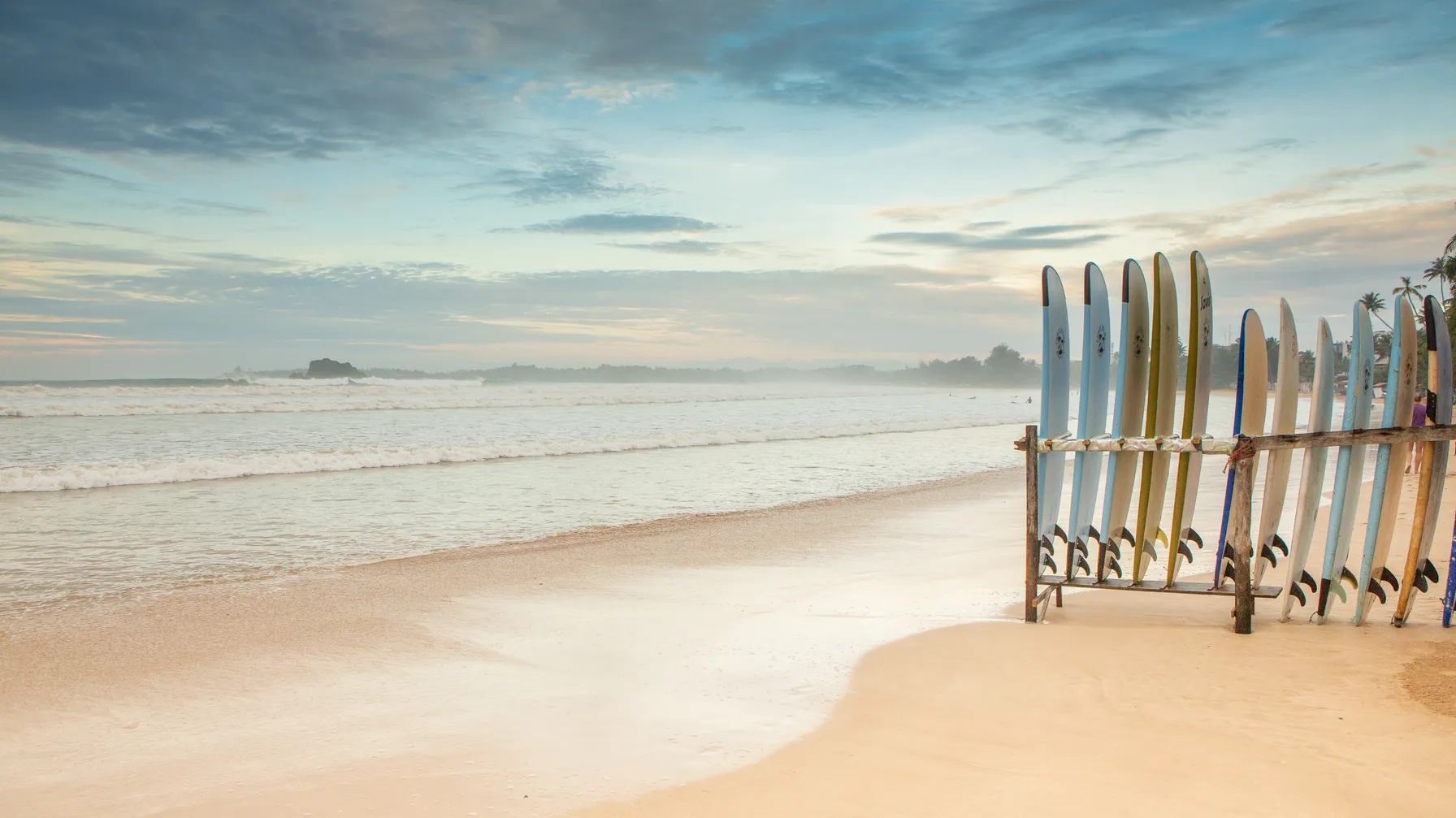
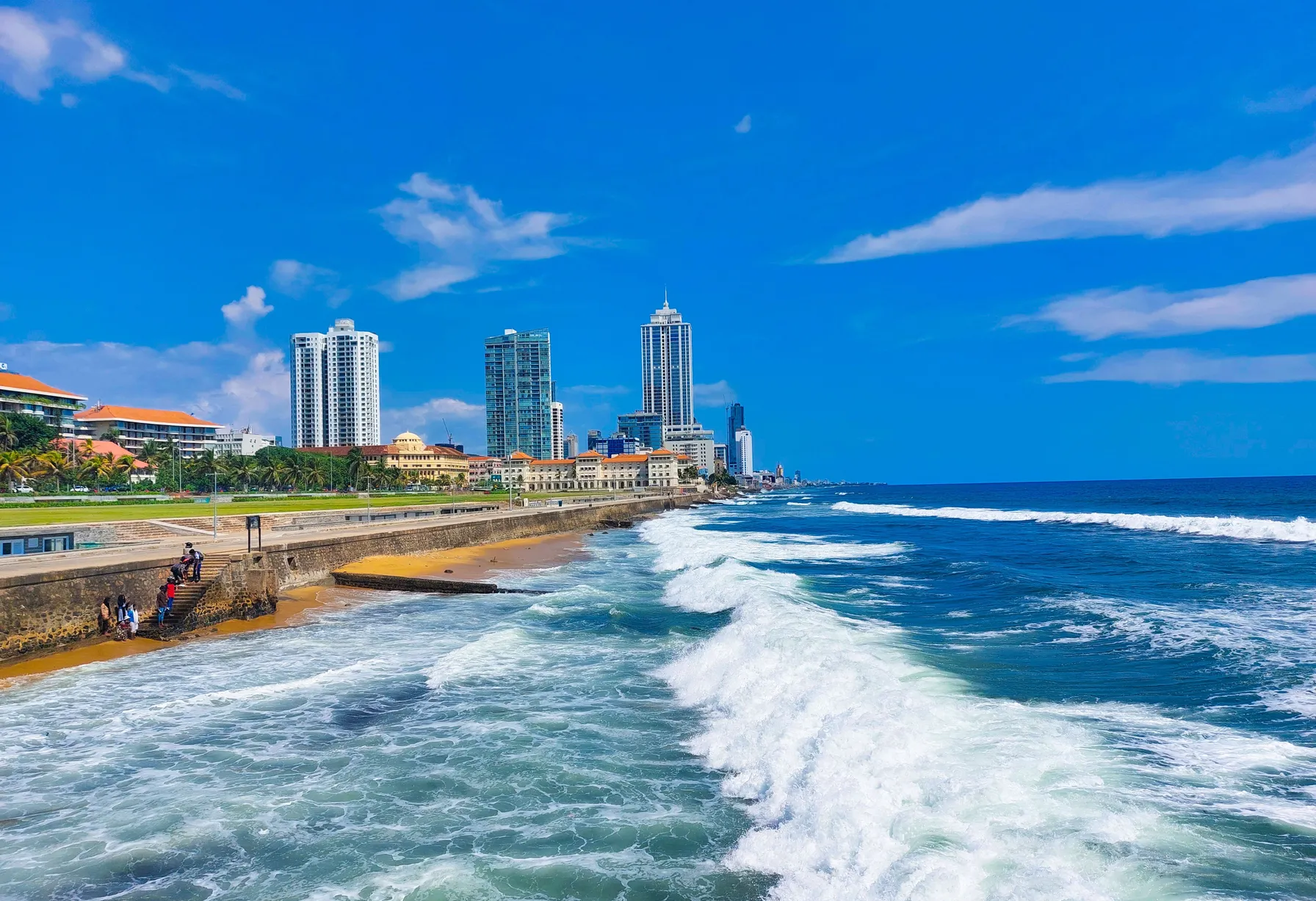
The monsoon phenomenon also brings sustained winds from the Indian Ocean. These winds can reach 20 to 30 km\/h, slightly cooling the atmosphere but making the sea more agitated. The swell becomes more significant, which may affect some water activities.
Our advice: equip yourself with a compact umbrella and a light raincoat to quickly adapt to weather changes.
What to discover in Galle during your July stay?
Despite the particular weather conditions of July, Galle reveals its most authentic charms during this less frequented period. The more intimate atmosphere of the fortified city will allow you to explore its wonders in a privileged setting.
The historical heritage of the fortified city
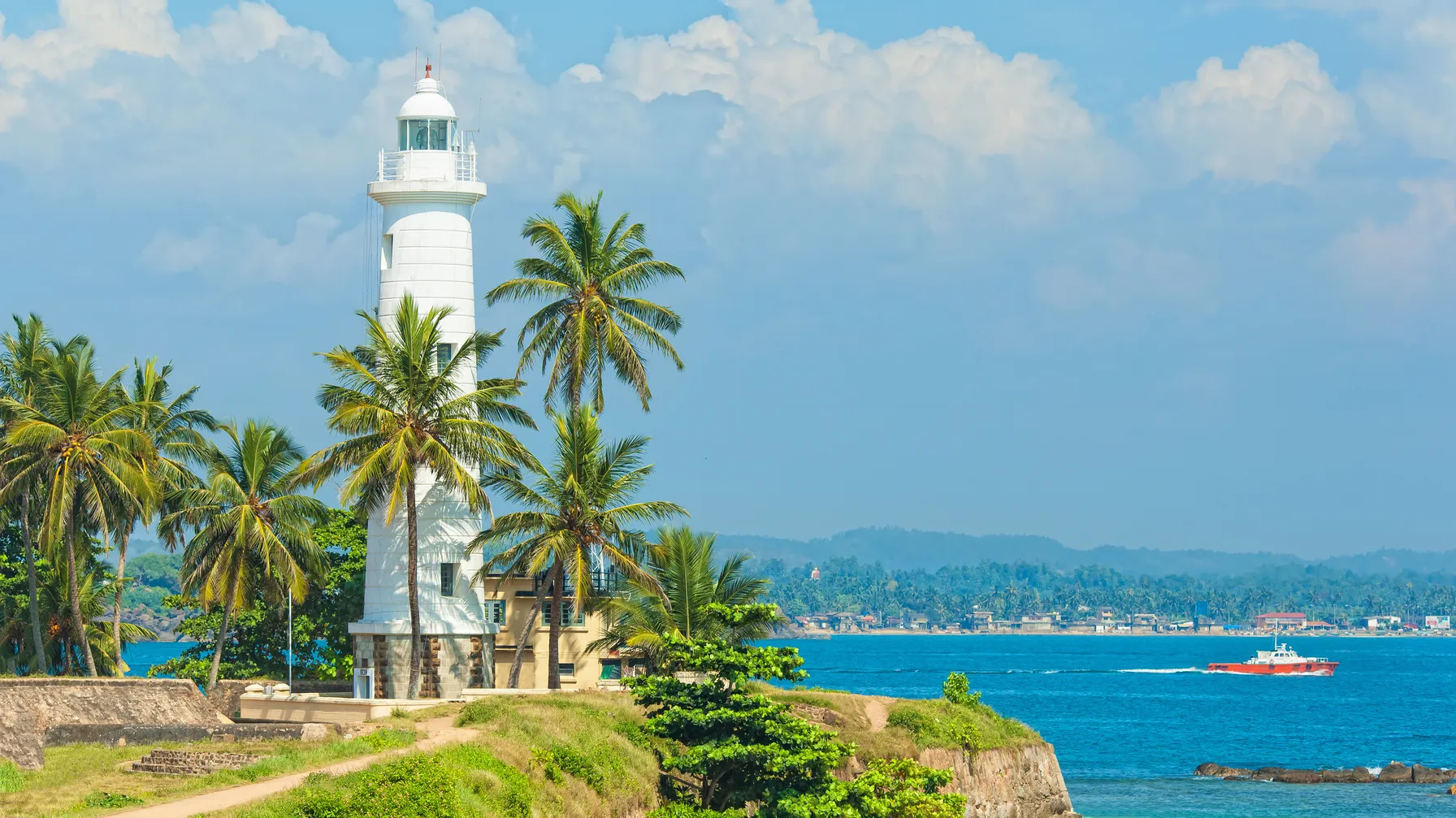
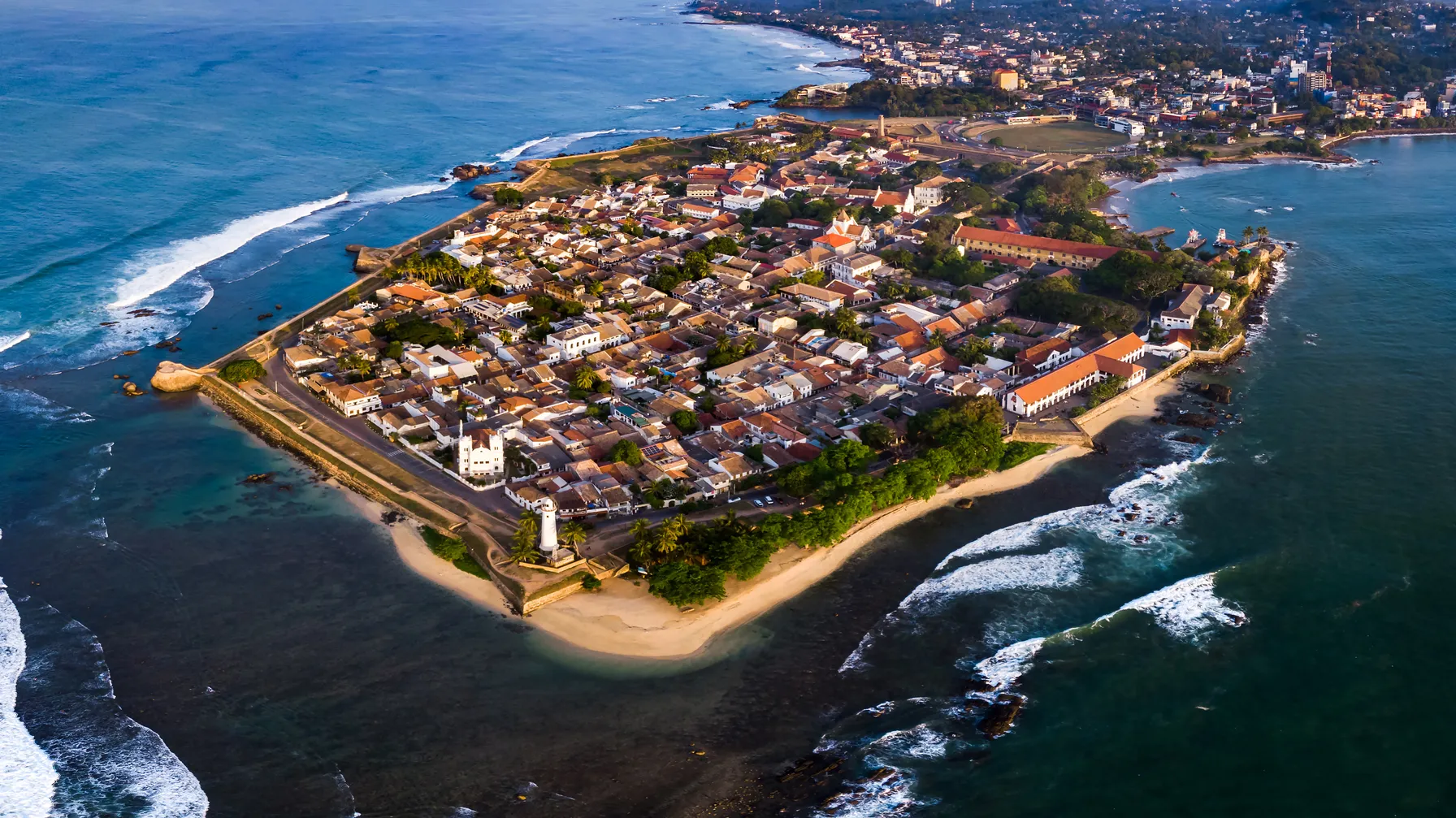
The Galle Fort, an architectural gem listed as a UNESCO World Heritage site, is ideally visited during the lulls between the showers. This Portuguese and then Dutch citadel from the 16th century houses treasures that you can discover at your own pace. The ramparts offer spectacular views of the Indian Ocean, particularly dramatic when the monsoon clouds create interplays of shadow and light on the waves.
The cobblestone alleys of the fort house perfectly preserved colonial buildings, transformed into craft shops, art galleries, and atmospheric restaurants. The Dutch Reformed Church, the Galle Lighthouse, and the National Maritime Museum deserve a thorough visit. These indoor sites will protect you from the bad weather while immersing you in the fascinating history of this trading city.
The Meeran Jumma Mosque, built in 1904, reflects the religious diversity of Galle. A visit will allow you to understand the multicultural harmony that characterizes this cosmopolitan city.
Cultural activities and local events
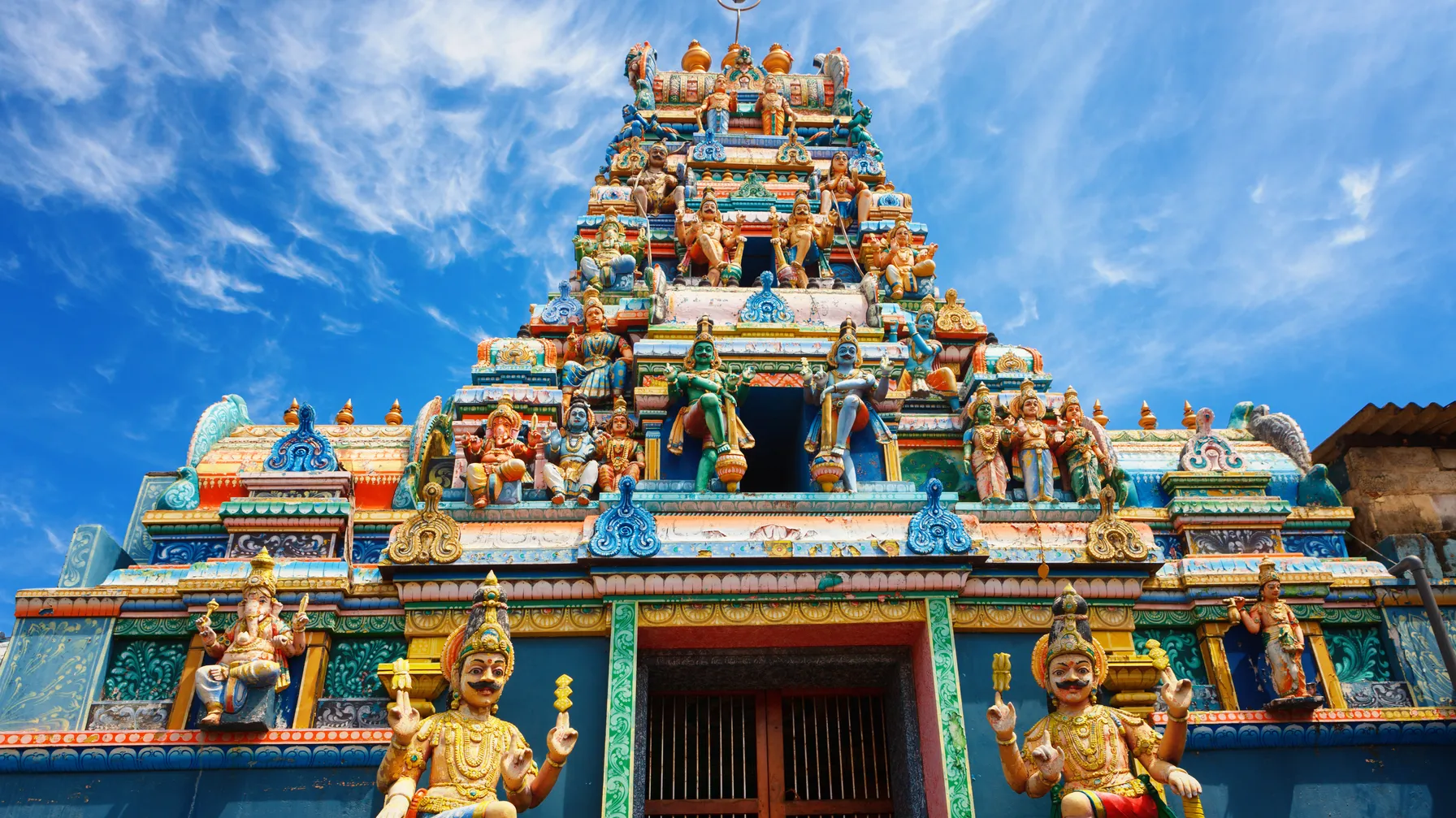
July coincides with the Esala Perahera festival period, one of the most spectacular celebrations in Sri Lanka. Although the main procession takes place in Kandy, Galle holds its own religious festivities which culminate with colorful parades through the streets of the old town. These Buddhist and Hindu processions create a particularly striking mystical atmosphere under the cloud-filled sky.
Traditional craft workshops take on a special dimension in July. Wood carvers, lace makers, and jewelers work in their shops, creating unique pieces that you can purchase. This off-peak period allows for more authentic interactions with local artisans.
Did you know? The art galleries in Galle often feature temporary exhibitions in July, showcasing the work of contemporary Sri Lankan artists inspired by the melancholic beauty of the monsoon.
Contact us for more information on the best times to visit
Demandez votre devis Galle sur-mesure 100% gratuit
 4.8
4.8+3.000 travelers satisfied
Is July the ideal time to visit Galle?
Choosing to go to Galle in July requires a thoughtful approach depending on your expectations and traveler profile. This period has specific advantages while requiring some adaptations.
Traveler profile suited to this period
July is perfect for travelers passionate about culture and authenticity seeking a more intimate experience of Galle. If you appreciate the romantic ambiances created by tumultuous skies and shifting lights, this period will charm you. Photographers find exceptional conditions to capture the dramatic essence of the Sri Lankan coast.
Families with older children can take advantage of this period to discover Galle without the usual dry season crowds. More favorable accommodation rates allow for premium services in exceptional establishments. This substantial savings can finance additional experiences such as local cooking classes or Ayurvedic massages.
Solo travelers will appreciate the contemplative atmosphere of July in Galle. Long walks on the ramparts under a changing sky offer unique moments of reflection. Meeting locals is facilitated by the more relaxed pace of the city during this season.
On the other hand, if you are mainly looking for beach or diving activities, July presents significant constraints. The rough marine conditions limit these aquatic pleasures.
Recommended alternatives for an optimal stay
For those who wish to discover Galle in more clement weather conditions, several alternatives are available to you. The period from December to March corresponds to the dry season on the southwest coast, offering generous sunshine and minimal rainfall.
January and February represent the ideal months for a first visit to Galle: pleasant temperatures around 27°C, calm sea perfect for swimming and diving, and clear skies to admire the sunsets from the ramparts. These months allow combining cultural discoveries and seaside pleasures.
March and April offer an excellent compromise with less tourist influx than the high season while retaining favorable weather conditions. Hotels often propose interesting mid-range rates.
If you wish to explore all of Sri Lanka, plan your itinerary taking into account the two monsoons: visit the west and south coast (including Galle) from November to April, then discover the east coast and the Cultural Triangle from April to September.
The good plan: combine a stay in Galle during the dry season with an extension to the tea plantations of the Ella region or the national parks for a complete experience of Sri Lanka.
Tips from our Travel Planners: book your accommodations in Galle at least three months in advance for the high season (December-March) to benefit from the best availability in the charming establishments of the Fort.
Book your trip to Galle now