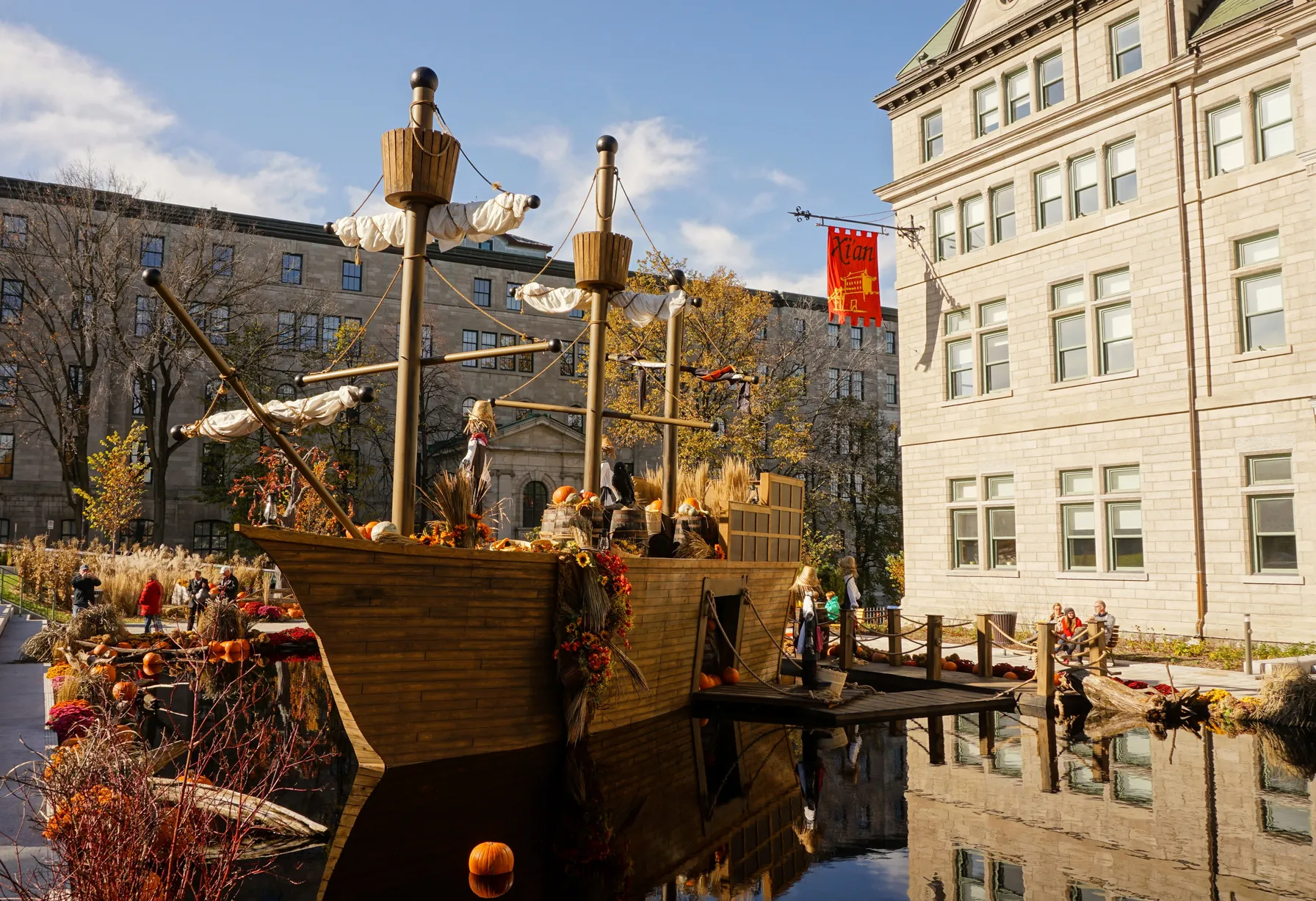
Culture in Quebec: history, heritage and traditions to be lived fully
What makes Quebec culture so distinctive?
Quebec culture draws its strength from a complex and thriving history. It is not limited to a single influence, but to the meeting of several civilizations that have shaped an identity deeply original, unlike any other on the American continent.
An identity forged among multiple influences
Everything begins in the 17th century, when the first French settlers settle in the Saint-Lawrence Valley, bringing with them their language, their Catholic religion and their traditions. These foundations were enriched through contact with Indigenous peoples, whose knowledge and practices left a lasting imprint on gastronomy, crafts and popular narratives. The British conquest of 1763 subsequently introduced new cultural contributions, Anglo-Saxon and Celtic, without erasing the francophone predominance. Contemporary Quebec is thus the fruit of this unique historical construction, which travelers can sense from the very first hours spent there.
The French language, a pillar of a living civilization
Did you know? French is spoken as the everyday language by more than 80% of the Quebec population. Far from being merely a simple tool of communication, it constitutes the heart of the province's cultural identity. The Quebecois, with its distinctive expressions and accent, is itself a living form of heritage. This relationship to the language is reflected in literature, film, song, and even humor, which occupy a central place in local cultural life.
What are the must-see highlights of Quebec's heritage to explore?
Whether you're passionate about architecture, history or art, Quebec offers a heritage panorama of great richness. The province is home to rare sites, iconic monuments and cultural expressions that cannot be found anywhere else.
Old Quebec, a UNESCO-listed jewel
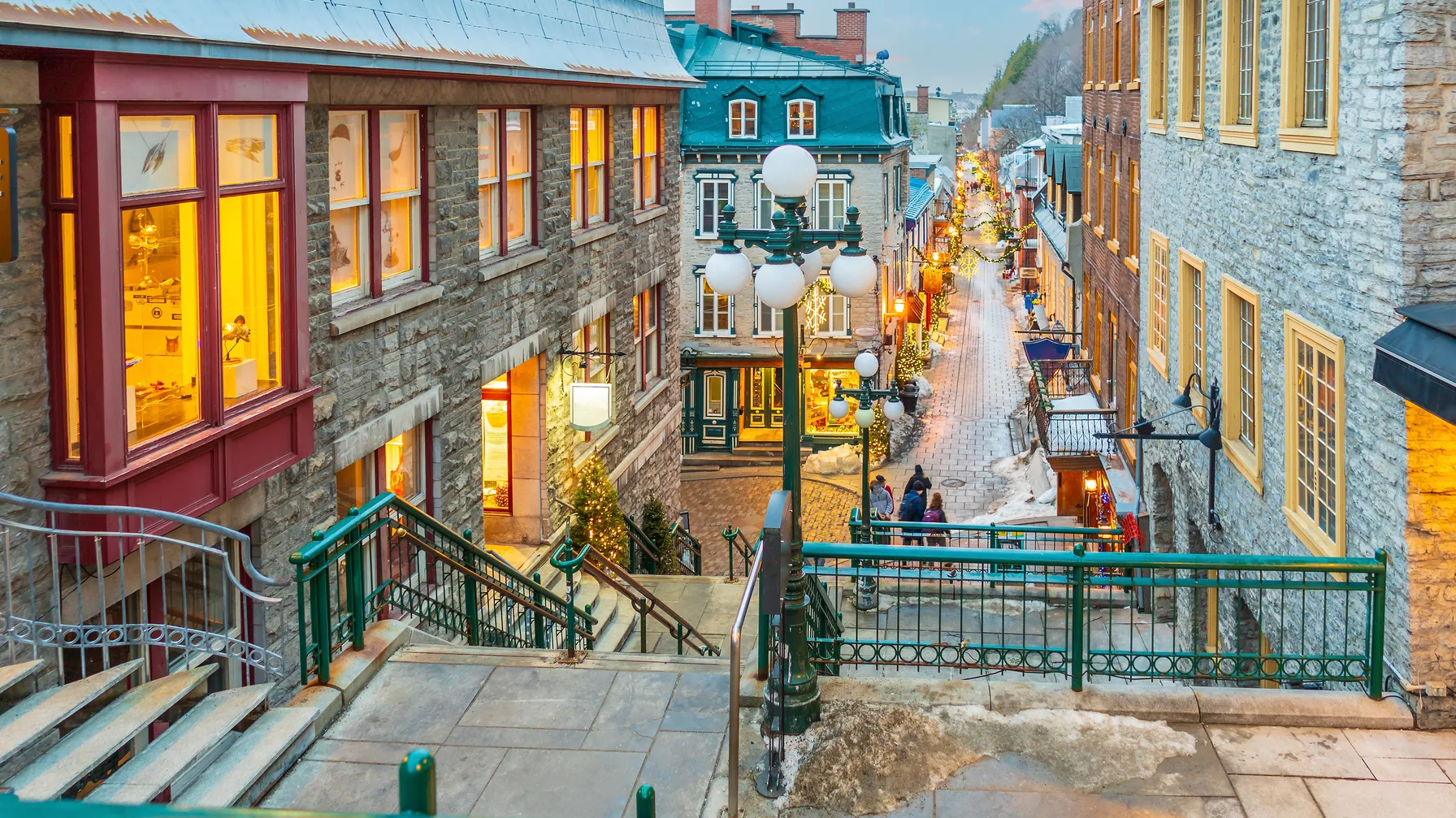
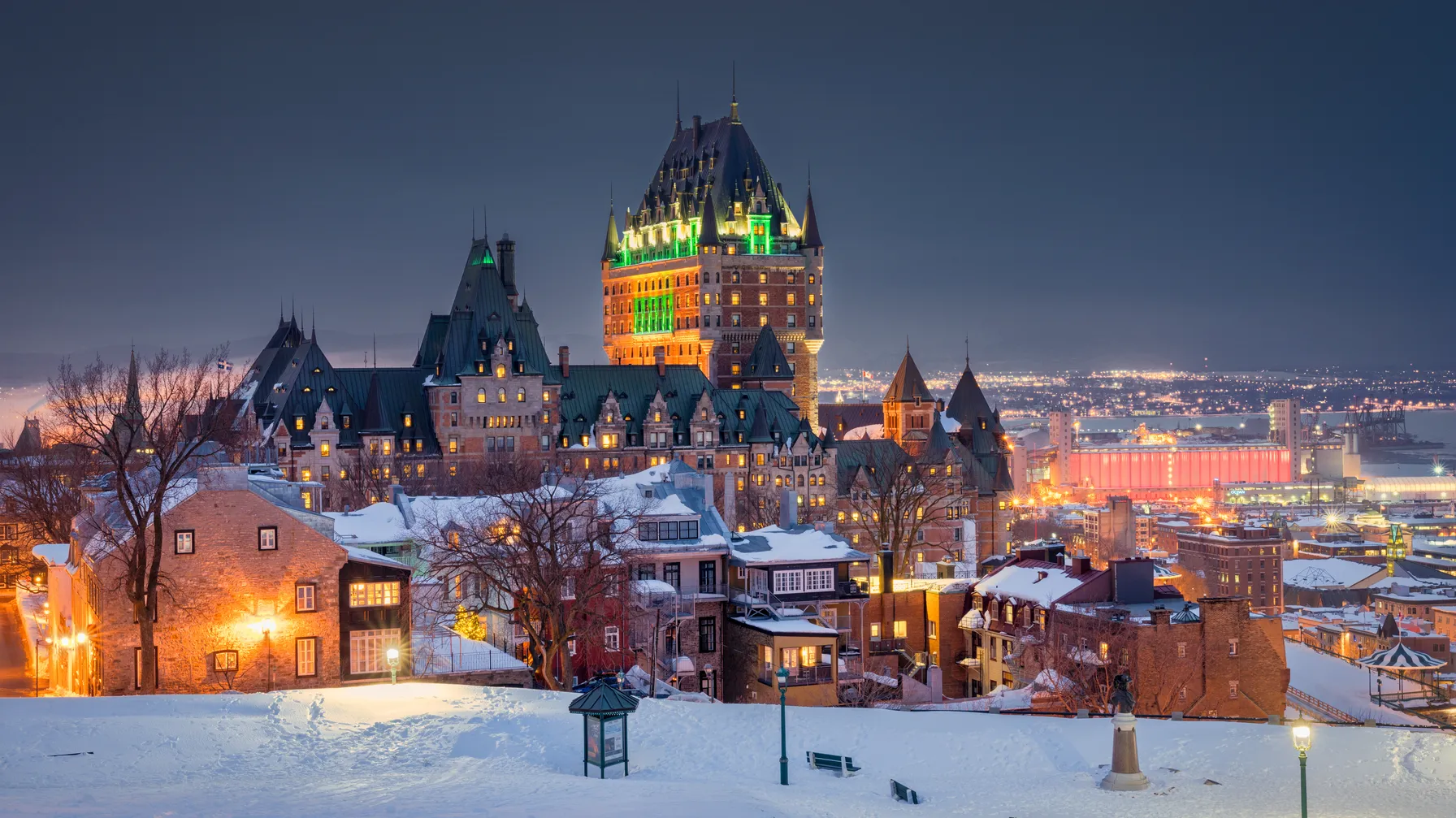
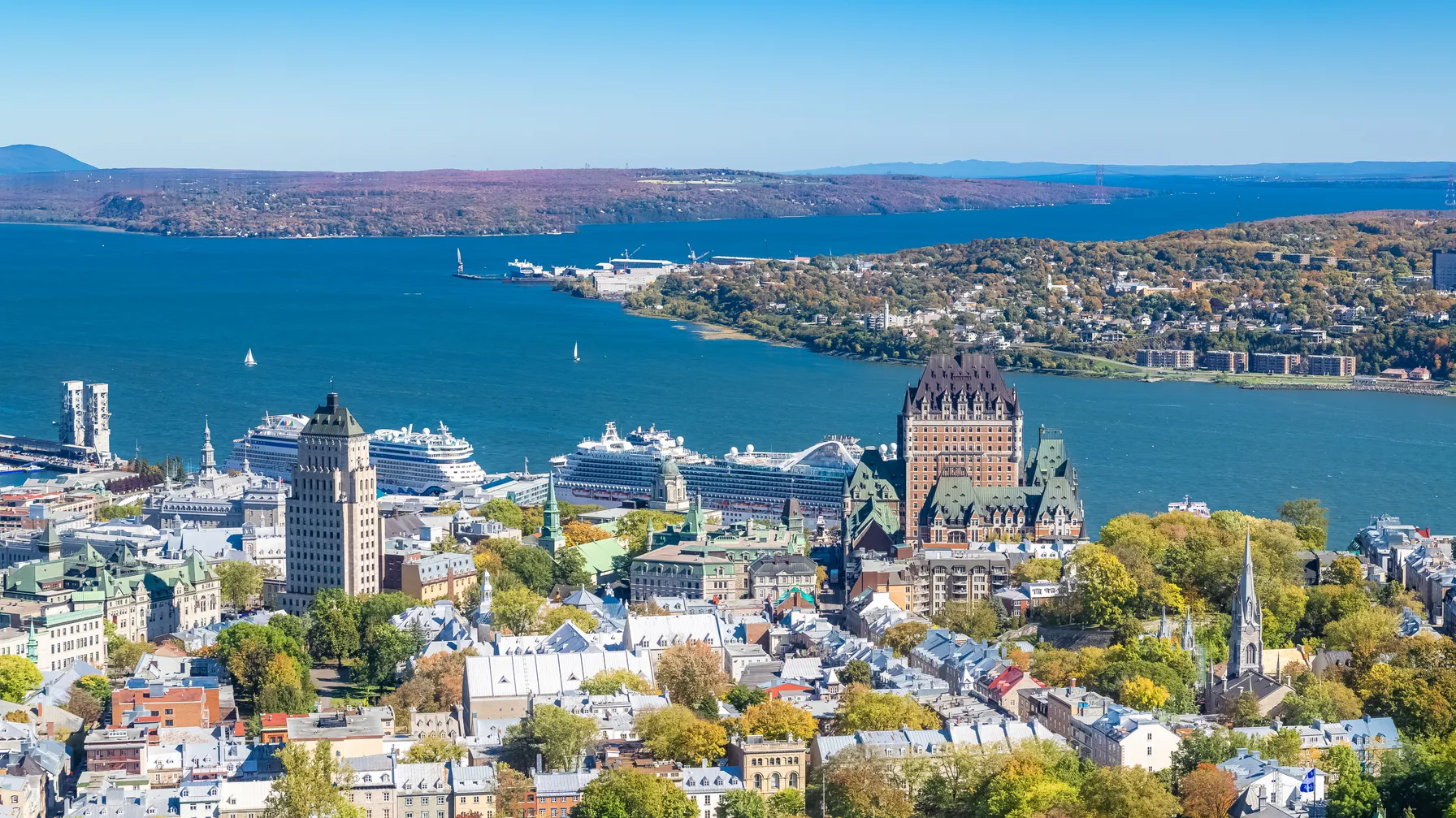
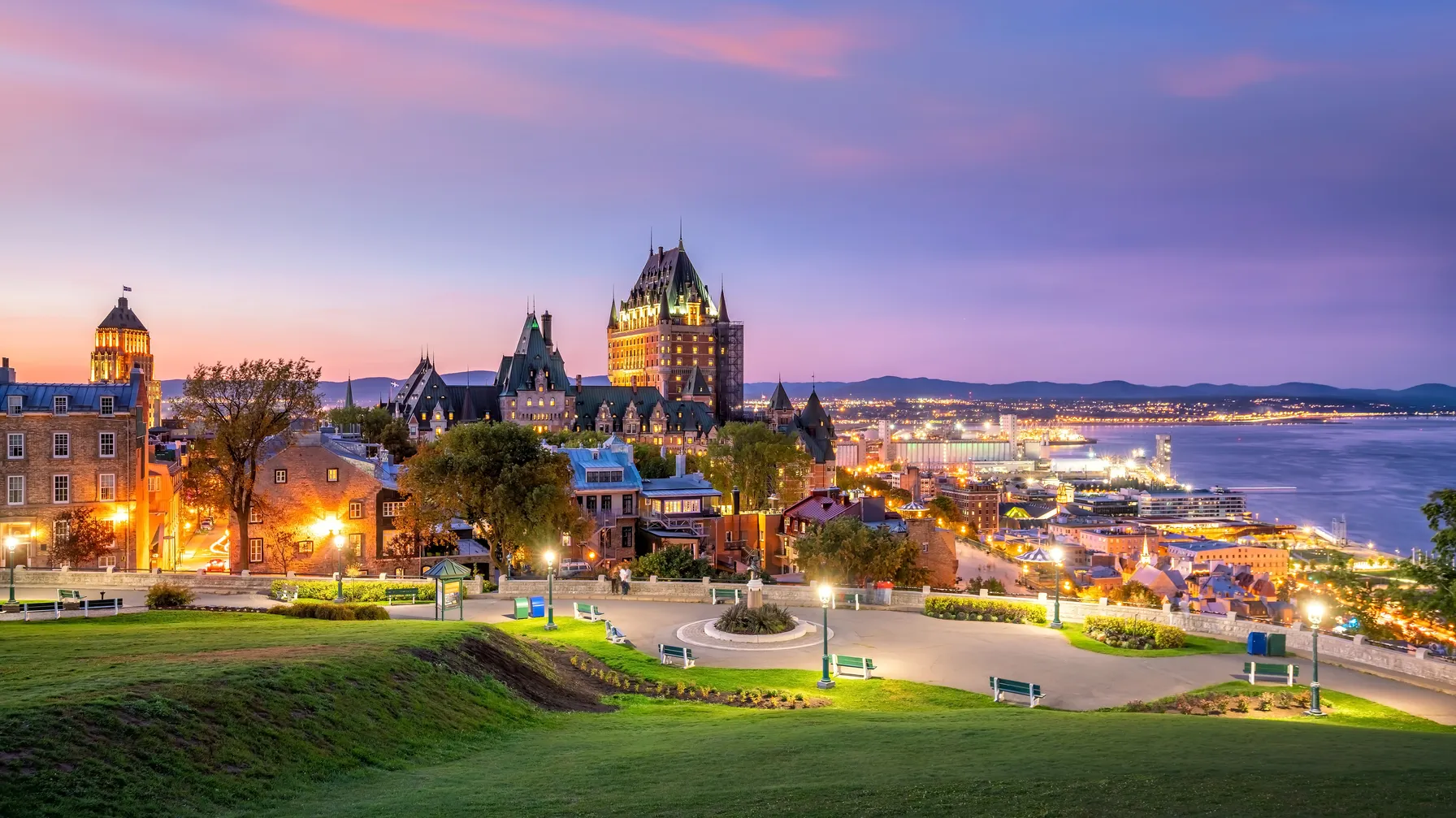
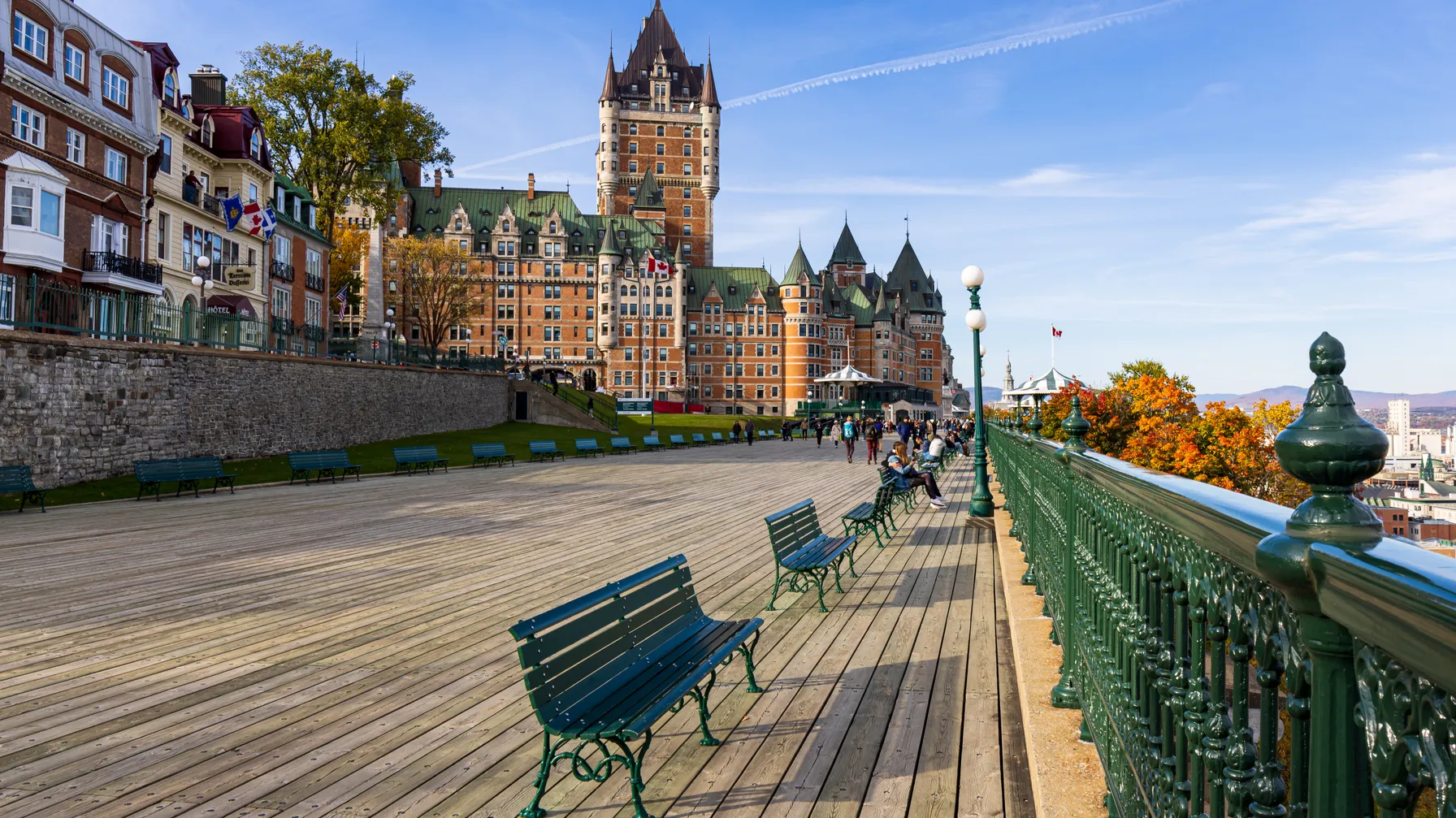
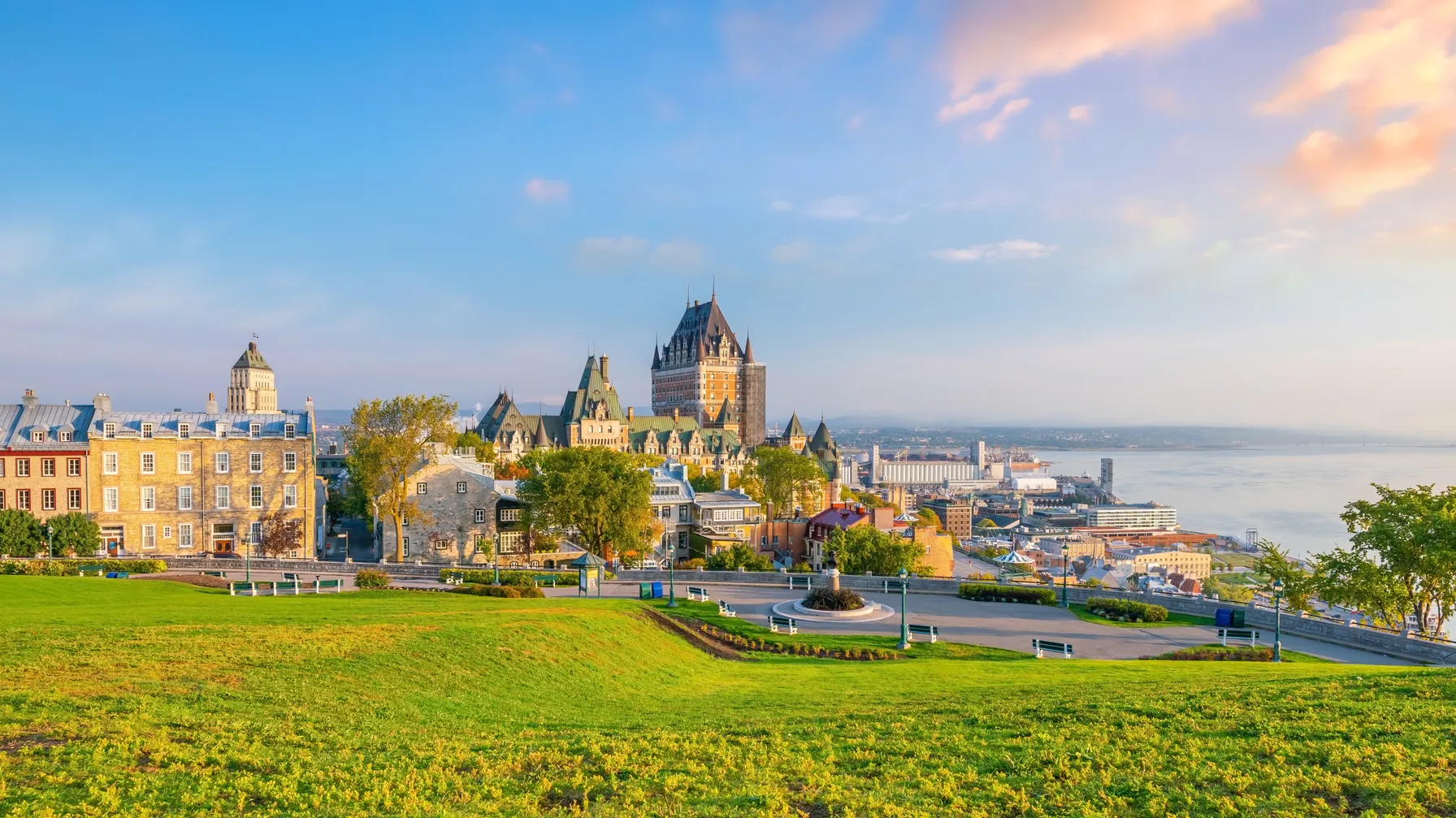
The city of Quebec is the ideal starting point for any cultural trip in the province. Its Old Quebec is one of the few fortified sites in North America, a UNESCO World Heritage Site since 1985. Its cobbled streets, colorful houses and intact ramparts tell four centuries of history with rare intensity. The Citadel, Château Frontenac, or Place Royale are as many symbols of a past that we explore at our own pace. Plan at least two days to fully soak up the atmosphere of this exceptional historic center.
Museums, crafts and intangible heritage
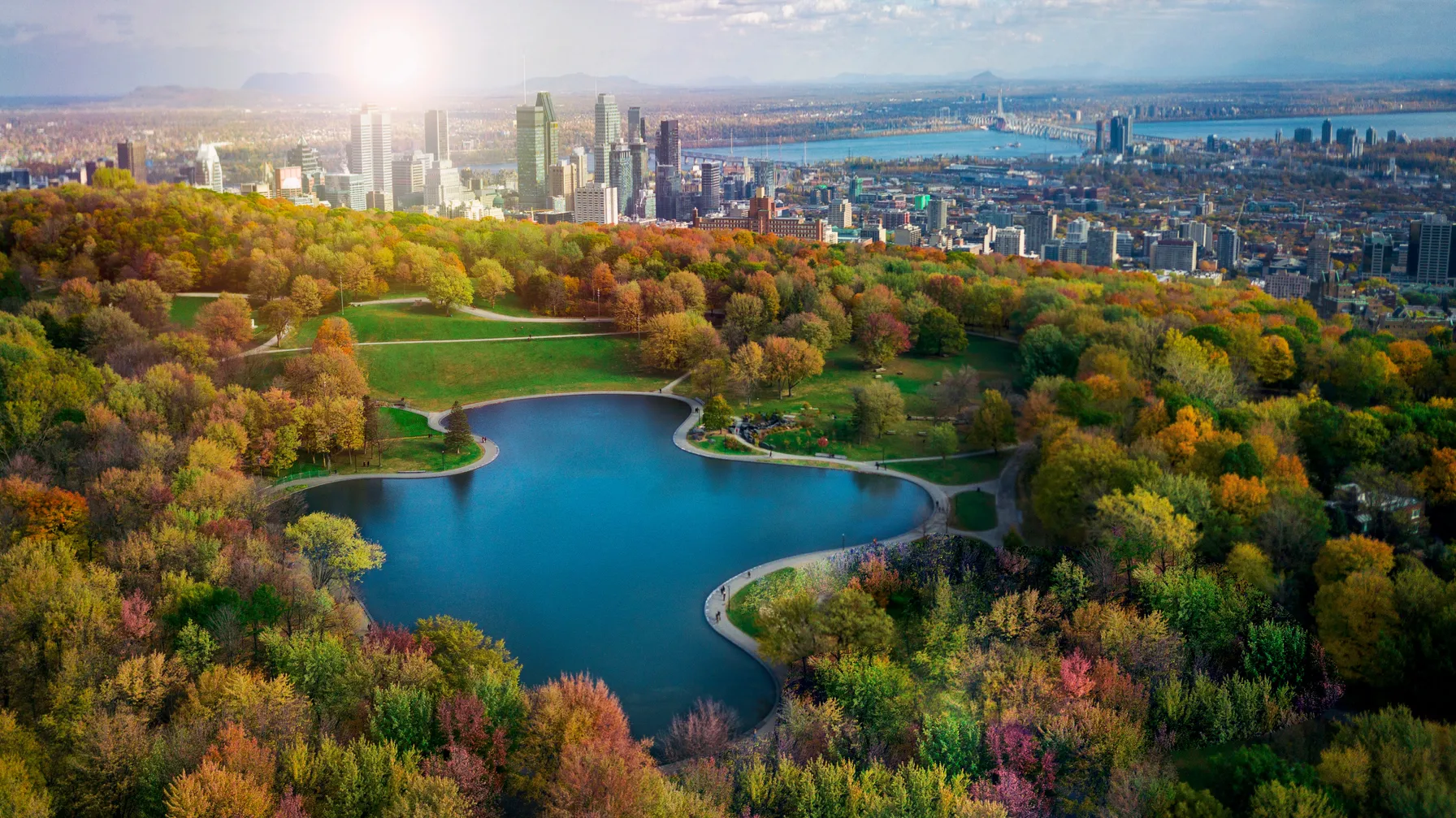
Montreal completes this cultural tableau wonderfully. The metropolis is home to leading museum institutions, but it also shines through its creative neighborhoods and cosmopolitan way of life. Among the places not to miss during a cultural stay in Quebec:
- The Quebec City Museum of Civilization, for a dive into Québécois and Indigenous history;
- The Montreal Museum of Fine Arts, one of the most important in Canada;
- Old Montreal and its 19th-century architecture, between gray stone buildings and lively alleyways;
- The First Nations and their intangible heritage, accessible via tours and dedicated cultural centers.
Our advice: opt for a guided tour for each site to benefit from in-depth insight into the historical context and the anecdotes that bring these meaningful places to life.
Contact us to organize your tailor-made cultural itinerary in Quebec.
When and how to experience the best cultural experiences in Quebec?
Culture in Quebec is lived through the seasons, carried by a calendar of festive events and a vibrant life of art in perpetual motion. Each time of year offers a different way to immerse oneself in the local identity.
The festivals that define Quebec's Belle Province
Quebec is a province of festivals, and each event is an opportunity to share memorable moments with the locals. Here is an overview of the cultural events not to miss depending on when you travel:
| Période | Événement | Lieu |
|---|---|---|
| January – February | Québec Carnival | Quebec City |
| June – July | Montreal International Jazz Festival | Montreal |
| July | Quebec City Summer Festival | Quebec City |
| July | Just for Laughs Festival | Montreal |
| February – March | Montreal in Lights | Montreal |
These events blend music, humor, gastronomy and artistic performances, and are suitable for both families and solo travelers or couples seeking shared discoveries.
Itinerary and practical tips for a tailor-made cultural stay
For a cultural week-long stay, a Québec–Montréal combination remains the most balanced formula. Two to three days in Old Québec allow you to immerse yourself in the province's founding history, while three to four days in Montreal open the door to a contemporary artistic scene and world-class cuisine. The Vialala advisers will help you tailor every detail of your itinerary to your wishes, your pace, and the season you choose.
The advice from our Travel Planners: book in advance your visits to iconic sites, especially in summer. Some museums offer audio guides in French or private tours, ideal for a bit of serenity away from large crowds.
Contact us to book your cultural trip to Québec.
Demandez votre devis Quebec sur-mesure 100% gratuit
 4.8
4.8+3.000 travelers satisfied
Frequently asked questions
What is the best time to discover Quebec from a cultural perspective?
Each season offers a distinct experience. Summer concentrates the majority of festivals and outdoor visits in ideal conditions. Winter, with the Quebec City Carnival and its typical traditions, offers an immersion in local culture from a more intimate angle. Spring and autumn are calm periods, perfect for exploring museums and heritage sites at your own pace.
Is gastronomy part of Quebec culture?
Absolutely. Quebec cuisine is an essential pillar of local identity. It draws on French, Indigenous, British and American influences to offer unique flavors: tourtière, poutine, maple syrup, or local cheeses from the region, produced by passionate artisans. Tasting these specialties in a local restaurant is also a way to soak up the culture in Quebec.
Are Quebec cultural sites accessible with children?
Yes, many museums and heritage sites offer family-friendly tours with educational materials designed for the youngest. The Quebec City Museum of Civilization, for example, is renowned for its interactive, accessible and enriching exhibitions for children as well as adults.