Culture in Mexico: a living heritage not to be missed
Why is Mexican culture so rich and diverse?
The richness of Mexican culture can be explained by centuries of encounters between peoples, conquests and resistances. The result is a country of rare cultural complexity, where pre-Columbian heritage, Spanish influence and indigenous diversity coexist.
<p>Founding civilizations with multiple influences</p>
Before the arrival of the conquistadors in the 16th century, civilizations such as the Maya, the Aztecs or the Zapotecs had built remarkable empires, endowed with architecture, astronomy and a cosmology of great sophistication. The Spanish conquest then introduced new beliefs and practices, which blended with local traditions to give rise to a unique mestizo identity. Today, about two-thirds of the Mexican population is mestizo, heir to this deep cultural mixing. This blend is reflected in every aspect of daily life, from music to architecture, including gastronomy.
<p>Indigenous languages as witnesses to a living past</p>
Mexico has more than 60 indigenous languages still spoken today. Among them, Nahuatl — the ancient language of the Aztecs — gathers more than one and a half million speakers. These indigenous languages are not mere relics of the past: they embody a living culture, transmitted from generation to generation, and testify to the diversity of the peoples who have shaped this country over the centuries.
<p>What are the must-see heritage sites in Mexico?</p>
To fully understand the depth of this country, nothing beats discovering its monuments and places steeped in history. Between pre-Columbian ruins, historic centers and internationally renowned museums, every detail invites a more intimate reading of Mexico.
<p>Mexico City, an extraordinary cultural capital</p>
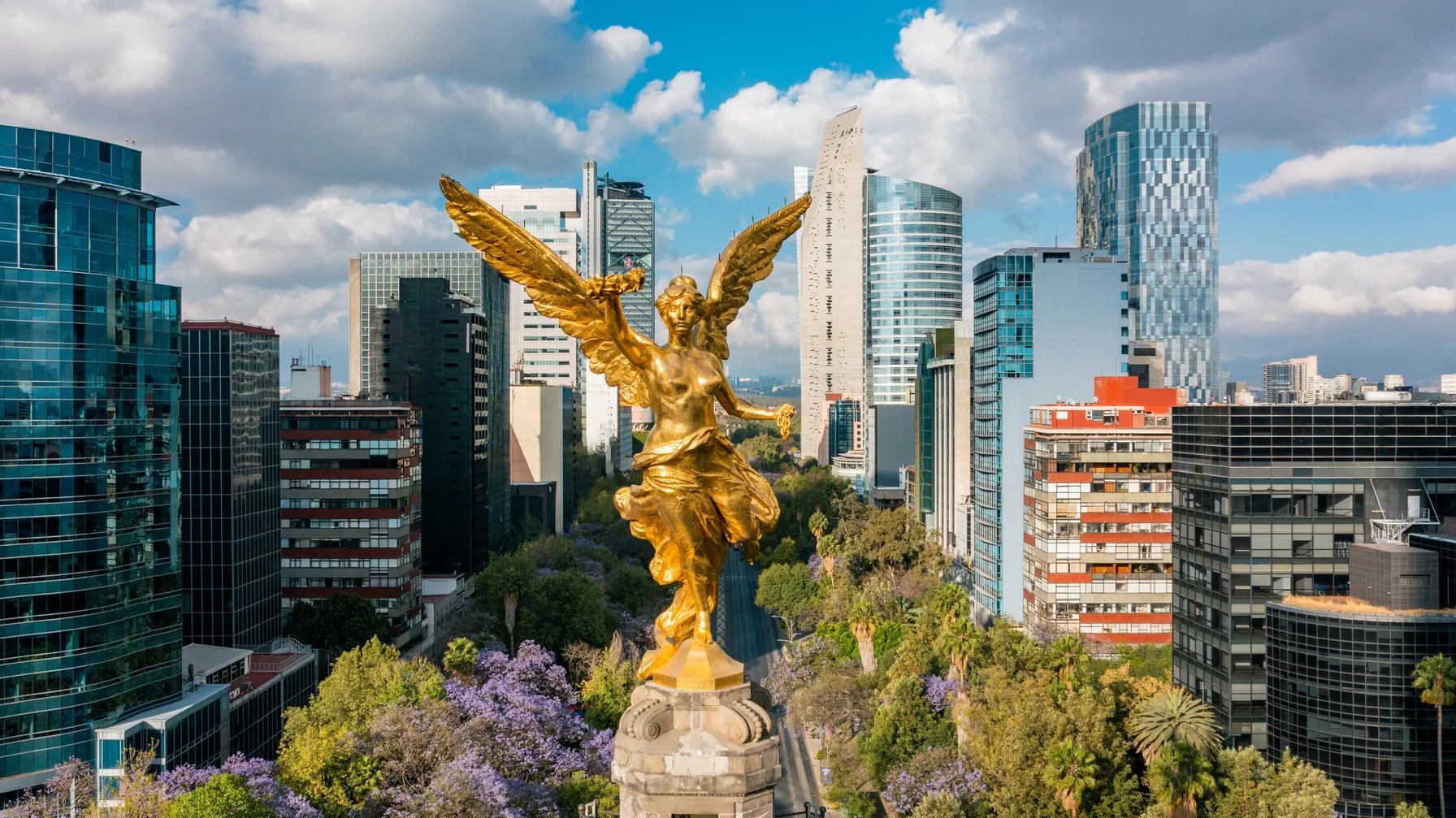
The city of Mexico is one of the most culturally dense metropolises in the world. It alone houses more than 150 museums, including the famous National Museum of Anthropology, which traces 3,000 years of pre-Hispanic civilizations. Its historic center, UNESCO World Heritage-listed, houses more than 1,400 colonial-era buildings. A few kilometres away, the Teotihuacán site and its monumental pyramids invite you to travel back in time. Plan at least a full day to explore the capital, and more if you wish to go beyond the must-see sights.
World Heritage-listed sites not to be missed
Mexico ranks among the countries most represented on the UNESCO World Heritage List. Here are a few sites to add to your itinerary:
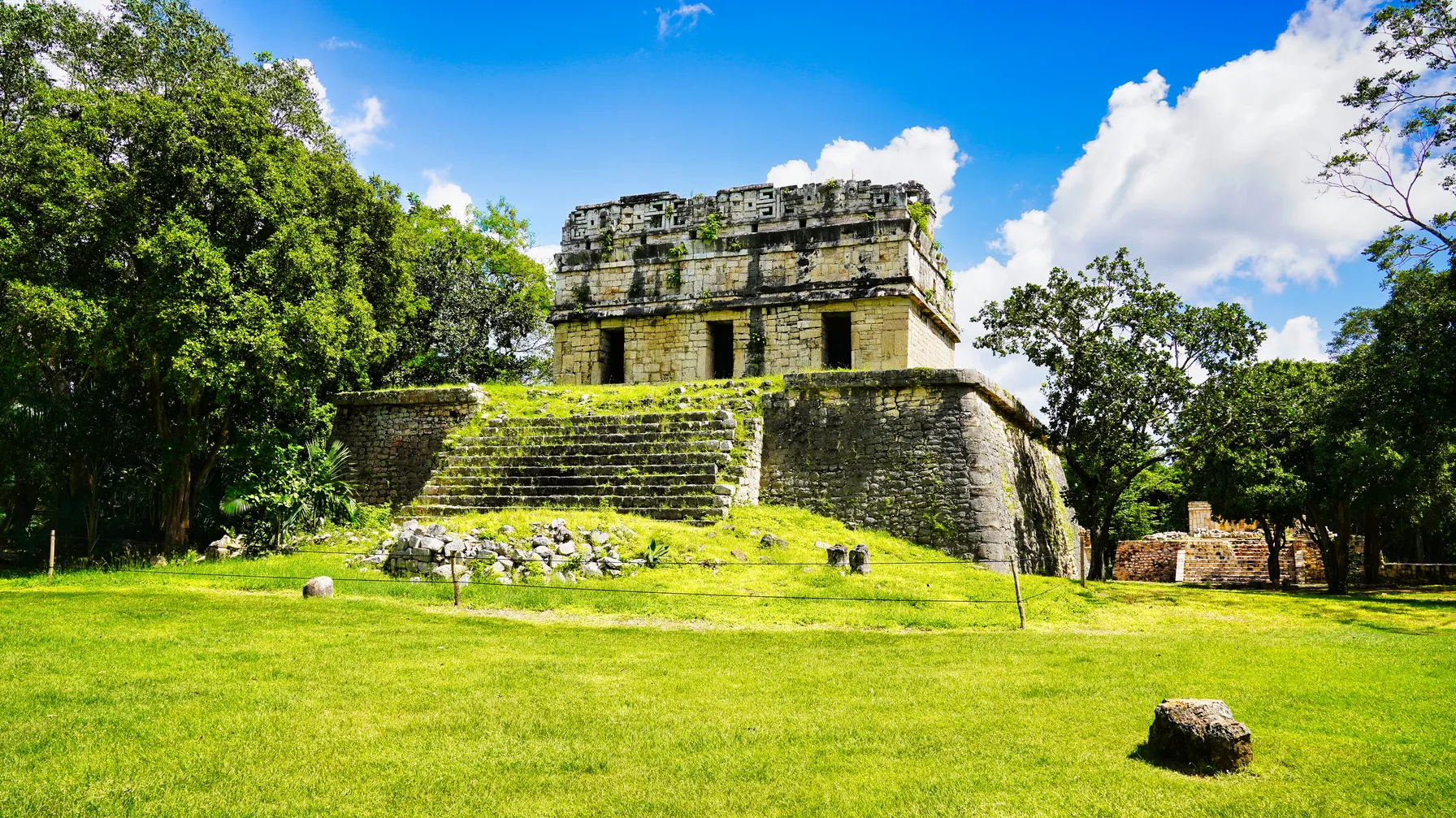
- Chichen Itza, iconic Maya site in the Yucatán;
- Oaxaca and its historic center, cradle of the Zapotec civilization;
- Palenque, jewel of Maya architecture in the tropical forest;
- The chinampas of Xochimilco, pre-Columbian floating gardens at the gates of Mexico;
- The historic center of Puebla, a rare alliance between Spanish Baroque and local craftsmanship.
Contact us for more information on cultural itineraries in Mexico.
<p>What celebrations and traditions to experience on a trip to Mexico?</p>
Mexican culture is not only to be contemplated in museums and on archaeological sites. It is especially felt in the streets, during popular celebrations, at the table, and in the workshops of local artisans.
<p>The Day of the Dead, a uniquely moving experience</p>
The Day of the Dead, celebrated on November 1st and 2nd, is undoubtedly the country's most emblematic event. Far from being a somber celebration, it is a joyful moment of sharing, where families honor their deceased with colorful altars, marigold flowers (cempasúchil), music, and offerings. Listed on UNESCO's intangible heritage list, this festival is particularly spectacular in Oaxaca, Pátzcuaro, or in Mexico City. Experiencing this gathering is to touch something essential in the Mexican soul.
<p>Craftsmanship, Mexican cuisine, and traditional markets</p>
Mexican cuisine has also been inscribed on the UNESCO World Heritage List since 2010. Based on the maize-beans-chili triad, it incorporates pre-Hispanic and Spanish influences to offer an inexhaustible palette of flavors. Local markets — such as the Mercado Benito Juárez in Oaxaca — are the ideal place to start, while discovering local craftsmanship: hand-embroidered textiles, ceramics and obsidian objects, each piece telling a story.
Tip: plan your market visits on weekdays for a more authentic and less crowded atmosphere.
<p>How best to prepare for your cultural trip to Mexico?</p>
Immersing yourself in Mexican culture requires a minimum of preparation to fully enjoy every moment. A few practical pointers help you organize a serene stay.
<p>Practical tips for an optimal experience</p>
For archaeological sites such as Chichen Itza or Teotihuacán, plan your visit early in the morning to avoid the heat and crowds. Online booking is strongly recommended for the city's most popular museums in Mexico City. Language-wise, a few Spanish basics are appreciated, even though tourist areas are well equipped with French- and English-speaking guides. If you wish to attend the Day of the Dead festival or other seasonal events, it is advisable to plan your trip well in advance, particularly for accommodation.
Tips from our Travel Planners: for a trip to Mexico that is both culturally rich and deeply experiential, combine Mexico City, an indigenous region such as Oaxaca, and the Maya sites of the Yucatán. A 12- to 14-day itinerary lets you approach each territory at its own pace.
Book your trip to Mexico now and enjoy a 100% tailor-made itinerary designed with a Vialala Travel Planner.
Demandez votre devis Mexico sur-mesure 100% gratuit
 4.8
4.8+3.000 travelers satisfied
Frequently asked questions
Is Mexico a family-friendly destination?
Yes, Mexico is perfectly suitable for family travel. Archaeological sites, interactive museums, and artisan markets spark children's curiosity, as they discover history in a lively and colorful setting. Custom itineraries can be designed to adapt the pace and activities to each family profile.
Which regions offer the best immersion in Mexican traditions?
Oaxaca is often regarded as the country's cultural capital, with its markets, local festivals, and exceptional crafts. Chiapas, with its Maya communities still active, and Yucatán, rich in pre-Columbian sites, also offer a deep immersion in Mexican traditions.
Are there any precautions to take when visiting archaeological sites?
Some sites, such as Chichen Itza, are exposed to intense heat, especially from May to September. It is recommended to plan sun protection, proper hydration, and comfortable shoes. Opting for a guided tour with a local expert also helps to better understand the history and symbolism of each monument.