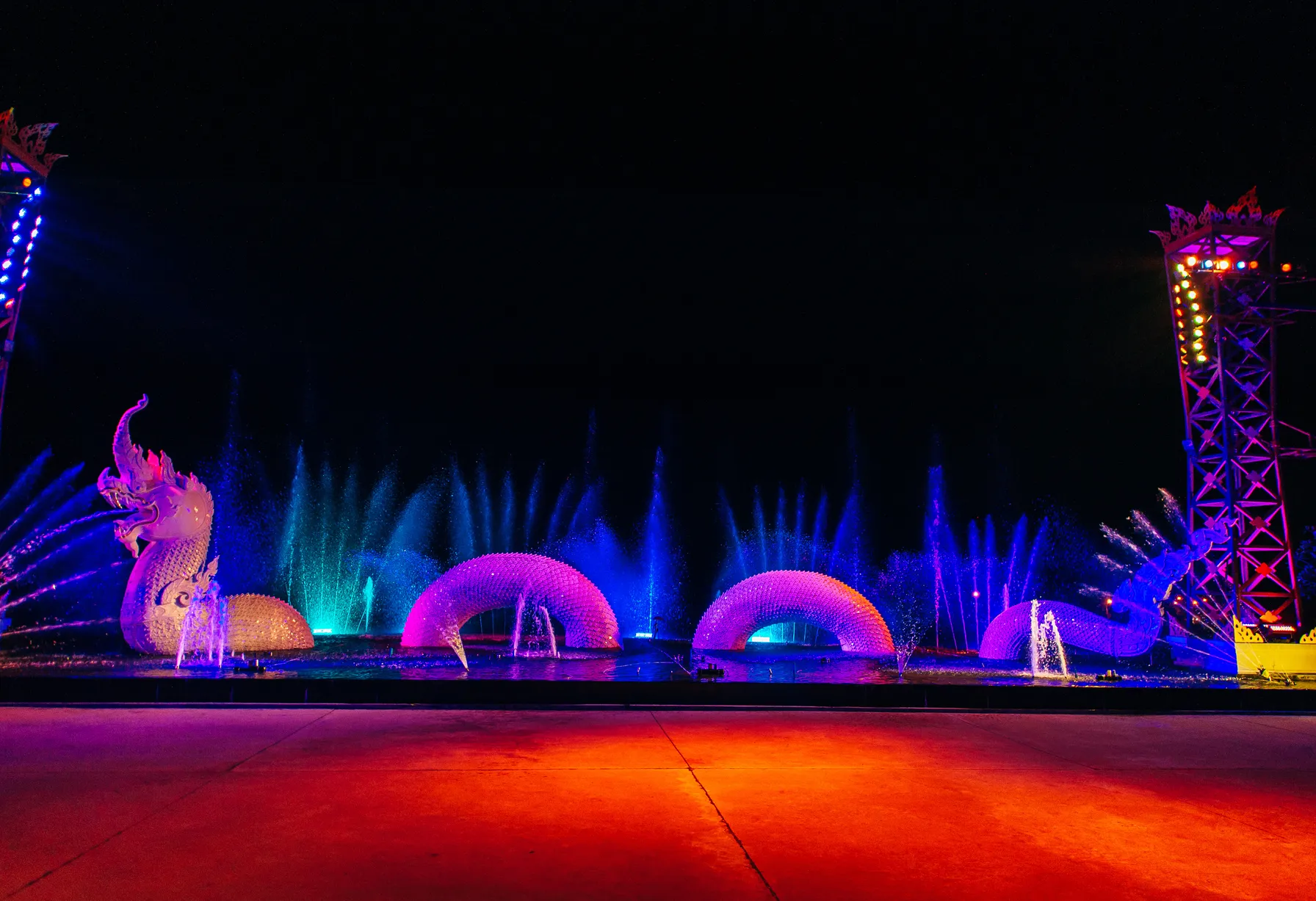
Culture in Phuket: Discover the Authentic Heritage of the Thai Island
What does Phuket’s multicultural historical heritage reveal?
Phuket's unique cultural identity has its roots in an exceptionally cosmopolitan past. This rich heritage transforms your stay into a true journey through time, where every street, every building tells a fascinating story.
The Sino-Portuguese influence in the old town
The old town of Phuket is a real open-air museum revealing the influence of Chinese merchants and Portuguese settlers. You will discover shophouses with colorful facades, adorned with delicate stucco and carved wooden shutters. This unique architecture, called the Sino-Portuguese style, bears witness to the prosperous era of tin exploitation in the 19th and 20th centuries.
As you walk through Thalang, Dibuk, and Krabi streets, you are immersed in the atmosphere of the past. The heritage buildings now house museums, art galleries, and authentic cafes. The Thai museum of Phuket, located in a colonial house, traces the evolution of the island and presents fascinating period objects.
The deep-rooted Buddhist traditions in the island's soul
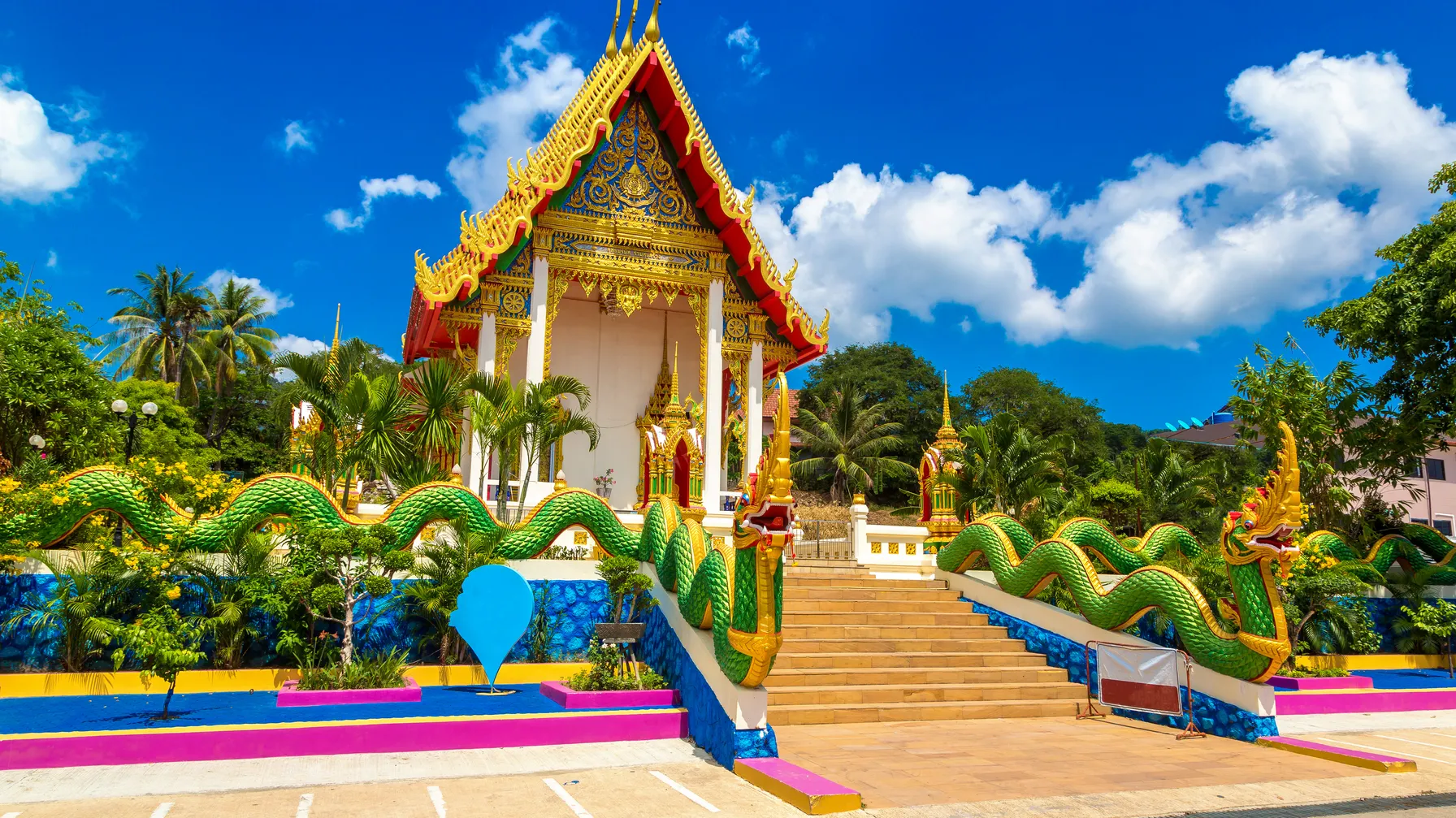
Theravada Buddhism deeply permeates the local culture and influences the daily lives of the inhabitants. This omnipresent spirituality is evident in the rituals, festivals, and the Thai way of living. Understanding these traditions greatly enriches your travel experience.
Monks in saffron robes actively participate in the community life, organizing blessing ceremonies and providing teachings. Observing their morning procession to collect offerings is a particularly moving moment of grace.
Book your trip to Phuket now
What heritage treasures must you absolutely discover?
The island of Phuket harbors architectural and spiritual jewels that deserve special attention. These iconic sites reveal the cultural depth of the destination and offer unique perspectives on local history.
Buddhist shrines and their spiritual riches
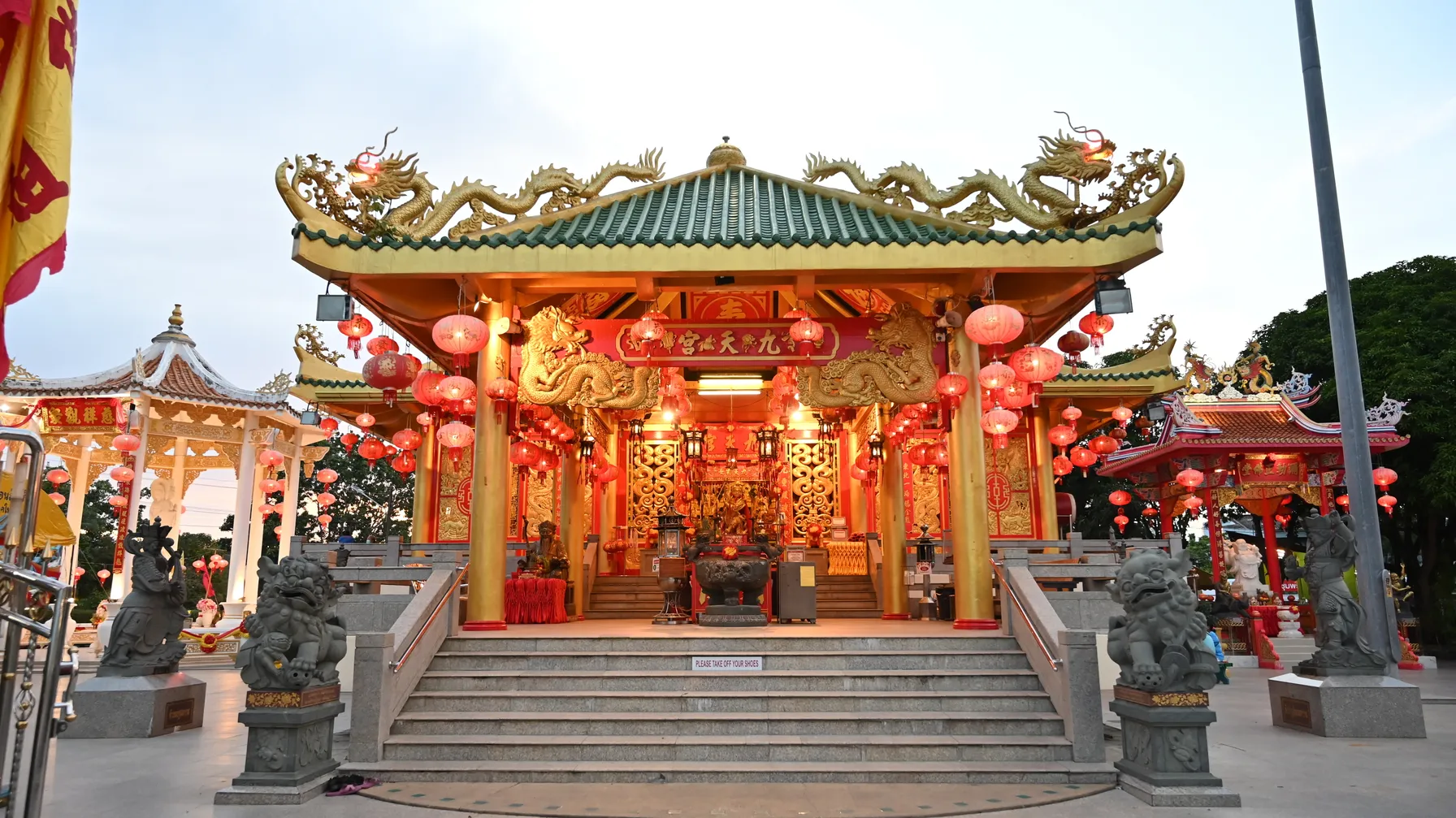
Wat Chalong remains the most revered temple on the island. This impressive religious complex honors the monks Luang Pho Chaem and Luang Pho Chuang, local heroes who treated the wounded during the 1876 Chinese rebellion. Devotees come here to light incense sticks and pray for protection and prosperity.
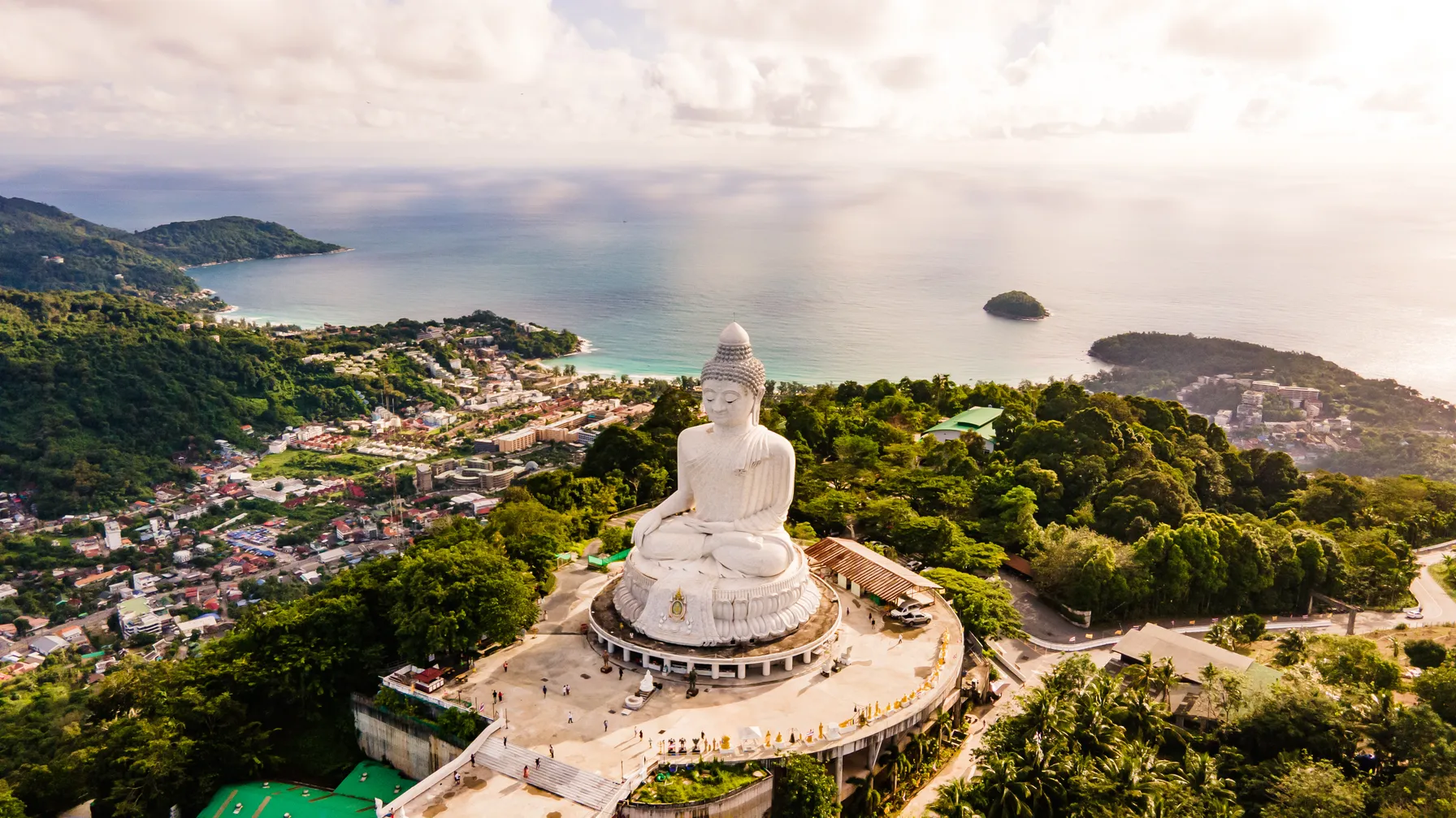
The Big Buddha, an imposing 45-meter-high statue, majestically stands at the top of Nakkerd Hill. This exceptional viewpoint offers a 360-degree panorama of the island. The climb to this sacred site allows you to appreciate the serenity of the place while contemplating a breathtaking landscape.
Wat Phra Thong fascinates with its legend: a partially buried golden Buddha statue resists all efforts to be fully excavated. This mysterious temple attracts pilgrims who come to beseech luck and protection.
Colonial architecture and captivating museums
The historic center of Phuket Town reveals exceptional architectural heritage. The mansions of wealthy Chinese families, converted into boutique hotels or cultural centers, reflect the refinement of a bygone era.
The Blue House, former residence of the governor, now houses a gourmet restaurant where you can enjoy Peranakan specialties. This fusion cuisine, inherited from marriages between Chinese and Malays, perfectly illustrates the cultural mix of the region.
The Tin Museum and the Kathu Culture Center trace the mining history of the island. These institutions showcase traditional extraction techniques and the social impact of this industry on the development of Phuket.
How to immerse yourself in living traditions?
Participating in local festivities and discovering traditional crafts allow you to authentically experience Phuket's culture. These experiences create unforgettable memories and foster sincere encounters with the locals.
The festivals that mark the insular year
The October Vegetarian Festival transforms the island into a spectacular spiritual theater. For nine days, participants, dressed in white, observe a strict vegetarian diet and perform impressive purification rituals. The colorful processions, accompanied by traditional music, traverse the city of Phuket in a strikingly mystical atmosphere.
Songkran, the Thai New Year in April, features massive water battles across the island. This joyful celebration symbolizes renewal and purification. Beyond the festive aspect, you participate in traditional rituals in temples, respectfully pouring scented water over the hands of elders.
Loy Krathong lights up the nights of November. You craft small floral boats equipped with candles, then set them afloat to ward off evil spirits and make wishes. This poetic ceremony creates an unforgettable magical atmosphere.
Ancestral knowledge and local crafts
Thai cooking workshops offer a perfect introduction to culinary traditions. You learn to prepare authentic curries, balance flavors, and use local aromatic herbs. These interactive classes reveal the secrets of a globally recognized cuisine.
The art of traditional Thai massage, listed as UNESCO intangible heritage, is passed down through generations. Renowned island schools offer training to understand this age-old therapeutic practice.
Local markets, like the Phuket Weekend Market, abound with artisanal items: wood sculptures, colorful textiles, silver jewelry, and ceramics. These creations reflect the skill of local artisans and perpetuate age-old techniques.
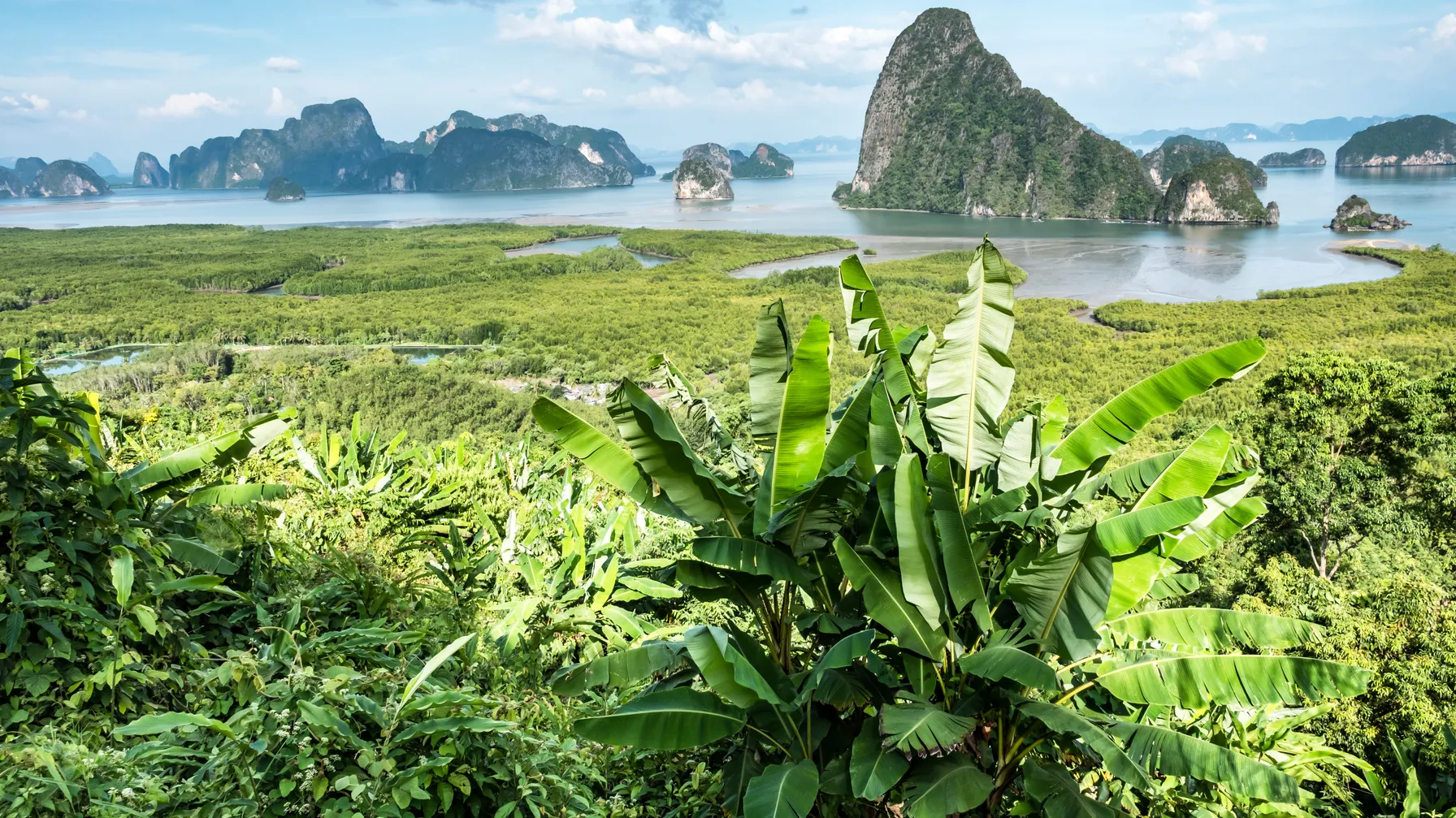
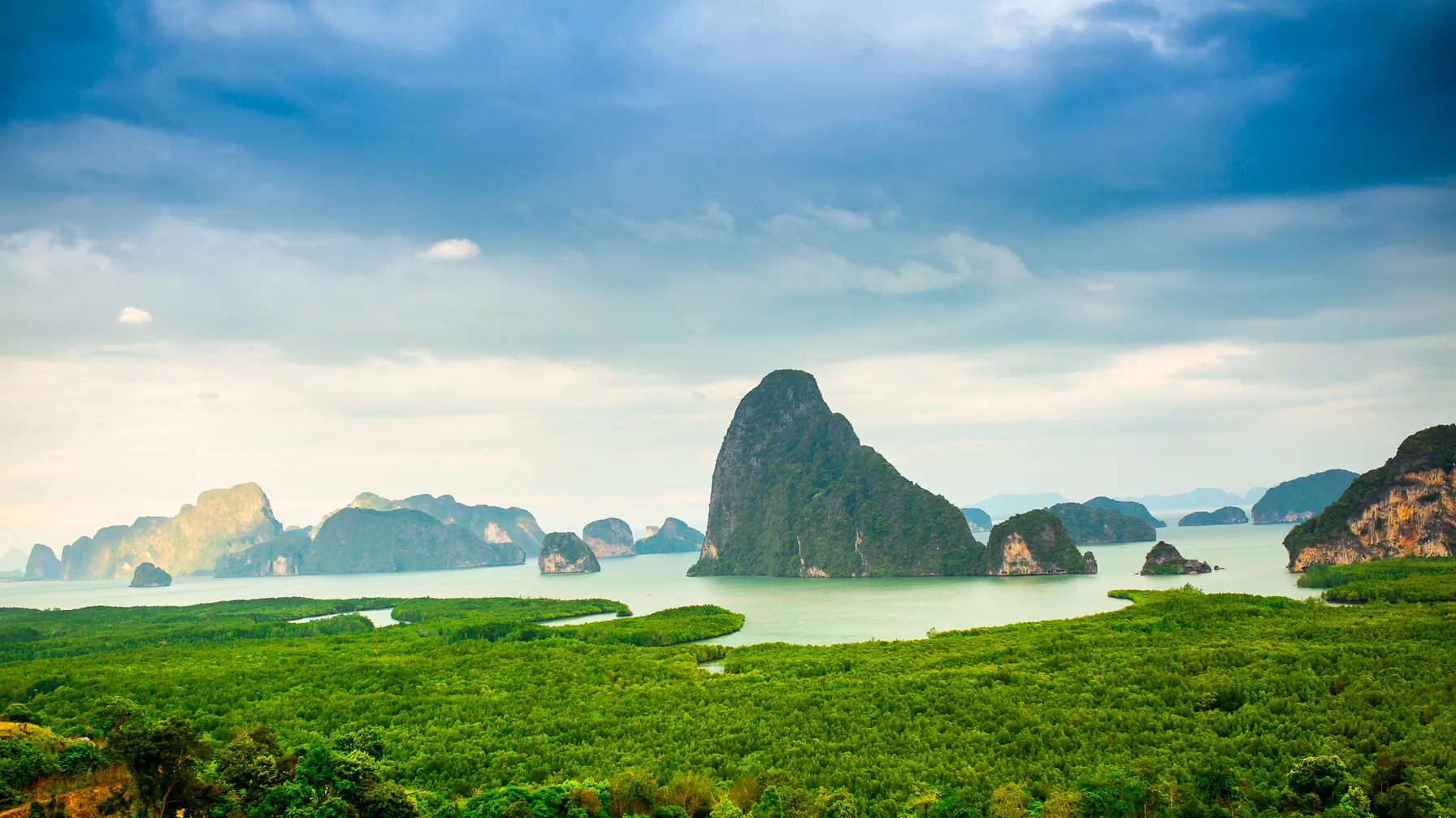
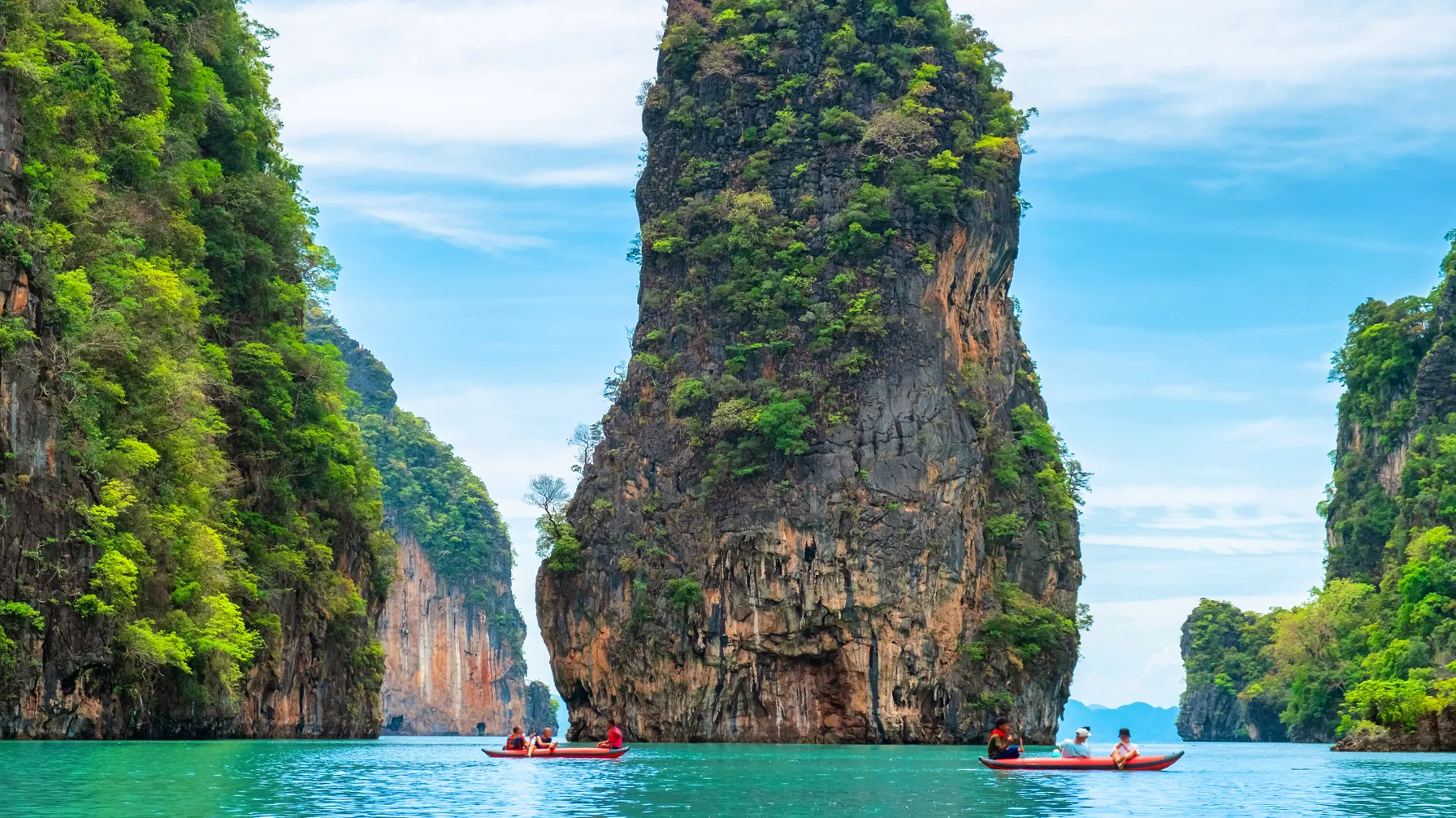
Sirinat National Park also offers interesting cultural perspectives, particularly the fishing village of Ban Sakhu where maritime traditions endure. The nearby province of Phang Nga complements cultural discovery beautifully with its stilt villages and caves adorned with rock paintings.
Contact us for more information on the best times to discover Phuket's culture
Frequently asked questions
What is the best time to experience the festivals of Phuket?
The dry season, from November to April, features the main cultural festivities. The Vegetarian Festival is in October, Loy Krathong in November, and Songkran in April. This period also offers an ideal climate for exploring heritage sites.
Should special outfits be planned for visiting temples?
You should wear clothing that covers shoulders and knees to enter temples. Bring easily removable shoes, as you need to take them off before entering the shrines. Some temples lend sarongs to unprepared visitors.
Are cultural sites family-friendly with children?
Temples and museums in Phuket welcome families perfectly. Children particularly enjoy the colorful festivals and cooking classes. Main sites have appropriate facilities and tours can be tailored according to the age of participants.
How to effectively organize a cultural tour in Phuket?
Allocate a full day to explore the old town and its museums, half a day for Wat Chalong and the Big Buddha, and set aside time for immersive experiences like cooking classes. Guided tours enhance your historical and cultural knowledge.